Thermal Conductivity
Thermal conductivity plays a pivotal role in the design and performance of printed circuit boards (PCBs) and electronic systems, determining how effectively heat is transferred away from critical components to prevent overheating and ensure longevity. This tag encompasses a range of articles that delve into the principles of thermal conductivity, including its measurement in various materials such as copper, FR-4 substrates, and advanced composites used in modern electronics. For engineers, hobbyists, and researchers searching for insights on this topic, understanding thermal conductivity is essential for optimizing heat dissipation in high-power applications like LED lighting, power supplies, and automotive electronics, where excessive heat can lead to component failure or reduced efficiency. In practical terms, the content under this tag offers actionable guidance on selecting materials with high thermal conductivity to enhance PCB performance. For instance, articles discuss best practices for incorporating thermal vias, heat sinks, and conductive adhesives to improve heat flow paths, along with simulation tools for predicting thermal behavior during the design phase. Readers can find detailed comparisons of thermal conductivity values for common PCB laminates, helping to inform decisions that balance cost, durability, and thermal management. These insights are particularly valuable for troubleshooting issues in prototypes or scaling up production, where poor thermal design might otherwise result in costly revisions. By exploring the articles tagged with Thermal Conductivity, users gain a deeper understanding of how to apply these concepts in real-world scenarios, from consumer gadgets to industrial machinery. This knowledge empowers better design choices that promote reliability and energy efficiency, ultimately contributing to more robust electronic systems.
Technical Articles
How PCB Copper Thickness Affects Current, Heat, and Strength
Utilizing Aluminum PCBs for Enhanced Thermal Management in Mining Equipment
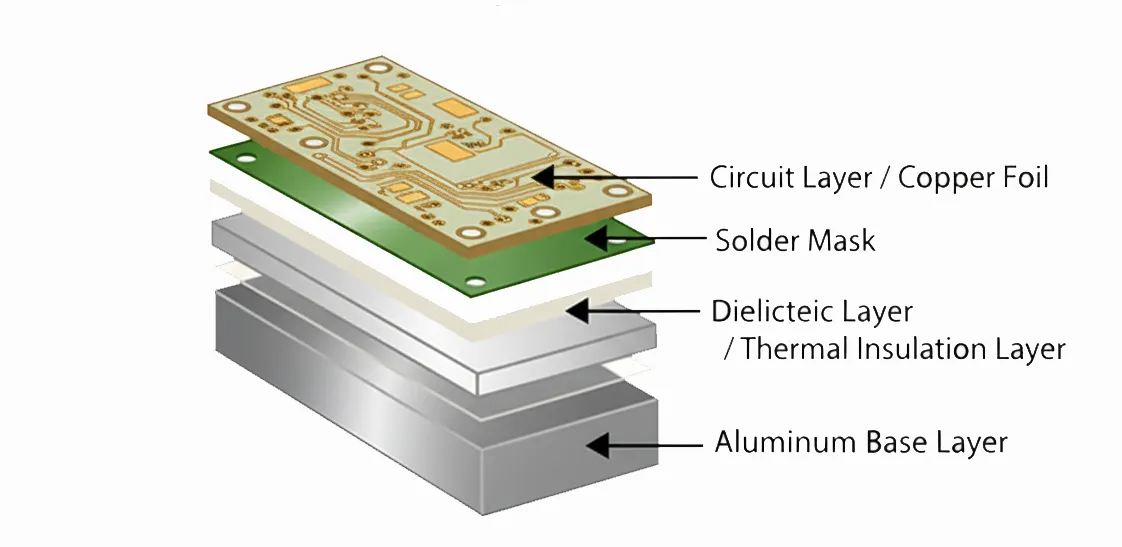
Aluminum PCBs: An Essential Solution for High-Performance Electronics
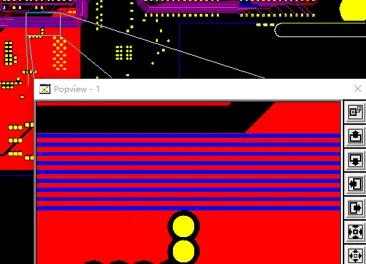
How CAM Review Prevents Impedance Failures in 18-Layer PCBs
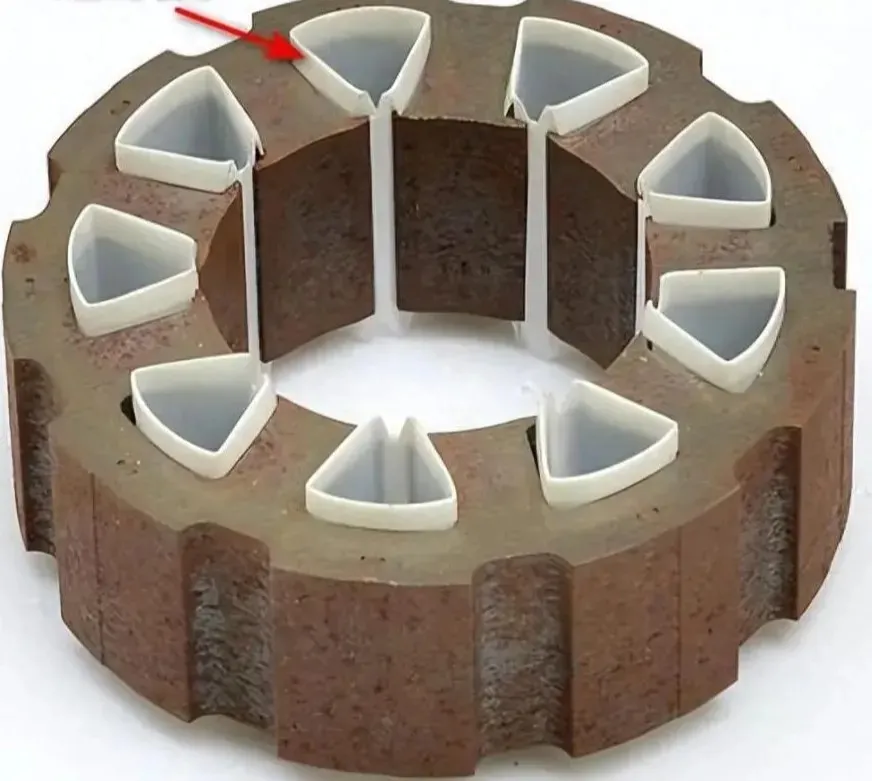
Motor Slot Fill Ratio: Practical Analysis
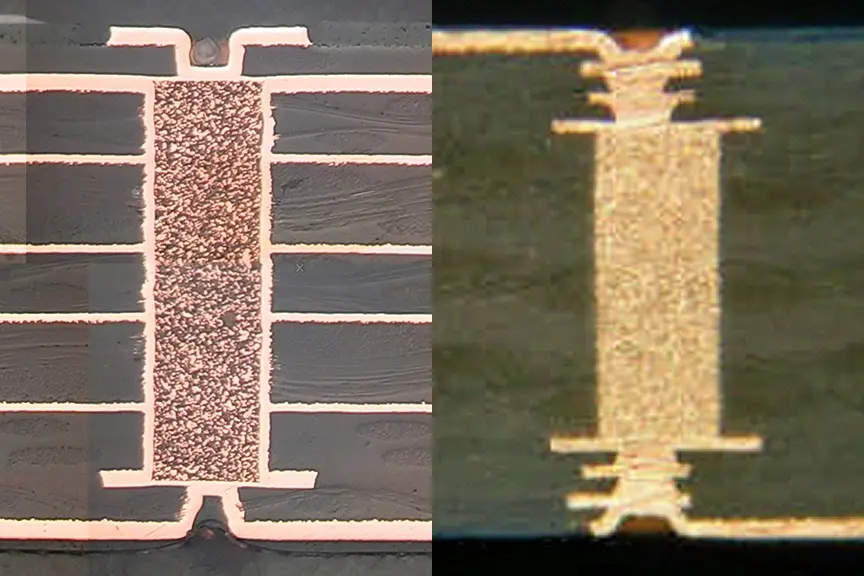
Thermal Via Filling: Choosing the Right Material for Optimal Heat Transfer
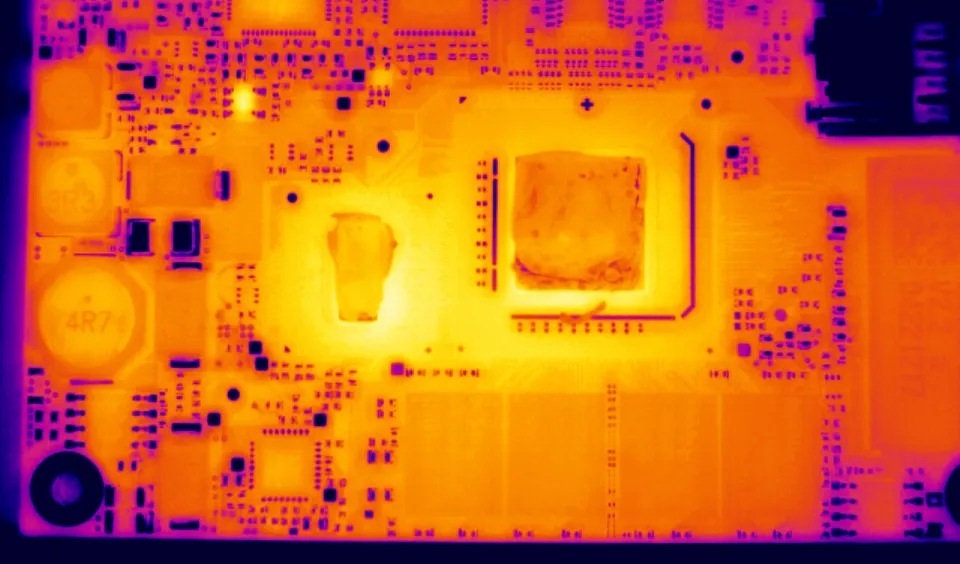
Thermal Runaway: Managing Heat Dissipation in Maximum Sized PCBs
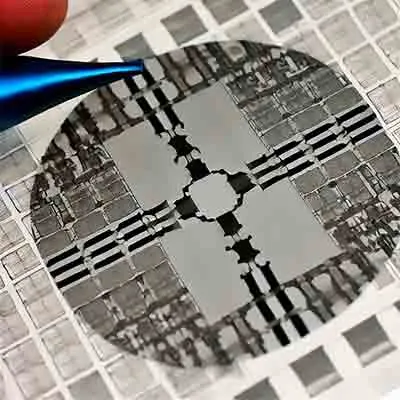
LPCVD Low-Stress Silicon Nitride Films: Process, Applications & MEMS Manufacturing
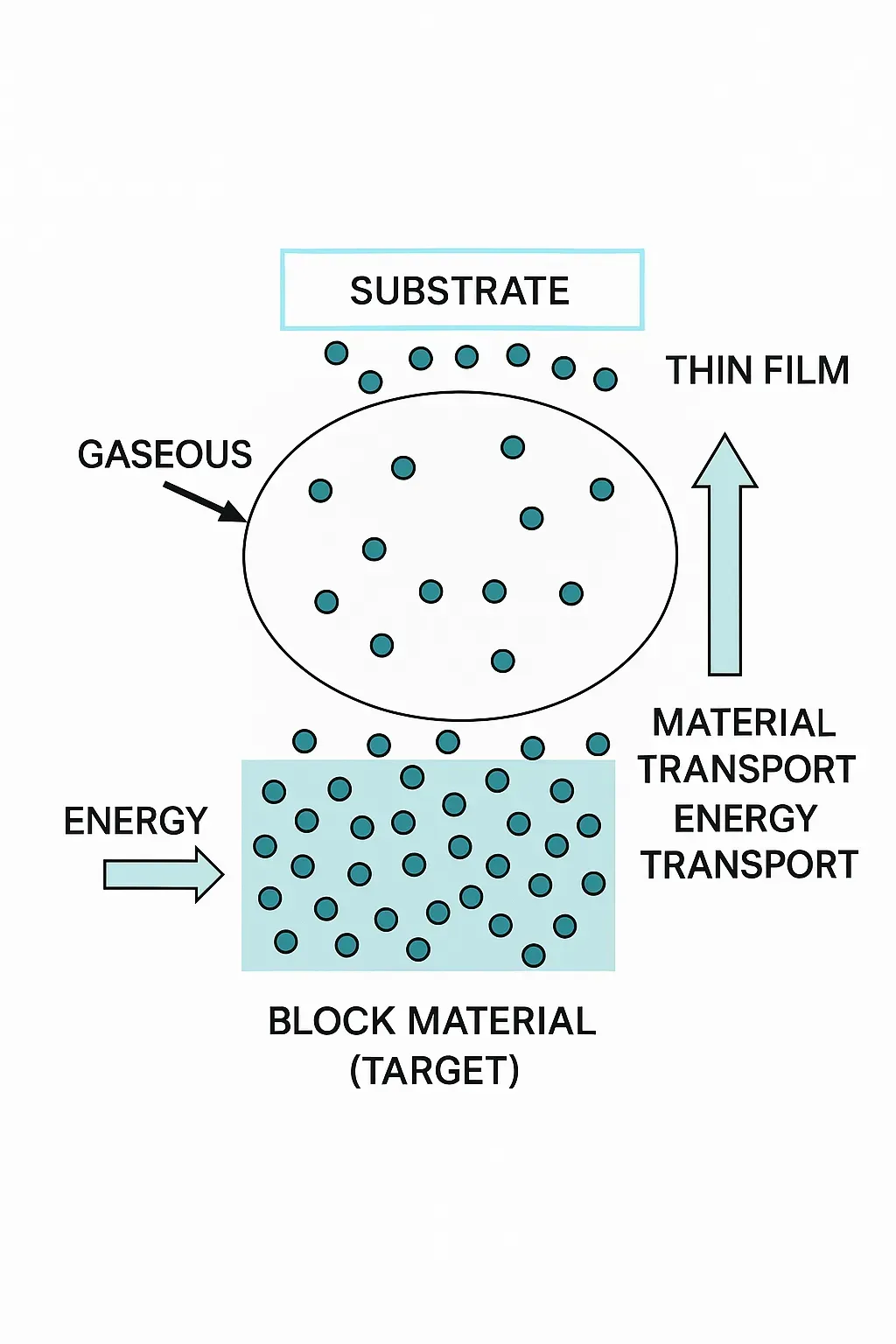
SiC Device Packaging and Module Technologies
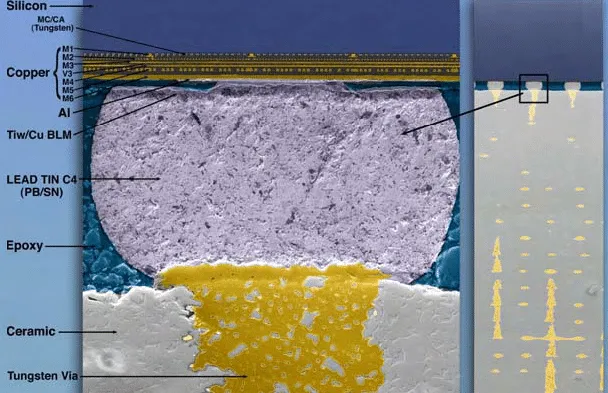
Organic vs. Inorganic PCB Substrates: Which is Right for Your Project?

Choosing the Right PCB Materials for Your Smart Home Devices: A Comprehensive Guide
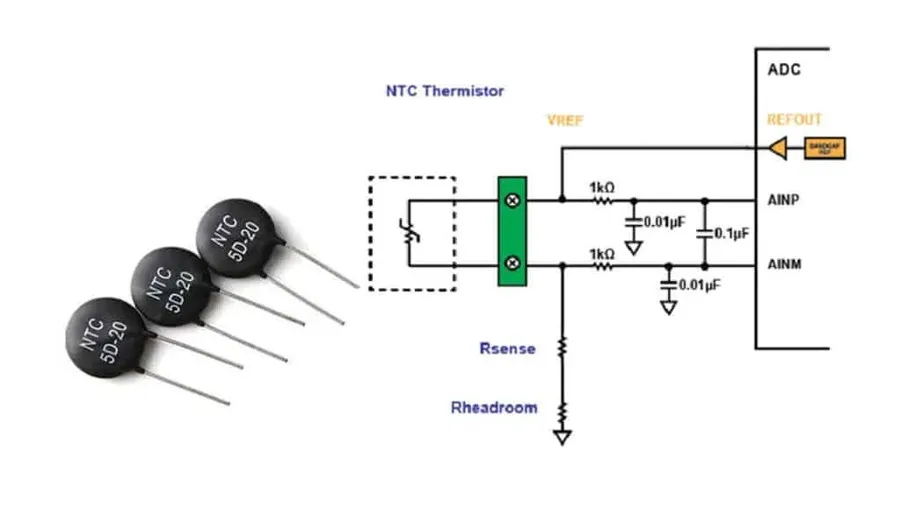
NTC Thermistor: Operation, Advantages, and Installation
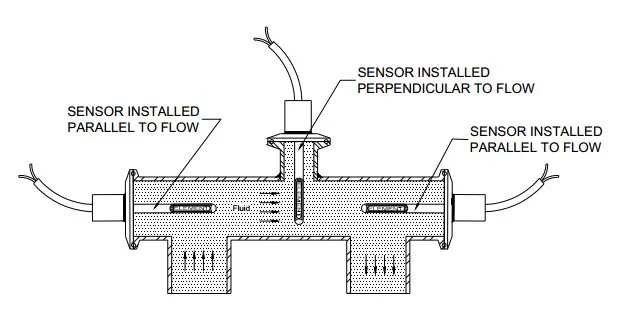
RTD Sensor Operation, Installation, and Precautions
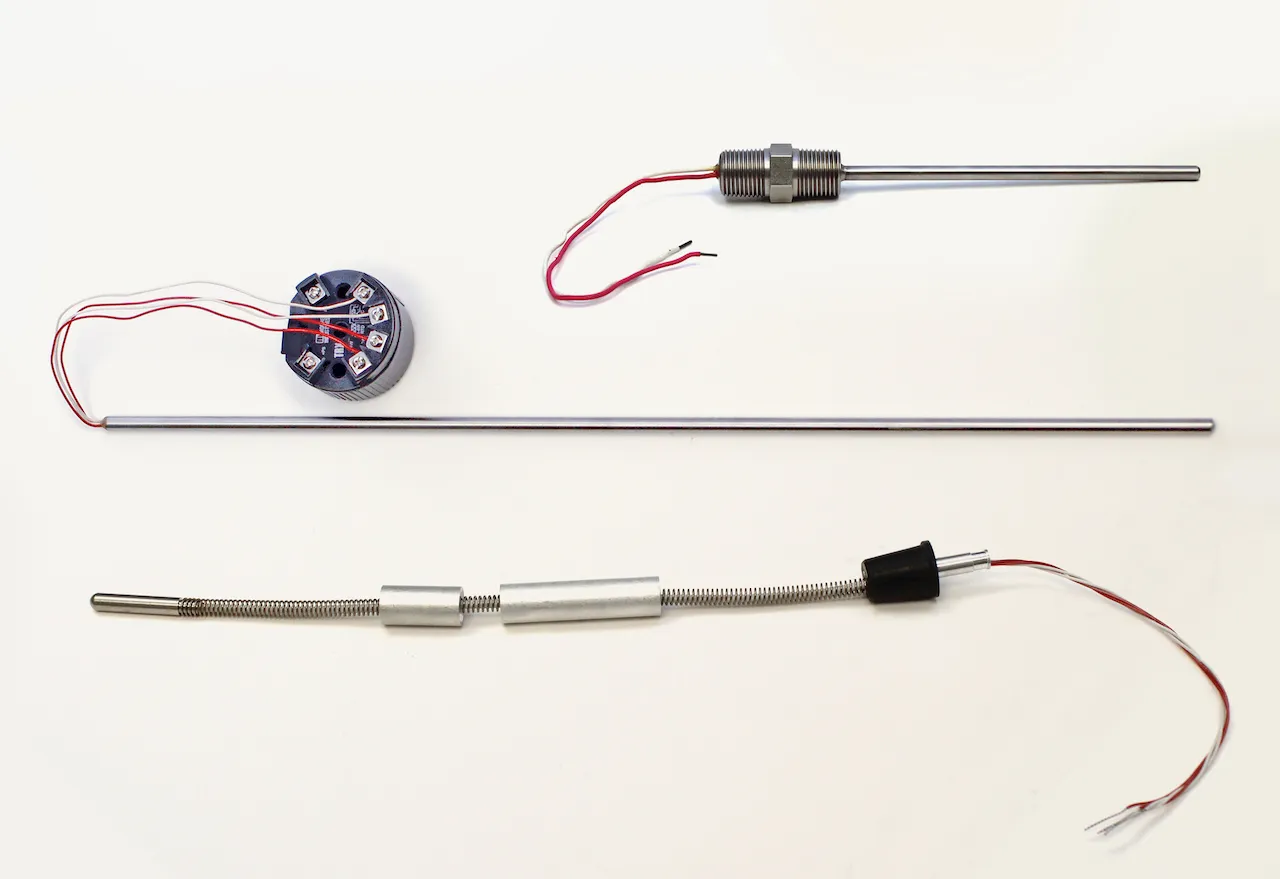
Differences Between RTDs and Thermocouples
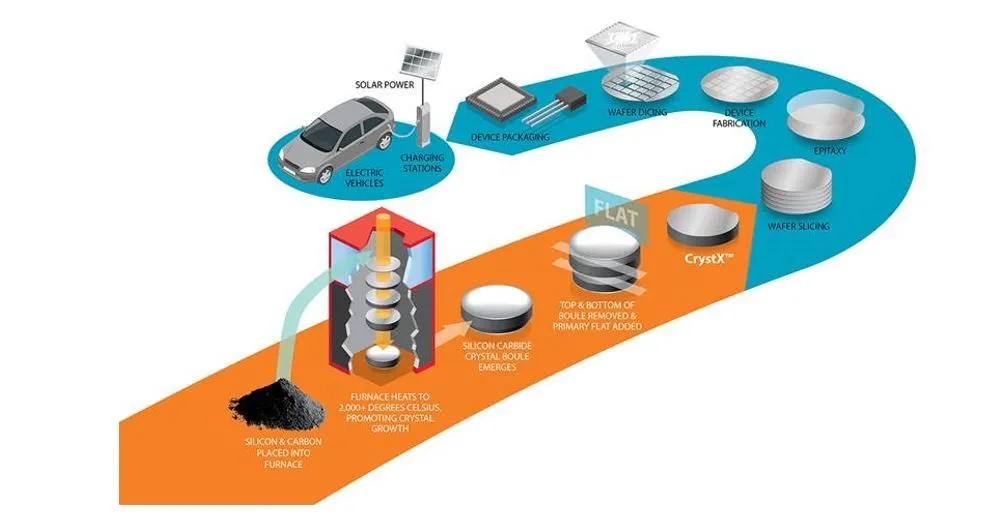
Advantages and Challenges of Silicon Carbide
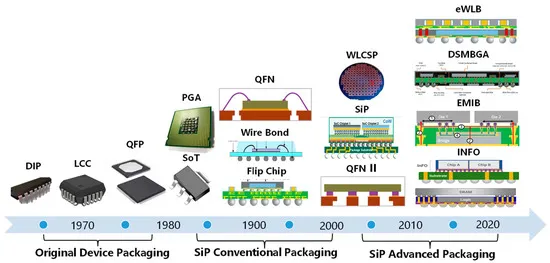
Trends in SiC Module Packaging Evolution

Electrical Advantages of SiC Power Devices
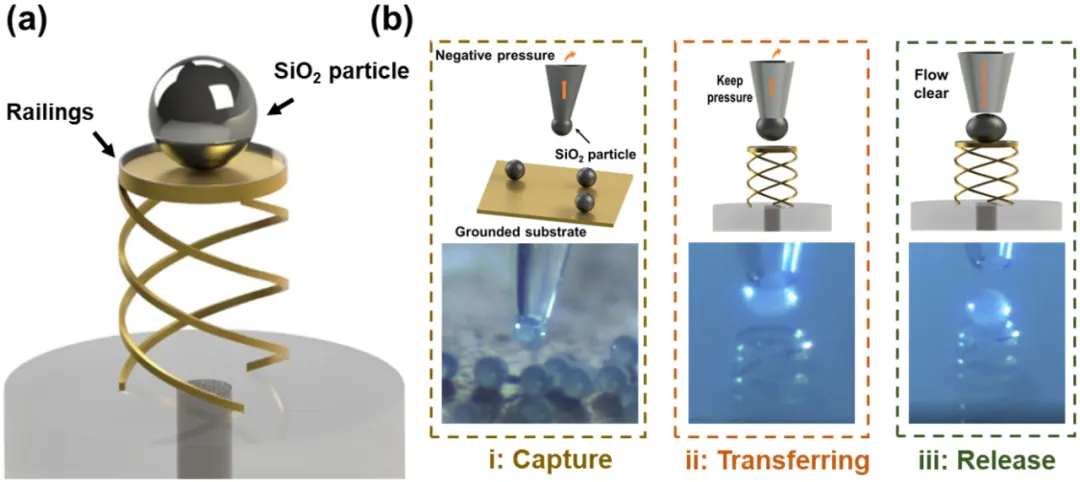
Piconewton Fiber Micro-Force Sensor Design and Operation