Trace Width
Trace width is a fundamental aspect of printed circuit board (PCB) design that directly influences the performance, reliability, and safety of electronic circuits. In PCB layouts, trace width refers to the dimension of the copper conductors that carry electrical signals and power between components. Selecting the appropriate trace width is essential to handle current loads without excessive voltage drop, overheating, or signal degradation, which can lead to failures in applications ranging from consumer electronics to industrial systems. For engineers and hobbyists searching for information on trace width, this tag serves as a comprehensive resource to address common challenges in circuit design. Key considerations include calculating trace width based on factors such as current rating, ambient temperature, and copper thickness, often guided by standards like IPC-2152. Practical tools like online trace width calculators can simplify this process, allowing users to input parameters and receive precise recommendations. For instance, wider traces are crucial for high-current paths to minimize resistance and heat buildup, while narrower traces suit high-density boards where space is limited, provided they maintain signal integrity. Best practices emphasize starting with conservative estimates and verifying through simulations or prototypes to avoid issues like thermal hotspots or electromagnetic interference. This tag gathers articles that delve into these topics, offering step-by-step tutorials on trace width optimization for various scenarios, including multilayer PCBs and RF designs. By reviewing the content here, designers can gain insights into adapting trace widths for specific projects, ensuring robust and efficient electronic assemblies that meet regulatory requirements and perform reliably over time.
Technical Articles
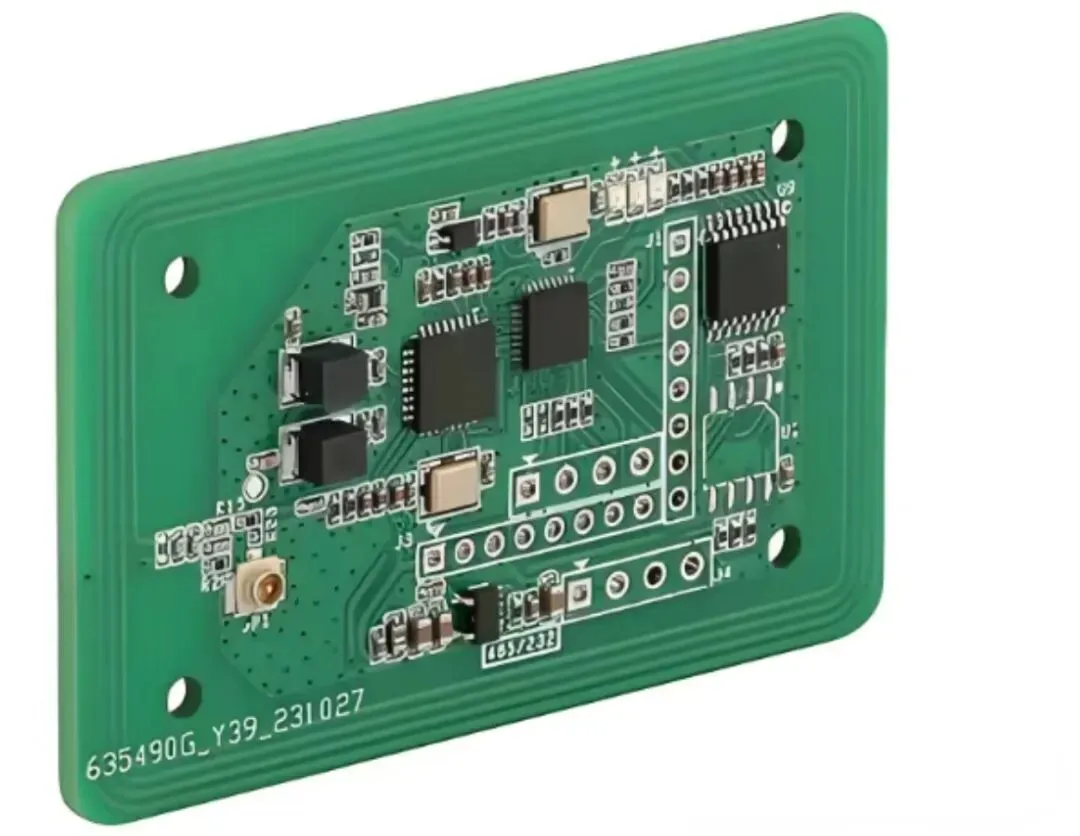
Using PCB Traces to Replace Fuses for Cost Reduction: How Many Risks Are Hidden?

Best Practices for Power Supply PCB Trace Routing
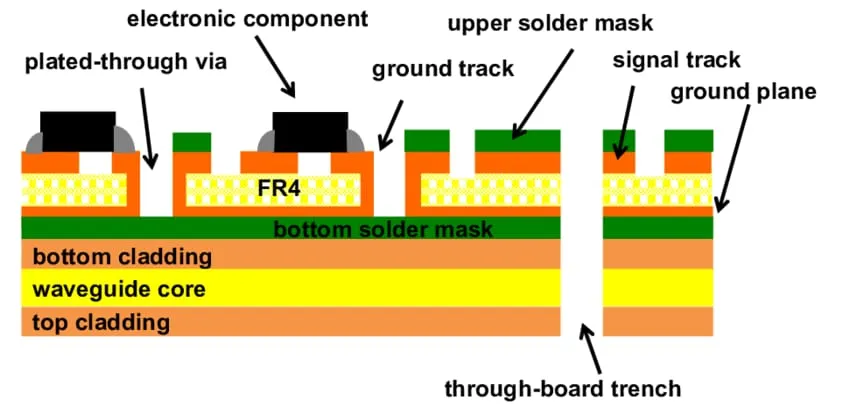
How to Calculate the Ideal Copper Foil Thickness for Your PCB Project
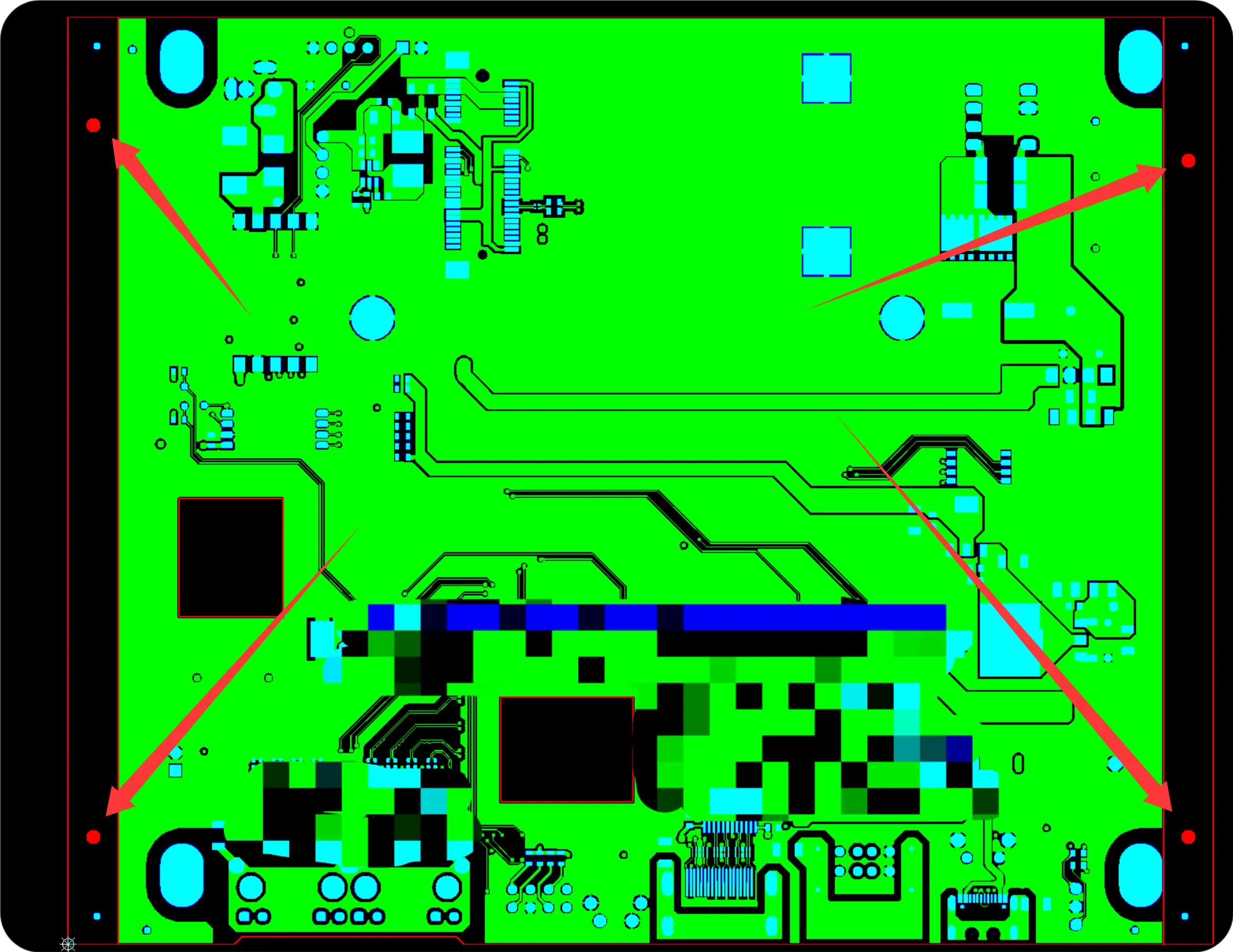
Handling PCB Impedance Trace Width Adjustment in DFM Review

PCB Trace Width and Footprint Compatibility
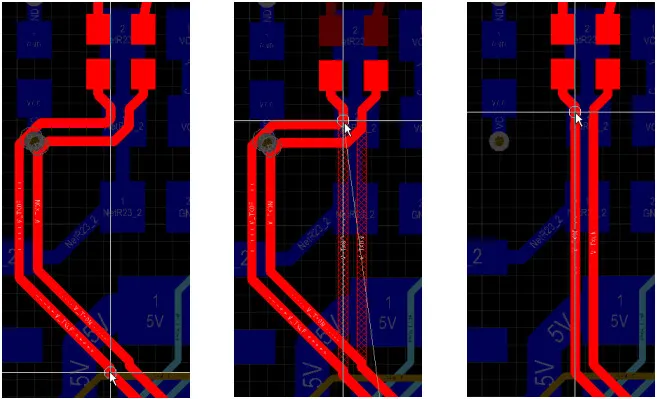
Maximizing Efficiency: Effective Strategies for PCB Routing
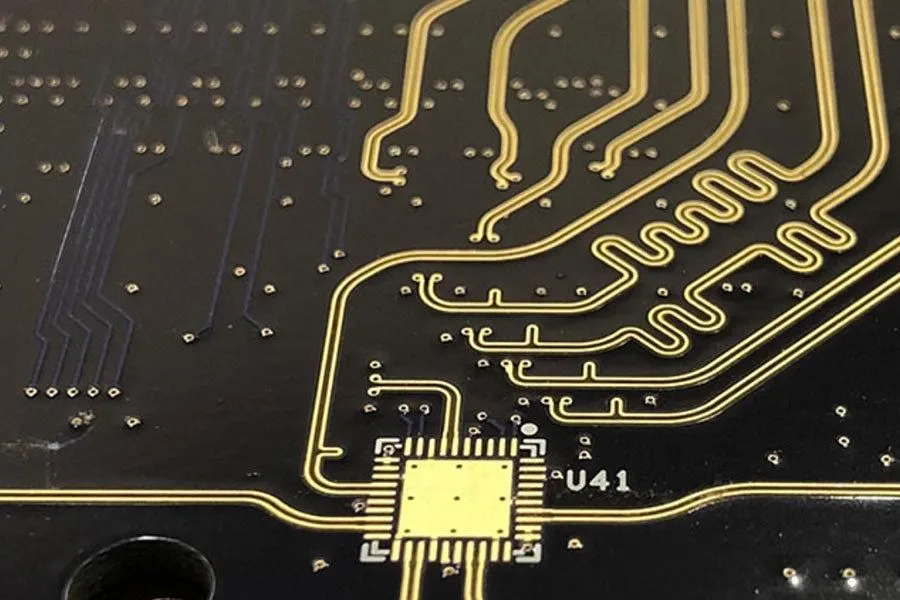
What are PCB Traces?
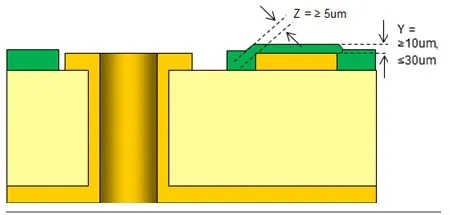
The Ultimate Copper Thickness (Mils) Conversion Chart for PCB Design

Power Integrity and PCB Trace Design: Minimizing Voltage Drop and Ensuring Stable Power Delivery
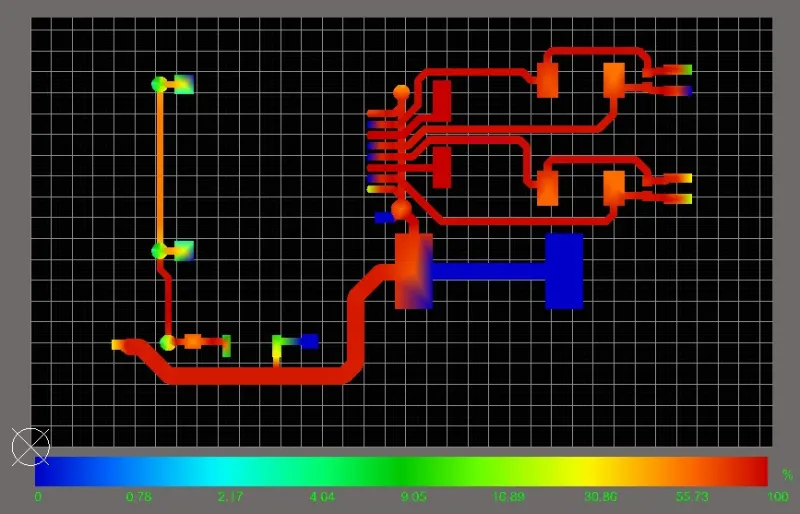
Optimize Your CEM 1 PCB Design: Mastering Trace Width and Spacing

Design Considerations for IPC Class 2 PCB Assembly: A Comprehensive Guide
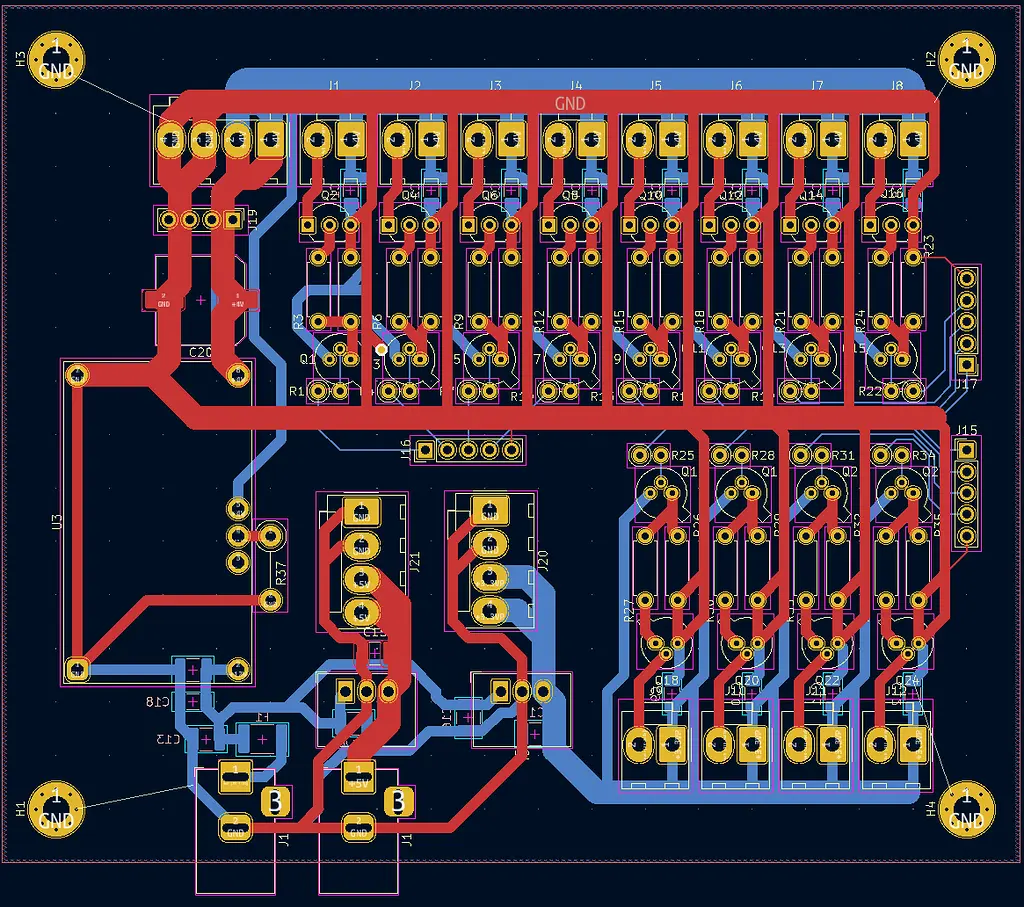
Spacing Secrets: Mastering Trace Width for High Voltage PCBs

How Does PCB Trace Width Affect Impedance?

How to Calculate PCB Trace Width for 20A Circuits
Understanding Trace Width Tolerances in PCB Manufacturing for Reliable Designs
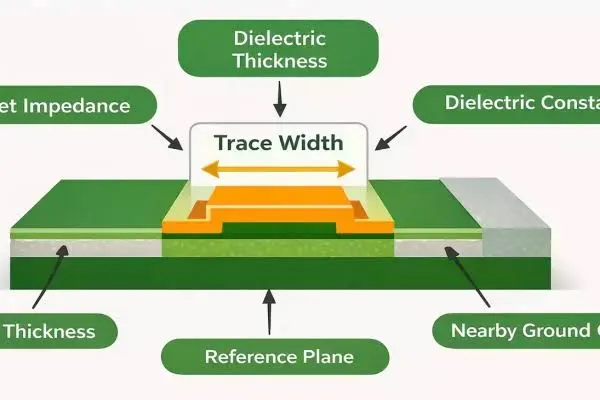
FR4 PCB Minimum Trace Width: What Designers Should Know
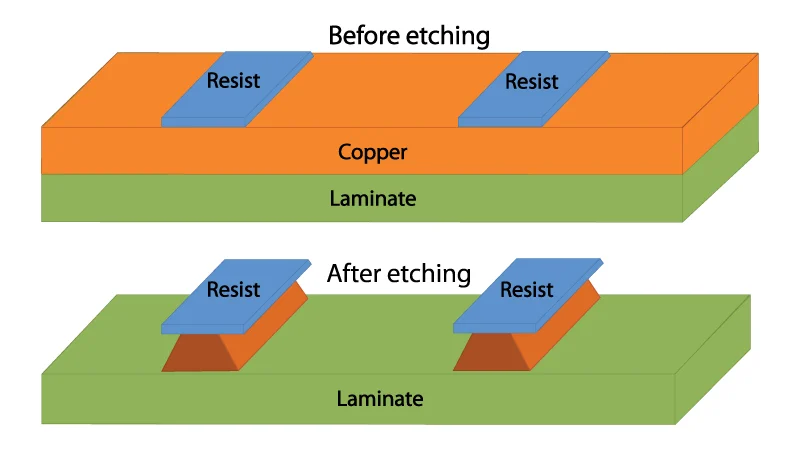
FR4 PCB Etching Undercut: Causes and Process Control
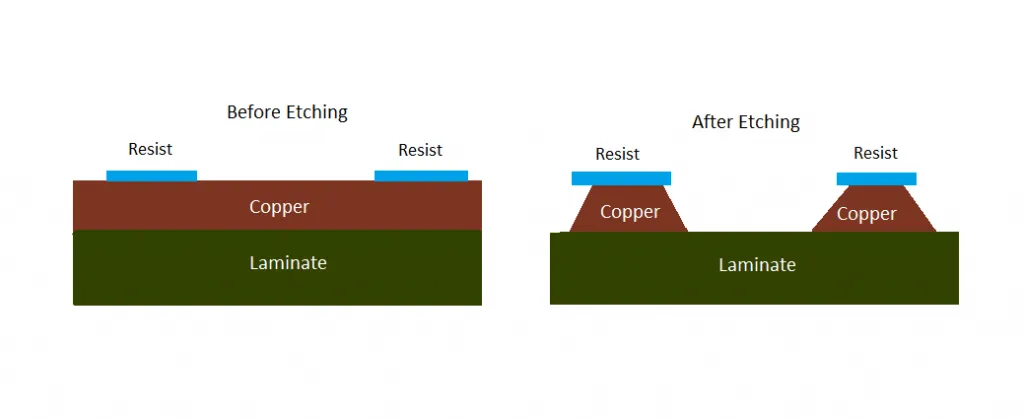
FR4 PCB Over-Etching vs Under-Etching: Effects on Circuit Quality