AUTOSAR-Based Interface Design Between Functional Components
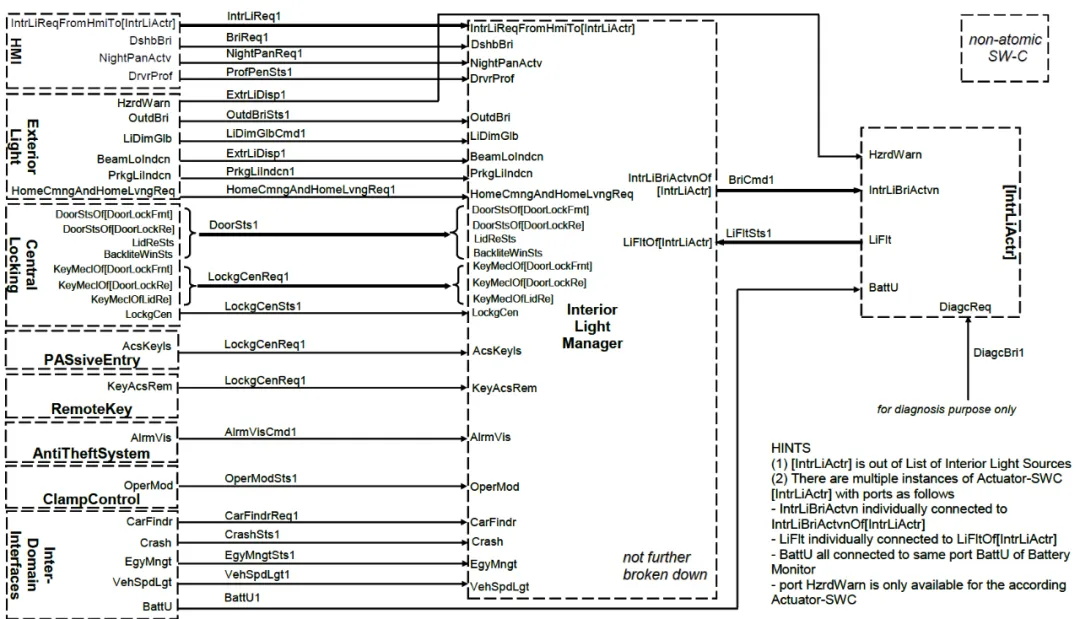
Functional architecture and interface design for Body and Comfort domains, detailing subsystem components, sensor/actuator/status interfaces and wiper/locking logic.
Automotive electronics form the backbone of modern vehicles, integrating advanced circuitry and systems that enhance performance, safety, and efficiency. This category delves into the intricate world of electronic components and designs tailored for automotive applications, from engine control units to infotainment systems and autonomous driving technologies. As vehicles evolve toward electrification and connectivity, understanding these elements becomes essential for engineers, technicians, and enthusiasts aiming to innovate or troubleshoot in this dynamic field. Within automotive electronics, practical guides and tutorials cover everything from PCB layout for harsh environments to integrating sensors for real-time data processing. Insights into best practices address challenges like electromagnetic interference, thermal management, and compliance with industry standards such as ISO 26262. These resources provide actionable knowledge, helping readers apply concepts to real-world scenarios, whether developing electric vehicle battery management systems or upgrading legacy automotive networks. The technical relevance of automotive electronics extends to emerging trends like vehicle-to-everything communication and AI-driven diagnostics, offering substantial value in improving reliability and user experience. By exploring the articles here, professionals can stay ahead of regulatory changes and technological advancements, while hobbyists gain the tools to customize their projects. This collection equips you with the expertise to navigate the complexities of automotive innovation, fostering deeper understanding through diverse topics and in-depth analyses.
Functional architecture and interface design for Body and Comfort domains, detailing subsystem components, sensor/actuator/status interfaces and wiper/locking logic.
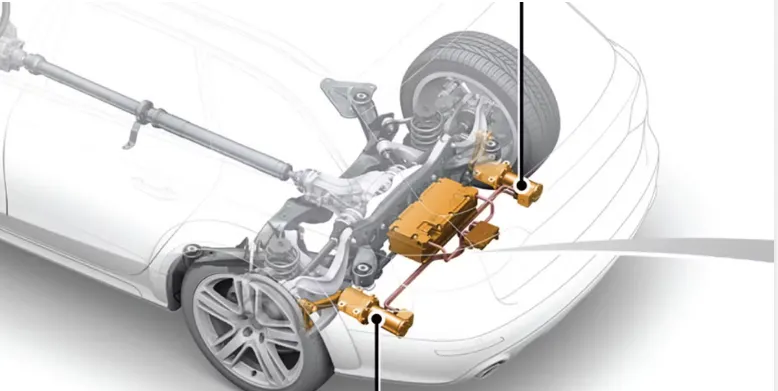
Overview of energy-recovery dampers for electric vehicles, explaining thermal-to-electric conversion, potential traction-battery energy recovery, and modular design needs.
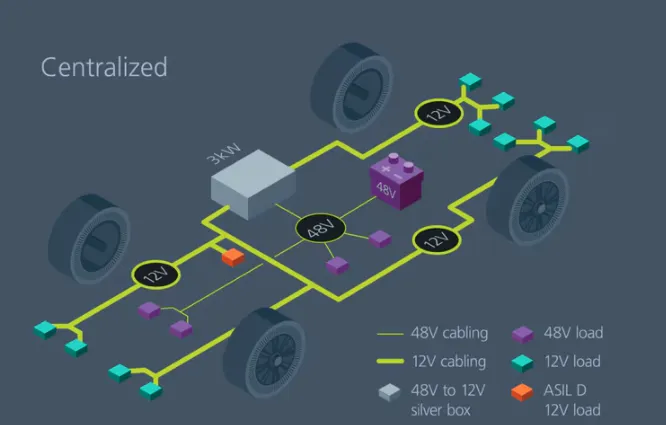
Technical overview of 48V system design, history, benefits and challenges, plus Tesla Cybertruck's 48V architecture effects on wiring, efficiency and supplier ecosystems.
Overview of intelligent restraint systems for autonomous vehicles with modular ACU architectures, AI+physics hybrid control, adaptive airbag deployment and sensor integration.
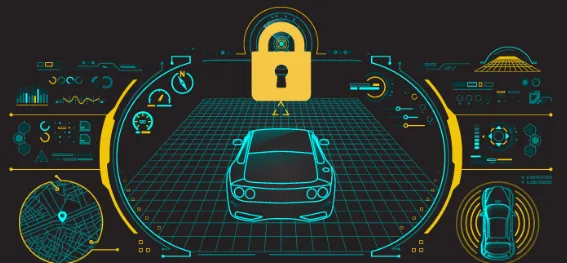
Recommendations for automotive information security and data security in connected vehicles: supplier governance, R155/ISO/SAE21434 compliance, monitoring, data platforms.
Analysis of Dongbo Intelligent's flat-wire motor automation for new energy vehicles, covering I-/U-/X-/W-pin mass-production solutions and technical breakthroughs.
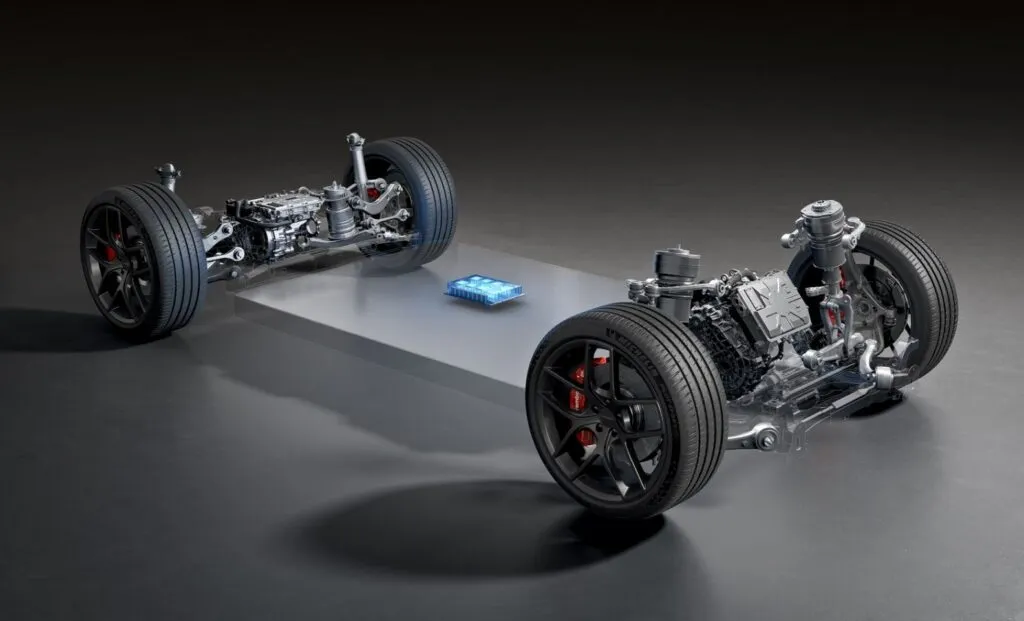
Tuling intelligent chassis overview: CDC and air suspension, MFSS multimodal fusion sensing with road preview and vehicle state estimation to improve ride and safety.
Analysis of automotive chip demand, supply disruptions, and technical trends: electrification-driven growth, L2/L2+ SoCs, and EDA/AI tools for automotive SoC verification.
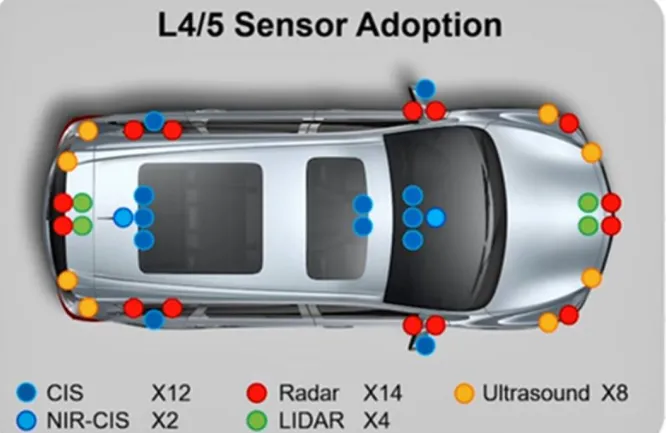
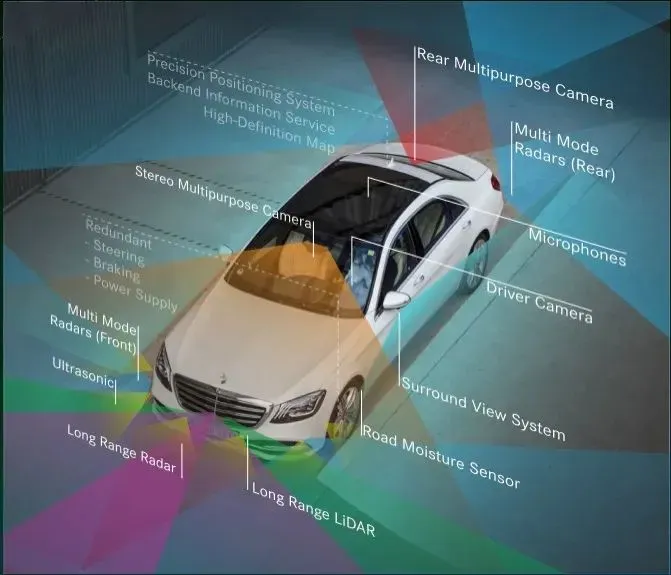
Survey of autonomous driving perception from SLAM+deep learning to BEV+Transformer, comparing camera-only and multi-sensor fusion, BEV projection, and research trends.
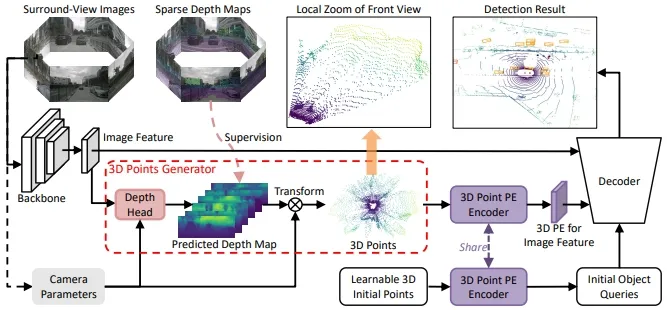
3DPPE: a surround-view pure-vision 3D obstacle detection method that builds depth-derived 3D point positional encodings to reduce ray-based false positives and improve nuScenes
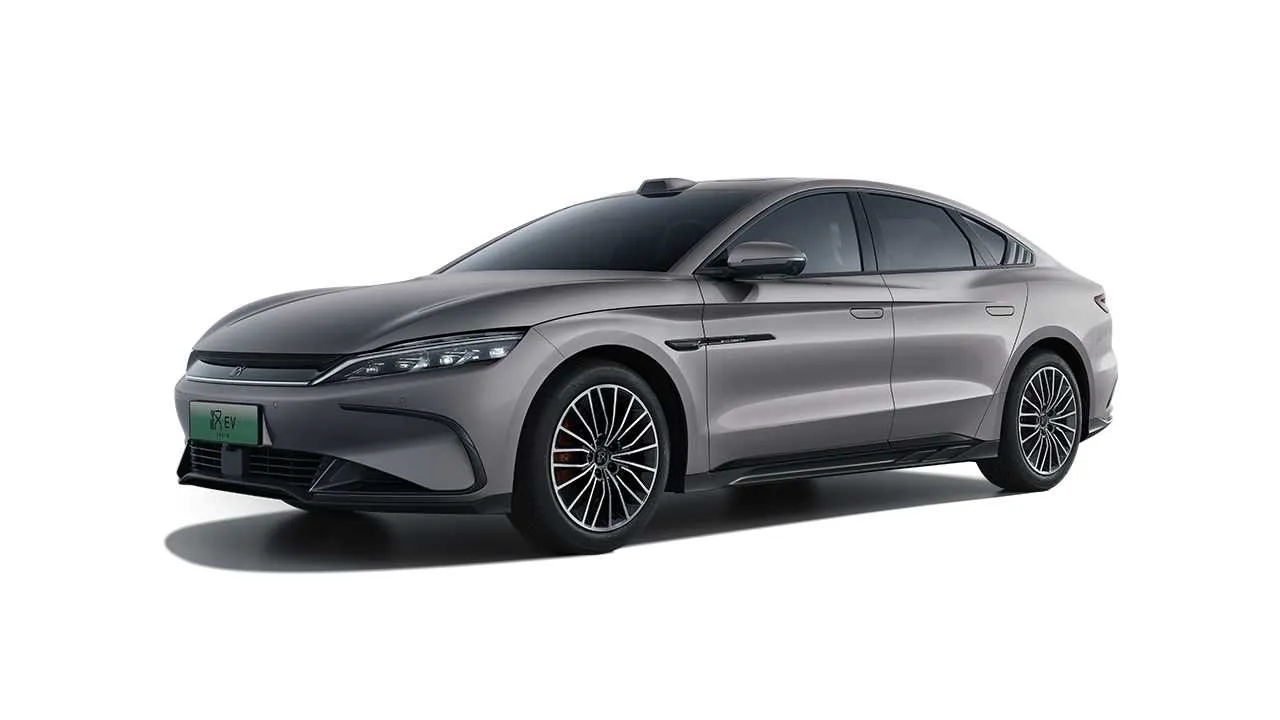
Technical overview of BYD Han high- and low-voltage systems, covering 12V and traction battery specs, blade-cell pack, motor ratings, and network architecture.
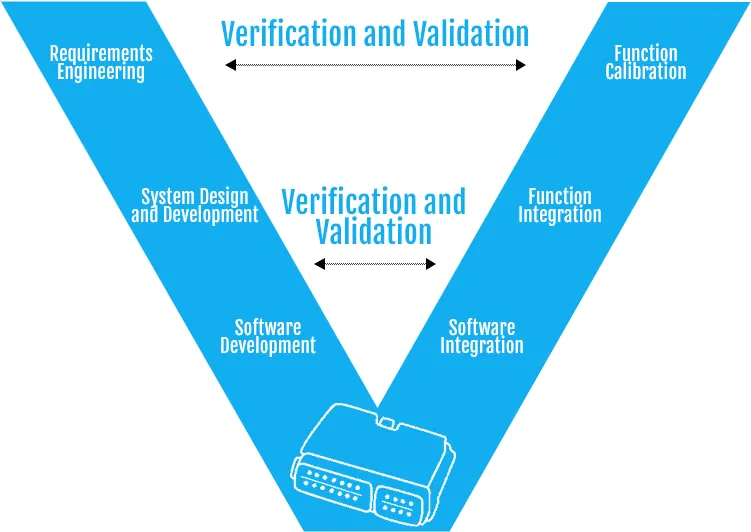
Analyzes the V-model, its roots in the waterfall model, nested V-models, layered decomposition, verification focus, and emerging boundary issues in complex development.