










Automotive Electronics
Automotive electronics form the backbone of modern vehicles, integrating advanced circuitry and systems that enhance performance, safety, and efficiency. This category delves into the intricate world of electronic components and designs tailored for automotive applications, from engine control units to infotainment systems and autonomous driving technologies. As vehicles evolve toward electrification and connectivity, understanding these elements becomes essential for engineers, technicians, and enthusiasts aiming to innovate or troubleshoot in this dynamic field. Within automotive electronics, practical guides and tutorials cover everything from PCB layout for harsh environments to integrating sensors for real-time data processing. Insights into best practices address challenges like electromagnetic interference, thermal management, and compliance with industry standards such as ISO 26262. These resources provide actionable knowledge, helping readers apply concepts to real-world scenarios, whether developing electric vehicle battery management systems or upgrading legacy automotive networks. The technical relevance of automotive electronics extends to emerging trends like vehicle-to-everything communication and AI-driven diagnostics, offering substantial value in improving reliability and user experience. By exploring the articles here, professionals can stay ahead of regulatory changes and technological advancements, while hobbyists gain the tools to customize their projects. This collection equips you with the expertise to navigate the complexities of automotive innovation, fostering deeper understanding through diverse topics and in-depth analyses.
Latest Blogs
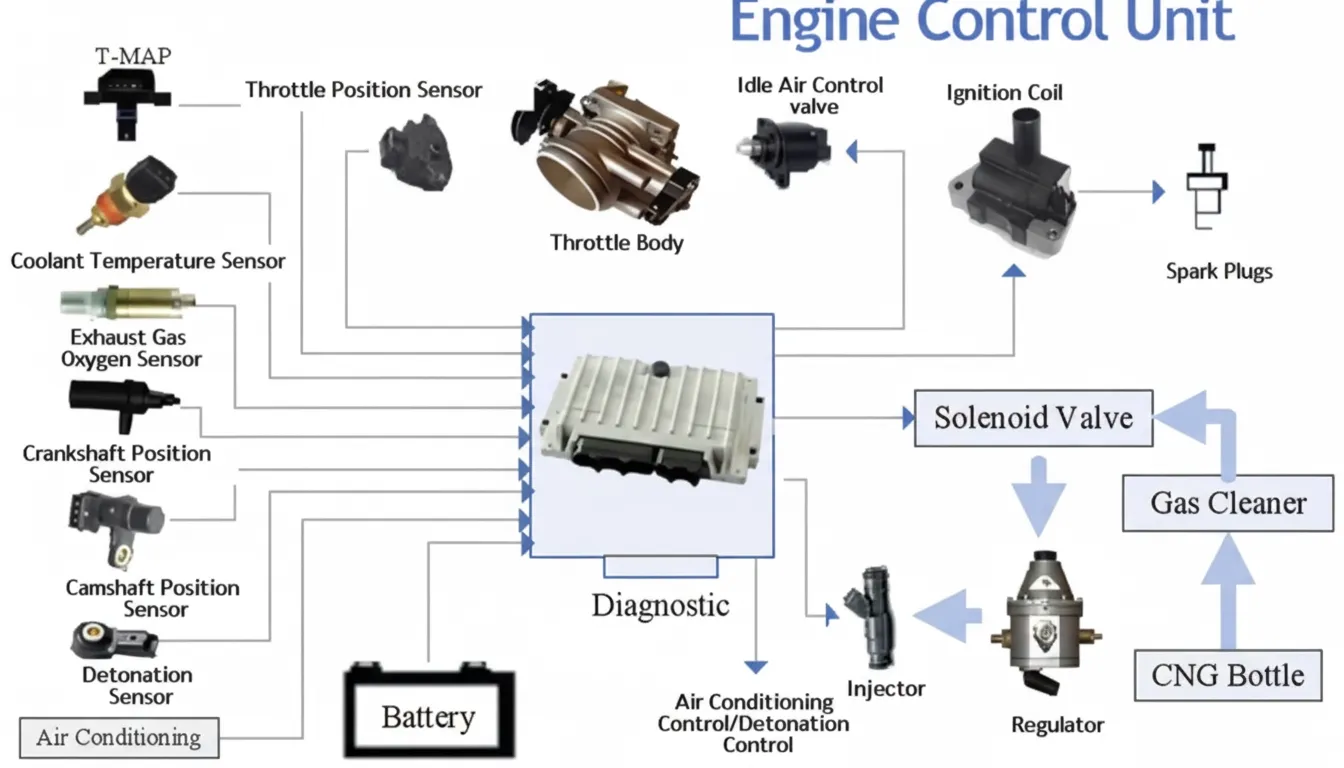
FPGA's Role in Driver Assistance Systems
Technical overview of FPGA applications in automotive systems, including FPGA-based ECUs for engine control and FPGA processing for driver assistance and ADAS.
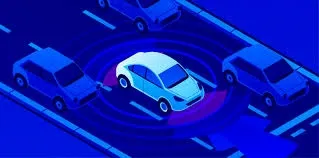
Li Auto's End-to-End Autonomous Driving Model
Li Auto's autonomous driving progress centers on deploying an end-to-end model to replace rule-based systems and enable robust handling of complex traffic scenarios.
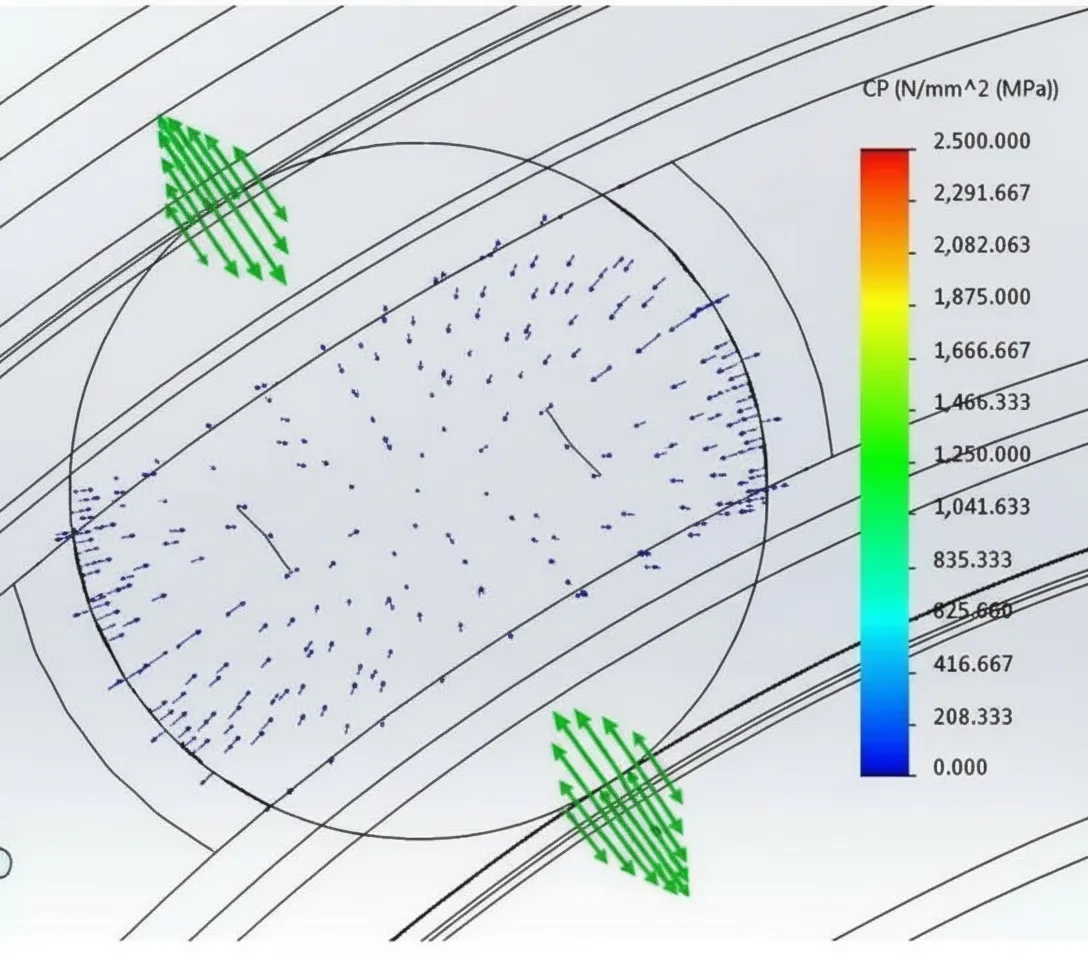
EV Drive Motor Bearing Design and Characteristics
Technical overview of EV drive motor bearings: sealed deep-groove ball bearing design, speed, materials, seals, cages, accuracy and factors influencing bearing life.
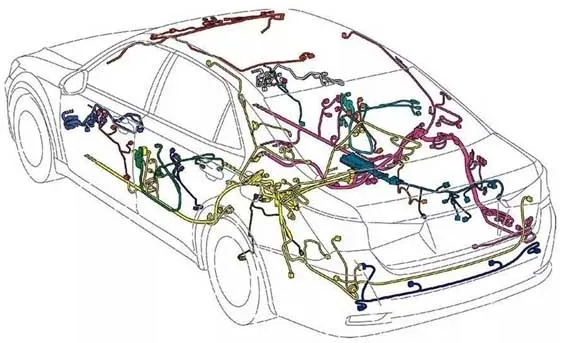
Grounding Design for Automotive Wiring Harnesses
Wiring harness grounding allocation guide: ground types, interference mechanisms, connection methods and allocation principles for reliable vehicle electrical systems.
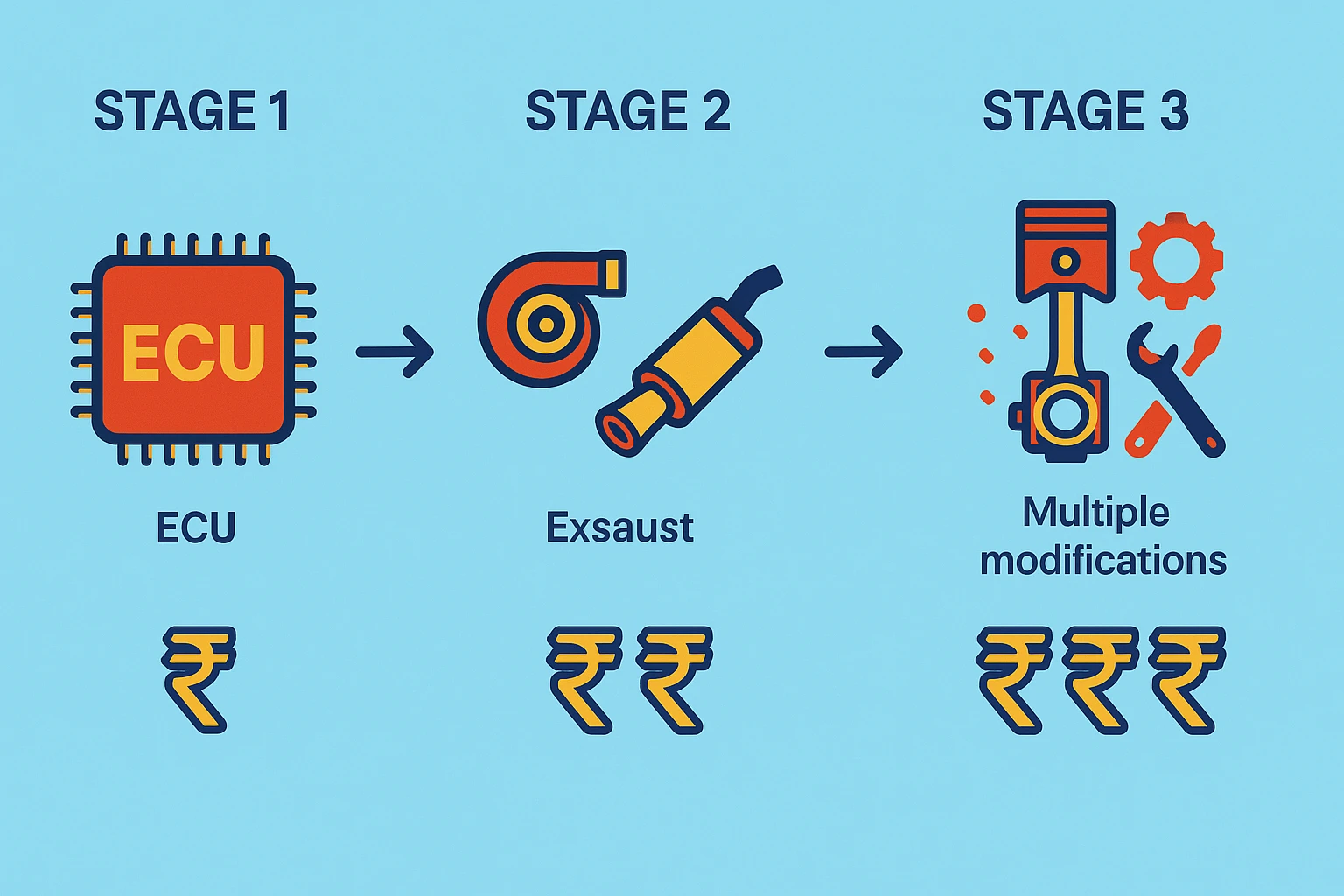
Three Types of Automotive ECU Modification
Overview of ECU functions, ECU flashing methods (reflashing, piggyback, replacement) with benefits, risks, and trade-offs for vehicle control and performance.
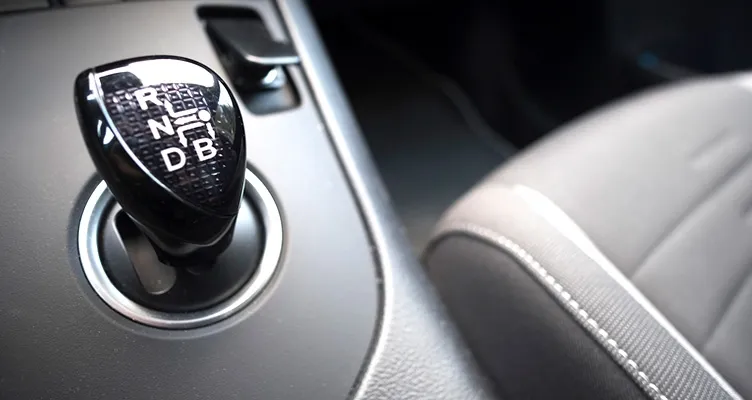
Why Japanese Cars Use CVT Transmissions
Technical overview of CVT continuously variable transmission: structure, operation, advantages and impact on fuel economy, performance, emissions and cost.
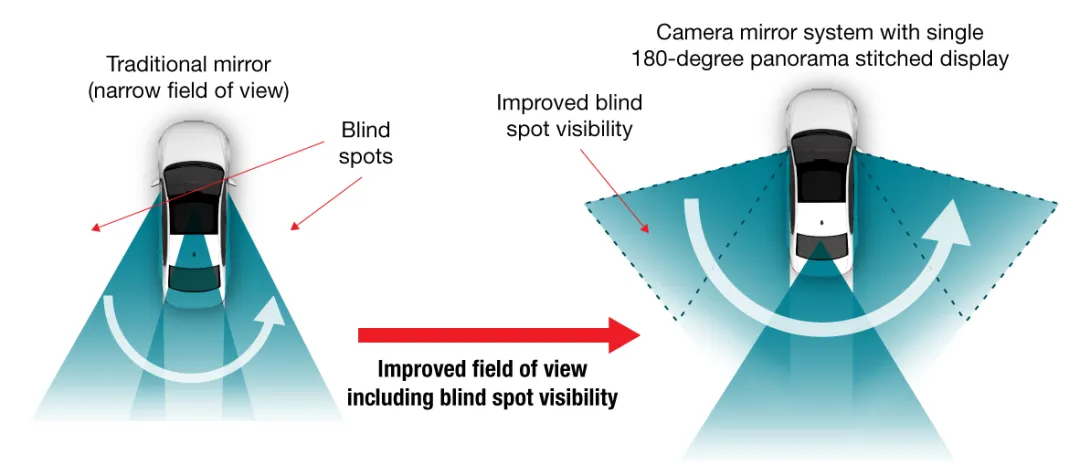
Digital Cockpit Systems: High-Performance PCB Design for Automotive SoC Integration, Multi-Display, and In-Cabin Sensing
Learn how digital cockpit PCBs support SoC integration and high speed video interfaces. This guide covers thermal management and EMI safety for reliable automotive electronic systems.
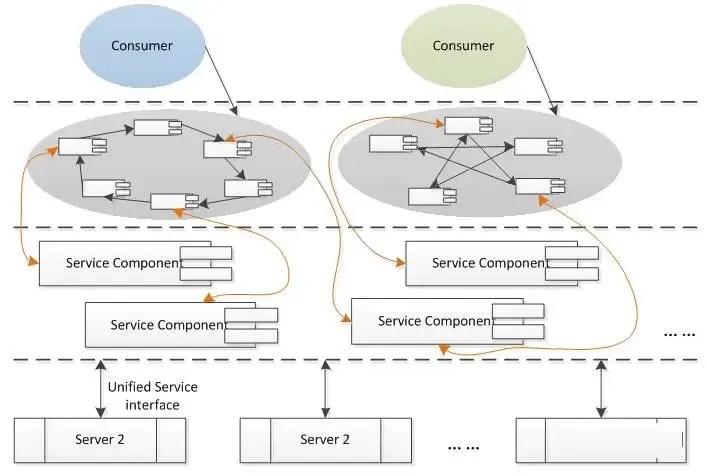
SOA Implementation in Automotive E/E Architectures
Technical overview of Service-Oriented Architecture (SOA) for vehicles: drivers, benefits, SOC/SORS/SOS implementation and SOME/IP use in v?SOA.

Five Levels of Automotive Software Integration
Five-level overview of automotive software integration, from unit build and hardware flashing to ECU, subsystem and vehicle validation; covers interfaces, testing and calibration.
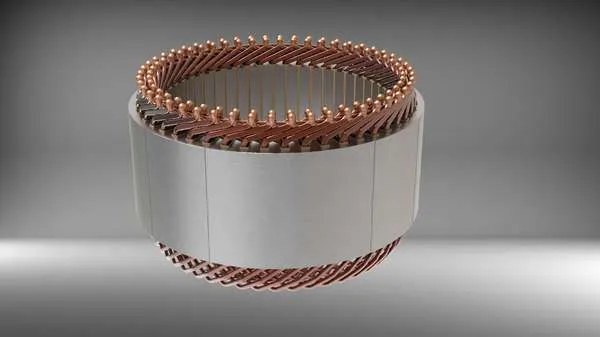
Four Application Barriers for Flat-Wire Motors
Analysis of application barriers for flat-wire motors: skin and proximity effects, lack of standardization, high production-line investment, and material/manufacturing challenges.
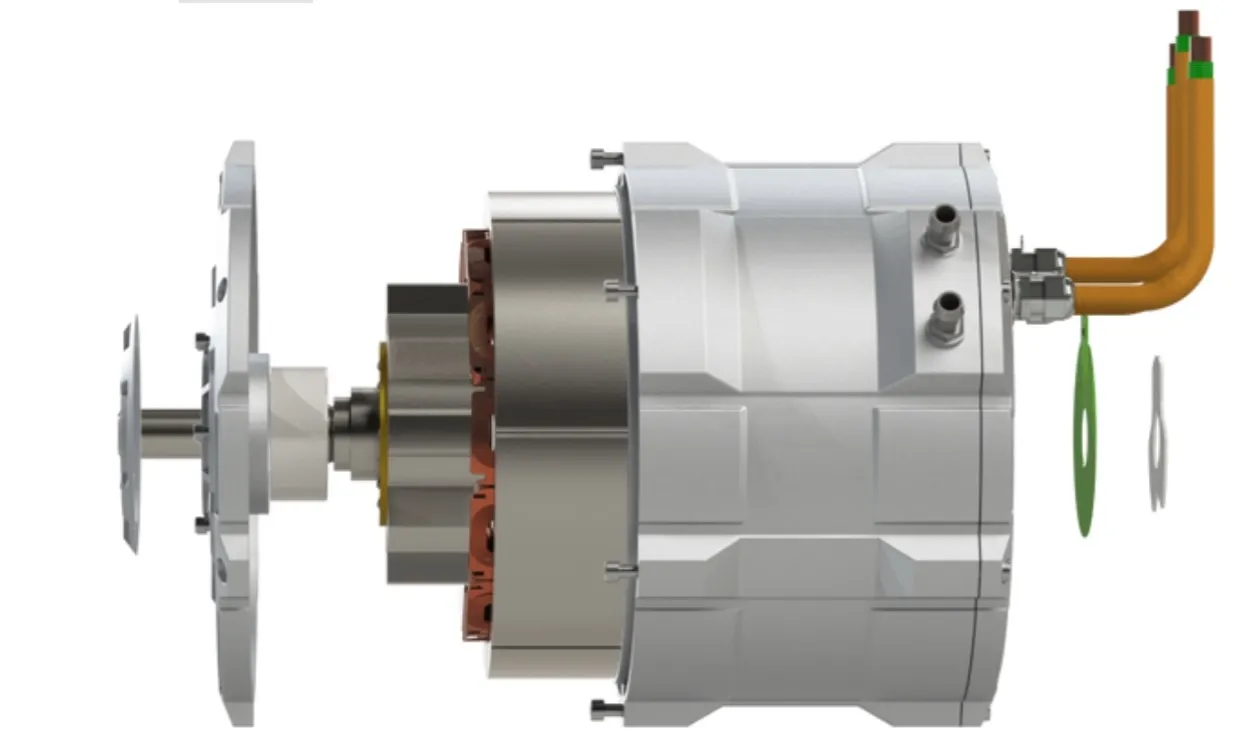
Understanding rare-earth-free motors
Technical analysis of Tesla's rare-earth-free motor strategies, comparing ferrite, electrically-excited synchronous, and induction designs versus permanent-magnet motors.


