Hybrid electric vehicles combine internal combustion engines (ICE) with electric motors to deliver superior efficiency, performance, and emissions control. This integration relies on sophisticated electronic control units (ECUs), motor inverters, and power distribution systems where printed circuit board (PCB) technology plays a decisive role. At Aivon, we engineer high-reliability PCBs that manage the complex interplay between ICE, electric drive, valve timing systems, CVT transmissions, and boosting technologies, ensuring precise control, robust power delivery, and long-term durability under demanding automotive conditions.
Hybrid Drive System Architectures and PCB Implications
Hybrid systems operate in multiple modes - electric-only, engine-only, hybrid, regenerative braking, and charging - requiring seamless transitions managed by centralized or domain-specific controllers.
PCB-level demands include:
- Multi-Domain Processing: Support for powerful MCUs or SoCs handling simultaneous ICE control, motor torque vectoring, and energy management. This necessitates multilayer HDI stack-ups with isolated digital, analog, and power sections to prevent crosstalk.
- High-Speed Communication: CAN FD, Automotive Ethernet, or FlexRay interfaces with tight impedance control and low-jitter clock distribution for real-time coordination between powertrain components.
- Redundant Architectures: Safety-critical functions demand dual or triple redundant circuits and monitoring pathways, increasing routing density and requiring advanced via technologies.
These architectures drive the need for hybrid material constructions that balance high-speed signal integrity with heavy-current power handling.
Power Electronics and Motor Inverter Control
The electric motor in hybrid systems works alongside the ICE, requiring high-efficiency inverters for power conversion.
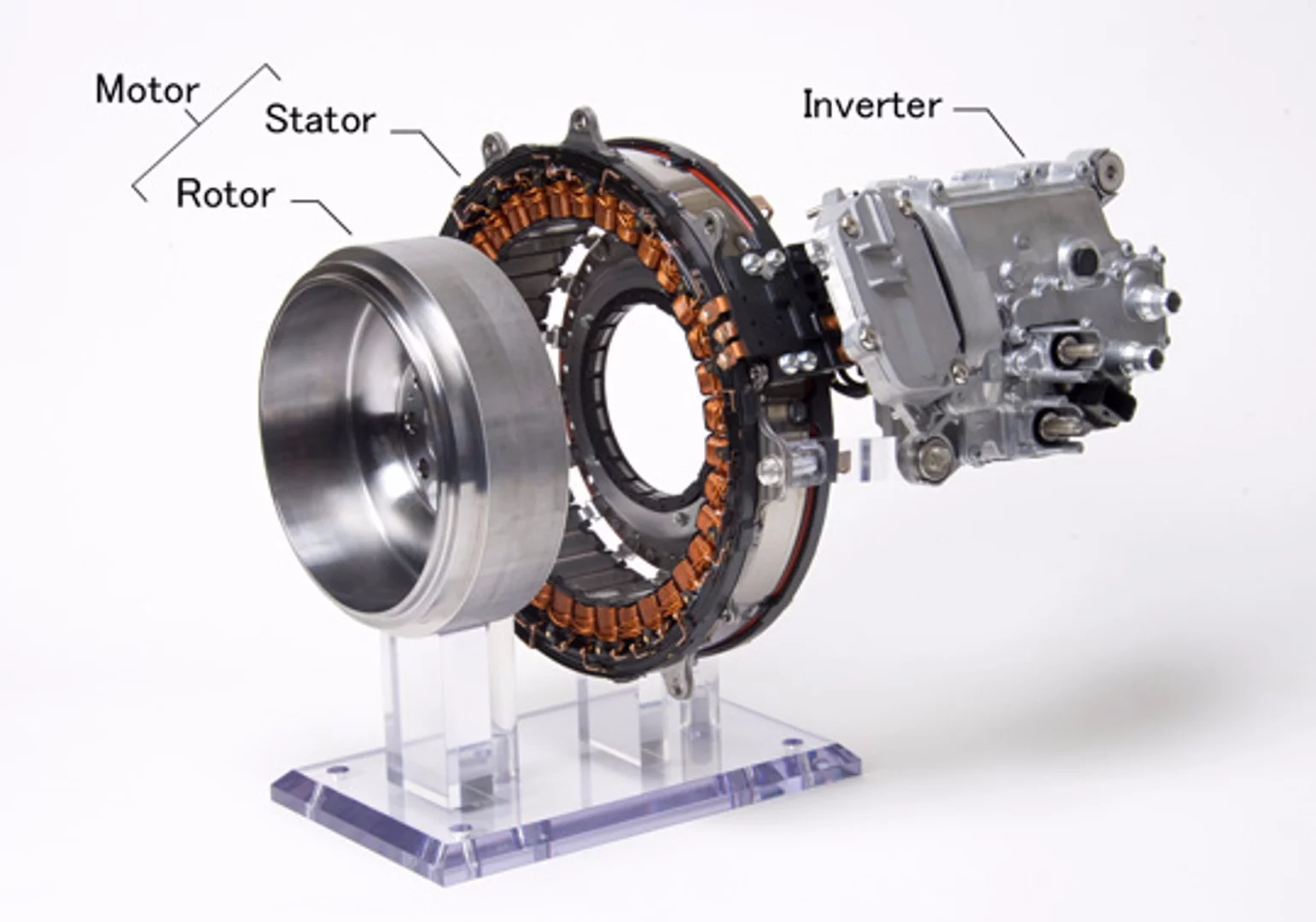
Key PCB engineering considerations:
- High-Current Inverter Stages: Heavy copper PCB layers (3oz+) and optimized bus structures to minimize losses in IGBT or SiC-based inverters during electric assist or regenerative braking.
- Gate Driver Circuits: Fast-switching layouts with minimal parasitic inductance and excellent EMI suppression through ground plane stitching and via fencing.
- Sensor Interfaces: Precise current, voltage, and rotor position sensing with low-noise analog front-ends to enable accurate torque control and smooth mode transitions.
Effective thermal management via thermal vias, copper pours, and metal-core substrates is essential to maintain performance during sustained high-load operation.
Valve Timing Control (VVT, CVVT, DVVT, VVT-i) and Engine Management PCBs
Variable valve timing technologies optimize engine breathing across RPM ranges, improving efficiency and power in hybrid powertrains.
PCB support for VVT systems includes:
- Actuator Control: Precise solenoid or motor driver circuits with high-current capability and fast response times.
- Position Feedback: Clean analog or digital interfaces for camshaft position sensors, requiring excellent signal integrity to maintain timing accuracy.
- Integration with Hybrid Control: Coordinated operation with electric motor assist, demanding synchronized processing and robust power integrity to avoid timing errors during mode switches.
CVT Transmissions and Electronic Control in Hybrids
Japanese manufacturers widely adopt continuously variable transmissions (CVT) for their smooth operation and efficiency in hybrid applications.
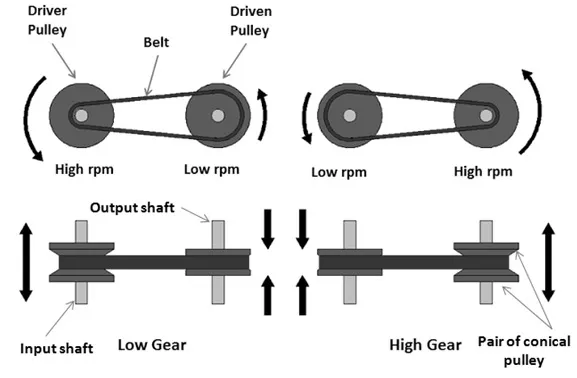
PCB design for CVT control focuses on:
- Ratio Control Actuators: High-precision driver circuits for hydraulic or electric actuators with stable power delivery.
- Sensor-Rich Feedback Loops: Multiple speed, pressure, and temperature sensors routed with low-noise techniques to enable real-time ratio optimization.
- Integration with Hybrid Modes: Seamless blending of CVT ratio changes with electric motor torque fill-in, requiring deterministic communication and power stability.
Turbochargers, Superchargers, and Boost Control Systems
Forced induction systems enhance ICE performance in hybrids, with electronic wastegates and bypass valves providing precise boost control.
PCB contributions include:
- Boost Actuator Drivers: Robust circuits capable of handling solenoid or motor loads with minimal EMI impact on sensitive sensor signals.
- Pressure and Temperature Sensing: High-accuracy analog front-ends for manifold pressure and temperature sensors to optimize boost and prevent knock.
- Coordination with Electric Systems: Intelligent blending of turbo lag compensation using electric motor assist, requiring tight synchronization across the powertrain PCB.
Thermal Management, Reliability, and Manufacturing Considerations
Hybrid powertrains generate complex thermal profiles from ICE, motors, inverters, and batteries.
Advanced PCB solutions address these through:
- Multi-Zone Thermal Design: Localized heat extraction using copper coins, heavy copper planes, and optimized via arrays.
- High-Reliability Materials: High-Tg, low-CTE laminates engineered for wide temperature cycling and vibration resistance.
- Power Integrity: Sophisticated PDNs supporting rapid load changes during mode transitions without voltage instability.
- Automotive-Grade Processes: Enhanced via filling, precise registration, and rigorous testing to mitigate failures such as via cracking, solder fatigue, or dielectric breakdown.
These elements ensure the PCBs withstand the harsh under-hood environment while maintaining signal integrity for safety-critical functions.
Hybrid vehicle powertrains represent one of the most complex integrations in modern automotive engineering. Their efficiency, drivability, and reliability depend fundamentally on the quality of the PCBs that orchestrate engine control, electric drive, valve timing, transmission management, and boosting systems.
Aivon delivers specialized high-power, high-reliability PCB solutions for hybrid vehicle applications. Our expertise in power electronics, signal integrity, thermal management, and automotive manufacturing processes helps OEMs and Tier 1 suppliers achieve superior performance, efficiency, and durability in next-generation hybrid drive systems.