Smartphone Communication Components Explained
Overview of modulation vs. multiplexing and how digital modulation and multiplexing are applied across the smartphone signal chain, from audio conversion to RF transmission.
Consumer Electronics represents a dynamic and essential segment of the electronics industry, encompassing the design, development, and application of printed circuit boards (PCBs) and related technologies in everyday devices. From smartphones and wearables to smart home systems and entertainment gadgets, this category delves into the intricate world of electronics that power modern lifestyles. Our articles provide a comprehensive resource for engineers, designers, and enthusiasts seeking to understand how PCBs enable compact, efficient, and reliable consumer products. Within this category, readers will find a wide array of guides and tutorials that cover fundamental topics such as PCB layout optimization for high-density consumer devices and assembly techniques tailored to mass production. We also offer insights into emerging trends, including the integration of Internet of Things (IoT) capabilities in household appliances and advancements in flexible electronics for wearable tech. Best practices are emphasized throughout, focusing on aspects like thermal management, signal integrity, and compliance with safety standards to ensure devices perform reliably in real-world scenarios. The practical value of exploring Consumer Electronics lies in its direct relevance to innovation and problem-solving. Professionals can apply these concepts to enhance product durability, reduce manufacturing costs, and incorporate sustainable materials, while hobbyists gain hands-on knowledge for personal projects. By addressing technical challenges such as miniaturization and power efficiency, our content bridges theoretical principles with tangible applications, helping you stay ahead in a rapidly evolving field. As you navigate through the posts in this category, you'll uncover detailed analyses of case studies from leading consumer brands and step-by-step approaches to troubleshooting common issues. This collection equips you with the tools and knowledge to tackle complex electronics projects, fostering a deeper appreciation for the technology that surrounds us daily.
Overview of modulation vs. multiplexing and how digital modulation and multiplexing are applied across the smartphone signal chain, from audio conversion to RF transmission.
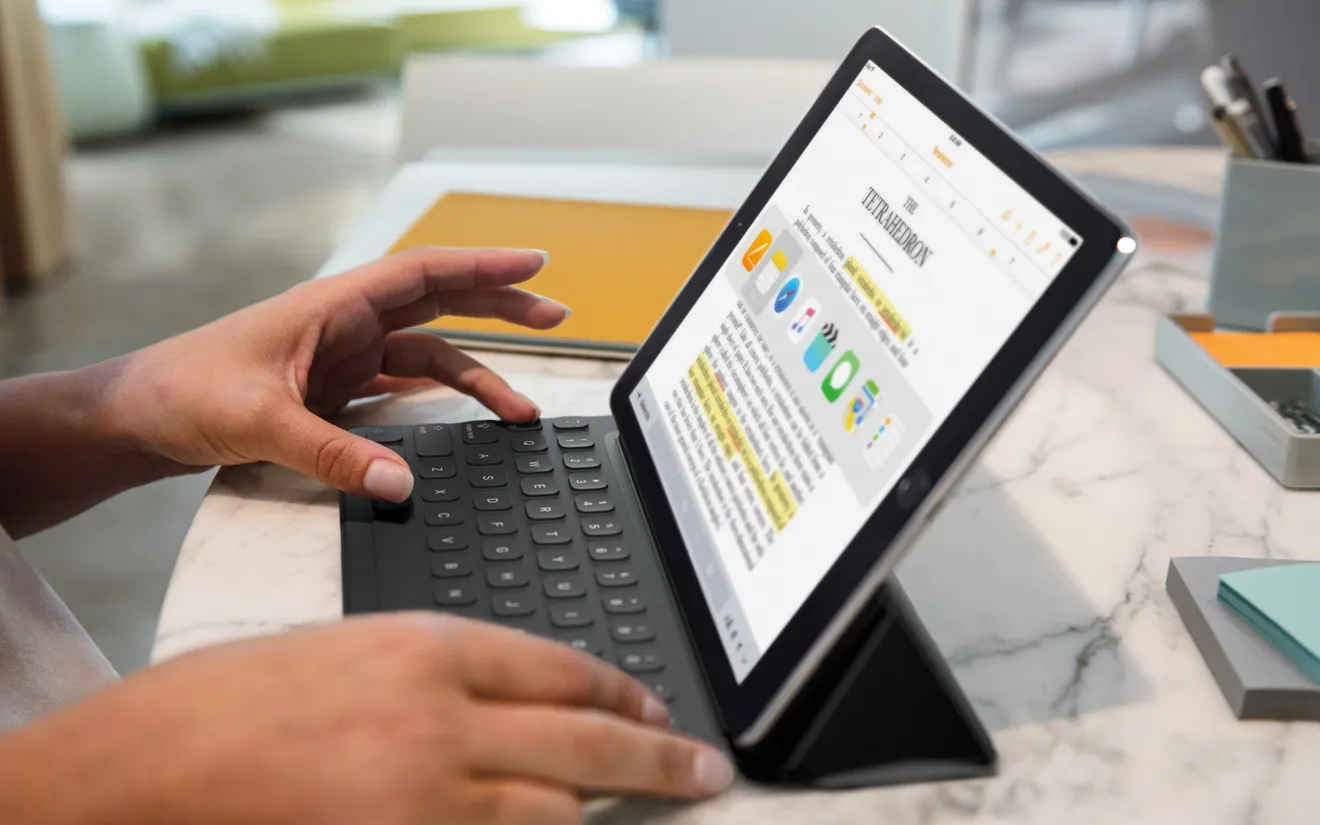
iFixit teardown of the iPad Pro Smart Keyboard examines its nylon exterior and ultra-thin circuit board with conductive layers, plus a brief design comparison.
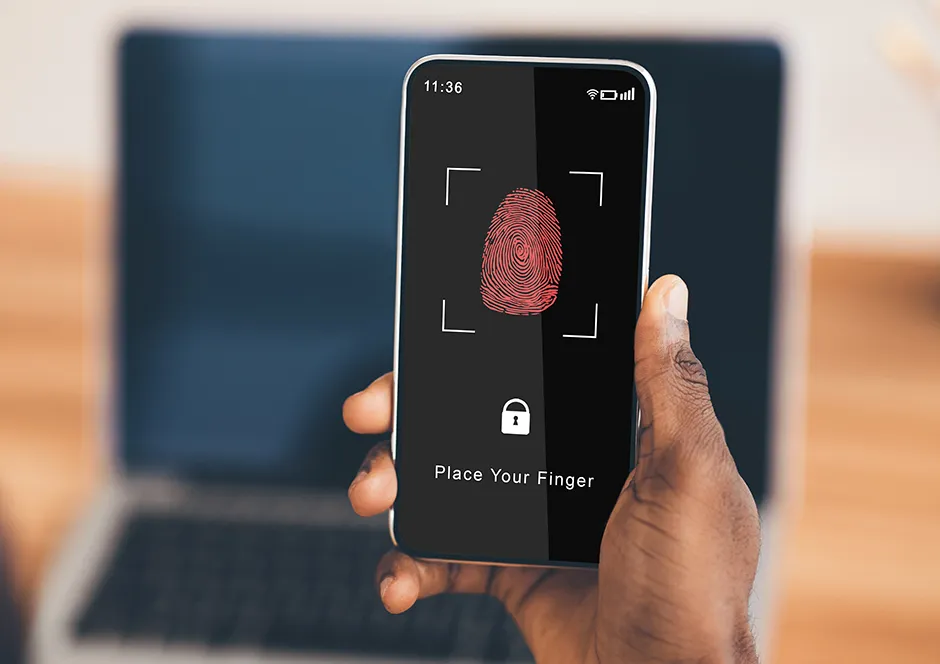
Overview of fingerprint unlock evolution, key module vendors (Goodix, FPC, Synaptics, AuthenTec) and a ten-device test comparing authentication success rates and unlock speed.
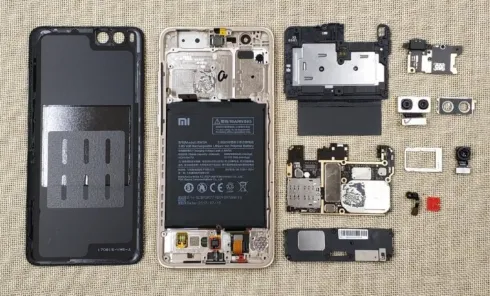
Redmi Note 3 teardown detailing disassembly steps, internal layout, key components (MTK Helio X10, Toshiba eMMC), battery, camera and fingerprint module.
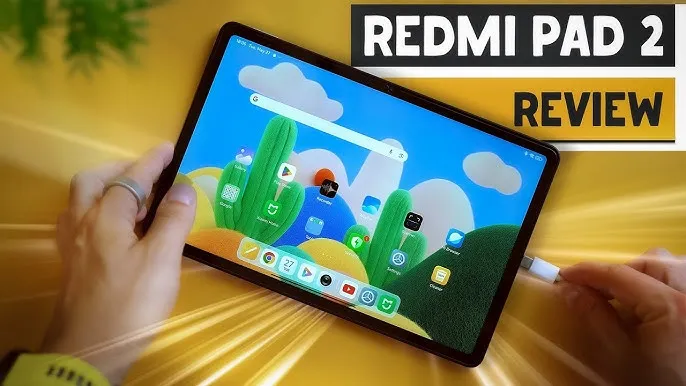
Mi Pad 2 hands-on review: metal 7.9-inch tablet with 2GB RAM and MIUI 7, solid build but limited by Intel x86 compatibility and sparse Android tablet apps.
Analysis of persistent Android lag despite larger RAM, examining memory management, historical design choices, ART/runtime and OEM optimizations affecting responsiveness.
Examines blue light's retinal risks and compares software eye-care modes (color-temperature shift) versus hardware spectral tuning of LED backlights, with practical usage guidance.
Technical summary of brainwave sensor integration with VR, covering implementation challenges, healthcare and education applications, and ethics/privacy considerations.
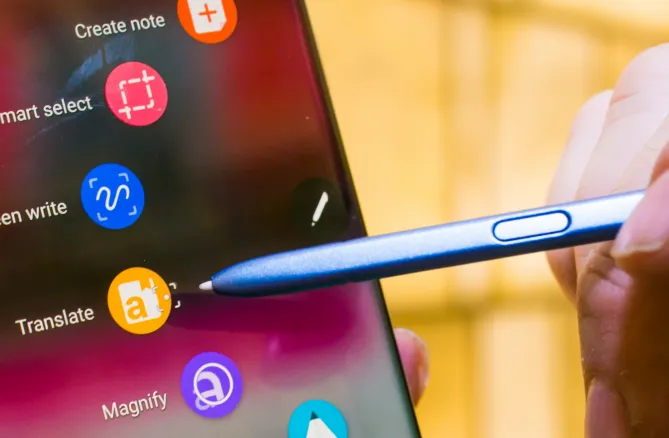
Galaxy Note7 overview: refined S Pen, dual curved display, upgraded body craftsmanship, iris recognition and IP68 water/dust resistance for improved ergonomics.
Technical overview of the Xiaomi Notebook Air (12.5/13.3) covering design, GT940MX performance, thermal behavior, ports, battery life and upgrade options.
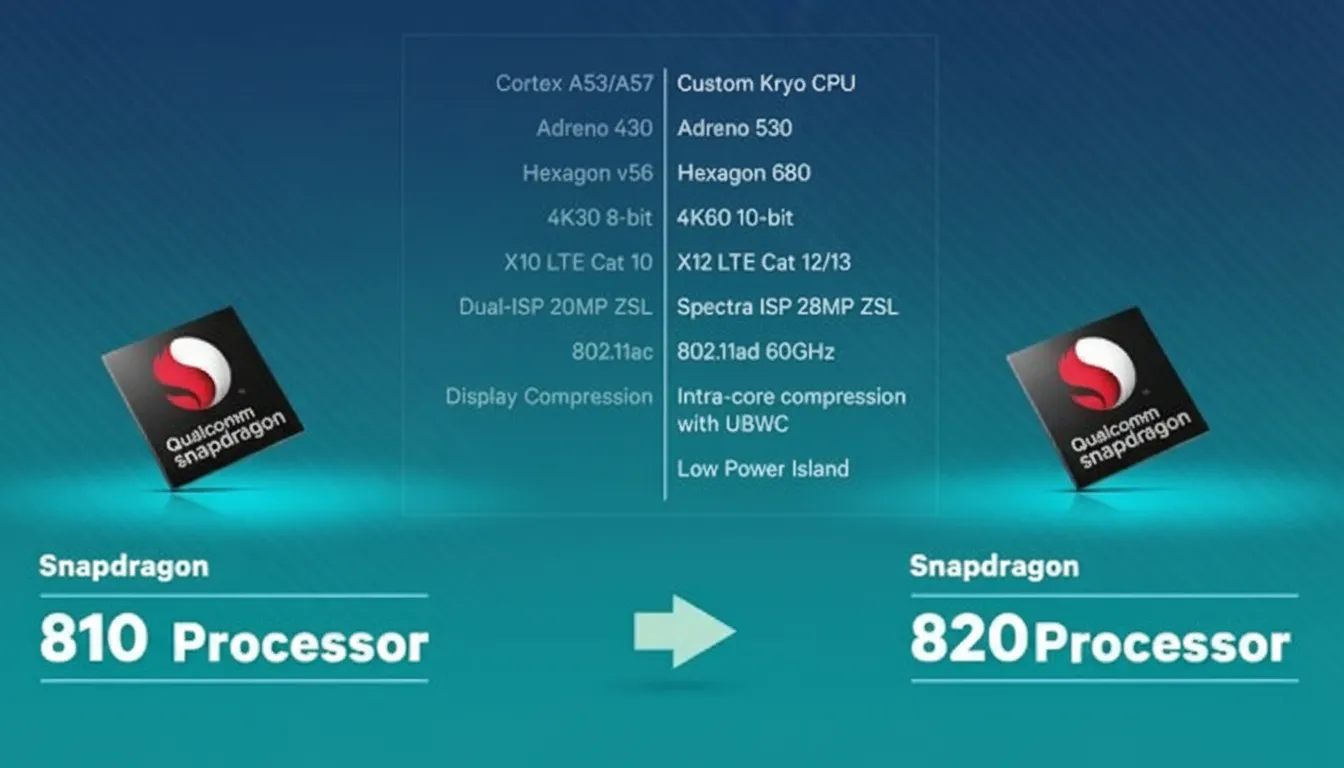
Detailed technical review of the Samsung Galaxy Note7: hardware, Exynos/Snapdragon performance, improved S Pen, IP68, iris recognition and 12 MP Dual Pixel camera.
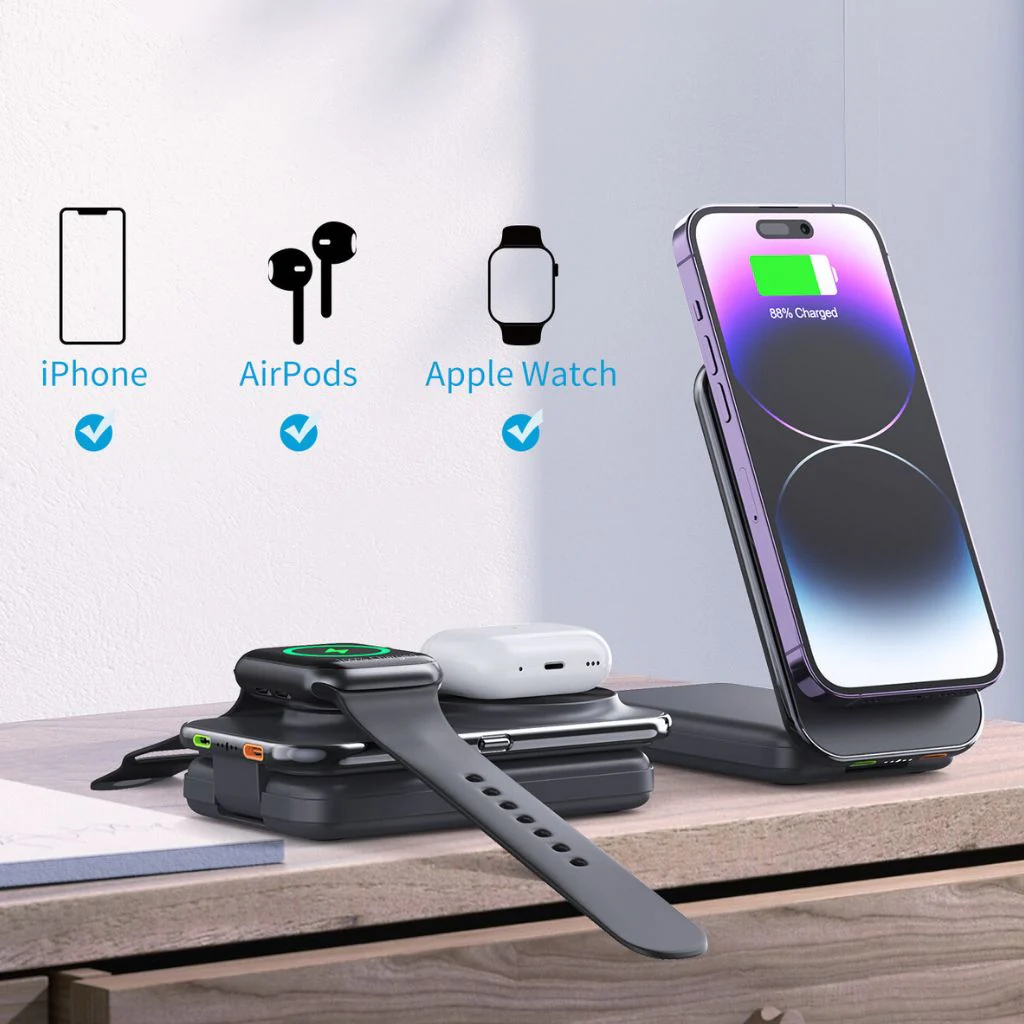
Overview of LIFT, a magnetic levitation wireless charging stand for Apple Watch: aluminum enclosure, ceramic induction, internal battery, LED lamp and Kickstarter launch.