Introduction
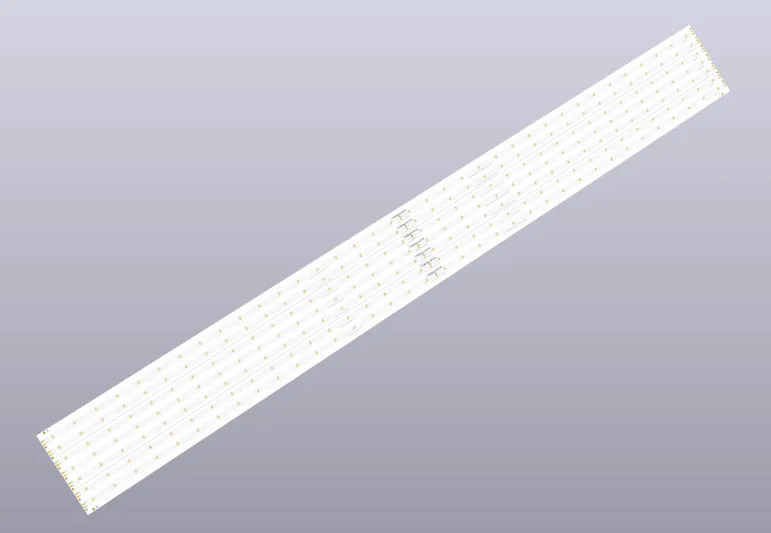
In industrial manufacturing, extra long aluminum PCBs—widely utilized in LED lighting strips, power modules, and linear thermal management systems—present unique fabrication complexities that often trigger Engineering Queries (EQs) during file review. Unlike standard FR4 boards, the combination of an aluminum base and extended dimensions significantly amplifies mechanical stress and thermal expansion behaviors during processing. As a senior PCB manufacturing engineer, I have observed that most EQs stem from a misalignment between standard design practices and the specific physical constraints of metal-core materials. By understanding the common "red flags" in DFM (Design for Manufacturing) early in the design cycle, engineers can preemptively resolve these issues, drastically reducing production delays and boosting final assembly yields.
Why EQs Are Critical for Extra Long PCB Success
Engineering Queries, or EQs, are specific questions raised by the fabrication engineering team when Gerber files, drill data, or stack-up details contain ambiguities that could affect manufacturability or reliability. For extra long aluminum PCBs, these queries are particularly common because the aluminum substrate introduces CTE mismatch considerations, while the extended length increases risks related to panel handling, warpage, and uniform processing. In the factory, unresolved EQs can lead to misaligned features, inconsistent dielectric bonding, or thermal performance shortfalls in the final product. Clarifying them ensures the board meets both design intent and production capabilities without requiring respins. Experience shows that proactive DFM alignment on these aspects minimizes engineering back-and-forth and supports smoother transition to volume manufacturing.
Top 4 Common Causes of EQs in Long Aluminum PCB Manufacturing
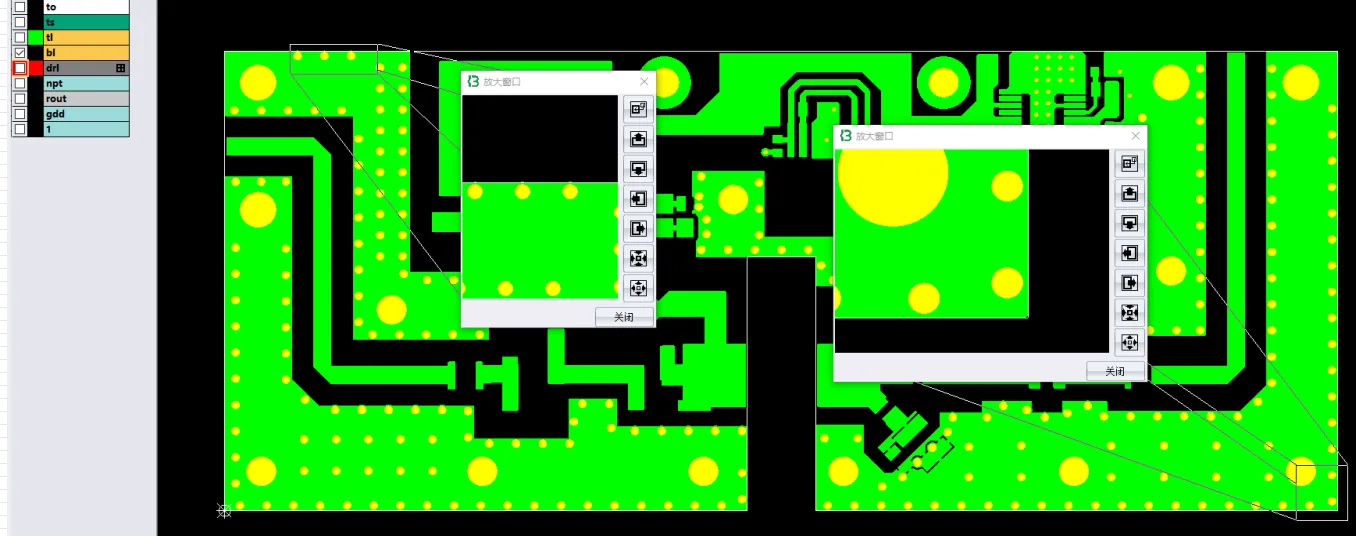
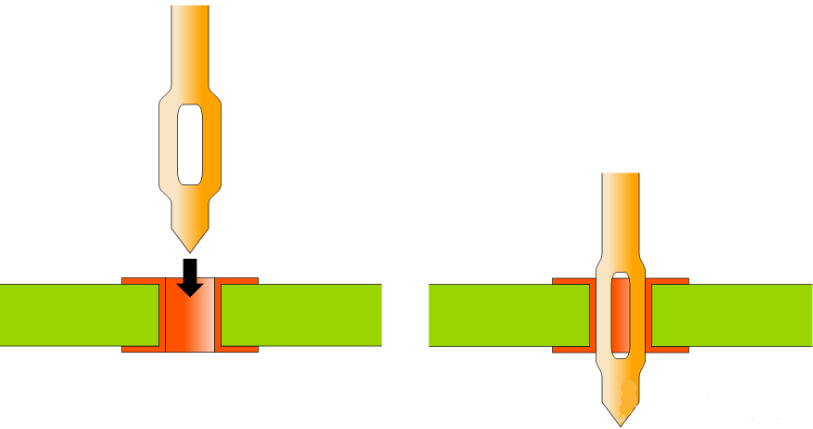
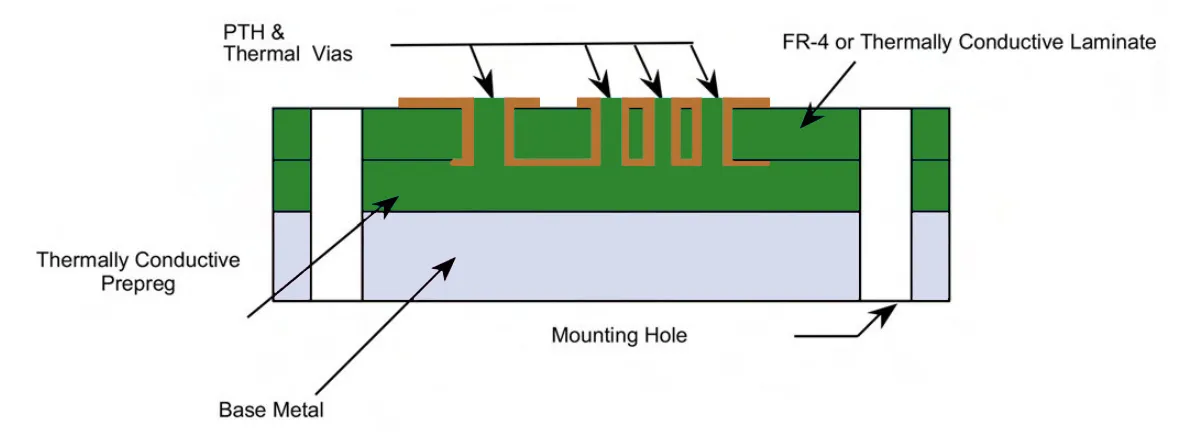
One frequent issue involves insufficient or unclear thermal via placement and attributes in relation to the aluminum base. Designers often specify dense via arrays for heat transfer without indicating whether they should be plated through to the base or insulated, or they provide inconsistent drill sizes that conflict with aspect ratio limits for reliable plating. This happens because thermal management priorities in the schematic stage sometimes overlook the mechanical constraints of drilling into or near the metal core. During engineering review, the CAM team detects this through drill file analysis and DFM checks that flag potential shorting to the aluminum or inadequate hole wall integrity, prompting a clarification request on via type and connection intent. If not resolved, it risks creating electrical shorts to the base, poor thermal conductivity paths, or plating voids that compromise long-term reliability under thermal cycling.
Another common EQ concerns copper balance and distribution across the extended length of the board. In extra long designs, uneven copper pour or trace density from one end to the other can create localized stress points during lamination and etching. The root cause typically lies in circuit layout optimization focused solely on electrical performance without accounting for the aluminum core's rigidity and differing expansion behavior over distance. Factory DFM software and visual panelization review highlight these imbalances as potential sources of bow or twist. Without clarification on acceptable tolerance or suggested balancing fills, there is an elevated risk of warpage that affects component placement accuracy during assembly or leads to delamination in field use.
Solder mask registration and clearance over the aluminum substrate also trigger frequent queries, especially when the board includes exposed aluminum areas for direct heat sinking or mixed surface finishes. Designers may apply standard FR4 mask rules that do not consider the tighter registration tolerances needed on longer panels or the adhesion differences with aluminum. This is detected in the solder mask layer alignment checks during CAM preparation, where offsets or insufficient overlap appear. If left unaddressed, it can result in mask misalignment causing exposed copper oxidation, solder bridging on fine features, or reduced protection in high-humidity environments, directly impacting product durability.
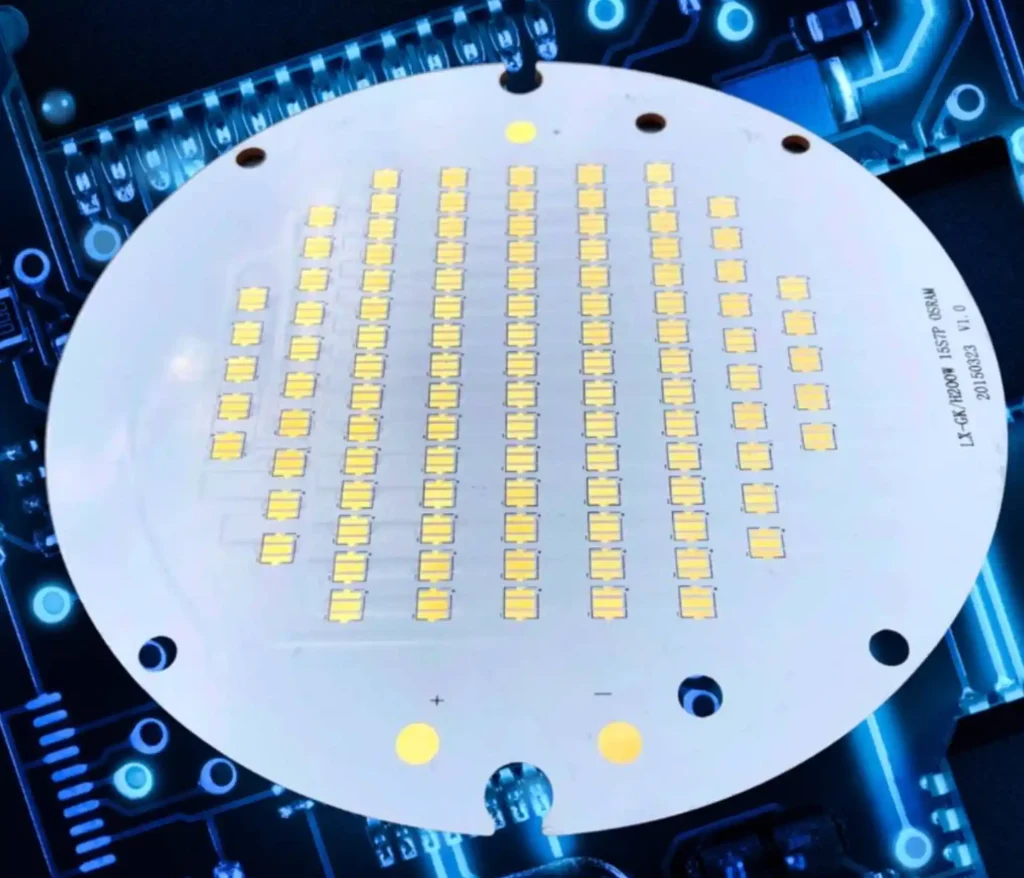
Panelization and routing tab specifications for extra long aluminum PCBs often require clarification as well. The extended dimensions make standard V-scoring or tab routing more challenging due to the stiffness of the aluminum core, and files sometimes lack clear breakaway tab locations or dimensional tolerances for depanelization. This stems from layout tools that treat the board as a simple rectangle without factoring in mechanical stress during routing. Engineering review identifies this through panel layout simulation, requesting confirmation on tab placement and scoring depth. Failure to clarify can lead to cracked aluminum edges, dimensional instability after separation, or handling damage that lowers final assembly yield.
| Issue | Root Cause | Potential Impact if Unresolved |
|---|---|---|
| Thermal Via Placement | Unspecified plating or insulation to aluminum base | Shorts, plating voids, poor heat transfer |
| Copper Distribution | Uneven density over board length | Warpage, delamination during assembly |
| Solder Mask Registration | Standard rules applied to aluminum surface | Misalignment, oxidation, reduced durability |
| Panelization & Tabs | Unclear tab locations and tolerances | Cracked edges, handling damage |
Why These EQ Occur During File Review
During the initial CAM engineering stage, files for extra long aluminum PCBs undergo layered analysis that reveals interactions between the metal core, dielectric layers, and surface features that are less pronounced in shorter or FR4-only boards. The combination of length-induced mechanical leverage with material property differences creates scenarios where small design assumptions amplify into production risks. Factory teams apply experience-based DFM rules that go beyond generic software checks, focusing on how extended dimensions affect uniform pressure in lamination, etchant flow, and drilling stability. These queries arise not from errors per se, but from the need to align designer intent with real process windows that ensure consistent quality across the full board length. In practice, early file review prevents downstream issues that are far costlier to correct once panels enter production.
Best Practices for Designing Reliable Extra Long Aluminum PCBs
To reduce engineering queries, provide a clear stack-up drawing that explicitly defines the aluminum base thickness, dielectric material, and any thermal via configurations with plated or non-plated intent. Include notes on expected operating temperature range and heat dissipation requirements so the factory can validate thermal relief designs against process capabilities. Maintain reasonable copper distribution by adding non-functional balancing elements where electrical performance allows, and verify this through simulation for the full board length. For solder mask, specify minimum overlap on pads and any intentional exposed aluminum zones with precise coordinates. When panelizing, define tab locations, scoring preferences, and handling margins explicitly in the fabrication notes or a separate drawing. Submitting a detailed readme file alongside Gerbers with these clarifications significantly streamlines the review process and demonstrates DFM awareness from the design side.
Conclusion
Extra long aluminum PCBs deliver excellent thermal performance when manufacturing variables are properly addressed from the design stage. The common engineering queries observed in production stem from the interplay of extended dimensions and the unique properties of the aluminum substrate, but they are readily manageable with targeted DFM practices. By understanding these real factory patterns and providing complete, process-aware documentation, designers can achieve higher first-pass success rates and more reliable end products. Consistent application of these insights helps bridge the gap between engineering intent and production reality for this specialized PCB type.
FAQs
Q1: What makes extra long aluminum PCBs more prone to warpage-related EQs than standard boards?
A1: The extended length amplifies any copper imbalance or CTE mismatch effects between the aluminum base and copper layers during thermal processing. Factory review focuses on symmetry across the full dimension to prevent bow that could affect assembly. Providing balanced copper distribution data helps the team confirm suitability without delay.
Q2: How should thermal vias be specified to avoid common clarification requests on aluminum PCBs?
A2: Clearly indicate in the drill file and notes whether vias connect electrically or thermally to the base, along with preferred plating type and any insulation requirements. Include via density rationale tied to power dissipation needs. This allows engineering to verify aspect ratios and plating feasibility against standard processes.
Q3: Why do solder mask issues frequently appear in EQ for extra long aluminum designs?
A3: Longer panels challenge mask alignment precision, and aluminum surface properties differ from FR4 in adhesion and expansion. Standard clearances may not suffice over distance. Specifying exact mask-to-feature overlaps and any exposed areas in the design notes reduces misalignment risks during application.
Q4: Is special panelization always required for extra long aluminum PCBs?
A4: It depends on the final dimensions and handling needs, but clear tab and routing specifications prevent damage during depanelization. The aluminum core's stiffness can cause edge stress if not properly supported. Including a panel drawing or detailed notes ensures the factory selects compatible methods without additional queries.
Q5: What file documentation best prevents multiple rounds of EQ on aluminum PCB orders?
A5: A comprehensive stack-up diagram, material specifications, thermal requirements, and any non-standard features noted upfront. Combining this with a short explanation of critical performance aspects allows the engineering team to address potential issues in one review cycle rather than through iterative questions.
References
IPC-6012E — Qualification and Performance Specification for Rigid Printed Boards. IPC, 2017
IPC-6013D — Qualification and Performance Specification for Flexible Printed Boards. IPC, 2017