Introduction
In the fast-paced world of electronics development, PCB prototypes serve as the foundational step toward production-ready designs. Electrical engineers must prioritize PCB compliance from the outset to mitigate risks associated with regulatory standards. Non-compliance can lead to redesigns, delays, and market entry barriers, especially when targeting global markets. Key regulations such as RoHS, REACH, UL certification, IPC standards, and CE marking directly influence material choices, manufacturing processes, and testing protocols. This guide provides a structured overview tailored for engineers, focusing on practical integration during prototyping. By embedding compliance strategies early, teams can streamline transitions to volume manufacturing while upholding safety and environmental responsibilities.
Why PCB Compliance Matters for Prototypes
PCB prototypes often reveal design flaws, but they also set the tone for regulatory adherence. Compliance ensures that prototypes align with end-product requirements, avoiding costly iterations later. For instance, overlooking RoHS during prototyping might necessitate material swaps post-assembly, inflating timelines. Engineers face pressures from supply chains demanding verified compliance documentation before scaling. In high-reliability applications like automotive or medical devices, standards such as UL certification become non-negotiable for safety validation. Ultimately, proactive PCB compliance fosters trust with stakeholders and accelerates time-to-market.
Factory-driven insights reveal that prototypes non-compliant with REACH can trigger substance audits, halting progress. Electrical engineers benefit from understanding these standards' interplay with design rules, such as trace spacing and layer stackups. Market access hinges on CE marking for European sales, where prototypes must demonstrate directive conformity. Ignoring IPC standards risks quality rejects during fabrication reviews. Compliance at the prototype stage minimizes scrap rates and supports iterative improvements grounded in verifiable processes.
Key Regulatory Standards for PCB Prototypes
RoHS Compliance
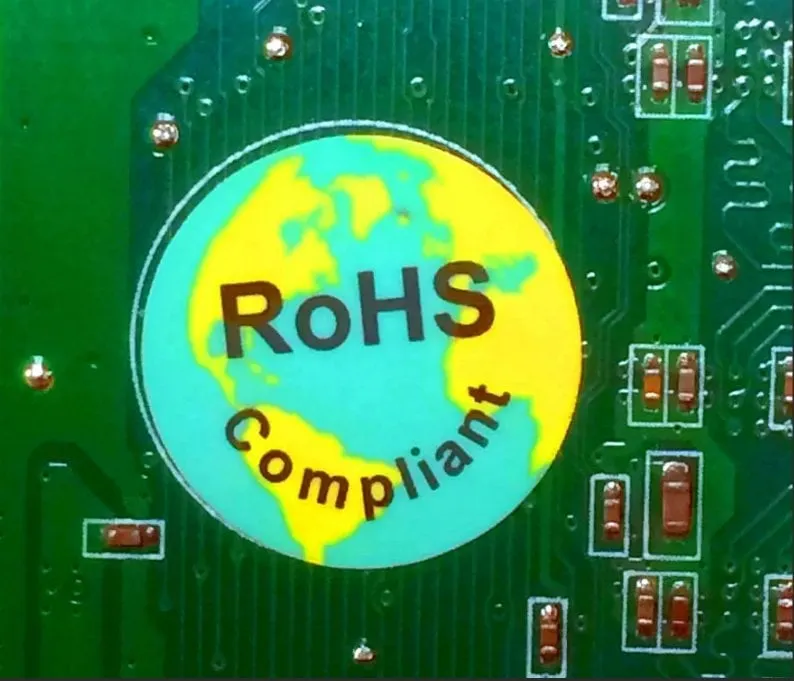
RoHS, or Restriction of Hazardous Substances, mandates limits on materials like lead, mercury, and cadmium in electrical equipment. For PCB prototypes, this translates to selecting lead-free finishes and halogen-free laminates from the design phase. Engineers must verify component datasheets for RoHS declarations to prevent homogeneous material contamination. Prototyping facilities often provide RoHS-compliant processes, but custom designs require explicit specifications. Non-compliance exposes prototypes to recycling restrictions and import bans in regulated regions. Integrating RoHS checks via material content reports ensures seamless progression to assembly.
REACH Compliance
REACH governs the registration, evaluation, authorization, and restriction of chemicals across the EU supply chain. Unlike RoHS's focus on electronics, REACH encompasses over 200 substances of very high concern, impacting PCB resins, solders, and coatings. Prototype developers should request supplier SVHC declarations to identify risks early. This regulation demands ongoing monitoring, as candidate lists evolve, affecting prototype iterations. Electrical engineers can mitigate issues by prioritizing REACH-registered materials during sourcing. Compliance documentation from prototypes forms the backbone for full product dossiers.
UL Certification Essentials
UL certification validates PCB safety through rigorous testing for flammability, electrical insulation, and mechanical strength. Standards like UL 796 outline requirements for rigid and flexible boards, guiding prototype material selections. Engineers specify UL-recognized laminates to expedite certification paths. Prototype testing involves mark certification files that confirm compliance for production scaling. This certification reassures end-users of fire and shock hazards mitigation. For prototypes destined for enclosed assemblies, UL file numbers streamline regulatory submissions.
IPC Standards in Prototyping
IPC standards provide benchmarks for PCB quality and performance, crucial for prototype reliability. IPC-6012 defines qualification for rigid printed boards, influencing layer alignment and plating thickness in prototypes. [[1]](https://www.mclpcb.com/blog/ipc-standards-for-pcbs) [[2]](https://www.protoexpress.com/blog/ipc-2221-circuit-board-design) Engineers reference these during design reviews to ensure fabricability. Prototype panels often incorporate IPC class 2 or 3 criteria, balancing cost with performance. Adherence reduces defects like delamination under thermal stress.
CE Marking Requirements
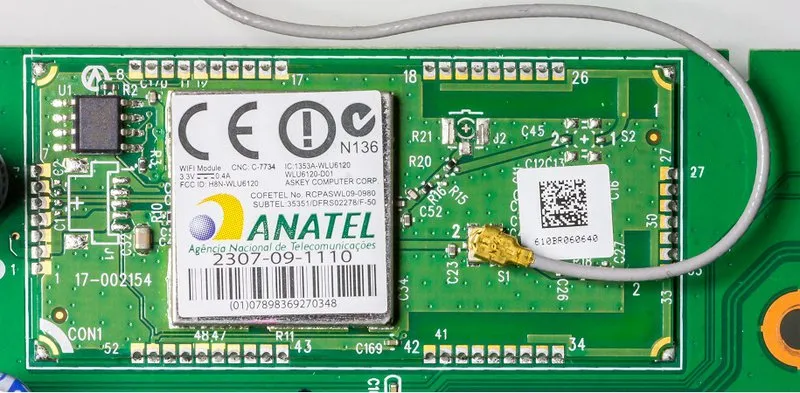
CE marking signifies conformity with EU directives, including Low Voltage Directive and RoHS. For PCB prototypes, it requires technical files demonstrating electromagnetic compatibility and safety. Engineers compile risk assessments and test reports during prototyping. Self-certification applies to many categories, but prototypes must mirror final assemblies. This marking unlocks European markets, demanding prototype validation against harmonized standards. Documentation from compliant prototypes supports Declaration of Conformity issuance.
Best Practices for Achieving Compliance in Prototypes
Start with material selection by cross-referencing datasheets against RoHS and REACH lists. Specify finishes like ENIG or OSP for lead-free compatibility, and request factory process controls. Incorporate design for compliance, such as wider clearances for UL flammability ratings. Prototype iterations should include incoming inspections for IPC criteria, using automated optical inspection where feasible. Maintain a compliance matrix tracking standards per layer and component. Collaborate with fabricators experienced in multi-standard prototypes to align on test protocols.
Testing regimes form the core of verification. Conduct thermal cycling and humidity exposure to simulate operational stresses, aligning with IPC performance specs. For UL, prepare coupon panels for independent lab submission. REACH compliance benefits from XRF screening for substance detection. Document everything in a prototype dossier, including Gerber files with compliance notes. This factory-aligned approach ensures prototypes are production precursors, not roadblocks.
Digital tools aid compliance tracking without overcomplicating workflows. Bill of materials should flag regulated items, triggering supplier audits. Simulate reflow profiles to confirm RoHS solderability. For CE, model EMC behavior early via stackup optimization. Regular audits against evolving regulations keep prototypes current. These practices, rooted in standard-aligned processes, empower engineers to deliver compliant hardware efficiently.
Common Challenges and Troubleshooting in Prototype Compliance
Prototype volumes limit economies for full certification, yet partial compliance suffices for validation. Supply chain opacity challenges REACH declarations; resolve by qualifying multiple vendors. Thermal mismatches in lead-free processes cause warpage, addressed via controlled cooling ramps. UL file mismatches arise from unlisted materials, fixed by pre-submission reviews. IPC non-conformances like via fill issues stem from aggressive designs, mitigated by DFM checks. Troubleshooting involves root cause analysis, often revealing specification gaps.
Case insights from factory floors highlight iterative testing's value. A prototype failing CE EMC due to unshielded traces prompted ground plane revisions. RoHS exemptions for high-temp solders require justification dossiers. Engineers troubleshoot by prioritizing high-risk standards first, then layering others.
Conclusion
Ensuring PCB compliance during prototyping demands a systematic approach integrating RoHS, REACH, UL certification, IPC standards, and CE marking. Electrical engineers gain efficiency by embedding these from design through testing. Factory-driven best practices minimize risks, supporting reliable scaling. Proactive compliance not only meets regulatory demands but elevates product integrity. Prioritize documentation and vendor alignment for prototypes that propel projects forward.
FAQs
Q1: What role does IPC standards play in PCB compliance for prototypes?
A1: IPC standards like IPC-6012 establish fabrication and performance benchmarks, ensuring prototypes meet quality thresholds for reliability. Engineers use them to specify class levels, reducing defects in early builds. This alignment facilitates smooth transitions to production while upholding industry norms. Factory processes verify compliance via inspections.
Q2: How do RoHS and REACH affect PCB prototype material choices?
A2: RoHS restricts hazardous substances in solders and finishes, pushing lead-free options for prototypes. REACH broadens this to SVHCs in laminates and coatings, requiring supplier declarations. Engineers select compliant materials early to avoid redesigns. Compliance testing confirms homogeneity across assemblies.
Q3: Is UL certification necessary for all PCB prototypes?
A3: UL certification focuses on safety for applications like power supplies, not all prototypes. Engineers pursue it for high-risk designs using UL-recognized materials. Prototype coupons support file extensions, easing full certification. It enhances market credibility without universal mandates.
Q4: What steps ensure CE marking readiness in PCB prototypes?
A4: CE marking demands prototype conformity to EU directives via technical files and tests. Include EMC simulations and safety margins in designs. Document RoHS/REACH integration for declarations. Prototypes mirroring finals streamline self-certification processes.
References
IPC-6012E — Qualification and Performance Specification for Rigid Printed Boards. IPC, 2017
IPC-A-600K — Acceptability of Printed Boards. IPC, 2020
J-STD-001H — Requirements for Soldered Electrical and Electronic Assemblies. IPC, 2020
ISO 9001:2015 — Quality Management Systems. ISO, 2015