Introduction
The electronics industry faces increasing pressure to reduce its environmental footprint, with printed circuit boards (PCBs) representing a significant source of electronic waste due to their complex composition and limited recyclability. Renewable PCB materials, derived from plant-based sources and biodegradable polymers, offer a pathway to sustainability by replacing petroleum-derived substrates like epoxy-glass laminates. However, transitioning these materials from laboratory prototypes to full-scale fabrication plants presents substantial renewable PCB materials manufacturing challenges. Engineers must balance ecological benefits with the rigorous demands of reliability, performance, and cost in production environments. This article explores the technical hurdles, strategies, and best practices for scaling bio-based PCB production, providing factory-driven insights for electrical engineers evaluating sustainable options. By addressing these issues head-on, the industry can move toward cost-effective renewable PCB materials without compromising functionality.
Why Renewable Materials Matter for PCBs
Traditional PCB substrates rely on non-renewable resources that contribute to high carbon emissions during extraction, processing, and disposal. Renewable alternatives, such as bio-based polymers and natural fiber composites, decompose naturally or support closed-loop recycling, aligning with global sustainability goals. For electrical engineers, these materials promise reduced lifecycle impacts while maintaining essential electrical insulation and mechanical support. Yet, their adoption hinges on proving equivalence in key metrics like dielectric properties and thermal stability under operational stresses. The relevance intensifies in high-volume applications, where scaling bio-based PCB production becomes critical to meet demand without inflating costs. Factory perspectives emphasize that sustainable shifts not only mitigate regulatory risks but also future-proof supply chains against resource scarcity.
Core Components of Renewable PCB Materials
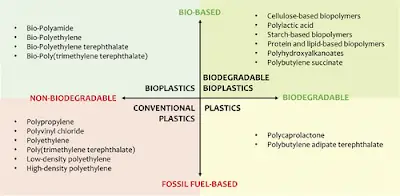
Renewable PCB materials primarily consist of bio-polymers like polylactic acid (PLA) derived from corn starch or sugarcane, polyvinyl alcohol (PVA), and cellulose from wood pulp or cotton. These serve as matrix materials reinforced with natural fibers such as flax, hemp, jute, or banana fibers to enhance structural integrity. Bio-epoxy resins from plant oils or lignin provide binding properties similar to conventional epoxies, enabling laminate formation through processes like compression molding or hot pressing. Electrical performance relies on low dielectric constants around 4 to 5 and minimal dissipation factors, often comparable to standard substrates. Thermal characteristics, however, pose initial limitations, with glass transition temperatures typically lower, necessitating additives for improved heat resistance. Factory engineers prioritize materials that support standard copper cladding and patterning while ensuring compatibility with downstream processes.
Technical Mechanisms Behind Material Performance
The efficacy of renewable materials stems from their composite structure, where natural fibers distribute loads and polymers provide insulation. Interfacial bonding between fibers and matrix, enhanced by chemical treatments like silane coupling or acetylation, minimizes voids and improves mechanical strength. Electrical insulation arises from the inherent low conductivity of bio-polymers, with volume resistivities often exceeding requirements for signal integrity. Thermal management involves balancing decomposition temperatures, typically around 250 to 300 degrees Celsius, against processing needs. Flame retardancy requires phosphorus-based or intumescent additives to achieve vertical burn ratings without halogens. These mechanisms must align with established qualification protocols to ensure reliability in multilayer boards.
Manufacturing Challenges in Scaling Production
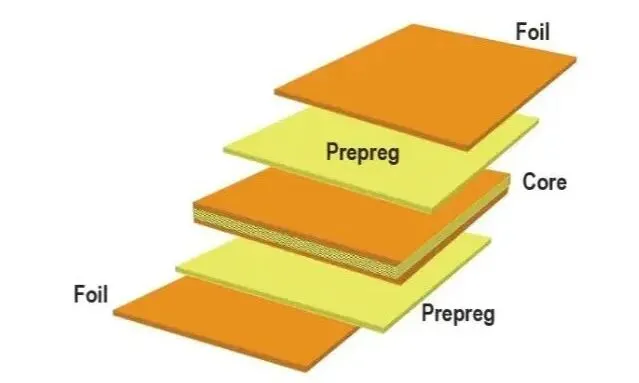
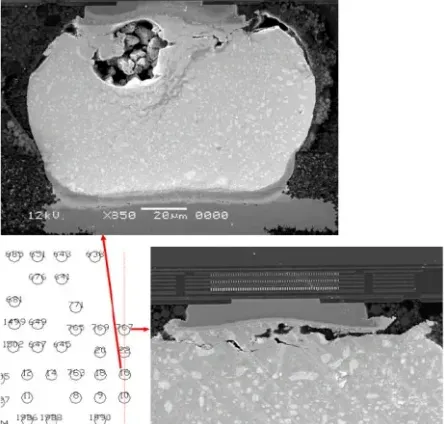
Scaling bio-based PCB production encounters variability in raw material sourcing, as natural fibers exhibit batch-to-batch inconsistencies due to growth conditions and harvesting. Purification of bio-resins demands energy-intensive steps to remove impurities that could degrade dielectric properties during lamination. Prepreg fabrication, essential for multilayer stacks, struggles with moisture absorption in hydrophilic fibers, leading to delamination risks under heat and pressure. Drilling and plating processes face issues like fiber pull-out or microfractures, requiring optimized parameters such as lower feed rates and specialized coatings. Cost-effective renewable PCB materials remain elusive, with production expenses 2 to 3 times higher than conventional options due to limited economies of scale. Factory trials reveal that pilot lines often yield lower throughput, amplifying renewable PCB materials manufacturing challenges.
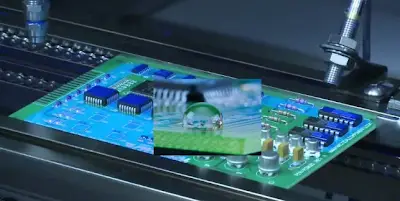
Supply chain bottlenecks exacerbate these issues, as sourcing sustainable PCB materials involves securing consistent volumes of agricultural byproducts without compromising food production. Hybrid formulations blending bio-materials with minimal synthetic reinforcements help bridge performance gaps but introduce complexity in formulation stability. Achieving uniformity across large panels demands advanced quality controls, including non-destructive testing for voids. Thermal instability during reflow soldering further complicates assembly integration. Engineers must iterate through extensive validation to match industry benchmarks.
Overcoming Cost and Scalability Barriers
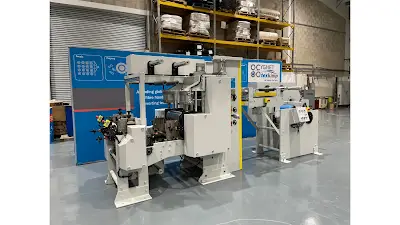
To achieve cost-effective renewable PCB materials, factories adopt hybrid composites that incorporate 50 to 70 percent bio-content while retaining synthetic elements for critical properties. Process innovations like roll-to-roll extrusion for sheet formation enable continuous production, reducing per-unit costs as volumes increase. Surface modifications, such as hydrophobic coatings or nanofiller additions, mitigate moisture issues, allowing compatibility with existing etchants and platings. Pilot scaling involves incremental capacity builds, starting with low-complexity single-layer boards before advancing to multilayers. Collaborative sourcing networks stabilize supply by aggregating demand from multiple fabricators. These steps address core renewable PCB materials manufacturing challenges, paving the way for broader adoption.
Best Practices for Factory Implementation
Implement rigorous material qualification per IPC-6012E standards to verify performance specifications for rigid boards, ensuring bio-based laminates withstand thermal cycling and mechanical stresses. Conduct acceptability inspections aligned with IPC-A-600K criteria, focusing on surface quality, plating adhesion, and dimensional stability post-processing. Optimize drilling with carbide tools at reduced speeds to prevent fiber damage, followed by plasma desmearing for clean vias. For assembly, select low-temperature soldering profiles to accommodate lower glass transition points, while monitoring coefficient of thermal expansion mismatches. Establish closed-loop feedback from production data to refine formulations iteratively. These practices support industrial application of renewable PCBs in sectors like wearables and sensors.
Insights from Factory Scaling Transitions
Factory-driven insights highlight the value of phased prototyping, where lab-scale compression-molded panels transition to semi-automated hot presses for validation. Early integration of life cycle assessments identifies hotspots like energy use in resin synthesis, guiding greener alternatives. Hybrid pilot runs demonstrate that treated flax-PLA composites achieve flexural strengths sufficient for flexible applications, with dielectric losses low enough for frequencies up to several gigahertz. Troubleshooting common delamination involves pre-baking panels to control moisture below 0.5 percent. Successful transitions emphasize cross-functional teams combining material scientists and process engineers. Such approaches realize scaling bio-based PCB production without excessive downtime.
Conclusion
Scaling renewable material production for PCBs demands overcoming material inconsistencies, processing incompatibilities, and economic hurdles through targeted innovations and rigorous testing. By leveraging hybrids, optimized processes, and standard-compliant validation, engineers can deploy cost-effective renewable PCB materials in practical applications. Factory perspectives underscore the feasibility of this shift, promising reduced environmental impacts alongside reliable performance. As supply chains mature, industrial application of renewable PCBs will expand, benefiting the entire electronics ecosystem. Electrical engineers play a pivotal role in driving this evolution from lab concepts to fab realities.
FAQs
Q1: What are the primary renewable PCB materials manufacturing challenges when scaling from lab to production?
A1: Key challenges include supply chain variability for natural fibers, higher moisture absorption leading to delamination, and elevated costs from limited production volumes. Bio-based resins require precise purification to ensure consistent dielectric properties, while thermal stability often falls short of demands for high-reliability boards. Factories address these through hybrid formulations and process tweaks, aligning with qualification standards for viable scaling bio-based PCB production.
Q2: How can engineers source sustainable PCB materials for cost-effective production?
A2: Sourcing involves partnering with agricultural byproduct suppliers for fibers like flax or hemp, ensuring traceability and quality specs for dielectric and mechanical properties. Evaluate bio-polymers like PLA for compatibility with lamination presses, prioritizing treated variants to reduce hygroscopicity. Bulk aggregation across fabricators lowers costs, while pilot testing verifies performance. This approach supports cost-effective renewable PCB materials without disrupting existing workflows.
Q3: What performance considerations apply to industrial application of renewable PCBs?
A3: Renewable PCBs suit low-to-medium power uses like IoT sensors, offering comparable electrical insulation but requiring flame-retardant additives for safety ratings. Engineers must validate thermal cycling resistance and signal integrity, especially in flex designs. J-STD-020 guidelines help classify moisture sensitivity, ensuring assembly reliability. These materials excel in short-lifecycle products, advancing sustainable designs.
Q4: Are bio-based laminates compatible with standard PCB fabrication equipment?
A4: Partial compatibility exists, with adjustments needed for lower curing temperatures and specialized drilling to avoid fiber damage. Compression molding works for prototypes, scaling to roll-to-roll for efficiency. Pre-treatments enhance plating adhesion, maintaining yield rates close to conventional processes. Factories report success in hybrids meeting IPC criteria after optimization.
References
IPC-6012E — Qualification and Performance Specification for Rigid Printed Boards. IPC, 2017
IPC-A-600K — Acceptability of Printed Boards. IPC, 2020
J-STD-020E — Moisture/Reflow Sensitivity Classification. JEDEC, 2014