Introduction
The electronics industry faces increasing pressure to adopt sustainable practices, including the incorporation of recycled materials into printed circuit boards. Recycled plastics, resins, and metals offer potential benefits such as reduced resource consumption and lower environmental impact during production. However, engineers must navigate a complex landscape of PCB recycling regulations to ensure legal compliance and material safety. Failure to address these regulations can lead to product recalls, legal penalties, or performance issues in assemblies. This article explores the key regulations, technical considerations, and best practices for integrating recycled materials into PCBs while maintaining high standards of reliability and safety. Factory-driven insights emphasize the importance of rigorous testing and documentation throughout the supply chain.

Understanding PCB Recycling Regulations and Their Importance
PCB recycling regulations primarily stem from global directives aimed at minimizing hazardous materials in electronics. Directives like RoHS restrict substances such as lead, mercury, cadmium, and certain flame retardants in all PCBs, regardless of material origin. Recycled materials introduce unique challenges because prior use may result in unintended contaminants that exceed these limits. Environmental compliance for PCBs requires verifying that recycled content meets the same thresholds as virgin materials. These regulations matter for electric engineers because non-compliance can compromise solder joint integrity, thermal performance, and long-term reliability in applications from consumer devices to automotive systems. Adhering to them also supports broader sustainability goals without sacrificing quality.
REACH, another critical framework, mandates registration, evaluation, and authorization of chemicals, including those in recycled feedstocks. It addresses substances of very high concern that could leach from recycled plastics during PCB fabrication or end-use. WEEE complements these by promoting recycling at end-of-life, indirectly influencing material selection upstream. Engineers must consider how recycled copper foils or epoxy resins align with these rules to avoid supply chain disruptions. Factory experience shows that proactive compliance reduces waste and rework, ensuring PCBs perform consistently under IPC qualification tests.
Technical Mechanisms Behind Material Safety in Recycled PCBs
Recycled materials for PCBs, such as glass-reinforced epoxies or copper from scrap, undergo processing that can alter their chemical composition. Mechanical shredding and melting may concentrate impurities like heavy metals or halogens if not properly segregated. Hazardous materials in PCBs become a concern when recycling streams mix e-waste categories, potentially introducing brominated compounds above regulatory limits. Factory processes must include spectroscopic analysis to detect these at parts-per-million levels. Material safety hinges on achieving uniform dielectric properties and thermal stability comparable to standard laminates. Variations in recycled content can affect glass transition temperature, leading to warpage or delamination during reflow soldering.
IPC-4101 provides specification guidelines for base materials, which apply equally to recycled variants. Engineers evaluate moisture absorption and Z-axis expansion to ensure compatibility with assembly processes. Contaminant risks from recycled metals include residual fluxes or plating chemicals that degrade etch resistance. Safety protocols involve batch testing for ionic contamination per IPC-TM-650 methods. These mechanisms ensure recycled materials support high-layer-count boards without compromising signal integrity. Understanding these principles allows engineers to select feedstocks that meet both performance and regulatory demands.

Key Regulations for Environmental Compliance in PCBs
Several regulations govern the use of recycled materials, focusing on preventing reintroduction of banned substances. RoHS sets maximum concentration values for six restricted substances, requiring full material declarations from suppliers. For recycled plastics, this means verifying no cross-contamination from non-compliant legacy equipment. REACH expands this to over 200 substances, demanding safety data sheets for all inputs. PCB regulations extend to conflict minerals reporting under Dodd-Frank, though less directly tied to recycling. Electric engineers must integrate these into design reviews to flag potential issues early.
ISO 14001 certification guides environmental management systems in factories, ensuring recycling processes minimize emissions and waste. Compliance involves lifecycle assessments from raw recycled input to finished board. Hazardous materials PCBs are scrutinized through XRF screening at incoming inspection. These regulations promote traceability, with digital passports tracking recycled content percentages. Factory insights reveal that dual-sourced materials, blending virgin and recycled, often balance compliance with cost. Engineers benefit from standardized test protocols that validate safety across global markets.
Practical Best Practices for Legal and Safe Implementation
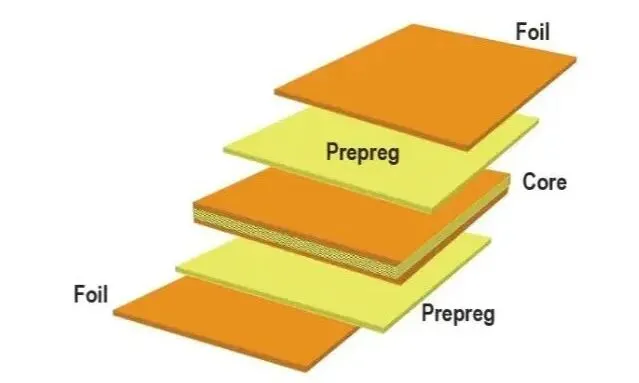
Start with supplier qualification, demanding certificates of conformance for recycled materials aligned with RoHS and REACH. Conduct incoming inspections using techniques like FTIR spectroscopy for resin identification and ICP-MS for metal purity. Establish qualification flows per IPC-6012, including thermal cycling and reliability stress tests on prototype panels. Document everything in a compliance matrix, linking material lots to test results. Collaborate with laminators experienced in recycled grades to optimize press cycles and avoid voids. These steps ensure PCBs with recycled content pass functional and environmental tests reliably.
For assembly, verify that recycled base materials withstand lead-free reflow profiles without excessive copper dissolution. Implement design rules limiting recycled content in high-reliability zones, such as power planes. Regular audits of recycling partners confirm segregation of hazardous streams. Use non-halogenated flame retardants inherently compliant with regulations. Factory best practices include pilot runs to benchmark against virgin material baselines. This approach minimizes risks while advancing PCB material safety.

Challenges and Insights from Factory Implementation
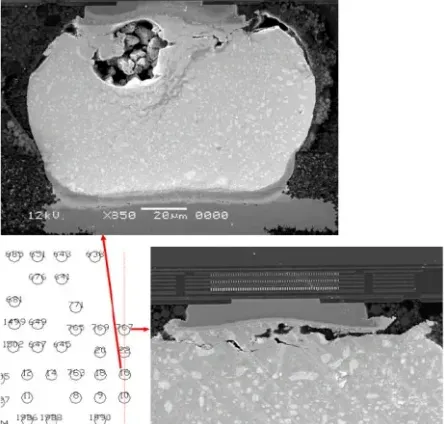
Integrating recycled materials reveals inconsistencies in mechanical properties, such as higher CTE variability in resins from mixed sources. Engineers address this by specifying tighter tolerances in material specs and compensating via stackup adjustments. Contamination incidents underscore the need for dedicated recycling lines to prevent halogen carryover. Case insights from high-volume production show that 20-30% recycled copper foil works well if etched properly, but requires enhanced surface treatment. Troubleshooting involves root-cause analysis via cross-sectioning delaminated samples. These lessons reinforce that regulations drive innovation in safer recycling technologies.
Conclusion
Navigating PCB recycling regulations demands a balanced approach of regulatory knowledge, technical testing, and factory rigor. Recycled materials can enhance environmental compliance for PCBs when verified against RoHS, REACH, and standards like IPC-4101. Electric engineers play a pivotal role in specifying compliant feedstocks and validating performance. Prioritizing hazardous materials PCBs control and PCB material safety ensures legal operation and reliable products. By following these best practices, the industry moves toward sustainable manufacturing without compromising quality. Future advancements will likely expand viable recycled options, guided by evolving regulations.
FAQs
Q1: What are the main PCB recycling regulations engineers need to follow when using recycled materials?
A1: PCB recycling regulations center on RoHS and REACH, which limit hazardous substances like lead and cadmium to prevent environmental harm. Recycled materials must undergo testing to confirm compliance, including material declarations and lab analysis. Factories align processes with these to avoid contamination. Engineers ensure full traceability from source to assembly.
Q2: How do you ensure environmental compliance for PCBs with recycled content?
A2: Environmental compliance for PCBs involves supplier audits, XRF screening for restricted substances, and qualification per IPC standards. Recycled resins and metals require batch certification showing no exceedance of RoHS limits. Factories implement ISO 14001 systems for waste tracking. Regular third-party verification maintains safety across the supply chain.
Q3: What risks do hazardous materials pose in recycled PCBs?
A3: Hazardous materials in recycled PCBs can cause reliability failures like corrosion or insulation breakdown if contaminants exceed limits. Sources include legacy brominated flame retardants or heavy metals from e-waste. Mitigation uses advanced purification and testing protocols. Compliance ensures PCB material safety for high-performance applications.
Q4: Are there specific standards for testing recycled materials in PCBs?
A4: Standards like IPC-6012 guide qualification of PCBs with recycled materials, focusing on performance specs. ISO 14001 supports environmental controls in production. Testing covers thermal stability, contamination levels, and mechanical strength. These ensure recycled content meets PCB regulations without performance trade-offs.
References
IPC-4101F — Specification for Base Materials for Rigid and Multilayer Printed Boards. IPC, 2017
IPC-6012E — Qualification and Performance Specification for Rigid Printed Boards. IPC, 2015
ISO 14001:2015 — Environmental Management Systems. ISO, 2015