


PCB Knowledge
Printed circuit boards (PCBs) form the backbone of modern electronics, enabling everything from smartphones to industrial machinery. In our PCB Knowledge category, we delve into the essential principles, techniques, and innovations that drive this field forward. Whether you are an engineer refining your designs or a hobbyist embarking on your first project, this collection offers valuable resources to enhance your understanding and skills. The scope of PCB Knowledge spans foundational concepts such as circuit layout and component selection, extending to advanced topics like high-speed signal integrity and thermal management. We provide detailed guides that walk through design software usage, manufacturing processes, and quality assurance methods. Tutorials offer hands-on instructions for prototyping and assembly, while insights from industry experts share real-world case studies and emerging trends. Best practices emphasize reliability, cost efficiency, and compliance with standards like IPC, ensuring your projects meet professional benchmarks. The practical value lies in its direct applicability to everyday challenges. For instance, articles on troubleshooting common PCB failures can save time and resources in product development cycles. Discussions on materials science reveal how choices in substrates and coatings impact performance in harsh environments, such as automotive or aerospace applications. By addressing these elements, PCB Knowledge equips you with tools to innovate and optimize electronic systems that power renewable energy solutions, medical devices, and consumer gadgets. As you read through the articles here, you will gain a comprehensive perspective that connects theoretical knowledge with tangible outcomes. This category serves as a hub for ongoing learning, where each piece builds on the others to foster expertise in PCB technology. Stay informed on the latest advancements, from flexible PCBs to sustainable manufacturing, and apply these insights to your work for superior results.
Latest Blogs
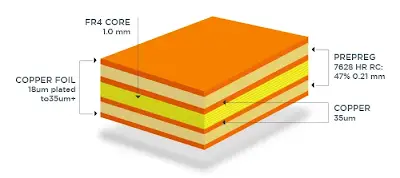
Copper Thickness in Mils: A Comparison of Different PCB Standards (IPC vs. Others)
Compare IPC standards copper thickness in mils with J-STD and JEDEC for PCB design standards. Details nominal vs finished copper, weight specifications, class requirements, and compliance practices to build reliable boards for electrical engineers.
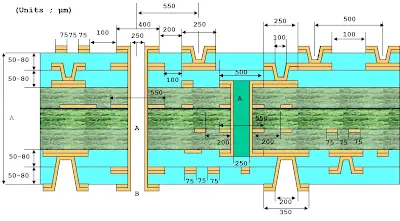
Signal Integrity on a Budget: Choosing the Right Inner Layer Copper Thickness for Hobbyist PCBs
Select optimal inner layer copper thickness for hobbyist PCBs to maintain signal integrity affordably. Covers DIY PCB design tips, low-cost PCB materials, and copper thickness for beginners. Learn practical choices like 1 oz foil for reliable hobbyist electronics performance up to 1 GHz.
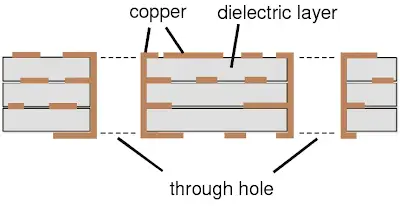
IPC Standards Demystified: Inner Layer Copper Thickness Requirements for Reliable PCBs
Learn IPC-6012 inner layer copper thickness requirements, from 25μm minimum for 1oz foil to best practices for etching losses and PCB compliance. This guide helps engineers specify correct copper weights for reliable multilayer PCBs, reducing delamination, warpage, and thermal issues during fabrication.
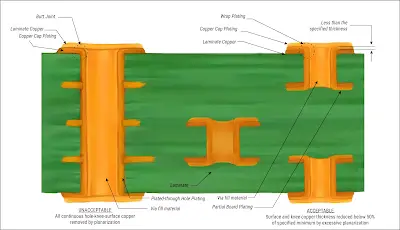
Outer Layer Copper Thickness and Via Design: Best Practices for Reliable PCB Interconnects
Master outer layer copper plating and via design rules. Learn how to balance copper weight and via aspect ratios for high-reliability PCB interconnects per IPC-6012.
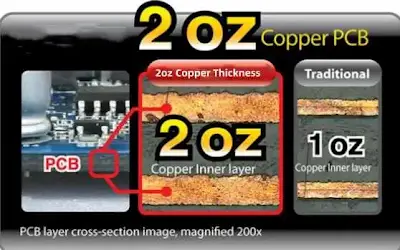
DIY Guide: Modifying Outer Layer Copper Thickness for Improved Thermal Performance in Custom PCBs
Learn how to modify outer layer copper thickness on standard PCBs with simple DIY electroplating and etching techniques. Boost thermal performance in custom boards for high-power hobby projects. Step-by-step guide with safety tips and before-after results.
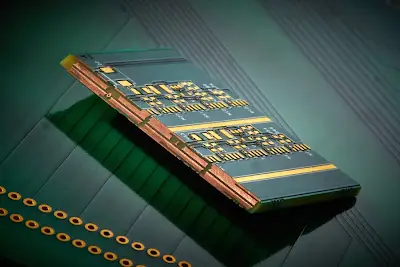
Beyond Standard: Exploring High Outer Layer Copper Thickness PCBs for High Power Applications
Explore high outer layer copper thickness PCBs (3oz+) for superior current carrying capacity and thermal management in high-power applications. Learn design best practices, IPC-2152 calculations, manufacturing challenges, and real benefits over standard copper for power electronics.
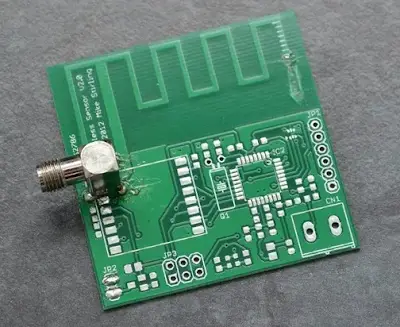
Antenna Design on High Frequency PCBs: Optimizing Performance
Master high frequency PCB antenna design with proven techniques for impedance matching, VSWR optimization, radiation patterns, and layout best practices. Boost 5G, IoT, and RF performance on your next board.
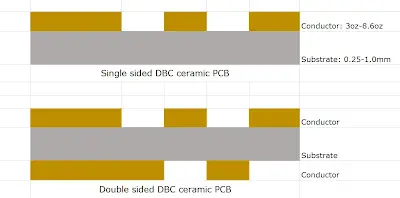
Ceramic PCB Assembly: Best Practices for Soldering and Component Placement
Discover expert ceramic PCB assembly best practices for reflow soldering, wave soldering, and precise component placement. Learn how to handle brittleness, optimize thermal profiles, minimize cracks, and achieve high-reliability joints on alumina and AlN substrates for power, RF, and high-temp applications.

Designing for Extreme Environments: How Ceramic PCBs Enhance Reliability
Ceramic PCBs deliver strong temperature resistance for harsh environment PCB needs in aerospace and automotive sectors. Details cover material principles, applications, design practices, manufacturing steps, and standards like IPC-6012 for high-reliability PCB performance under extreme stress. (187 characters)
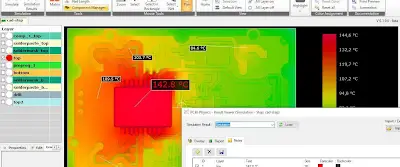
Design Considerations for Aluminum PCBs in Power Electronics
Aluminum PCB design rules guide power electronics projects for optimal thermal and electrical performance. Learn current capacity calculations, high voltage handling, creepage and clearance distances, plus isolation requirements. Practical tips ensure reliability in inverters, converters, and high power systems. (198 characters)
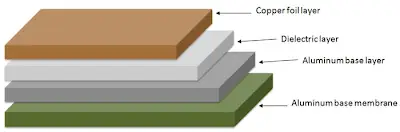
Step by Step: Aluminum PCB Manufacturing Process Explained
Follow the aluminum PCB fabrication process step by step, from lamination and drilling to etching, solder mask application, and assembly. Electric engineers get practical details on each stage for building reliable high thermal performance boards in power electronics.
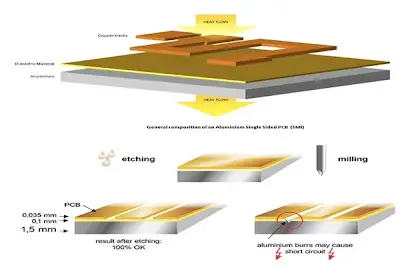
Aluminum PCB Structure Design Guide: Mastering Stackup & Thermal Basics
Aluminum pcb structure design guide for hobbyists. Learn about single layer aluminum pcb layouts, aluminum pcb stackup configurations, and how to implement an effective thermal via aluminum pcb structure.


