Introduction
MRI machines represent the pinnacle of precision engineering in medical imaging, where printed circuit boards (PCBs) serve as the backbone for signal processing, power distribution, and control systems. These PCBs must operate flawlessly in environments with intense magnetic fields, high-frequency signals, and stringent safety requirements. PCB traceability emerges as a critical process in their manufacturing, enabling full visibility from raw materials to final assembly. This ensures PCB quality control and supports regulatory compliance for MRI PCBs, minimizing risks to patient safety. Without robust traceability, identifying defects or non-conformances becomes nearly impossible, potentially leading to costly recalls or regulatory setbacks. For electric engineers involved in MRI production, understanding PCB traceability means bridging design intent with manufacturing reality.
What Is PCB Traceability and Why It Matters in MRI Manufacturing
PCB traceability refers to the systematic recording and tracking of every PCB component, process step, and material lot throughout the production lifecycle. It encompasses PCB lot tracking from incoming laminates and copper foils to final functional testing, creating a complete audit trail. In MRI machine manufacturing, this traceability is vital due to the high-stakes nature of the application, where PCB failures could compromise imaging accuracy or system reliability. Medical PCB documentation generated through traceability supports root cause analysis during failures, accelerating resolutions and maintaining production uptime. Moreover, it directly addresses PCB quality control by linking test data back to specific lots, preventing defective materials from propagating. For regulatory compliance for MRI PCBs, traceability provides verifiable evidence that manufacturing processes meet industry expectations, fostering trust among oversight bodies.
Traceability matters profoundly in MRI contexts because these systems demand PCBs with exceptional reliability under electromagnetic interference and thermal stresses. A single untraced lot of vias or traces could lead to intermittent faults, endangering diagnostic outcomes. Engineers benefit from traceability by correlating field failures to manufacturing variables, such as plating thickness variations or solder joint integrity. This data-driven approach refines future designs and processes, optimizing yield rates. Ultimately, MRI PCB traceability safeguards not just compliance but the entire ecosystem of healthcare delivery.
Technical Principles of PCB Traceability
At its core, PCB traceability relies on unique identification methods applied at multiple levels: panel, coupon, and individual board. Factory processes begin with marking raw panels using silkscreen lot codes or laser-etched data matrices compliant with industry norms for readability. These identifiers capture material vendor details, fabrication date, and process parameters like etch factor and impedance control. As panels are routed into boards, serialization ensures each piece retains its lineage, often via embedded QR codes scanned at every station. Integration with manufacturing execution systems (MES) automates data logging, linking traceability codes to inspection results from automated optical inspection (AOI) and X-ray.
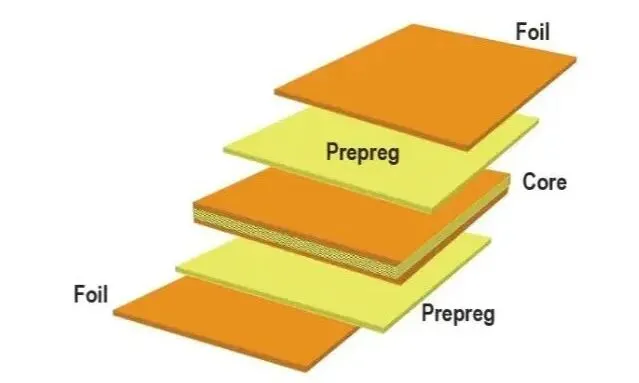
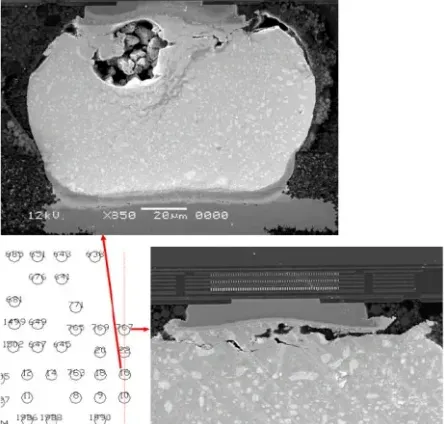
In MRI PCB production, traceability extends to high-density interconnect (HDI) layers and embedded components, where microvia reliability is paramount. Each lot undergoes qualification per rigid board specifications, verifying performance under accelerated life testing. Data matrices must withstand subsequent processes like surface finish application and reflow soldering without degradation. Electric engineers appreciate how this granular tracking reveals correlations, such as how copper thickness variations in power planes affect RF signal integrity. Digital records form a relational database, queryable for trends like warpage in multilayer stacks.
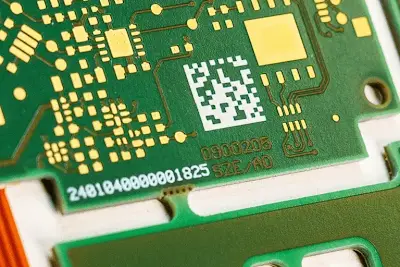
Mechanisms for data integrity include redundant marking and hash verification to prevent tampering. Traceability software timestamps entries, ensuring chronological accuracy for compliance audits. For MRI applications, where PCBs handle gradient amplifiers drawing high currents, traceability flags anomalies in base material dielectric constants early. This principle-driven approach aligns factory operations with engineering requirements, reducing variability across lots.
Challenges in Implementing Traceability for MRI PCBs
MRI PCB manufacturing presents unique hurdles for traceability due to complex stackups involving blind vias, fine-pitch traces, and specialized substrates for low loss at RF frequencies. High-mix, low-volume production amplifies risks, as frequent changeovers demand rapid reconfiguration of marking systems without errors. Counterfeit components pose another threat, necessitating supplier-level PCB lot tracking to validate authenticity certificates. Environmental controls in cleanrooms add layers, where humidity-sensitive materials require lot-specific baking records tied to each board.
Regulatory compliance for MRI PCBs intensifies these challenges, mandating retention of medical PCB documentation for extended periods post-delivery. Integrating traceability across supply chains introduces latency if vendors lack compatible systems. Engineers often encounter discrepancies in lot data during incoming inspections, delaying builds. Overcoming this requires standardized protocols that propagate traceability from laminate suppliers through assembly.
Physical marking durability is critical; inkjet codes must endure plasma cleaning and conformal coating without fading. In MRI contexts, electromagnetic compatibility testing links back to traceable process parameters, ensuring traces meet isolation specs.
Best Practices for MRI PCB Traceability and Quality Control
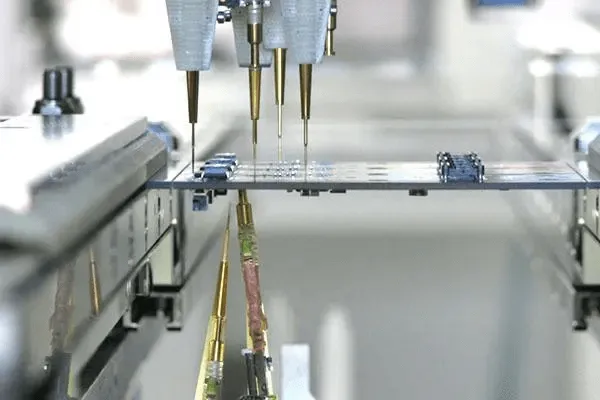
Establish a traceability framework from the outset by qualifying suppliers under quality management systems that emphasize documented processes. Implement panel-level serialization with scannable 2D codes positioned on breakoff tabs, preserving board-surface cleanliness. Automate scanning at key gates: incoming materials, post-etch, lamination, drilling, plating, and final test. This closed-loop PCB quality control captures yield data per lot, triggering holds for outliers like via resistance exceeding thresholds.
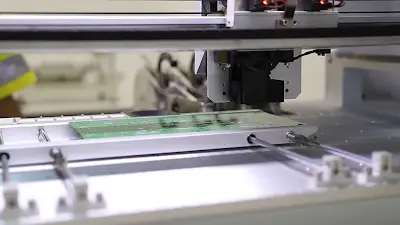
For assembly stages, extend traceability to components via machine-readable labels, integrating with pick-and-place systems for real-time logging. Conduct functional testing with serialized fixturing, correlating parametric data to fabrication lots. Regular audits verify data completeness, simulating recall scenarios to trace a hypothetical defect back to its origin within hours. Electric engineers should prioritize MES-ERP synchronization for holistic visibility.
Adhere to performance specifications for rigid boards to underpin traceability efforts, ensuring Class 3 reliability suitable for critical applications. Factory-driven protocols include golden samples from each lot for baseline comparisons. Training operators on code verification prevents human errors in data entry.
Incorporate acceptability criteria for assemblies, focusing on solder joints and cleanliness traceable to reflow profiles. For MRI PCBs, validate RF performance per equipment safety standards, linking results to material lots. These practices not only enhance PCB quality control but fortify regulatory compliance for MRI PCBs.
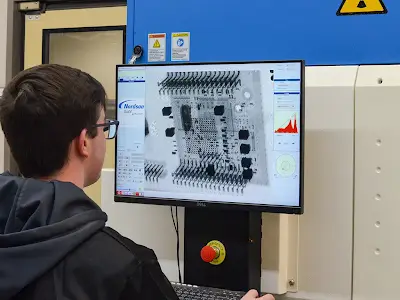
Digital twins of PCBs, built from traceability data, enable predictive modeling of thermal behaviors in gradient coils. Backup records offsite for disaster recovery, maintaining chain of custody.
Insights from Factory Perspectives on Traceability
From a manufacturing viewpoint, successful MRI PCB traceability hinges on process validation where each step's parameters are logged against lot codes. Factories observe that early detection via inline monitoring reduces scrap by isolating bad lots before assembly. In one observed scenario, traceability pinpointed a plating bath contamination affecting impedance, averting shipment delays. Engineers gain actionable insights by analyzing aggregated data, refining drill cycle times for HDI layers.
Sustainability ties into traceability through material recycling logs, tracking reuse without compromising purity. Compliance audits reveal that incomplete medical PCB documentation often stems from siloed systems; unified platforms resolve this.
Conclusion
PCB traceability stands as an indispensable pillar in MRI machine manufacturing, intertwining PCB lot tracking, quality control, and regulatory adherence. By embedding unique identifiers and automated data capture, factories deliver PCBs that meet the unrelenting demands of medical imaging. Electric engineers leverage this for precise failure analysis and process optimization, elevating overall system reliability. Embracing these principles ensures not only compliance but superior patient outcomes. Prioritizing MRI PCB traceability today fortifies tomorrow's innovations in healthcare technology.
FAQs
Q1: What is MRI PCB traceability and its role in quality control?
A1: MRI PCB traceability involves tracking every PCB from raw materials through final testing using lot codes and data matrices. It plays a key role in PCB quality control by enabling rapid identification of defects, such as via failures or contamination, linked to specific processes. This factory-aligned approach supports root cause analysis, improving yields and reliability for high-stakes MRI applications. Compliance with performance standards further validates these efforts.
Q2: How does PCB lot tracking support regulatory compliance for MRI PCBs?
A2: PCB lot tracking creates an audit trail of materials, processes, and tests, essential for regulatory compliance for MRI PCBs. It documents chain of custody, facilitating recalls if field issues arise. Factories integrate this with quality systems to retain records long-term, aligning with equipment safety norms. Engineers use it to demonstrate process controls during inspections.
Q3: What are best practices for medical PCB documentation in manufacturing?
A3: Best practices include serializing panels early, automating scans at process gates, and linking data to MES. Maintain redundant markings and digital backups for integrity. For medical PCB documentation, correlate test data like impedance to lots, ensuring Class 3 acceptability. This systematic method bolsters PCB quality control and traceability.
Q4: Why is traceability critical for PCBs in MRI machines?
A4: Traceability is critical due to MRI PCBs' exposure to RF interference and high currents, where failures impact safety. It enables precise PCB lot tracking, preventing untraced defects from reaching assembly. Factory insights show it cuts downtime by correlating issues to sources, upholding regulatory compliance for MRI PCBs effectively.
References
IPC-6012E — Qualification and Performance Specification for Rigid Printed Boards. IPC, 2017
IPC-A-610H — Acceptability of Electronic Assemblies. IPC, 2019
ISO 9001:2015 — Quality Management Systems. ISO, 2015
IEC 60601-1 — Medical Electrical Equipment: General Requirements for Basic Safety and Essential Performance. IEC, 2005