Introduction
Visual PCB inspection stands as a cornerstone in ensuring the reliability of printed circuit boards in electronic assemblies. Electric engineers rely on this method to identify PCB defects that could lead to field failures, costly rework, or safety issues in high-stakes applications. By scrutinizing boards under controlled conditions, inspectors catch issues like solder bridges and cracked traces before they propagate into system-level problems. This hands-on approach complements automated systems and aligns with factory quality control protocols. In manufacturing environments, mastering visual PCB inspection directly impacts yield rates and product longevity. As boards grow more complex with finer pitches and denser components, the need for skilled visual checks intensifies.
What Is Visual PCB Inspection and Why It Matters
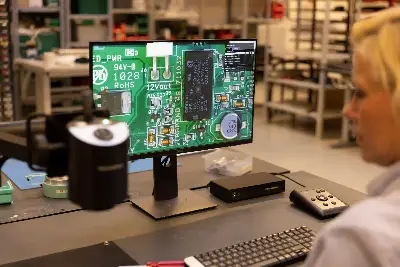
Visual PCB inspection involves the systematic examination of bare boards and assembled PCBs using the human eye, often aided by magnifiers, microscopes, or stereoscopes. Inspectors assess surface conditions, solder joints, and component placement against established criteria to detect anomalies. This process occurs post-fabrication, after soldering, or during incoming quality control. For electric engineers, it matters because undetected PCB defects such as lifted pads or component misalignment can cause intermittent failures in power supplies, signal integrity loss, or thermal runaway. In production lines, visual checks provide immediate feedback, enabling quick corrections that boost overall efficiency. Industry data underscores how early detection reduces scrap rates and enhances compliance with reliability standards.
The relevance extends to lifecycle management, where visual PCB inspection verifies workmanship throughout assembly stages. Engineers designing for manufacturability incorporate inspectability features, like adequate trace spacing, to facilitate these checks. Neglecting this step risks deploying boards prone to burnt components from overheating or cold solder joints that degrade over time. Factories integrate it into workflows to meet customer specifications and maintain competitive edges. Ultimately, it bridges the gap between design intent and real-world performance.
Common PCB Defects Spotted in Visual Inspection
PCB defects manifest in various forms, each with distinct visual signatures that trained eyes can identify promptly. Solder bridges appear as unintended conductive paths formed by excess solder connecting adjacent pads or leads, potentially shorting circuits. Cracked traces show as hairline fractures in copper conductors, often from mechanical stress or improper handling during fabrication. Burnt components exhibit discoloration, charring, or deformation due to excessive heat exposure during soldering or operation. These defects demand immediate attention to prevent cascading failures in electronic systems.
Lifted pads detach partially from the board substrate, creating unreliable solder connections that fail under vibration or thermal cycling. Component misalignment occurs when parts shift from their programmed positions, leading to poor joint formation or open circuits. Cold solder joints present a dull, grainy appearance with incomplete wetting, indicating insufficient reflow temperatures or flux issues. Inspectors categorize these under class levels, where higher classes tolerate fewer imperfections. Recognizing patterns helps engineers trace root causes back to process parameters like stencil alignment or oven profiles.
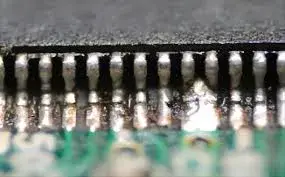
Technical Principles Behind Effective Visual Inspection
Proper lighting is fundamental, with diffuse, shadow-free illumination at 45-degree angles revealing surface irregularities without glare. Magnification levels, typically 10x to 40x, allow detection of fine features like microcracks in traces or voids in solder fillets. Inspectors use stereomicroscopes for depth perception, essential for assessing pad adhesion and joint convexity. Color temperature around 5500K mimics daylight, aiding in spotting discoloration on burnt components. Viewing distance and board orientation further optimize contrast for defects like component misalignment.
Environmental controls, such as clean benches and ESD-safe stations, prevent contamination that mimics defects. Inspectors follow sequential checks: bare board for traces and pads, then assembly for joints and placement. This layered approach aligns with standards like IPC-A-600 for bare board acceptability. Consistency across shifts relies on calibrated tools and documented procedures. By understanding optics and human vision limits, factories minimize false calls and escapes.
Best Practices for Visual PCB Inspection in Factories
Establish a standardized checklist covering all target areas, from edge boards to high-density BGAs. Train personnel to IPC-A-610 criteria for electronic assemblies, emphasizing class-specific tolerances for solder bridges and cold solder joints. Use polarized filters to enhance visibility of subsurface issues like delamination precursors. Rotate inspectors to reduce fatigue, scheduling breaks every 30 minutes for sustained accuracy. Document findings with photographs and measurements to support yield analysis.
Incorporate dual-inspector verification for critical boards, comparing notes on lifted pads or misalignment. Maintain tool hygiene, calibrating magnifiers weekly against known standards. Lighting audits ensure uniformity above 1000 lux. These practices, rooted in factory-driven quality systems, directly lower defect escape rates. Engineers benefit from data trends to refine DFM guidelines.

The Role of AOI in Complementing Visual PCB Inspection
Automated Optical Inspection (AOI) systems scan boards at high speeds, comparing images to golden samples for defects like component misalignment or solder bridges. While AOI excels in volume production, detecting 0.1mm anomalies, it may miss subtle issues like cracked traces hidden by shadows. Visual PCB inspection serves as a verification step, confirming AOI flags and catching nuances beyond algorithmic limits. Factories hybridize both: AOI for 100% coverage, manual for outliers. This synergy aligns with J-STD-001 requirements for soldering workmanship.
AOI programming demands precise CAD data, but visual checks validate real-world variations from tolerances. Engineers specify AOI thresholds based on application risks, such as burnt components in power circuits. Maintenance of AOI cameras prevents drift, ensuring reliability. Transitioning from pure visual to AOI-enhanced workflows scales quality without proportional labor increases.
Troubleshooting Visual Inspection Challenges
When defects recur, like frequent cold solder joints, review reflow profiles against thermal limits. For persistent solder bridges, inspect stencil apertures and squeegee pressure. Cracked traces often stem from drill breakout or flexing; reinforce with anchor points. Burnt components signal peak temperatures exceeding component ratings; audit oven zoning. Lifted pads trace to poor adhesion; verify plating thickness per IPC specs.
Component misalignment calls for feeder calibration and vision system tweaks in pick-and-place. Train on parallax errors in visual checks. Log defect Pareto charts to prioritize fixes. Cross-functional teams, including process and design engineers, resolve systemic issues. These factory insights prevent recurrence, sustaining high yields.
Conclusion
Visual PCB inspection remains indispensable for electric engineers tackling PCB defects proactively. From spotting solder bridges to verifying AOI outputs, it ensures boards meet rigorous demands. Adhering to standards fortifies processes against common pitfalls like cold solder joints and lifted pads. Factories thrive by blending manual expertise with automation, driving reliability. Prioritizing this art minimizes risks, optimizes performance, and supports innovation in electronics.
FAQs
Q1: What are the most critical PCB defects to check during visual PCB inspection?
A1: Critical defects include solder bridges causing shorts, cracked traces risking opens, and lifted pads leading to detachment. Burnt components indicate thermal abuse, while cold solder joints compromise conductivity. Component misalignment disrupts signals. Inspectors prioritize these per IPC-A-610 classes to prevent failures. Factory protocols emphasize 10x magnification for accuracy.
Q2: How does AOI improve visual PCB inspection processes?
A2: AOI automates detection of PCB defects like misalignment and solder bridges at high speeds, reducing human error. It complements manual visual checks by flagging issues for verification. Engineers program AOI against design files for consistency. In high-volume lines, it handles 100% inspection efficiently. Visual confirmation catches AOI misses, like subtle cracks.
Q3: Why do cold solder joints appear in visual PCB inspection?
A3: Cold solder joints show dull surfaces from inadequate reflow, poor flux, or contamination. They lack proper wetting, forming weak bonds prone to fatigue. Visual cues include concave fillets and rough textures. Factories mitigate via profile optimization and cleanliness. Per standards, they fail class 2/3 criteria. Early spotting averts reliability issues.
Q4: Can visual PCB inspection detect all types of PCB defects?
A4: Visual PCB inspection excels at surface issues like burnt components and component misalignment but misses subsurface voids. It pairs with X-ray for hidden defects. Lighting and magnification enhance detection limits. Trained eyes per IPC-A-600 spot most workmanship flaws. For comprehensiveness, integrate with electrical testing.
References
- IPC-A-600K — Acceptability of Printed Boards. IPC, 2020
- IPC-A-610H — Acceptability of Electronic Assemblies. IPC, 2012
- J-STD-001G — Requirements for Soldered Electrical and Electronic Assemblies. IPC, 2011