Introduction
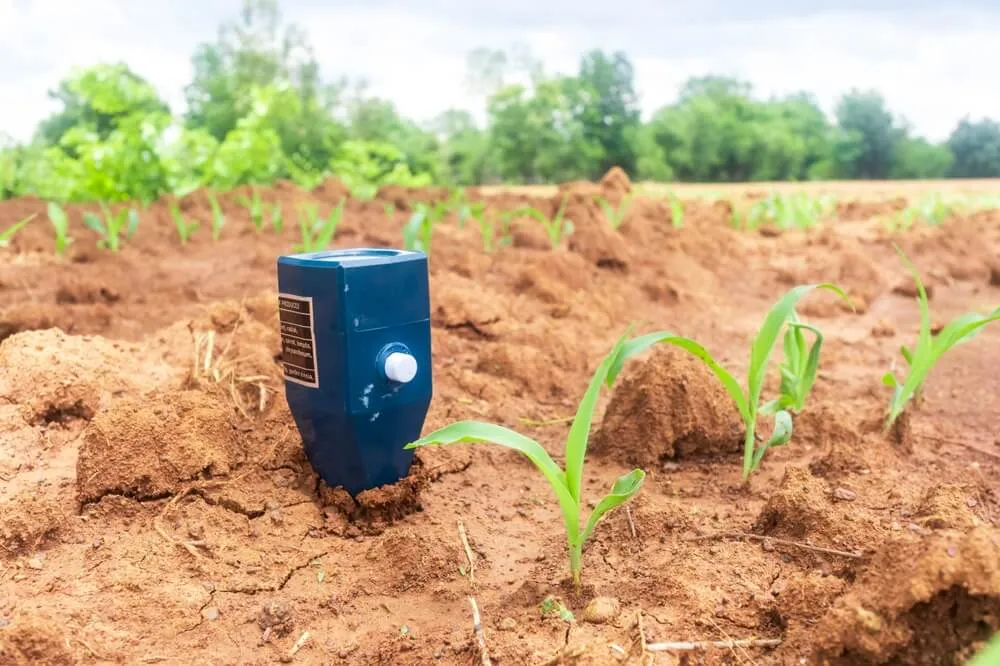
Agricultural sensors play a critical role in modern precision farming, monitoring soil moisture, temperature, and humidity to optimize yields and resource use. These devices often operate in unforgiving outdoor conditions, exposing printed circuit boards (PCBs) to extreme temperatures, high humidity, mechanical vibrations from machinery, and chemical residues from fertilizers and pesticides. Designing weatherproof PCBs ensures long-term reliability, preventing failures that could disrupt data collection and farm operations. Engineers must prioritize robust material selection, protective coatings, and assembly techniques tailored to these stressors. This article explores practical strategies for creating durable agricultural sensor PCBs, focusing on key protection methods. By addressing these elements, designers can build sensors that withstand harsh environments without compromising performance.
Why Weatherproof PCBs Matter for Agricultural Sensors
Reliable PCBs in agricultural sensors directly impact data accuracy and operational uptime, essential for irrigation control and crop health monitoring. Failures due to environmental exposure lead to costly downtime and inaccurate readings, undermining precision agriculture initiatives. Vibration-proof PCB assembly, for instance, maintains signal integrity during tractor mounting or wind exposure. Similarly, conformal coating for agricultural PCBs shields against moisture ingress, a common issue in rainy fields. Engineers targeting electric applications benefit from standardized approaches that enhance longevity. Ultimately, weatherproof designs reduce maintenance needs and support sustainable farming practices.
Key Challenges in Harsh Agricultural Environments
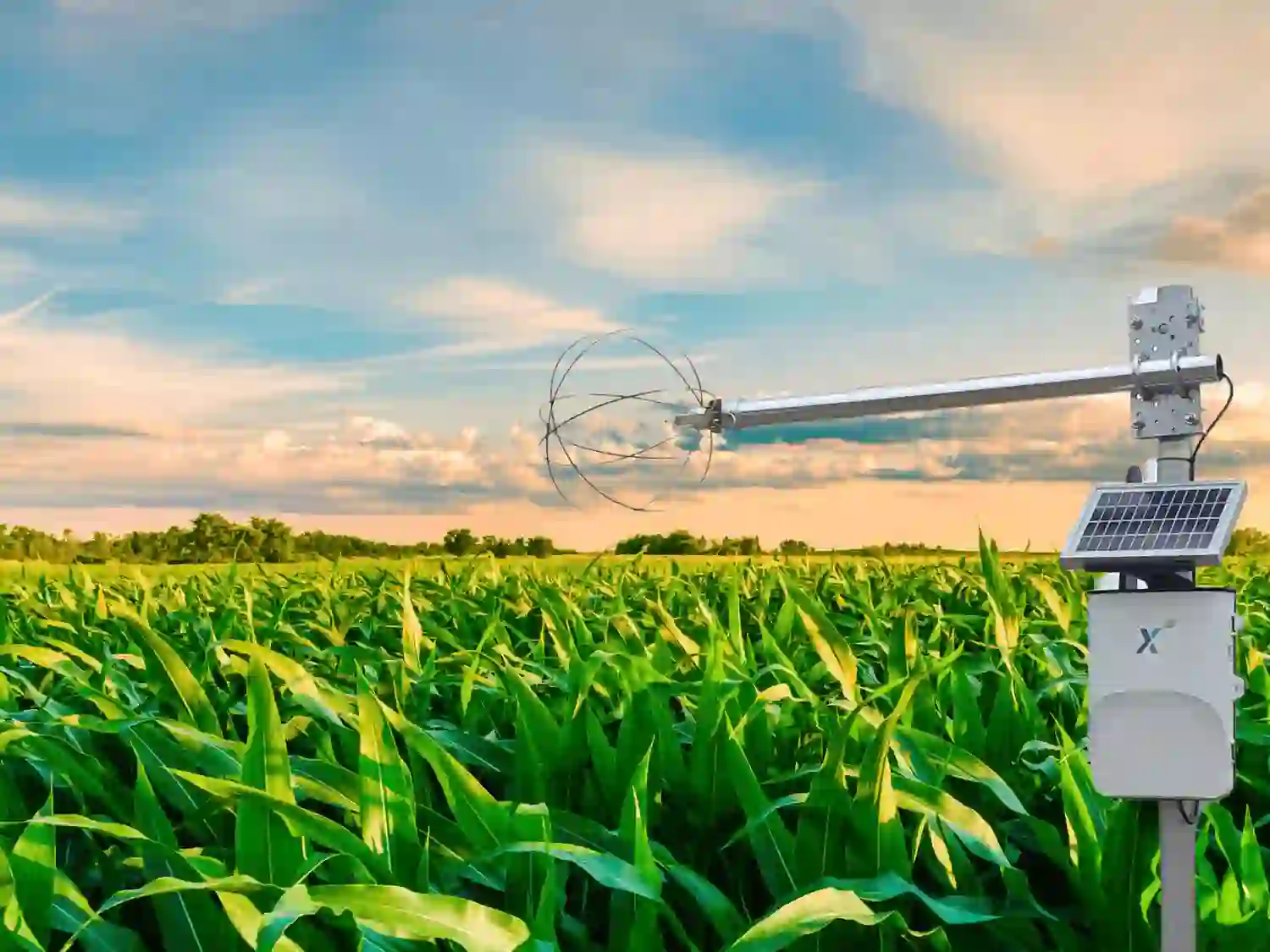
Agricultural fields present a unique set of stressors for PCBs, including temperature swings from freezing nights to scorching days. High humidity levels promote corrosion on exposed traces and solder joints, while dust and particulates exacerbate wear. Mechanical vibrations from equipment or soil tilling induce fatigue in components and board structures. Chemical exposure from pesticides and fertilizers can degrade unprotected surfaces, leading to insulation breakdown. These factors demand integrated protection strategies from the design phase. Troubleshooting early identification of these risks prevents field failures.
Material Selection: Temperature-Resistant PCB Materials
Selecting temperature-resistant PCB materials forms the foundation of weatherproof designs for agricultural sensors. High glass transition temperature (Tg) laminates maintain mechanical integrity during thermal cycling, resisting delamination under diurnal fluctuations. Engineers should evaluate materials with Tg above 170°C for reliability in extreme climates. Copper thickness and via plating also influence thermal performance, aiding heat dissipation from sensor ICs. Compatibility with assembly processes ensures no warping during reflow soldering. Practical testing under simulated field conditions validates material choices.
Conformal Coating for Agricultural PCBs
Conformal coating for agricultural PCBs provides a thin, protective barrier against moisture and contaminants. Materials like silicones or urethanes, qualified per IPC-CC-830, offer flexibility and chemical resistance without cracking under vibration. Application methods such as selective spraying minimize coverage on sensor elements, preserving accuracy. Thickness uniformity, typically 25-75 microns, prevents bridging on fine-pitch components. Curing processes must align with production timelines to avoid delays. Post-coating inspection verifies adhesion and pinhole-free coverage, critical for long-term protection.
Vibration-Proof PCB Assembly Techniques
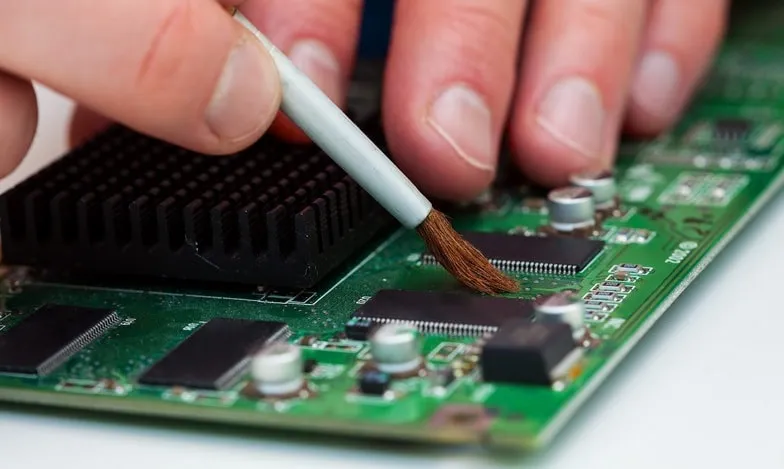
Vibration-proof PCB assembly techniques safeguard sensors mounted on moving farm equipment. Secure mechanical anchoring with standoffs or conformal potting reduces flexing at solder joints. Component selection favors low-profile packages with robust leads to minimize resonant frequencies. Stiffeners or embedded metal cores enhance board rigidity without adding excessive weight. Solder joint profiles per J-STD-001 guidelines promote fatigue resistance through fillet formation. Dynamic testing simulates field vibrations, identifying weak points early in the design cycle.
Humidity Sensor PCB Design Considerations
Humidity sensor PCB design requires careful layout to avoid contamination and ensure stable readings in damp environments. Positioning sensors away from heat sources prevents false highs from localized drying. Traces to capacitive or resistive elements need shielding to block electromagnetic interference from nearby motors. Openings for sensor exposure demand sealed edges with gaskets or dams. Conformal coating must exclude the active sensing area while protecting surrounding circuitry. Calibration post-assembly accounts for any residual coating effects on baseline humidity response.
PCB Protection Against Chemical Exposure
PCB protection against chemical exposure in agriculture involves selecting coatings with proven resistance to acids and solvents. Epoxy or parylene types form impermeable barriers, preventing trace etching from fertilizer splashes. Surface finishes like ENIG or hard gold enhance solderability while repelling corrosives. Edge sealing with potting compounds blocks ingress at board peripheries. Compatibility testing exposes coated samples to simulated pesticide solutions. Multi-layer strategies combine coatings with enclosures for comprehensive defense.
Best Practices for Implementation and Troubleshooting
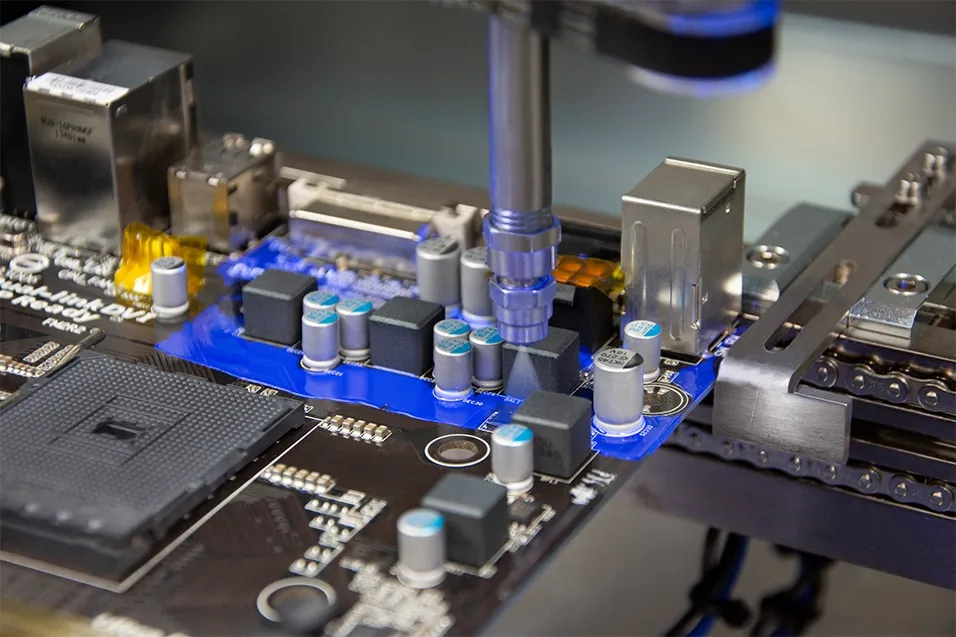
Integrate protections from schematic capture through final assembly for optimal results. Simulate environmental stresses using thermal chambers and shaker tables to validate designs. Layer stackups should balance rigidity with thermal expansion matching between materials. Avoid sharp trace corners that concentrate stress under vibration. For troubleshooting, inspect for delamination via cross-sectioning or moisture absorption through weight gain tests. Documentation of process parameters aids repeatability in production runs.
Common issues like coating bubbles arise from trapped air during application; degassing solvents resolves this. Vibration-induced microcracks at vias signal inadequate support; adding filled vias strengthens them. Chemical blistering indicates poor adhesion; plasma cleaning pre-coating improves bonding. Iterative testing refines these practices, ensuring field-ready sensors.
Conclusion
Designing weatherproof PCBs for agricultural sensors demands a holistic approach, combining temperature-resistant PCB materials, conformal coating for agricultural PCBs, vibration-proof PCB assembly, humidity sensor PCB design, and PCB protection against chemical exposure. These strategies mitigate harsh environment risks, enhancing sensor reliability and farm productivity. Engineers should leverage industry standards for qualification, focusing on practical implementation and troubleshooting. By prioritizing durability, designs support the demands of precision agriculture effectively.
FAQs
Q1: What role does conformal coating play in agricultural PCBs?
A1: Conformal coating for agricultural PCBs seals traces and components against humidity and chemicals, preventing corrosion in field conditions. Select types per IPC-CC-830 for flexibility and adhesion. Application thickness affects rework feasibility, so balance protection with accessibility. Testing verifies performance under accelerated aging.
Q2: How do you ensure vibration-proof PCB assembly for sensors?
A2: Vibration-proof PCB assembly uses potting, stiffeners, and robust soldering per J-STD-001 to resist fatigue. Anchor boards securely and test with sinusoidal sweeps. Component orientation minimizes leverage points. This maintains signal integrity during machinery operation.
Q3: What materials offer temperature resistance for outdoor PCBs?
A3: Temperature-resistant PCB materials with high Tg laminates handle agricultural thermal swings without warping. Match CTE to components for joint reliability. Thicker copper aids dissipation. Validate via thermal cycling tests.
Q4: Why is PCB protection against chemical exposure critical in farming?
A4: PCB protection against chemical exposure prevents degradation from pesticides, using resistant coatings and finishes. Edge sealing blocks capillary action. Combine with enclosures for layered defense in splash-prone areas.
References
IPC-CC-830C — Qualification and Performance of Electrical Insulating Compounds for Coating Printed Wiring Boards. IPC.
J-STD-001J — Requirements for Soldered Electrical and Electronic Assemblies. IPC, 2020.
IPC-A-610H — Acceptability of Electronic Assemblies. IPC, 2019.