Introduction
Smart parking systems represent a critical evolution in urban mobility management, leveraging sensors, software, and connectivity to optimize parking in densely populated areas. These systems address longstanding challenges like traffic congestion and inefficient space utilization, which contribute significantly to urban gridlock. As cities worldwide expand, the demand for real-time parking solutions has surged, driven by rising vehicle ownership and limited infrastructure. For electric engineers designing the underlying electronics, understanding adoption, availability, and usage trends is essential for developing robust components that support scalable deployments. This article examines current patterns, technical underpinnings, and future implications, highlighting impacts on traffic flow and revenue generation.
What Are Smart Parking Systems and Why Do They Matter?
Smart parking systems integrate hardware like ultrasonic or inductive sensors, cameras, and smart meters with software platforms for real-time monitoring and user guidance. Core components include ground-embedded detectors for occupancy status, license plate recognition for enforcement, and central servers processing data via IoT protocols. Mobile apps provide users with availability maps, reservations, and payments, while guidance displays direct drivers to open spots. These systems matter because parking search times average up to 20 minutes in cities, accounting for 30% of urban traffic flow.
The relevance extends to revenue optimization through dynamic pricing and increased turnover at meters, boosting municipal income by up to 35%. For automakers, integration into vehicle infotainment enables seamless navigation to reserved spots, appearing in 40% of new models. Electric engineers must consider the reliability of PCBs in sensor nodes, which endure harsh environmental conditions like vibration and temperature extremes. Overall, these systems reduce congestion, emissions, and operational costs, aligning with smart city goals.
Technical Principles Behind Smart Parking Systems
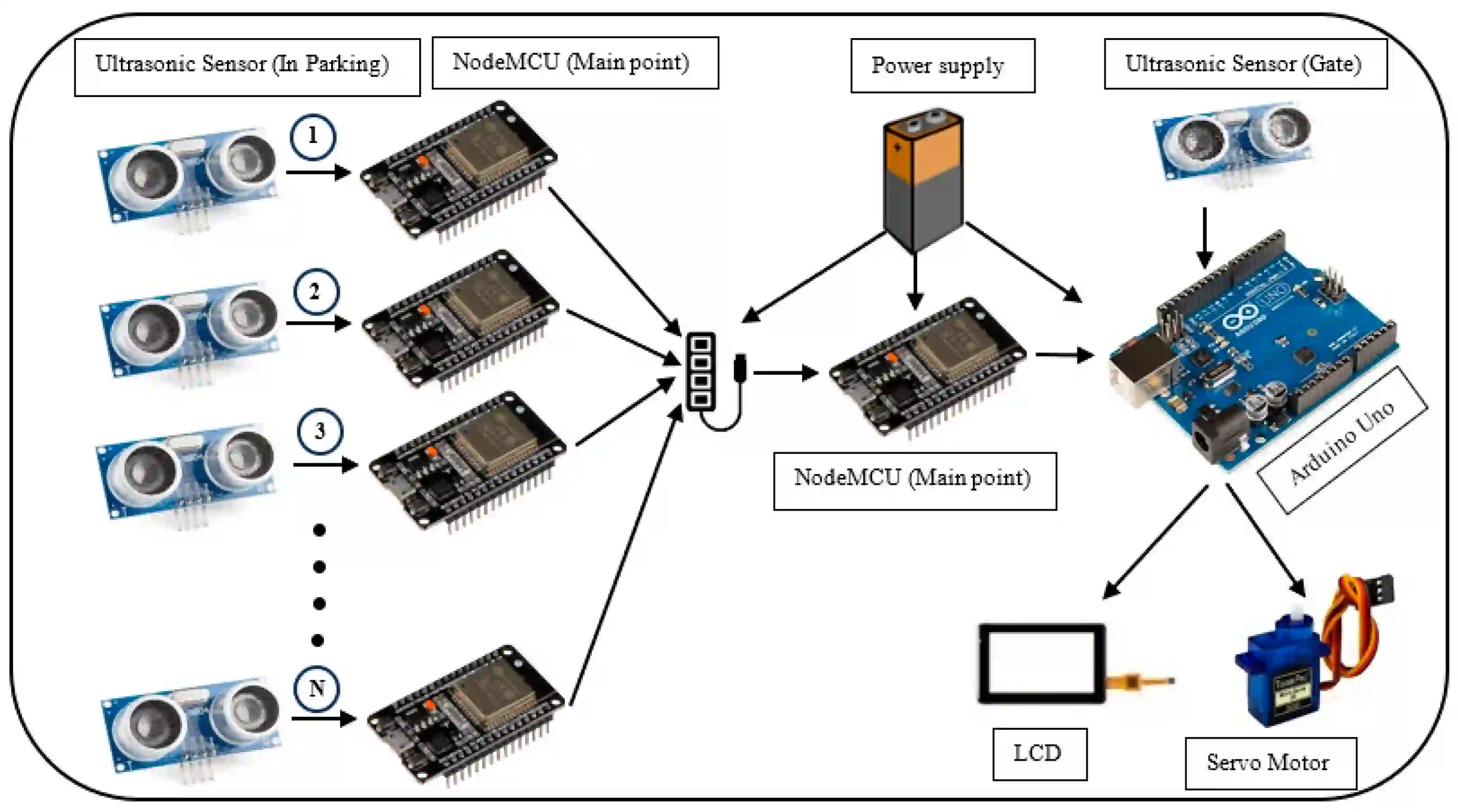
At the heart of smart parking systems lie diverse sensor technologies that detect vehicle presence with over 95% accuracy. Ultrasonic sensors emit sound waves to measure distance, while inductive loops embedded in pavement detect magnetic changes from vehicles; cameras and radar complement these for multi-modal detection. Data from these sensors feeds into edge processors or cloud platforms using protocols like LoRaWAN or NB-IoT for low-power, long-range communication. Electric engineers design control units on PCBs that handle signal conditioning, power management, and wireless transmission, ensuring compliance with standards like ISO 16787 for intelligent transport systems parking profiles.
Processing involves analytics software that predicts demand via machine learning, employed in 35% of platforms, to adjust pricing and allocate spaces. Multi-space meters, used in 75% of environments, incorporate secure payment modules and LED indicators for status. Power efficiency is paramount, with solar-powered nodes reducing grid dependency, particularly for EV-integrated lots prioritized in 55% of projects. Robustness against interference and weather demands conformal coatings on PCBs per IPC-6012E specifications for rigid boards.
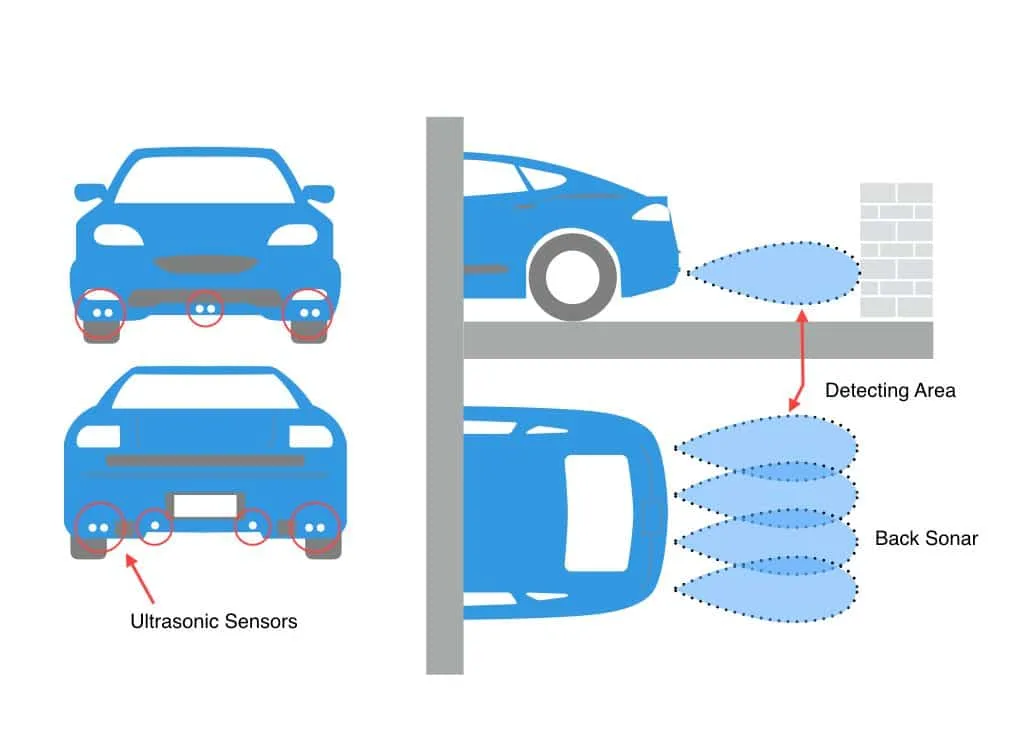
Automakers contribute through vehicle-to-infrastructure (V2I) communication, where onboard units query system availability pre-arrival. This integration enhances traffic flow by minimizing circling, cutting search miles by 30%. Standards like ISO 20900 guide partially automated parking, ensuring safe handovers between vehicle and system controls.
Adoption Trends in Smart Parking Systems
Adoption of smart parking systems has accelerated, with over 1,200 cities implementing solutions and 70% of smart city initiatives incorporating them as core elements. Municipalities show strong intent, as 60% plan investments within five years, often via 45% public-private partnerships. North America leads with 35.7% global share, fueled by IoT and AI advancements, while Asia Pacific grows fastest due to urbanization in megacities. Market revenue reflects this, valued at USD 10.22 billion in 2025 and projected to reach USD 53.38 billion by 2033 at a 23.3% CAGR.
Smart meters dominate hardware at 42% share, enabling cashless transactions and enforcement. Off-street applications prevail, but on-street growth ties to meter upgrades. For electric engineers, scaling involves high-volume PCB fabrication meeting JEDEC J-STD-020E for moisture sensitivity in outdoor sensors.
Availability and Usage Patterns
Real-time availability is a hallmark, with cloud platforms comprising 65% of deployments for scalable data access. Users engage via mobile apps in 67% of cases for reservations and payments, integrated in 50% of systems. Usage analytics reveal 20% higher foot traffic in commercial areas and 50% enforcement efficiency gains. License plate recognition appears in 40% of setups, automating access control.
Traffic flow benefits are quantifiable: systems reduce congestion by 30% and search times by 43%, saving 12 minutes per trip on average. Dynamic pricing at meters lifts revenue, while illegal parking drops 70%. By 2030, 300 million sensors worldwide will underpin availability.
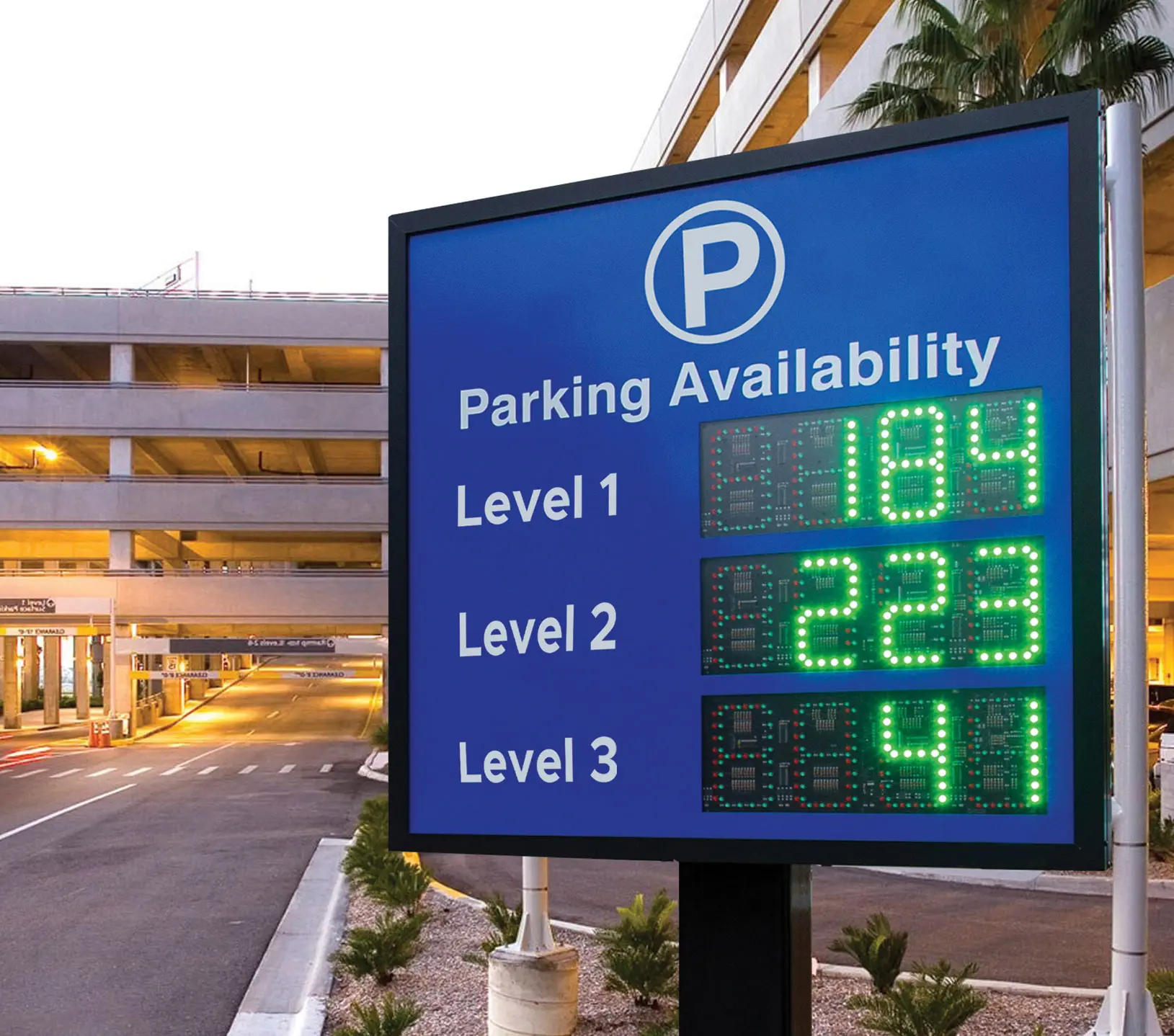
Automakers enhance usage with in-car displays pulling system data, streamlining entry.
Best Practices for Implementation and Maintenance
Engineers should prioritize sensor fusion—combining ultrasonic, inductive, and vision—for redundancy and 95%+ accuracy. Select low-power MCUs on multilayer PCBs per IPC-A-600K acceptability criteria to extend battery life in wireless nodes. Deploy hybrid networks: LoRa for gateways, 5G for high-density areas, ensuring ISO 16787 interoperability.
Maintenance involves predictive diagnostics via ML, monitoring PCB integrity against thermal cycling. Calibrate meters quarterly for payment accuracy, and integrate EV charging data for holistic management. Test V2I links with automakers early to optimize traffic flow.
Insights for Electric Engineers
In practice, PCB warpage in sensor housings can degrade signal integrity; adhere to IPC-6012E for qualification. Automotive-grade components withstand -40°C to 85°C, vital for meter electronics. Troubleshooting focuses on EMI shielding and firmware updates for evolving standards like ISO 20900.
Conclusion
Smart parking systems are transforming urban landscapes through rapid adoption in over 1,200 cities, precise availability via 95% accurate sensors, and high mobile app usage at 67%. Revenue from dynamic meters and reduced traffic flow impacts underscore their value, with market growth to USD 53 billion by 2033. Automakers' integration in 40% of models signals deeper ecosystem ties. Electric engineers play a pivotal role in reliable electronics, guided by standards ensuring longevity and performance.
FAQs
Q1: How do smart parking systems improve traffic flow?
A1: Smart parking systems cut parking search times by 43% and miles driven by 30%, as real-time data from sensors guides drivers directly to spots. This reduces congestion contributing 30% to urban traffic, easing overall flow. Mobile app integration further streamlines navigation.
Q2: What role do automakers play in smart parking system trends?
A2: Automakers integrate smart parking features into 40% of new vehicles, enabling in-car queries for availability and automated valet parking. This V2I connectivity enhances system usage and supports traffic flow optimization. Engineers design compatible electronics for seamless handovers.
Q3: How do smart meters contribute to revenue in parking systems?
A3: Smart meters, holding 42% hardware share, enable dynamic pricing that boosts municipal revenue by 35% via higher turnover. They support mobile app payments in 50% of systems, reducing cash handling. Reliable PCBs ensure uptime in harsh conditions.
Q4: What are key usage trends for mobile apps in smart parking?
A4: Mobile apps drive 67% of interactions for reservations and payments, integrated in 50% of systems. They provide real-time availability, cutting search times and improving traffic flow. Usage analytics predict demand, aiding revenue optimization.
References
ISO 16787:2016 — Intelligent transport systems — Parking lot application profile. ISO, 2016
ISO 20900:2023 — Intelligent transport systems — Fully automated parking systems. ISO, 2023
IPC-6012E — Qualification and Performance Specification for Rigid Printed Boards. IPC, 2017
JEDEC J-STD-020E — Moisture/Reflow Sensitivity Classification of Nonhermetic Surface Mount Devices. JEDEC, 2014