Introduction
Acrylic conformal coating stands out as a versatile protective layer for electronic circuits, especially appealing to electronic hobbyists working on personal projects. This thin film conforms to the contours of printed circuit boards (PCBs), shielding components from environmental threats like moisture, dust, and mild chemicals. Hobbyists appreciate its ease of use and affordability, while professionals value its reliability in demanding applications. Whether you are building a custom drone controller or prototyping a sensor array, acrylic conformal coating provides straightforward protection without complex equipment. Its popularity stems from balanced performance and simple application methods suitable for home workshops.
What Is Acrylic Conformal Coating and Why It Matters for Hobby Projects
Acrylic conformal coating, often classified as Type AR, is a polymer-based material designed to insulate and protect PCBs from harsh conditions. It forms a flexible, transparent film that maintains electrical performance while allowing heat dissipation. For hobby projects exposed to humidity or occasional splashes, such as garden sensors or RC vehicles, this coating prevents corrosion and short circuits. Its relevance grows in maker communities where reliability matters but budgets are tight. Understanding its role helps hobbyists select the right protection for long-lasting builds. Conformal coating for hobby projects like these ensures circuits survive real-world use.
Key Acrylic Conformal Coating Properties
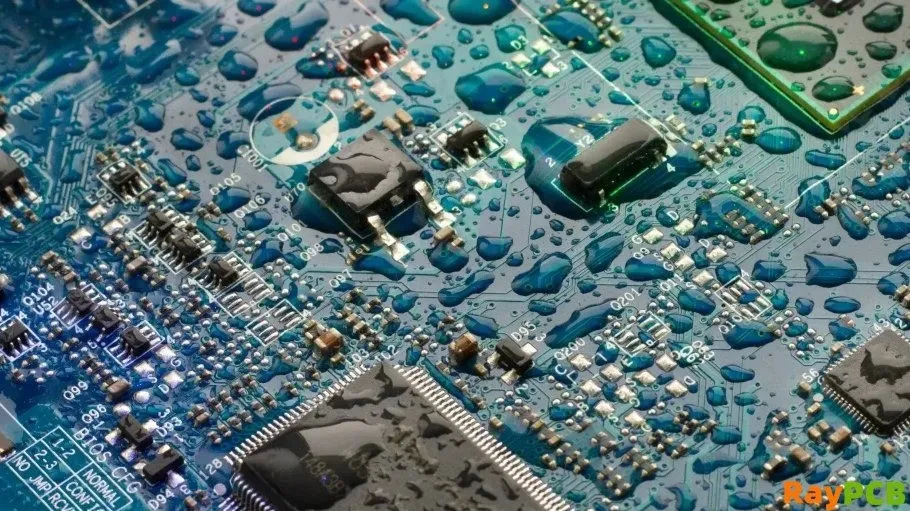
Acrylic conformal coating properties include high dielectric strength, which prevents electrical arcing between closely spaced traces. It offers good resistance to moisture vapor transmission, making it ideal for electronics in damp garages or outdoor enclosures. The material remains flexible after curing, reducing stress on components during thermal cycling. Abrasion resistance protects against handling wear, common in hobby assembly. Fungus resistance adds longevity in storage. These traits align with qualification tests outlined in IPC-CC-830, ensuring consistent performance.
Another property is rapid air-drying, often touch-dry in minutes, allowing quick handling post-application. Solvent-based versions provide better adhesion on various substrates, while water-based options suit ventilation-limited spaces. Chemical resistance handles mild acids and solvents but may falter against aggressive cleaners. Transparency aids visual inspection of solder joints. Overall, these properties make acrylic a practical choice for most hobby electronics.
Factors for Choosing the Best Acrylic Conformal Coating for Electronics
Selecting the best acrylic conformal coating for electronics involves matching project needs to coating characteristics. Consider operating environment: high humidity favors low-permeability formulations. For vibration-prone builds like robotics, prioritize flexibility to avoid cracking. Viscosity affects application ease, with lower values suiting sprays. Cure time impacts workflow, favoring fast-dry types for iterative prototyping. Compliance with standards like IPC J-STD-001 ensures assembly integrity.
Hobbyists should evaluate reworkability, as acrylic allows easy removal for fixes. Shelf life and storage simplicity matter for small batches. Test compatibility with components, avoiding reactions with plastics. Cost-effectiveness shines here, with acrylic outperforming pricier alternatives for general use. Balance these for optimal protection.
Applying Acrylic Conformal Coating: Step-by-Step Best Practices
Applying acrylic conformal coating starts with thorough PCB preparation to ensure adhesion. Clean the board using isopropyl alcohol to remove flux residues and contaminants, then dry completely. Mask off connectors, switches, and test points with tape or liquid mask to prevent coating buildup. These steps prevent failures from poor bonding or shorts.
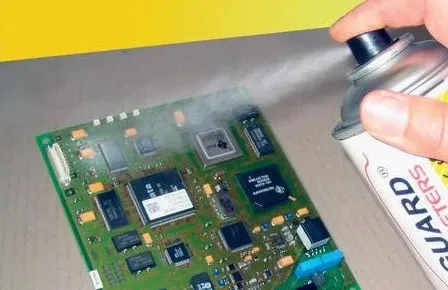
Choose your method based on project scale: aerosol spray for quick hobby coverage, brush for precise spots, or dip for uniform full boards. Apply in thin layers, aiming for 25 to 75 microns total thickness across multiple passes to avoid runs or bubbles. Hold the spray 20 to 30 cm away, sweeping evenly. Allow each layer to dry partially before the next. Ventilation is key to manage fumes.
Post-application, inspect for uniformity and pinholes using a blacklight if fluorescent grade. Cure fully per instructions, typically 24 hours for full properties. Test functionality before enclosure. Following IPC-A-610 criteria helps verify acceptability. Troubleshooting bubbles involves slower application; fisheyes signal contamination.
Acrylic Conformal Coating Removal Techniques
Acrylic conformal coating removal becomes necessary for repairs or modifications, and its solvent solubility simplifies the process. Use compatible solvents like acetone or methyl ethyl ketone applied with swabs or brushes for targeted stripping. Soak stubborn areas briefly, then gently scrape with plastic tools to avoid board damage. Work in a well-ventilated area and wear gloves. This method preserves traces and components.
For larger areas, immersion in solvent baths works, followed by rinsing and drying. Avoid prolonged exposure to prevent delamination. Mechanical methods like abrasion suit tough spots but risk substrate damage. Thermal stripping heats the coating for peeling, useful post-solvent softening. IPC-7711/7721 provides rework guidelines to maintain quality. Always verify electrical integrity after removal.
Advantages and Limitations in Hobby Applications
Acrylic excels in conformal coating for hobby projects due to low cost and user-friendliness. It protects against common threats in prototypes like battery-powered gadgets or weather stations. Quick application speeds iteration cycles. Rework ease supports experimentation. Limitations include moderate chemical resistance, unsuitable for harsh solvents or fuels.
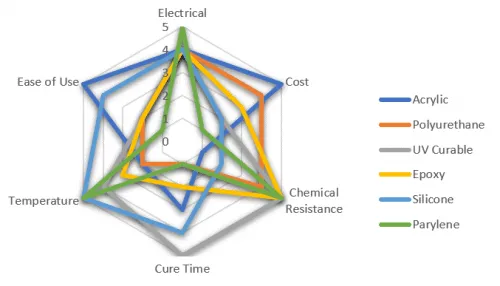
Compared to silicone, acrylic offers better abrasion resistance but less flexibility at extremes. Polyurethane surpasses in adhesion but harder to remove. For most hobbyists, acrylic strikes the right balance. Test in simulated conditions for assurance.
Troubleshooting Common Issues with Acrylic Conformal Coating
Uneven coverage often traces to rushed application or poor prep. Slow down layers and ensure cleanliness. Dewetting, where coating pulls away, indicates oils; extra IPA wipes fix it. Cracking signals overthickness or inflexibility; thin more coats. Poor adhesion from moisture requires baking the board pre-coat.
Fume sensitivity calls for masks and exhaust. If curing fails, check humidity. Visual defects like orange peel improve with warmer temps. Systematic checks yield reliable results.
Conclusion
Acrylic conformal coating proves essential for hobbyists seeking durable electronics protection. Its properties deliver moisture barrier and insulation without complexity. Proper applying acrylic conformal coating follows simple prep and thin layers for success. Removal stays straightforward for tweaks. As the best acrylic conformal coating for electronics in general use, it fits diverse projects. Embrace it to elevate your builds from fragile to robust.
FAQs
Q1: What are the main acrylic conformal coating properties that benefit hobbyists?
A1: Acrylic conformal coating properties feature high dielectric strength to prevent arcing, good moisture resistance for humid environments, and flexibility to handle vibrations. It dries quickly for fast workflows and resists abrasion from handling. Easy removal supports repairs. These make it ideal for conformal coating for hobby projects like sensors or controllers, balancing protection and practicality.
Q2: How should hobbyists go about applying acrylic conformal coating?
A2: Start by cleaning the PCB with isopropyl alcohol and masking sensitive areas. Use spray or brush for thin, even layers, allowing partial drying between coats. Aim for 25-75 microns total thickness. Inspect under light and cure fully. Applying acrylic conformal coating this way ensures uniform protection without defects, perfect for home workshops. Ventilate well during use.
Q3: What is the best way to perform acrylic conformal coating removal?
A3: Apply solvents like acetone with swabs to dissolve the coating, gently scraping as needed. Rinse thoroughly and dry. For full boards, use immersion baths briefly. Acrylic conformal coating removal preserves components due to its solubility. Follow safety with gloves and ventilation. Test circuits post-removal to confirm integrity.
Q4: Why choose acrylic as the best acrylic conformal coating for electronics in hobby projects?
A4: Acrylic offers cost-effective moisture and dust protection with simple application via aerosols. It meets general needs without special tools, unlike parylene. High reworkability suits iterative designs. Properties align with hobby demands for reliability in casual environments. It outperforms basics while staying accessible.
References
IPC-CC-830B — Qualification and Performance of Electrical Insulating Compounds for Impregnating and Coating Printed Boards. IPC, 2018
IPC J-STD-001H — Requirements for Soldered Electrical and Electronic Assemblies. IPC, 2018
IPC-A-610H — Acceptability of Electronic Assemblies. IPC, 2019
IPC-7711/7721 — Rework, Modification and Repair of Electronic Assemblies. IPC, 2017