Introduction
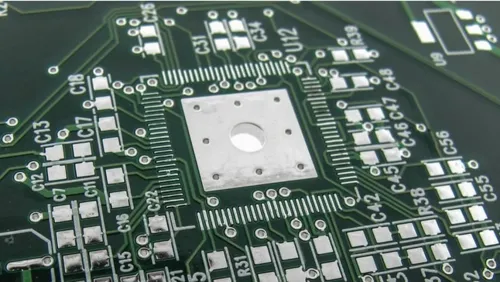
Printed circuit boards form the foundation of modern electronics, serving as the structural and electrical backbone for countless devices. While the bare board might appear simple, its manufacturing involves complex processes that demand precision to ensure reliability under operational stresses. IPC certification emerges as a critical benchmark in this domain, validating that personnel and processes align with rigorous industry guidelines. For electric engineers specifying or procuring PCBs, understanding IPC certification benefits extends beyond compliance to tangible improvements in product performance and longevity. This article explores how IPC certification elevates PCB manufacturing standards, fostering consistency from fabrication to final assembly. By prioritizing IPC compliance for PCB production, engineers can mitigate risks associated with variability in quality.
What Is IPC Certification in PCB Manufacturing?
IPC certification refers to structured training and validation programs administered by the IPC organization, focusing on key standards for electronics manufacturing. These programs certify individuals as specialists, trainers, or experts in applying criteria from documents like IPC-A-600 for bare board acceptability. Manufacturers achieve IPC certified status when their workforce completes these modules, ensuring uniform interpretation of requirements across classes one through three. This certification covers aspects from visual inspection to performance qualification, directly impacting PCB manufacturing standards. Electric engineers benefit from working with such certified teams, as it guarantees adherence to proven criteria without ambiguity.
The programs include Certified IPC Specialist for hands-on criteria understanding, Certified IPC Trainer for in-house delivery, and higher expert levels for complex interpretations. Each module targets specific standards relevant to fabrication, such as plating thickness, conductor spacing, and board warpage limits. Certification requires passing exams and demonstrations, with recertification to stay current with revisions. In practice, this translates to factories maintaining calibrated processes that align with global expectations.
Why IPC Certification Matters: Core Benefits for Engineers
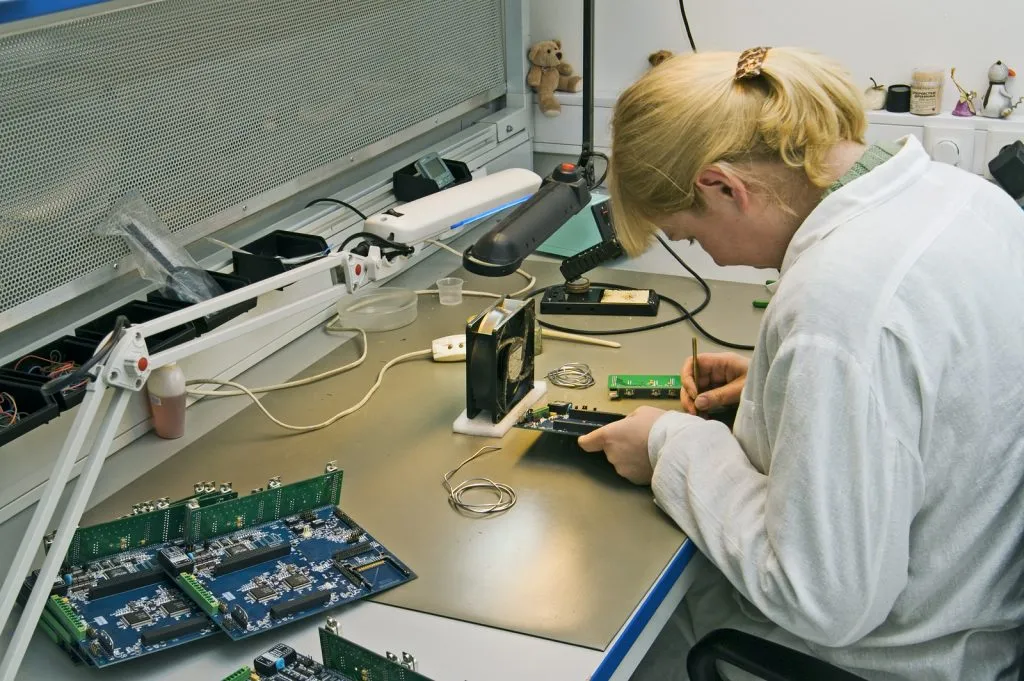
IPC certification benefits manifest in reduced defect rates during high-volume production, where even minor inconsistencies can cascade into field failures. Certified personnel apply precise criteria for acceptability, minimizing issues like delamination or insufficient hole wall plating that compromise signal integrity. For electric engineers designing high-speed circuits, this means PCBs that reliably handle thermal cycling and mechanical stresses without signal loss. Factories with IPC certified staff report streamlined workflows, as standardized training eliminates subjective judgments in inspections.
Another key advantage lies in enhanced supplier communication, where certification serves as a common language for specification reviews. Engineers can reference certified processes to predict manufacturability, avoiding costly redesigns. Moreover, IPC compliance for PCB production supports scalability, enabling transitions from prototypes to mass runs with consistent yields. Overall, these benefits underscore the importance of IPC in PCB manufacturing, positioning certified partners as reliable extensions of engineering teams.
Technical Foundations: How IPC Standards Drive Certification
IPC standards form the backbone of certification, with documents like IPC-6012 outlining qualification and performance specifications for rigid printed boards. This standard defines requirements for electrical, mechanical, and thermal properties, including conductor width tolerances and solder mask adhesion. Certification training immerses personnel in these specs, teaching how to verify compliance through tests like thermal shock or ionic cleanliness. Engineers appreciate this depth, as it ensures boards meet design margins for impedance control and voltage withstand.
Complementing this, IPC-A-600 provides visual and dimensional criteria for bare board inspection, distinguishing target conditions from acceptable ones. Trainees learn to identify nonconformities such as measling or haloing under magnification, directly tying to fabrication process controls. Non-adjacent application of these standards prevents overlap confusion, with certification bridging the gap between spec and execution. This structured approach equips factories to deliver boards that perform predictably in assemblies.
Ensuring Quality Through IPC-Certified Processes
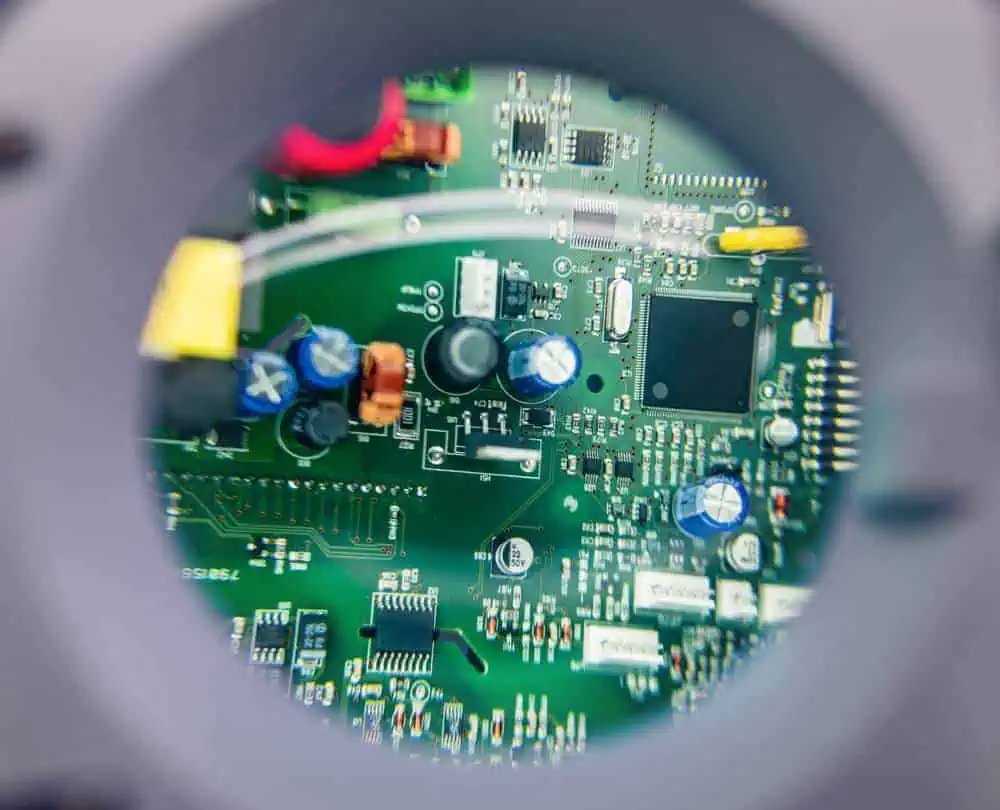
Practical implementation of IPC certification involves integrating modular training into factory operations, starting with baseline assessments of current practices. Certified trainers conduct sessions on specific modules, followed by open-book exams and workmanship samples to validate skills. Engineers should verify a manufacturer's certification scope, ensuring coverage for their PCB class and technology, such as high-layer counts or fine-pitch features. Regular audits by certified internal experts maintain compliance, catching drifts in processes like lamination or etching.
Best practices include cross-training across departments, from fabrication to incoming inspection, to foster holistic quality control. For instance, applying IPC criteria during vendor qualification reduces incoming defects by standardizing expectations. Engineers gain confidence knowing certified manufacturers employ statistical process control aligned with these standards, tracking metrics like yield per panel. This proactive stance minimizes rework, preserving timelines for critical projects.
Insights from Factory Perspectives: Real-World Application
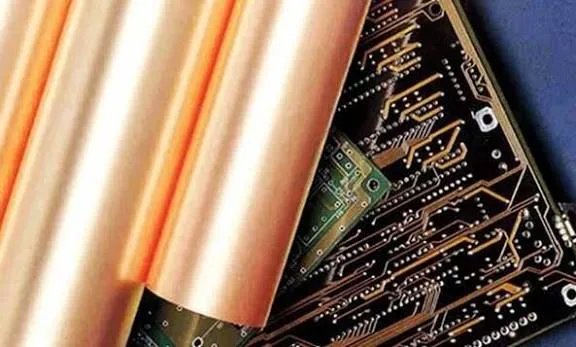
In high-reliability sectors, uncerti?ed processes often lead to variability in board flatness, affecting pick-and-place accuracy in assembly. IPC-certified factories mitigate this through trained inspections per IPC-6012, enforcing bow and twist limits via precise measurement setups. One common insight is the role of certification in handling material interactions, where certified specialists adjust for copper foil types to prevent pitting. Engineers troubleshooting failures frequently trace issues to non-certified inspections missing subtle plating voids.
Transitioning to certification yields measurable process stability, with factories reporting fewer customer returns due to cosmetic or functional rejects. For multilayer boards, certified teams excel in via reliability, applying drill and fill criteria that enhance thermal dissipation. These factory-driven insights highlight how IPC certification transforms potential weaknesses into strengths, directly supporting engineering goals for robust designs.
Challenges and Solutions in Adopting IPC Certification
Without certification, factories risk inconsistent interpretations, leading to over-spec boards that inflate costs or under-spec ones that fail prematurely. Solution lies in phased implementation: begin with core modules like IPC-A-600, then expand to performance specs. Engineers can assist by providing Gerber data annotated with class requirements, easing trainer alignment.
Overcoming resistance involves demonstrating ROI through pilot runs, where certified inspections cut scrap by focusing on high-impact defects. Long-term, certification facilitates ISO integration, layering quality management atop technical prowess. For global supply chains, it standardizes audits, reducing travel and verification overhead.
Conclusion
IPC certification elevates PCB manufacturing beyond basic fabrication, embedding standardized excellence into every stage. Electric engineers relying on IPC certified manufacturers secure benefits like superior reliability, cost efficiencies, and seamless integration. By prioritizing PCB manufacturing standards through certification, risks diminish, and innovation accelerates. Key takeaways include selecting partners with verified modules, leveraging standards for specs, and viewing certification as a process enabler. Ultimately, IPC compliance for PCB production ensures products that endure real-world demands.
FAQs
Q1: What are the main IPC certification benefits for PCB manufacturing?
A1: IPC certification benefits include consistent quality control, reduced defects, and improved process efficiency through trained personnel applying standards like IPC-A-600. Manufacturers achieve lower rework rates and better yield, directly benefiting electric engineers with reliable boards. Global recognition enhances supplier trust, streamlining procurement for complex designs. This alignment with PCB manufacturing standards minimizes variability across production runs.
Q2: Why is the importance of IPC in PCB fabrication overlooked?
A2: The importance of IPC in PCB stems from its role in defining acceptability and performance criteria, preventing failures in high-stress applications. Certified factories ensure uniform inspections, catching issues like conductor defects early. Engineers value this for predictable electrical performance in multilayer stacks. Overlooking it risks non-compliance, inflating costs from field returns.
Q3: How does choosing an IPC certified manufacturer impact quality?
A3: Selecting an IPC certified manufacturer guarantees staff expertise in standards, leading to precise fabrication per IPC-6012 specs. This results in boards with verified plating and flatness, enhancing assembly success. For electric engineers, it means fewer iterations and higher first-pass yields. IPC compliance for PCB production fosters long-term partnerships built on proven reliability.
Q4: What role does IPC compliance play in PCB standards adherence?
A4: IPC compliance ensures factories meet visual and performance benchmarks, such as hole quality and surface finish. Certification programs train on class-specific criteria, enabling tailored processes. Engineers benefit from documented traceability, aiding root-cause analysis. Ultimately, it upholds PCB manufacturing standards for durable, high-performance electronics.
References
IPC-A-600K — Acceptability of Printed Boards. IPC, 2020
IPC-6012E — Qualification and Performance Specification for Rigid Printed Boards. IPC, 2017
J-STD-001 — Requirements for Soldered Electrical and Electronic Assemblies. IPC, 2017