Introduction
Automated PCB assembly has transformed electronics manufacturing by enabling high-volume production with precision and speed. As production lines incorporate more robotics and inline processes, maintaining consistent quality becomes paramount to avoid costly rework and field failures. Quality control in this context involves a multifaceted approach, including automated PCB testing methods, rigorous process monitoring, and proactive defect prevention. Engineers must integrate these elements to meet end-product reliability demands in sectors like automotive, aerospace, and consumer electronics. This article delves into key strategies such as quality assurance in PCB automation, statistical process control for PCB, and real-time monitoring in PCB assembly. By aligning with established industry practices, manufacturers can achieve superior yield rates and compliance.
Why Quality Control Matters in Automated PCB Assembly
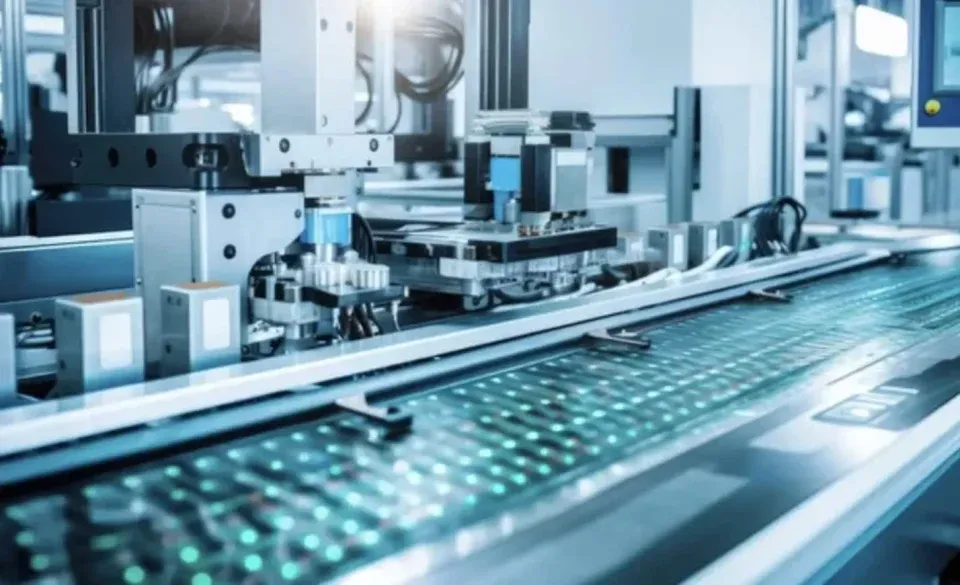
Automation accelerates throughput but amplifies the impact of defects, as errors propagate quickly across batches. Poor solder joints or misalignments can lead to intermittent failures, compromising device performance under thermal or vibrational stress. Robust quality control minimizes these risks, ensuring assemblies meet functional specifications from the outset. In high-reliability applications, such as medical devices, even minor defects can have severe consequences, underscoring the need for systematic oversight. Factory-driven insights reveal that proactive quality measures reduce scrap rates and enhance customer trust. Ultimately, effective quality control supports scalability while upholding performance standards.
Key Automated PCB Testing Methods
Automated PCB testing methods form the backbone of post-assembly verification, detecting issues that manual inspection might miss. Automated Optical Inspection (AOI) uses high-resolution cameras and algorithms to scan for solder defects, component misalignment, and bridging. This non-contact method excels in identifying surface-level anomalies at production speeds. X-ray inspection, or Automated X-ray Inspection (AXI), penetrates components to reveal hidden voids in solder joints or wire bonding errors. In-circuit testing (ICT) applies electrical probes to verify continuity, resistance, and capacitance values against design nets. Functional circuit testing (FCT) simulates real-world operation to confirm overall board performance.
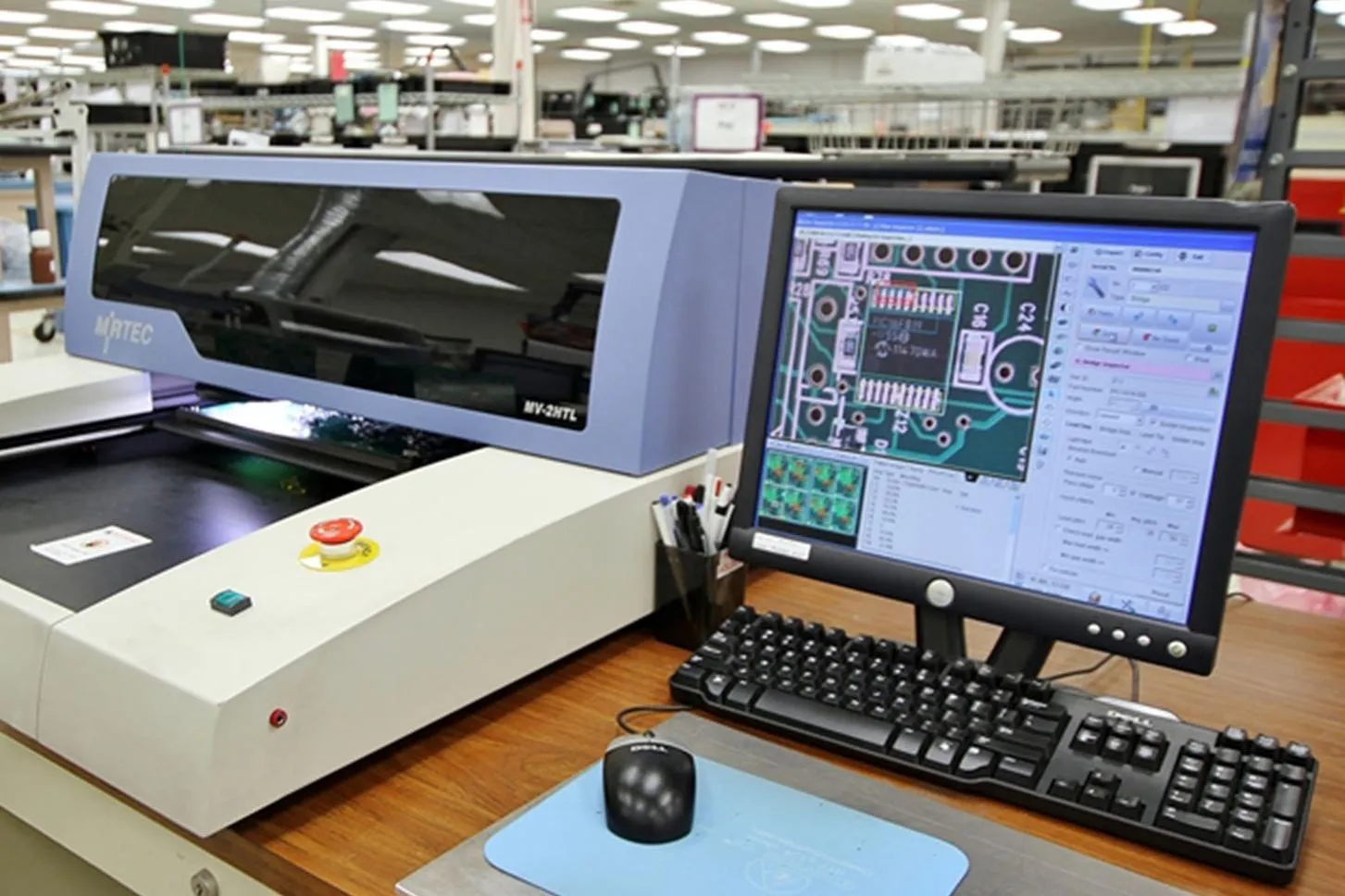
Flying probe testers offer flexibility for low-volume runs by dynamically positioning probes without dedicated fixtures. Boundary scan testing, based on standardized protocols, accesses digital circuits internally for comprehensive diagnostics. Each method complements others, with AOI and AXI handling visual and subsurface checks early in the line. Selection depends on board complexity, component density, and defect types prevalent in the process. Integrating multiple methods ensures comprehensive coverage, aligning with acceptability criteria outlined in IPC-A-610J.
Quality Assurance in PCB Automation
Quality assurance in PCB automation extends beyond testing to encompass process design, equipment calibration, and operator training. Standardized procedures prevent variability introduced by machine wear or material inconsistencies. Calibration schedules for pick-and-place machines and reflow ovens maintain alignment tolerances critical for fine-pitch components. Traceability systems log every step, from stencil printing to final packing, enabling root-cause analysis. Documentation per ISO 9001:2015 principles fosters continuous improvement through audits and feedback loops. This holistic framework minimizes human error in an otherwise automated environment.
Preventive maintenance protocols address common failure modes like nozzle clogs or vision system drift. Supplier qualification ensures incoming components meet specifications, reducing assembly rejects. Inline data analytics flag deviations before they escalate. Engineers benefit from these measures by gaining predictable outcomes, facilitating design iterations. Overall, quality assurance transforms automation from a speed tool into a reliability engine.
Defect Prevention in PCB Manufacturing
Defect prevention in PCB manufacturing relies on upstream controls rather than downstream correction. Design for manufacturability (DFM) reviews identify potential issues like inadequate pad sizes or thermal mismatches early. Solder paste inspection via SPI verifies volume and alignment before placement, averting tombstoning or insufficient wetting. Optimized reflow profiles control ramp rates to avoid overheating sensitive parts. Material handling minimizes electrostatic discharge and contamination through grounded workstations and climate control.
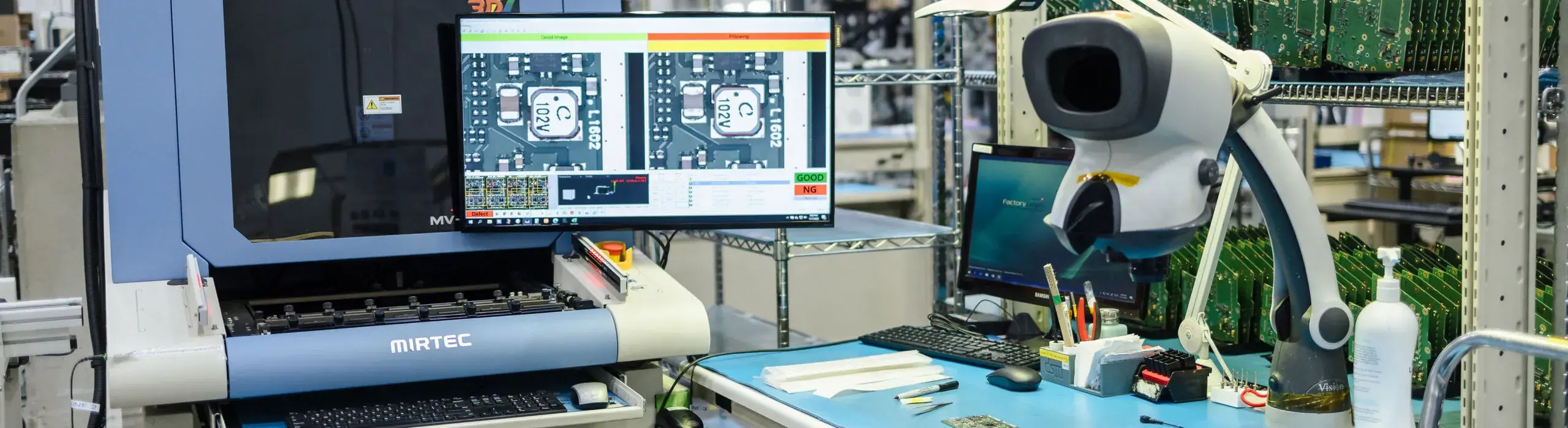
Process recipes incorporate margins for variation in board warpage or component tolerances. Feedback from prior runs refines parameters, creating a self-correcting loop. Training on handling non-conformances ensures consistent application of criteria. These strategies shift focus from reaction to anticipation, boosting first-pass yields. In automated lines, such prevention directly supports high uptime and cost efficiency.
Statistical Process Control for PCB
Statistical process control for PCB involves monitoring key parameters through control charts and capability indices. Variables like solder paste height, component offset, and joint fillet dimensions are tracked over time. Upper and lower control limits, derived from historical data, signal special cause variations warranting intervention. Process capability ratios, such as Cpk, quantify how well the process meets specifications. Guidelines from IPC-9191 provide frameworks for implementation in electronics assembly.
Real-Time Monitoring in PCB Assembly
Real-time monitoring in PCB assembly leverages sensors and IoT for instantaneous feedback. Vision systems detect placement errors during pick-and-place, halting lines if thresholds exceed. Thermal profilers track reflow zones to ensure peak temperatures align with alloy requirements. Vibration and force sensors on robots flag mechanical anomalies. Centralized dashboards aggregate data, alerting operators to drifts in yield or cycle time.
Machine learning algorithms analyze patterns, predicting defects from subtle precursors like paste slump. Integration with MES systems automates logging and reporting. This visibility reduces mean time to repair and optimizes throughput. For electric engineers, such monitoring provides granular insights into process health. It evolves quality control into a dynamic, predictive discipline.
Best Practices for Robust Quality Control
Adopt a layered approach, combining pre-process verification, inline checks, and post-process audits. Standardize training to IPC-A-610J classes matching product reliability needs, such as Class 3 for high-performance boards. Implement closed-loop feedback where test data auto-adjusts upstream parameters. Cross-train teams on multiple testing modalities for flexibility. Regularly audit equipment against manufacturer specs and recalibrate accordingly.
Foster a culture of continuous improvement through defect Pareto analysis. Collaborate with design teams on DFM to eliminate chronic issues. Simulate production stresses like thermal cycling in validation. These practices ensure quality scales with automation volume. Engineers can leverage them for dependable outcomes across projects.
Conclusion
Ensuring quality control in automated PCB assembly demands integrated strategies from testing to monitoring. Automated PCB testing methods like AOI and AXI catch defects efficiently, while statistical process control for PCB maintains process discipline. Quality assurance in PCB automation and defect prevention in PCB manufacturing minimize risks proactively. Real-time monitoring in PCB assembly provides the agility needed for modern lines. By adhering to standards and best practices, manufacturers achieve reliable, high-yield production. Electric engineers play a pivotal role in implementing these for superior electronic systems.
FAQs
Q1: What are the primary automated PCB testing methods used in assembly lines?
A1: Automated PCB testing methods include AOI for surface defects, AXI for internal voids, ICT for electrical continuity, and FCT for functional validation. Flying probe offers fixtureless probing for prototypes. These methods integrate seamlessly into high-speed lines, ensuring comprehensive coverage without slowing production. Selection aligns with board complexity and defect risks.
Q2: How does quality assurance in PCB automation differ from manual processes?
A2: Quality assurance in PCB automation emphasizes data-driven controls, traceability, and inline feedback absent in manual workflows. Automated calibration and SPC replace subjective judgments with metrics. ISO 9001:2015 frameworks guide documentation and audits. This shift yields higher consistency and scalability for volume production.
Q3: What role does statistical process control for PCB play in defect prevention?
A3: Statistical process control for PCB tracks variables like paste volume and placement accuracy via control charts. It distinguishes random from assignable variations, enabling targeted fixes. IPC-9191 guidelines tailor it to electronics. This prevents defects by maintaining capability before issues arise.
Q4: Why is real-time monitoring essential in modern PCB assembly?
A4: Real-time monitoring in PCB assembly uses sensors for immediate anomaly detection, reducing downtime. It supports predictive maintenance and yield optimization. Dashboards provide actionable insights for engineers. In automated environments, it ensures process stability amid variability.
References
IPC-A-610J — Acceptability of Electronic Assemblies. IPC, 2024
ISO 9001:2015 — Quality Management Systems. ISO, 2015
IPC-9191 — Implementation Guide for Statistical Process Control in Electronics Assembly. IPC