Introduction
In the competitive world of electronics manufacturing, electric engineers face constant pressure to deliver high-performance boards while keeping budgets in check. Traditional PCB assembly methods often involve stockpiling components and boards, leading to high inventory carrying costs, space requirements, and risks of obsolescence. Just-in-Time (JIT) PCB assembly emerges as a proven strategy for achieving cost-effective PCB assembly by synchronizing material deliveries with production schedules. This approach minimizes waste, streamlines workflows, and enhances overall efficiency without compromising quality. By adopting JIT principles, teams can realize significant JIT PCB assembly cost savings through reduced holding expenses and faster turnaround times. Engineers must understand how to implement these techniques practically to optimize PCB assembly budgets effectively.
What Is Just-in-Time PCB Assembly and Why It Matters
Just-in-Time PCB assembly refers to a lean manufacturing strategy where components, stencils, and bare boards arrive at the assembly facility precisely when needed for production, eliminating excess inventory. Originating from automotive manufacturing, JIT adapts well to electronics due to the rapid evolution of components and the need for quick iterations in product development. In PCB contexts, it involves close coordination between design, procurement, and assembly teams to forecast demand accurately and schedule deliveries accordingly. This method directly addresses common pain points like overstocking small outline transistors or capacitors that become obsolete within months. For electric engineers, JIT matters because it shifts focus from reactive inventory management to proactive process control, enabling reducing PCB assembly expenses across prototypes and high-volume runs. Ultimately, it supports low-cost PCB manufacturing by tying capital to active production rather than idle storage.
The relevance intensifies in high-mix, low-volume scenarios typical for custom electronics projects. Engineers dealing with surface-mount technology (SMT) lines benefit from JIT's ability to reduce setup times between batches. Without JIT, facilities tie up funds in warehouses full of reels and trays, inflating operational costs. Implementing JIT fosters a culture of continuous improvement, where every delay in supply chain signals a potential troubleshooting opportunity. This not only cuts direct expenses but also improves responsiveness to design changes or market demands.
Technical Principles Behind JIT PCB Assembly
At its core, JIT PCB assembly relies on precise demand forecasting integrated with supplier lead time management to maintain minimal buffer stocks. Engineers calculate economic order quantities adjusted for JIT, considering factors like component minimum order quantities (MOQs) and transportation times. The principle of pull production drives the process, where assembly line kanban signals trigger component replenishment, preventing overproduction. In SMT environments, this means feeders on pick-and-place machines receive parts in sequence-matched kits, avoiding downtime from stockouts. Adherence to standards like J-STD-001 for soldered electrical assemblies ensures that rushed JIT deliveries do not introduce defects from improper handling or storage. These mechanisms collectively drive JIT PCB assembly cost savings by converting fixed inventory costs into variable ones aligned with output.
Supply chain synchronization forms another key pillar, requiring robust communication protocols between PCB fabricators, component distributors, and assembly houses. Engineers troubleshoot variability by analyzing historical data on lead times, incorporating safety margins for global sourcing delays. Waste elimination follows the seven lean wastes model, targeting excess motion in material handling or waiting for parts. For through-hole and mixed-technology assemblies, JIT optimizes solder paste application and reflow profiles to match incoming board warpage tolerances per IPC-A-610 criteria. This standard-driven approach maintains quality while slashing expenses tied to rework or scrap.
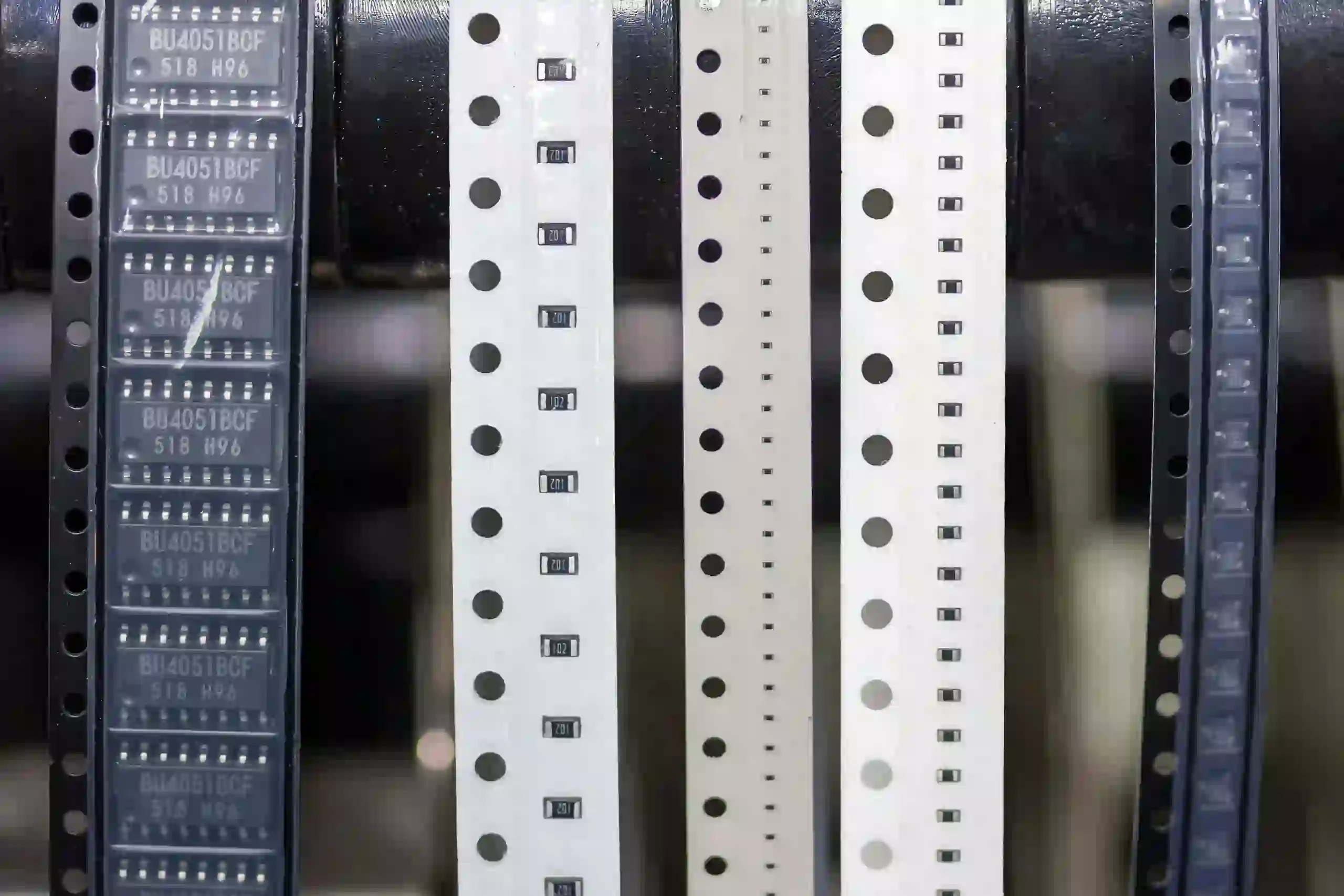
Inventory turnover ratios skyrocket under JIT, often exceeding 10 turns per year compared to 2-3 in batch systems, freeing capital for R&D. Real-time tracking via enterprise resource planning (ERP) systems supports this by providing visibility into every stage from stencil fabrication to final inspection. Engineers must calibrate machine setups for quick changeovers, using single-minute exchange of die (SMED) techniques to handle diverse board sizes without excess setup costs.
Practical Solutions and Best Practices for JIT Implementation
To achieve reducing PCB assembly expenses through JIT, start with supplier qualification emphasizing reliability and flexibility in delivery schedules. Select partners capable of consignment stocking or vendor-managed inventory (VMI), where they hold components until pulled for assembly. Engineers should conduct regular audits to verify compliance with ISO 9001 quality management systems, ensuring consistent material quality under tight JIT windows. Develop accurate bills of materials (BOMs) with alternate sourcing options to mitigate single-supplier risks. Pilot JIT on low-risk prototypes to refine forecasting models before scaling to production runs.
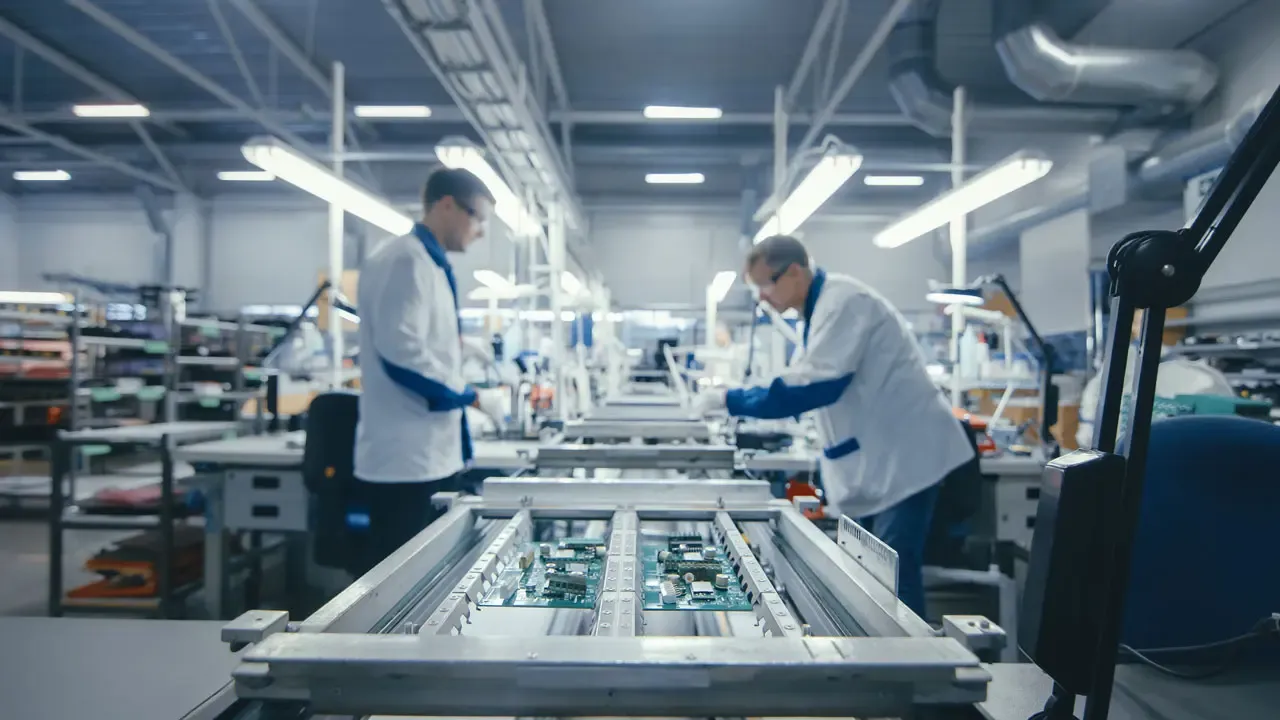
Optimize assembly line flow by grouping similar panel sizes and standardizing feeder setups for common components. This reduces reprogramming time on automated lines, a major contributor to low-cost PCB manufacturing. Implement daily production meetings to review kanban signals and adjust orders proactively. For troubleshooting stockouts, maintain a small supercap or universal tray for high-value passives, replenished via express air freight only as exceptions. Visual management tools like Andon cords halt lines for immediate issue resolution, preventing defect propagation.
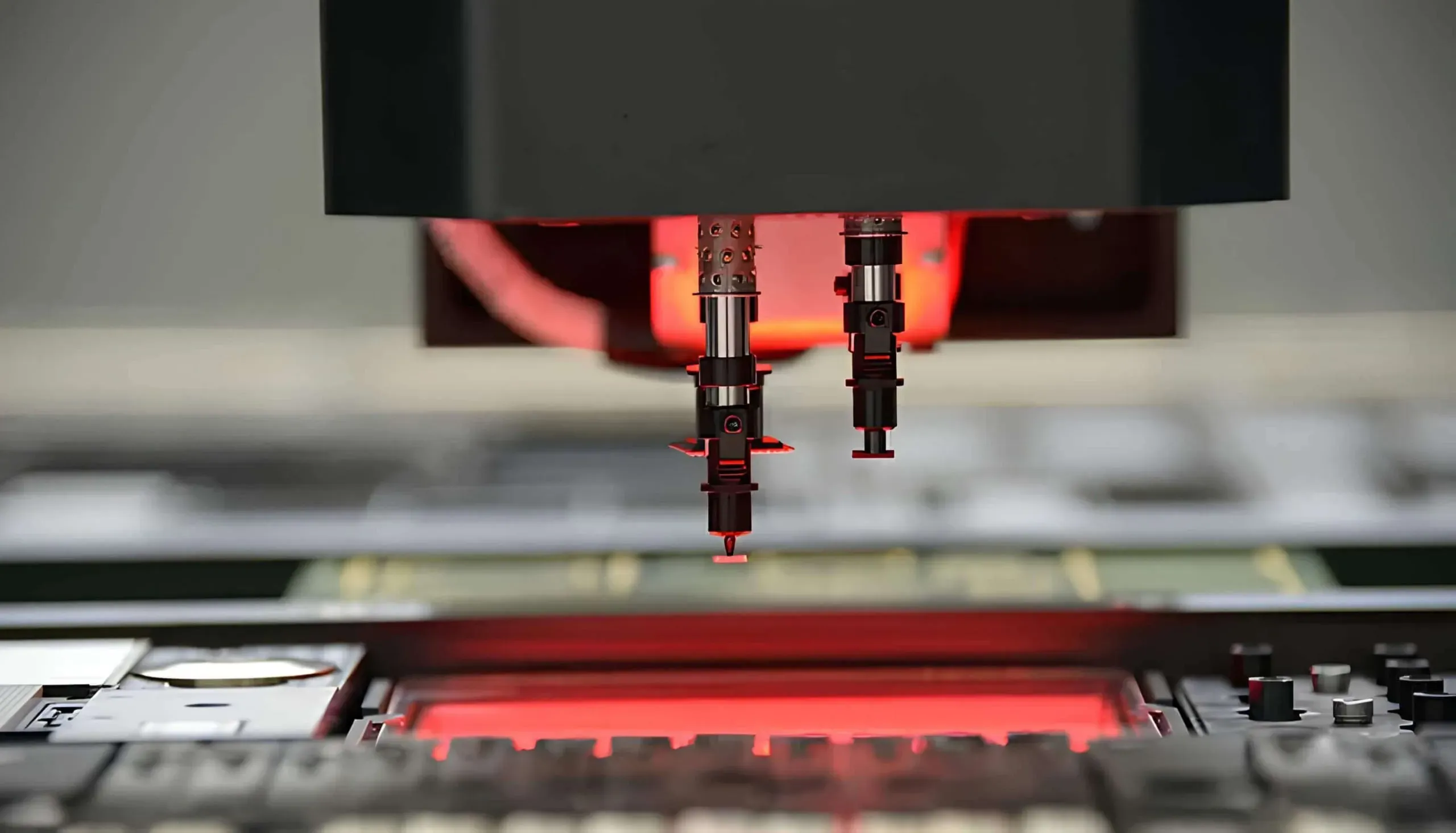
Panelization strategies enhance JIT efficiency by maximizing substrate utilization, minimizing per-board handling costs. Engineers troubleshoot warpage issues early by specifying controlled impedance stacks compliant with fabrication tolerances. Cross-train operators for multi-tasking, reducing labor idle time during part waits. Finally, conduct post-assembly yield analyses to quantify JIT impacts, targeting over 99% first-pass yields through iterative process tweaks.
Challenges in JIT PCB Assembly and Troubleshooting Strategies
Despite benefits, JIT introduces risks like supply disruptions from geopolitical events or component shortages, demanding robust contingency planning. Engineers address this by diversifying suppliers across regions and building flexible contracts with penalty clauses for delays. Component obsolescence hits harder in JIT due to no buffer stock, so proactive end-of-life (EOL) monitoring via industry alerts prevents last-minute redesigns. Troubleshoot forecasting errors using statistical process control (SPC) charts to track demand variance and refine models monthly.
Quality control tightens under JIT, as there's less margin for inspection rejects. Implement automated optical inspection (AOI) calibrated to IPC-A-610 Class 3 levels for high-reliability boards, catching solder voids or tombstoning early. Space constraints in lean facilities require vertical storage solutions for stencils and fixtures. Engineers mitigate reflow inconsistencies from varying ambient conditions on incoming boards by enforcing standardized packaging protocols.
Lead time volatility from fabricators challenges synchronization, so integrate with their scheduling APIs for real-time status. Troubleshoot by batching compatible designs for consolidated shipments, balancing urgency with economy.
Conclusion
Just-in-Time PCB assembly offers electric engineers a powerful toolkit for optimizing PCB assembly budgets through targeted waste reduction and enhanced flow. By mastering forecasting, supplier partnerships, and standard-compliant processes, teams unlock substantial JIT PCB assembly cost savings while upholding reliability. Practical troubleshooting ensures smooth adoption, turning potential pitfalls into efficiency gains. Embrace these strategies to elevate your projects toward sustainable low-cost PCB manufacturing.
FAQs
Q1: What are the primary JIT PCB assembly cost savings for electric engineers?
A1: JIT minimizes inventory holding costs, which can dominate budgets in volatile markets, by delivering parts only as needed. It reduces obsolescence risks for fast-changing components and cuts storage space requirements. Engineers see faster cash flow cycles and lower rework from fresher materials. Overall, this enables cost-effective PCB assembly without quality trade-offs, provided forecasting accuracy exceeds 95%.
Q2: How does JIT contribute to reducing PCB assembly expenses in SMT processes?
A2: In SMT, JIT aligns reel deliveries with pick-and-place schedules, slashing feeder changeover times and downtime. Standardized kitting prevents mismatches, optimizing machine utilization for high throughput. Troubleshooting focuses on kanban refinement to avoid stockouts during reflow peaks. This approach supports low-cost PCB manufacturing by converting fixed costs to variable ones tied to production volume.
Q3: What best practices optimize PCB assembly budget under JIT?
A3: Select flexible suppliers with VMI capabilities and audit them against ISO 9001 for reliability. Use ERP for real-time tracking and SMED for quick setups. Panelize designs for efficiency and maintain universal trays for exceptions. Regularly analyze yields per J-STD-001 to eliminate defects early. These steps ensure reducing PCB assembly expenses holistically.
Q4: Can JIT handle high-mix production for custom PCBs?
A4: Yes, JIT excels in high-mix by emphasizing quick changeovers and precise kits, reducing batch minimums. Engineers troubleshoot via cross-training and visual controls to manage variety. It cuts excess motion waste, promoting cost-effective PCB assembly even for prototypes. Success hinges on accurate BOMs and supplier sync.
References
J-STD-001H — Requirements for Soldered Electrical and Electronic Assemblies. IPC, 2018
IPC-A-610H — Acceptability of Electronic Assemblies. IPC, 2019
ISO 9001:2015 — Quality Management Systems. ISO, 2015