Introduction
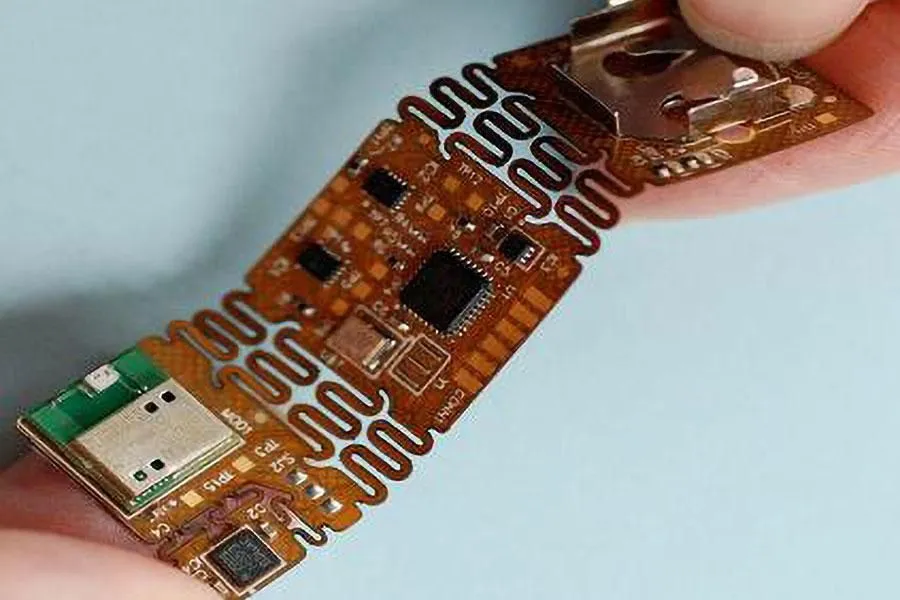
Silkscreen on flexible PCBs serves critical functions such as component identification, assembly guidance, and branding, but its application demands unique considerations due to the dynamic bending environment. Unlike rigid boards, flex PCBs experience repeated flexing, which can cause silkscreen cracking, delamination, or fading if the ink lacks sufficient elasticity. Choosing the right silkscreen color for flexible PCBs involves balancing visibility, contrast with the coverlay or substrate, and mechanical durability to ensure long-term reliability. Engineers must evaluate ink formulations that maintain legibility through thousands of bend cycles while adhering to factory processes. This article explores these special considerations, drawing from manufacturing insights to guide selections for optimal performance in applications like wearables and medical devices.
What Is Silkscreen on Flexible PCBs and Why It Matters
Silkscreen, also known as legend printing, applies epoxy-based or UV-curable inks to the PCB surface for text, logos, and reference designators. On flexible PCBs, it overlays the coverlay or solder mask, typically polyimide films that provide insulation and protection. The choice of silkscreen color flexible PCB directly impacts readability during assembly and inspection, especially under varying lighting conditions in production lines. Poor color selection can lead to misidentification, increasing assembly errors and rework costs.
Durability becomes paramount because flex PCB silkscreen colors must resist shear forces from bending, which rigid board inks cannot handle. In high-volume manufacturing, a durable silkscreen color flexible PCBs ensures compliance with quality checks and extends field life in dynamic installations. Factory-driven testing reveals that incompatible colors or inks compromise traceability, violating acceptability criteria. Ultimately, thoughtful silkscreen design enhances yield rates and supports reliable electronics in compact, mobile systems.
Technical Principles Behind Silkscreen Performance in Flex Applications
The core challenge with silkscreen color for bending PCBs lies in ink mechanics under strain. Flexible substrates like polyimide undergo elongation up to 10-20% during bends with radii as small as 1mm, demanding inks with matching flexibility to avoid microcracks. Adhesion relies on chemical bonding between ink and coverlay, tested via tape peel methods, where delamination signals failure. Color pigments influence this; opaque whites provide better UV resistance than translucent hues, maintaining opacity post-cure.
Contrast plays a key role, as yellow polyimide coverlays pair best with white or black silkscreen for sharp edges, per visibility standards in flexible PCB manufacturing. Thermal curing processes, reaching 150-180°C, can embrittle non-flexible inks, leading to brittle failure in silkscreen adhesion flex PCBs. Factory processes favor UV-curable inks for their rapid cure and elasticity, reducing defects in high-speed printing. These principles ensure markings survive environmental stresses like humidity and vibration alongside mechanical flexing.
IPC-6013 outlines qualification for flexible printed boards, including visual and marking integrity after flex endurance.
Factors Influencing Silkscreen Color Selection for Flex PCBs
Color choice starts with substrate compatibility; white ink dominates due to high contrast on yellow coverlays common in flex PCBs, ensuring readability without glare. Black offers alternatives for light-colored bases but risks lower durability from higher pigment loading, which stiffens the film. Yellow or red silkscreen appears in caution markings but demands specialized flexible formulations to match bend radii. Factory experience shows white UV inks excel in flex PCB silkscreen colors for their balance of opacity and elongation.
Pigment type affects solvent resistance and abrasion; matte whites resist fingerprints better than gloss variants during handling. Environmental factors like chemical exposure in assembly further dictate choices, with non-halogenated inks preferred for sustainability. Line widths minimum 0.1mm and heights 0.6mm prevent bleeding during print, critical for dense flex layouts. Overall, color decisions tie directly to application demands, prioritizing those proven in cyclic bending.
Challenges with Silkscreen Durability in Bending Environments
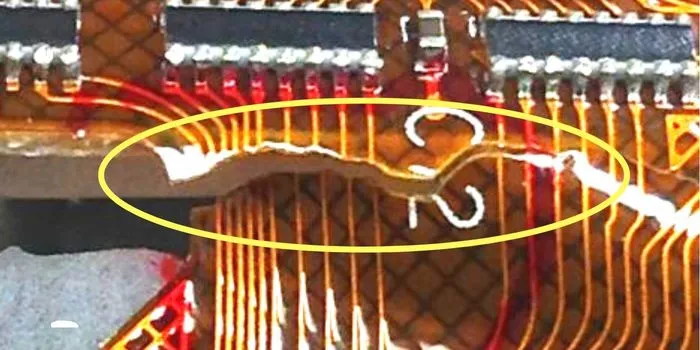
Repeated bending induces tensile stress on silkscreen layers, where rigid inks fracture along bend lines, obscuring labels. Delamination occurs if adhesion weakens post-flex, often from mismatched thermal expansion coefficients between ink and polyimide. Factory tests simulate 10,000+ cycles at specified radii to validate performance, revealing color-specific weaknesses like fading in reds under UV. Moisture ingress exacerbates issues, softening inks and promoting peel-off in humid conditions.
Placement strategy mitigates risks; avoid silkscreen on high-flex zones, confining it to strain-relief areas or rigid tails. IPC-4781 specifies tests for ink adhesion, flexibility, and solvent resistance, guiding qualification for flex use. Color vibrancy degrades faster in dynamic apps, underscoring the need for robust pigments. These challenges demand proactive design to uphold marking integrity throughout the product lifecycle.
Best Practices for Implementing Durable Silkscreen on Flex PCBs
Select UV-curable inks certified for flexibility, applied via screen printing with emulsions tuned for fine lines. Ensure 100% coverage without pinholes through post-print inspection under magnification. Bake at controlled ramps to maximize cross-linking without substrate warp. For silkscreen adhesion flex PCBs, perform cross-hatch tape tests pre-shipment, targeting Class 1 per standards.
Position markings parallel to bend axes to minimize perpendicular stress, using fonts sans-serif for clean reproduction. Limit colors to white or black for cost and reliability, reserving others for static areas. Collaborate with fabricators on stackup drawings specifying ink specs and bend radii. These practices, rooted in factory workflows, yield robust silkscreen color flexible PCB implementations.
Incorporate bend allowances in layout software, offsetting traces from flex lines by at least 0.5mm. Validate with prototype flex cycles, adjusting ink thickness to 20-30μm for optimal durability.
Troubleshooting Common Silkscreen Issues in Flex Production
Cracking often traces to insufficient ink elongation; switch to polymer-modified formulations and retest. Fading signals UV instability, resolved by adding stabilizers during compounding. Poor adhesion from surface contamination requires plasma cleaning pre-print. Color mismatch with coverlay hampers inspection; prototype panels confirm contrast ratios above 4:1.
Assembly feedback highlights rub-off; abrade tests per IPC methods isolate weak batches. Overprinting on vias causes shorts, fixed by 0.1mm clearances. Systematic logging of failures refines processes, ensuring durable silkscreen color flexible PCBs.
Conclusion
Selecting silkscreen color for flexible PCBs requires prioritizing flexibility, adhesion, and contrast to withstand bending stresses inherent in applications. White inks emerge as reliable choices for their proven durability and visibility on polyimide bases, supported by rigorous testing. Adhering to standards like IPC-6013 and IPC-4781 guarantees performance from factory to field. Engineers benefit from these considerations by minimizing defects and enhancing assembly efficiency. Ultimately, informed choices elevate flex PCB reliability in demanding environments.
FAQs
Q1: What makes silkscreen color flexible PCB different from rigid boards?
A1: Flex PCB silkscreen colors must feature elastic inks to endure bending without cracking, unlike rigid where standard epoxies suffice. Factory processes emphasize UV-curable options for adhesion and elongation matching polyimide substrates. Contrast with yellow coverlays favors white for legibility. Testing per IPC-4781 verifies durability through flex cycles.
Q2: How to ensure durable silkscreen color flexible PCBs in production?
A2: Opt for flexible UV inks tested for 10,000+ bend cycles at target radii. Avoid high-flex zones, placing markings on stable areas. White provides optimal contrast and abrasion resistance on polyimide. Plasma treat surfaces for adhesion, followed by tape tests. Factory validation confirms no delamination post-assembly.
Q3: What are key factors for silkscreen adhesion flex PCBs?
A3: Adhesion depends on ink-coverlay compatibility, surface prep, and cure profiles. Cross-hatch tests per IPC standards assess peel strength. Flexible pigments prevent stress cracks during bending. Minimum 0.1mm clearances from traces avoid contamination. Moisture control during storage preserves bonds long-term.
Q4: Can any color be used for flex PCB silkscreen colors?
A4: No, colors like white excel due to UV stability and contrast, while reds may fade faster. Select based on coverlay hue and application flexing. Factory inks are qualified for elongation to match substrate strain. Black suits light bases but check abrasion. Prioritize standards-compliant options.
References
IPC-6013DS — Qualification and Performance Specification for Flexible and Rigid-Flex Printed Boards. IPC, 2020
IPC-4781 — Qualification and Performance of Printed Circuit Board Legend Inks. IPC, 2019
IPC-2223C — Sectional Design Standard for Flexible/Rigid-Flexible Printed Boards. IPC, 2019