Introduction
Silkscreen, also known as legend printing, plays a crucial role in printed circuit boards by providing essential markings for component placement, polarity indicators, and assembly instructions. Electric engineers often prioritize silkscreen for its impact on manufacturability and long-term board usability. However, selecting the right silkscreen color involves balancing readability, durability, and production costs. With rising demands for budget-friendly PCB solutions, exploring cost-effective silkscreen colors becomes vital for optimizing project economics without compromising performance. This article delves into cheap silkscreen color options and strategies for reducing silkscreen color costs, drawing from factory-driven insights aligned with industry standards.
In PCB manufacturing, silkscreen adds value through clear identification, yet custom choices can inflate expenses. Standard options like white ink on green solder mask remain popular for their affordability and high contrast. Engineers must consider ink formulation, application methods, and environmental resistance when aiming for affordable PCB silkscreen. By understanding these elements, teams can implement budget-friendly silkscreen color choices that maintain quality.
What Is PCB Silkscreen and Why It Matters
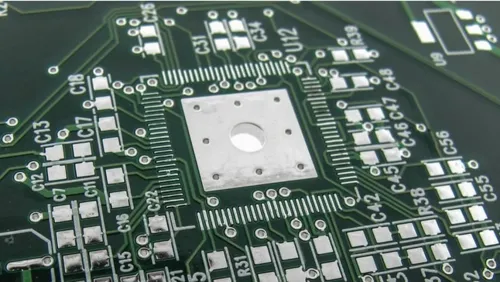
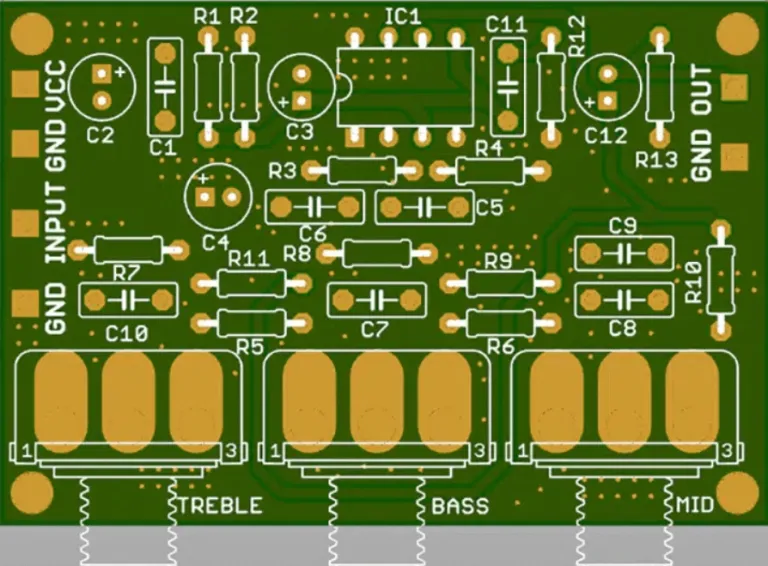
PCB silkscreen refers to the non-conductive ink layer applied to the board's surface, typically after solder mask, to print text, logos, and reference designators. This layer ensures traceability and aids in assembly, testing, and rework processes. For electric engineers, legible silkscreen directly influences production yield and field reliability. Poor color selection can lead to misreads during high-volume assembly, increasing error rates and costs.
The relevance of silkscreen color extends to compliance with manufacturing tolerances and end-user requirements. White remains the default choice due to its excellent visibility against most solder masks, but alternatives like black or yellow serve specific contrast needs. Cost-effective silkscreen colors matter because they constitute a notable portion of fabrication expenses, especially in prototypes or low-volume runs. Factories prioritize options that minimize setup changes and ink waste for efficiency.
Moreover, silkscreen durability affects board lifespan under thermal cycling and chemical exposure. Standards such as IPC-A-600 define acceptability criteria for legibility and adhesion, ensuring silkscreen withstands assembly reflow. Neglecting these can result in rework, amplifying overall project budgets.
Technical Principles of Silkscreen Colors
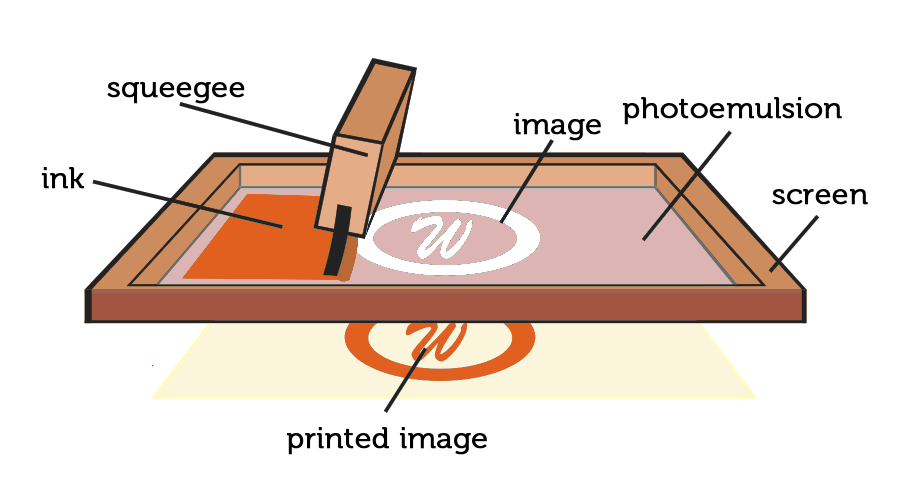
Silkscreen inks consist of pigments suspended in a polymer base, such as epoxy or UV-curable resins, which cure to form a durable film. Color arises from inorganic or organic pigments, with white typically using titanium dioxide for opacity and brightness. Black employs carbon black, while yellow or red rely on specialized pigments that influence cost due to availability and purity. Factory processes involve screen printing through stencils, followed by curing to achieve solvent resistance.
Pigment loading and particle size determine color vibrancy and coverage, directly impacting material efficiency. Standard white ink benefits from economies of scale, making it the most affordable PCB silkscreen option in high volumes. Custom colors require separate mixing and validation, raising PCB costs through longer setup times and potential scrap. UV-curable inks cure faster than thermal types, supporting throughput in cost-sensitive production.
Contrast ratios between silkscreen and solder mask govern readability, with IPC-4781 specifying qualification tests for ink permanence under humidity, abrasion, and temperature extremes. Matte finishes reduce glare for better visibility compared to glossy ones, though they may slightly increase ink usage. Ink thickness, usually 10 to 25 microns, balances opacity and flexibility to prevent cracking during flexing.
Adhesion testing per IPC-6012 ensures silkscreen withstands multiple reflow cycles without peeling. Color stability prevents fading, critical for boards in harsh environments. These principles guide engineers toward cost-effective choices that align with performance specs.
Factors Influencing Silkscreen Color Costs
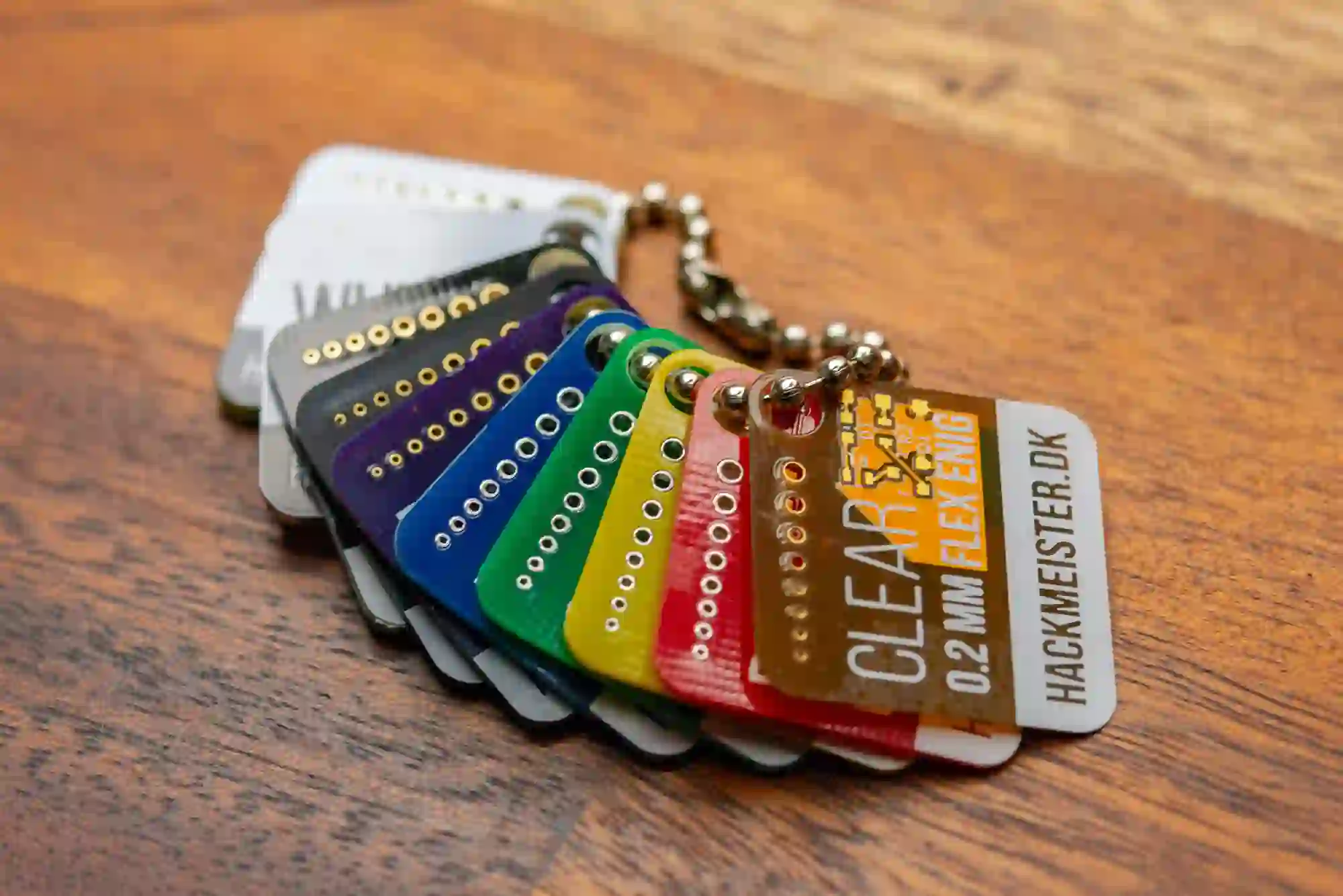
Several manufacturing factors drive the price of silkscreen application. Standard white ink incurs minimal upcharge because factories stock it in bulk and optimize processes around it. Introducing non-standard colors like red or blue necessitates custom pigment blends, which extend preparation time and require dedicated screens. Panel utilization drops if color changes interrupt production runs, inflating PCB manufacturing costs.
Application method also plays a role: traditional screen printing suits large volumes for its speed and low material cost, while liquid photoimageable silkscreen (LPI) offers finer resolution at a premium. LPI redufces defects in dense designs but demands precise exposure control, adding to expenses. Ink volume correlates with coverage area, so minimizing non-essential graphics trims material use.
Curing infrastructure influences economics; UV systems enable rapid inline processing, ideal for budget-friendly silkscreen color choices. Thermal ovens, though reliable, slow throughput and consume more energy. Compliance testing per IPC-4781 verifies color fastness, but frequent re-qualification for exotics raises validation fees.
Volume scaling amplifies savings: high-mix, low-volume favors cheap silkscreen color options like white, while mass production absorbs custom setups. Solder mask interaction matters, as mismatched contrasts demand thicker ink layers.
Practical Solutions for Reducing Silkscreen Color Costs
Opt for white silkscreen on green solder mask as the baseline for cost-effective silkscreen colors, leveraging its superior contrast and factory standardization. This pairing meets legibility per IPC-A-600 without extras. Limit to one color per side to avoid multi-pass printing, which doubles setup and alignment risks. Design reference designators with 6 mil minimum width to ensure clean reproduction on standard equipment.
Incorporate debug aids sparingly to control ink area, focusing on critical polarities and test points. Matte white reduces reflectivity issues in inspection without cost penalty. For dark solder masks like black, switch to white over yellow for readability, as yellow pigments cost marginally more but provide alternatives.
Streamline artwork by vectorizing text and avoiding fills, easing stencil fabrication. Validate designs virtually for coverage efficiency before quoting. These steps yield affordable PCB silkscreen while upholding quality.
Use UV-curable white ink for faster curing and lower energy use in mid-volume runs. Consolidate markings to top side where possible, halving bottom-layer costs. Collaborate with fabricators early to confirm standard color availability, preventing surprises.
Best Practices in Factory Implementation
Factories implement silkscreen by first cleaning panels post-solder mask to promote adhesion. Stencil alignment tolerances under 2 mils ensure precision. Post-print inspection checks for pinholes and bleeding per IPC-A-600 Class 2 or 3 criteria.
For budget runs, batch similar colors to maximize panel efficiency. Automated optical inspection verifies color uniformity pre-cure. These practices minimize rejects, supporting reducing silkscreen color costs.
Conclusion
Selecting cost-effective silkscreen colors requires weighing contrast, durability, and manufacturing realities. Standard white ink emerges as the go-to for cheap silkscreen color options, offering reliability per IPC standards without premiums. Engineers achieve savings by standardizing choices, optimizing designs, and prioritizing legibility. These strategies enable budget-friendly silkscreen color choices that enhance PCB value. Ultimately, informed decisions balance quality and economy across the production lifecycle.
FAQs
Q1: What are the most cost-effective silkscreen colors for PCBs?
A1: White silkscreen provides the best value due to high availability and excellent contrast on green solder masks. It aligns with factory processes for minimal setup costs. Black serves dark boards affordably. Avoid exotics to keep expenses low while meeting IPC-4781 durability tests. (52 words)
Q2: How can engineers reduce silkscreen color costs without losing quality?
A2: Stick to single-color white or standard alternatives, minimizing coverage area through efficient design. Use UV-curable inks for faster throughput. Ensure compliance with IPC-A-600 for legibility, avoiding rework. Early fabricator input confirms budget-friendly silkscreen color choices. (48 words)
Q3: Are custom silkscreen colors worth the extra cost for affordable PCB silkscreen?
A3: Custom colors like red increase mixing and validation time, rarely justifying expense for most applications. Standard white suffices for readability and traceability. Reserve customs for branding needs, prioritizing contrast over aesthetics in engineering projects. (46 words)
Q4: What role do standards play in choosing cheap silkscreen color options?
A4: IPC-4781 qualifies inks for permanence, ensuring cost-effective choices withstand reflow and abrasion. IPC-6012 mandates board-level performance, guiding color selection for adhesion. These prevent failures, making standards essential for long-term savings. (45 words)
References
IPC-4781 — Qualification and Performance Specification for Permanent, Semi-Permanent and Temporary Legend Inks. IPC
IPC-A-600K — Acceptability of Printed Boards. IPC
IPC-6012E — Qualification and Performance Specification for Rigid Printed Boards. IPC