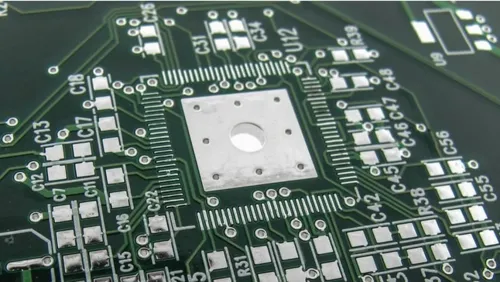
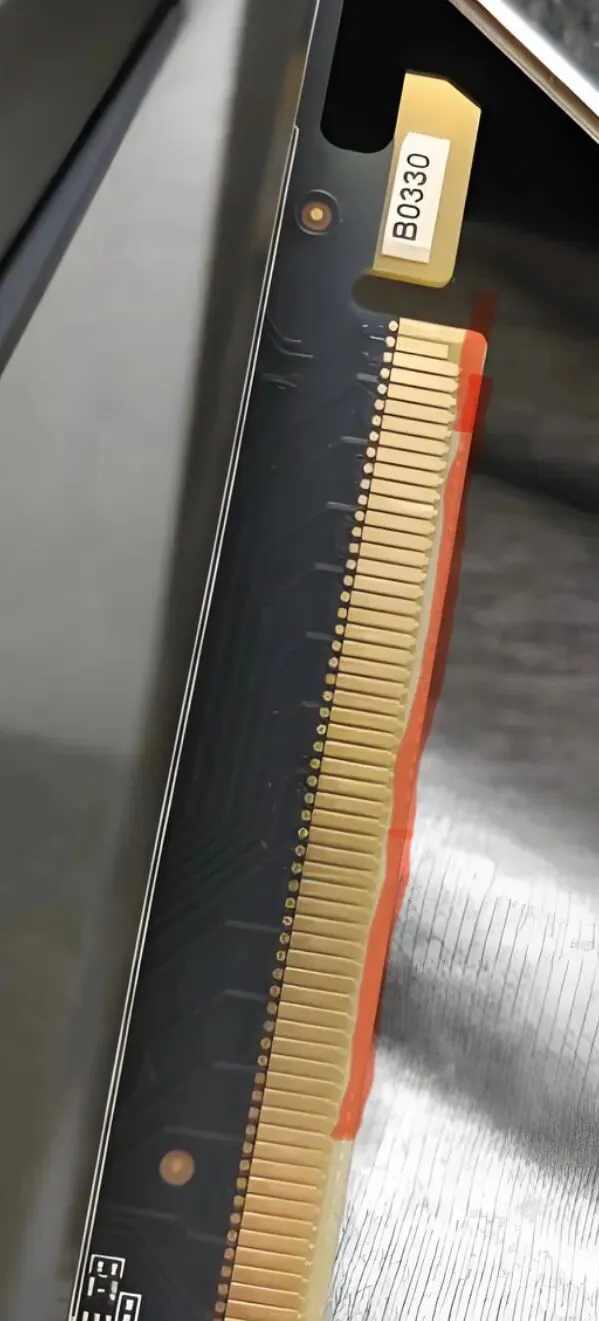
Introduction
In the world of printed circuit board design and manufacturing, safety certifications play a critical role in ensuring reliability and compliance. The UL Recognized Component Mark stands out as a key indicator for components like PCBs, signaling that they have undergone rigorous evaluation for use within larger systems. Electric engineers often encounter this mark when specifying boards for applications in consumer electronics, industrial controls, and medical devices. Understanding its implications helps in selecting PCBs that align with end-product certification needs. This article explores the UL recognized component mark PCB in depth, including its differences from full UL listing and the practical benefits it offers. By grasping these concepts, engineers can make informed decisions that enhance project outcomes.
What Is the UL Recognized Component Mark?
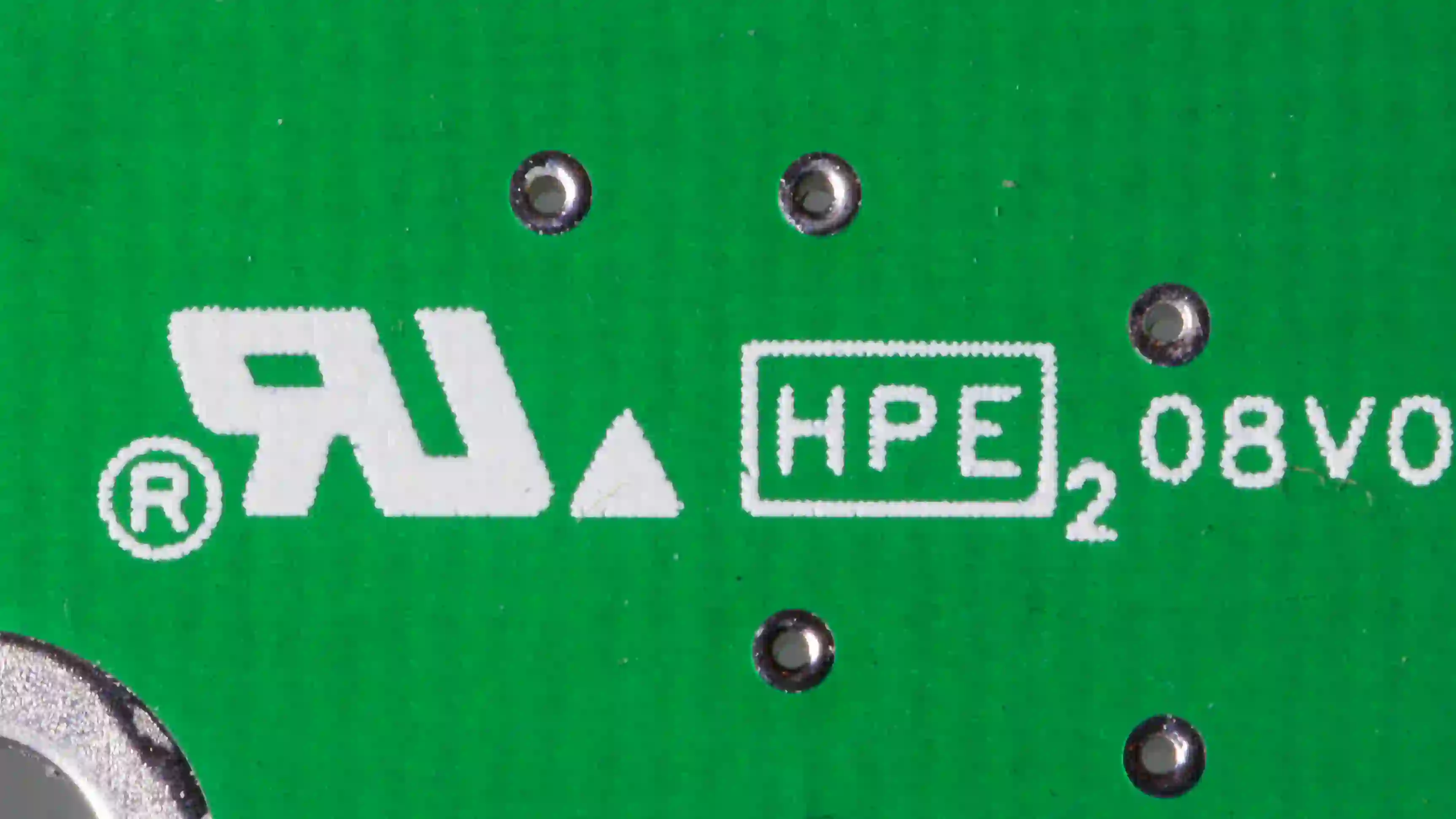
The UL Recognized Component Mark identifies components that Underwriters Laboratories has evaluated for specific safety hazards when used in end-products. Unlike certifications for complete devices, this mark applies to individual parts, such as PCBs, confirming they meet requirements under standards like UL 796 for printed wiring boards. Manufacturers apply the mark, typically a small "R" symbol accompanied by a file number and control plan identifier, directly onto the PCB surface. This marking provides traceability back to the UL file, allowing inspectors to verify compliance during audits. The process involves submitting representative samples for testing on flammability, electrical spacing, and material properties. Once approved, the manufacturer's facility undergoes periodic surveillance to maintain the recognition status. For electric engineers, this means PCBs bearing the mark integrate seamlessly into designs destined for higher-level certifications.
UL Listing vs UL Recognized Component: Key Differences for PCBs
Distinguishing between UL listing and UL recognized components is essential for PCB selection. A UL Listed product has been tested as a complete, standalone end-use device, undergoing comprehensive evaluations for all safety aspects in its intended environment. In contrast, the UL recognized component mark PCB designates boards as suitable subcomponents within such listed assemblies, focusing on their contribution to overall safety rather than standalone performance. This differentiation streamlines certification; end-product manufacturers can leverage recognized PCBs without redundant testing on basic board properties. Listing requires factory inspections and markings for the entire product, while recognition emphasizes component-specific risks like fire propagation or insulation breakdown. Engineers benefit from this tiered approach, as it reduces time and cost in qualifying complex assemblies. The choice depends on the application: standalone power supplies might need listing, while internal PCBs in enclosures suit recognition.
How UL Recognition Applies to Printed Circuit Boards
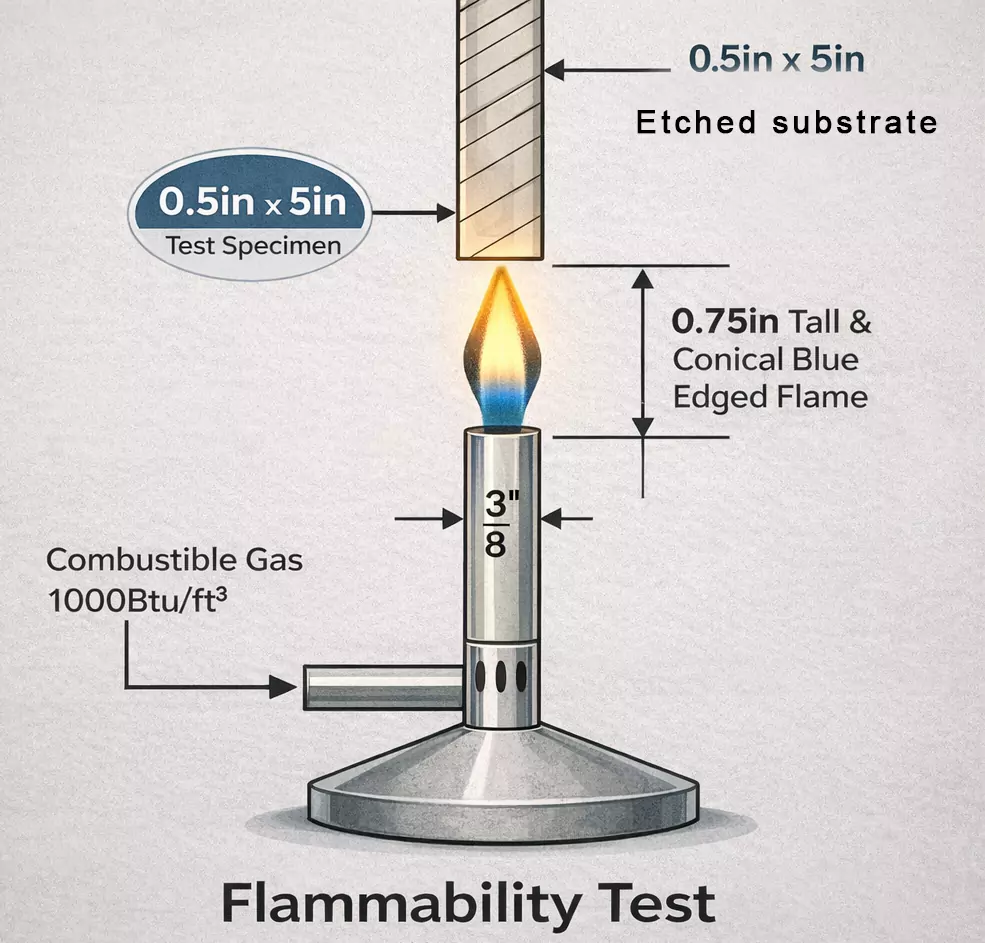
UL recognition for PCBs centers on mitigating risks such as fire, electric shock, and component failure under stress. Testing under UL 796 examines base materials for flammability, often requiring UL 94 V-0 or V-1 ratings to prevent ignition spread. Electrical clearances and creepage distances on the board must meet minimums based on voltage ratings and pollution degrees. Manufacturers implement a control plan detailing processes from laminate selection to final etching and solder mask application. These plans ensure consistency across production lots, with UL conducting unannounced audits. For multilayer boards, via reliability and interlayer adhesion come under scrutiny to avoid delamination in thermal cycling. Compliance often aligns with IPC-6012E qualification specifications for rigid printed boards, bridging voluntary standards with mandatory safety needs. Engineers specifying high-reliability designs appreciate this layered assurance.
Technical Evaluation Process for UL Recognized PCBs
The certification journey begins with the PCB fabricator submitting documentation and samples to UL. Evaluators assess material datasheets, verifying flame-retardant properties and comparative tracking index per UL protocols. Boards undergo conditioning like humidity exposure and temperature cycling to simulate real-world stresses. Marking placement receives particular attention; the UL symbol must be legible, typically silk-screened or etched in a designated panel area. Post-approval, quarterly reports from the manufacturer track production changes, triggering reverification if needed. This ongoing vigilance ensures the UL recognized component mark PCB remains valid throughout the supply chain. Electric engineers can request the UL file number during procurement to cross-check status online.
Benefits of UL Recognized PCBs in Engineering Applications
Opting for UL recognized PCBs delivers multiple advantages in safety, compliance, and efficiency. Primarily, it minimizes fire and shock hazards, critical in densely packed electronics where overheating poses risks. Regulatory bodies in North America and beyond accept the mark, facilitating market access without additional hurdles. End-product certification accelerates, as integrators reference the component file instead of full retesting. Liability exposure decreases for designers and assemblers, backed by third-party validation. Traceability enhances quality control; lot codes link back to tested batches, aiding failure analysis. This traceability pairs well with turnkey solutions from trusted PCB manufacturing capabilities. In high-volume production, these boards support scalable manufacturing while upholding IPC-A-600K acceptability criteria for visual and dimensional standards. Overall, the benefits of UL recognized PCBs extend from prototype validation to field deployment.
- Safety Assurance — Reduces risks of ignition and electrical faults in assemblies
- Faster Certification — Leverages pre-tested components for end-product approval
- Regulatory Compliance — Meets North American codes for electronics
- Traceability — Enables precise lot tracking and audits
- Cost Efficiency — Avoids redundant testing in development cycles
Best Practices for Specifying UL Recognized Component Mark PCBs
When designing, include the UL requirement in fabrication notes, specifying the file number if known from prior collaborations. Verify the mark's position avoids solder mask coverage or mechanical stress areas. Collaborate with fabricators holding active UL files to ensure control plan adherence. For assemblies, confirm solder materials and processes align with board recognition scope. Conduct incoming inspections focusing on mark legibility and lot code matching. Integrating J-STD-020E moisture sensitivity handling prevents damage during reflow, complementing UL safety. These steps position electric engineers for seamless integration and minimal rework.
Common Challenges and Troubleshooting Insights
Engineers occasionally face issues like faded markings from aggressive etching or delamination failing UL conditioning. Root causes often trace to inconsistent laminate quality or improper storage violating humidity controls. Auditing supplier control plans reveals gaps in process monitoring. In one scenario, switching to verified UL 94 V-0 prepregs resolved repeated flammability failures. Cross-referencing with IPC-6012E helped qualify alternatives swiftly. Proactive vendor qualification mitigates these pitfalls effectively.
Conclusion
The UL Recognized Component Mark serves as a cornerstone for safe, compliant PCB deployment in engineering projects. By differentiating it from full UL listing, engineers gain clarity on application scopes and certification efficiencies. Embracing its benefits streamlines development, bolsters reliability, and safeguards end-users. Specifying these marked boards, alongside standards like IPC guidelines, fortifies designs against real-world hazards. As electronics evolve toward higher densities and power levels, this mark remains indispensable for forward-thinking professionals.
FAQs
Q1: What is the difference between UL listing vs recognized for PCBs?
A1: UL listing certifies complete end-products for standalone safety, involving full-system testing and inspections. UL recognized applies to components like PCBs, validating their role within listed assemblies under focused evaluations such as flammability and spacing. This allows efficient integration without retesting basics. Electric engineers prefer recognized PCBs for internal boards to accelerate certification timelines.
Q2: Why choose UL recognized component mark PCB for my design?
A2: It ensures the board meets safety standards for fire and electrical risks, easing end-product approval. Traceability via file numbers supports audits and failure tracing. Benefits include reduced liability and faster market entry. Compliance aligns with demanding applications in industrial and consumer sectors.
Q3: What are the main benefits of UL recognized PCBs?
A3: Key advantages encompass enhanced safety through verified materials and processes, regulatory acceptance, and development speedups. Manufacturers maintain quality via audited control plans, minimizing defects. Engineers gain confidence in high-reliability assemblies, with cost savings from avoided extra testing.
Q4: How does UL recognition relate to PCB manufacturing standards?
A4: Recognition under UL 796 complements IPC specifications by emphasizing safety in production controls. It mandates consistent processes akin to IPC Class 2 or 3 qualifications. Engineers benefit from dual assurance in quality and hazard mitigation.
References
IPC-6012E — Qualification and Performance Specification for Rigid Printed Boards. IPC, 2017
IPC-A-600K — Acceptability of Printed Boards. IPC, 2020
J-STD-020E — Moisture/Reflow Sensitivity Classification. JEDEC, 2014