Introduction
In the fast-paced world of electrical engineering, the ability to iterate designs quickly stands as a critical factor in bringing innovative products to market. Low-volume PCB manufacturing emerges as a powerful enabler for rapid prototyping, allowing engineers to produce small batches of boards without the commitments required for high-volume runs. This approach supports PCB prototyping services that deliver quick turn PCB options, typically within days, facilitating faster validation of circuit performance and functionality. Electric engineers benefit from the flexibility to test multiple PCB design iterations under real-world conditions, reducing risks associated with scaling unproven layouts. By leveraging prototype PCB assembly in low volumes, teams can address signal integrity issues, thermal management, and component interactions early in the development cycle. Ultimately, this method unlocks efficiency gains that traditional mass production cannot match for early-stage projects.
What Is Low-Volume PCB Manufacturing and Why It Matters for Rapid Prototyping
Low-volume PCB manufacturing refers to the production of printed circuit boards in quantities ranging from a single unit up to several hundred, tailored specifically for prototyping and pre-production needs. Unlike high-volume processes optimized for cost per unit through automation and long runs, low-volume operations prioritize speed and customization to meet the demands of fast PCB prototyping. This capability proves essential for electric engineers working on complex systems where PCB design iteration is frequent, as it allows for rapid feedback loops on factors like trace routing and via reliability. Factory-driven insights reveal that low-volume runs often utilize panelization techniques, grouping multiple small boards onto a single production panel to maintain efficiency without sacrificing quality. Compliance with standards such as IPC-6012E ensures that these prototypes meet performance specifications for rigid printed boards, even in expedited timelines. The relevance intensifies in industries demanding quick turn PCB, where delays in prototyping can cascade into months-long project setbacks.
Technical Principles Behind Low-Volume PCB Production
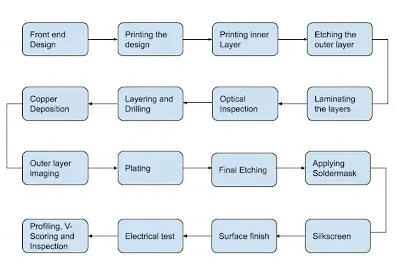
The core principles of low-volume PCB manufacturing revolve around streamlined fabrication processes that balance speed with precision. Engineers employ direct imaging or LDI for photolithography to achieve fine-line features rapidly, minimizing setup times compared to traditional film-based methods. Material selection focuses on standard FR-4 laminates with controlled impedance, enabling consistent electrical performance across small batches. Drilling and plating operations use automated CNC machines configured for flexibility, allowing quick adjustments for varying hole sizes and aspect ratios. Solder mask and silkscreen application follows laser direct imaging for accuracy, ensuring protection and legibility without extended cure cycles. These mechanisms collectively support quick turn PCB by reducing cycle times from design file to finished board to as little as 24-48 hours in optimized facilities.
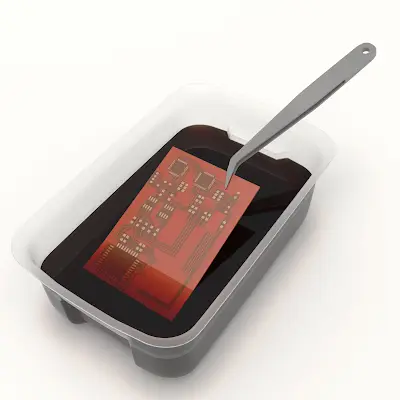
Electrochemical plating in low-volume settings emphasizes uniform copper deposition to prevent issues like overplating or voids, critical for prototype PCB assembly reliability. Factory practices incorporate real-time process controls, such as automated optical inspection after each step, to catch defects early. This contrasts with high-volume lines, where statistical process control dominates over individual board scrutiny. Thermal profiling during lamination ensures minimal warpage, a common challenge in prototypes with asymmetric layer stacks. By adhering to these principles, low-volume manufacturing delivers boards ready for immediate population and testing.
Advantages for Fast PCB Prototyping and Design Iteration
Low-volume PCB manufacturing excels in enabling fast PCB prototyping by offering turnkey solutions that integrate fabrication with assembly. Engineers gain the ability to perform PCB design iteration seamlessly, incorporating changes like rerouted power planes or added shielding based on prior test results. This iterative approach uncovers electromagnetic compatibility problems or power delivery network weaknesses that simulations alone might miss. Prototype PCB assembly in low volumes often includes surface-mount technology for mixed components, allowing full functional testing without hand-soldering delays. The reduced lead times foster a culture of continuous improvement, where multiple variants can coexist in parallel testing setups. For electric engineers, this translates to accelerated time-to-market, as validated prototypes pave the way for confident production scaling.
Key metrics in these services highlight reduced iteration cycles, with design revisions achievable in under a week. Panelization optimizes material use, keeping costs manageable despite low quantities. Integration with design rule checks ensures manufacturability from the outset, minimizing respins.
Best Practices for Utilizing PCB Prototyping Services
Electric engineers should prioritize design for manufacturability when engaging PCB prototyping services to maximize the benefits of low-volume production. Start by specifying standard via sizes and clearances that align with quick turn PCB capabilities, avoiding exotic features like buried vias unless essential. Component placement should minimize loop areas for high-speed signals, facilitating straightforward prototype PCB assembly. Provide comprehensive gerber files with drill charts and netlists to streamline factory handoff. Incorporate test points for in-circuit verification, enabling post-assembly diagnostics without invasive probing. These practices ensure smooth transitions from prototype to low-volume runs.
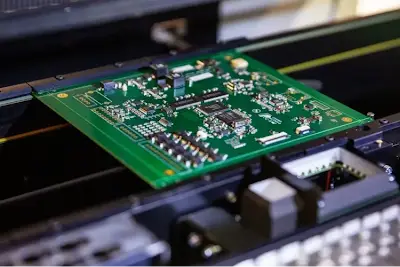
Adhering to IPC-A-600K acceptability criteria during inspection helps maintain quality thresholds across iterations. Collaborate with providers on stack-up recommendations to optimize signal integrity and thermal dissipation. For PCB design iteration, maintain version-controlled libraries to track changes efficiently. Simulate reflow profiles early to preempt assembly defects. Document lessons from each prototype to refine future designs systematically.
Challenges in Low-Volume Manufacturing and Factory-Driven Solutions
One common challenge in low-volume PCB manufacturing is material variability, which can affect impedance control in high-frequency prototypes. Factories mitigate this through incoming inspection and controlled storage per IPC standards. Another issue arises from expedited queues, potentially leading to rushed plating that compromises barrel integrity. Solution lies in prioritizing via fill and cross-section analysis for critical boards. Component shortages disrupt prototype PCB assembly schedules, so pre-verifying availability with lead-time data proves vital. Thermal management in densely packed prototypes demands careful via-in-pad usage and copper balancing.
Warpage during assembly poses risks, addressed via symmetric stack-ups and low-stress laminates. Factory insights emphasize automated X-ray for hidden defects in ball-grid arrays. By anticipating these hurdles, engineers leverage low-volume services effectively for robust fast PCB prototyping.
Conclusion
Low-volume PCB manufacturing represents a strategic asset for electric engineers seeking to harness rapid prototyping's full potential. Through quick turn PCB and integrated prototype PCB assembly, it empowers PCB design iteration with unmatched agility and precision. Factory-aligned processes, grounded in industry standards, deliver reliable boards that accelerate innovation cycles. Engineers who adopt best practices in this domain position their projects for success, bridging the gap from concept to production efficiently. The untapped potential lies in viewing low-volume not as a stopgap, but as a core competency for modern electronics development.
FAQs
Q1: What are the key benefits of using PCB prototyping services for quick turn PCB?
A1: PCB prototyping services enable quick turn PCB by compressing fabrication and assembly timelines to days, ideal for electric engineers needing rapid validation. This supports multiple PCB design iterations, reducing overall development time while maintaining compliance with performance standards. Factories optimize panelization and expedited processes to deliver functional boards ready for testing, minimizing risks in early-stage projects.
Q2: How does low-volume manufacturing support prototype PCB assembly?
A2: Low-volume manufacturing facilitates prototype PCB assembly through flexible SMT lines that handle small batches efficiently. Engineers benefit from turnkey options including stencil printing and reflow soldering, ensuring reliable joints per J-STD-001 guidelines. This approach allows testing of full assemblies without high setup costs, streamlining transitions to production.
Q3: Why is fast PCB prototyping crucial for PCB design iteration?
A3: Fast PCB prototyping accelerates PCB design iteration by providing physical boards for empirical testing of signal integrity and thermal performance. Electric engineers iterate on layouts quickly, incorporating fixes like ground plane adjustments based on real data. Low-volume runs make this feasible economically, fostering innovation without prolonged waits.
Q4: What standards should guide low-volume PCB prototyping?
A4: Standards like IPC-6012E and IPC-A-600K ensure low-volume PCB prototyping meets rigid board performance and visual acceptability criteria. These guide factories in plating, etching, and inspection for reliable prototypes. Engineers reference them to align designs with manufacturable outcomes, supporting consistent quality in quick turn scenarios.
References
IPC-6012E — Qualification and Performance Specification for Rigid Printed Boards. IPC, 2017
IPC-A-600K — Acceptability of Printed Boards. IPC, 2020
J-STD-001 — Requirements for Soldered Electrical and Electronic Assemblies. IPC, 2017