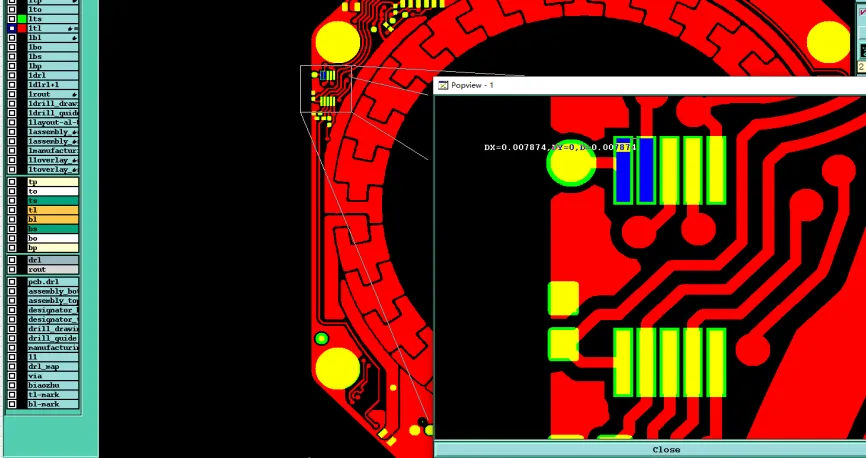
2-oz-copper-pcb
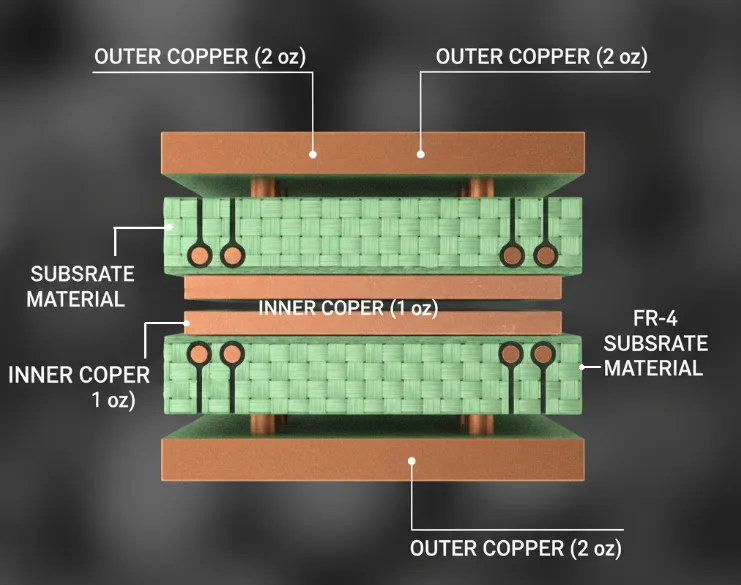
2 oz copper PCBs represent a robust choice in printed circuit board design, featuring a copper thickness of 2 ounces per square foot. This specification enhances the board's ability to manage higher current loads and dissipate heat more effectively than standard 1 oz variants, making it ideal for demanding electronics projects. Engineers and hobbyists often seek out 2 oz copper PCBs when building power electronics, automotive systems, or high-performance LED arrays, where reliability under stress is paramount. By opting for this copper weight, designers can minimize voltage drops, reduce trace resistance, and improve overall signal integrity, which are critical factors in preventing failures in high-power environments. Understanding the practical applications of 2 oz copper PCBs starts with recognizing their role in thermal management and durability. For instance, in power supply circuits or motor controllers, the thicker copper layers allow for wider traces that handle amperages exceeding 10A without overheating. This not only extends the lifespan of components but also supports denser layouts without compromising performance. Best practices include calculating trace widths based on current requirements using tools like IPC-2152 standards, ensuring adequate via plating for multilayer boards, and considering fabrication costs, as 2 oz copper may increase material expenses but offers long-term savings through enhanced reliability. Designers should also evaluate board thickness and substrate materials to optimize for specific use cases, such as FR-4 for general purposes or metal-core options for extreme heat. For those researching 2 oz copper PCBs, this tag compiles a range of articles that delve into design tips, case studies, and troubleshooting advice. Whether you are prototyping a new device or scaling up production, these resources provide actionable insights to refine your approach and avoid common pitfalls in high-current PCB development.
Technical Articles
Get in Touch
Send Message
- Products & Service
- Company
- About AIVON
- Contact
- News
- Blog
- Certification
-


- Payment
-


2026 AIVON.COM All Rights Reserved