ADAS Systems
Advanced Driver Assistance Systems (ADAS) represent a cornerstone of modern automotive technology, integrating sophisticated electronics to enhance vehicle safety, efficiency, and driver comfort. This tag page curates a collection of articles focused on the PCB and electronics aspects of ADAS systems, from sensor fusion and embedded processing to power management and signal integrity. For engineers, designers, and enthusiasts searching for ADAS systems, these resources offer essential knowledge on how electronic components enable features like adaptive cruise control, lane-keeping assistance, and collision avoidance. Understanding ADAS systems begins with their core electronic architecture, where printed circuit boards (PCBs) serve as the backbone for integrating radars, cameras, LiDAR, and ultrasonic sensors. Articles under this tag delve into practical applications, such as designing high-reliability PCBs that withstand automotive environments, including vibration, temperature extremes, and electromagnetic interference. Readers can find actionable insights on selecting components like microcontrollers and power ICs that meet ISO 26262 safety standards, ensuring functional safety in real-world deployments. Best practices highlighted include optimizing PCB layouts for low-latency data processing and implementing redundancy to prevent system failures, which are critical for developing robust ADAS solutions. For those involved in prototyping or scaling ADAS technologies, the content emphasizes integration challenges and solutions, such as interfacing with vehicle networks like CAN or Ethernet. Whether you are troubleshooting sensor calibration issues or exploring advancements in AI-driven perception modules, the articles provide step-by-step guidance and case studies from industry implementations. Browsing through these pieces can help refine your approach to electronics design in autonomous and semi-autonomous vehicles, fostering innovation in safer transportation.
Technical Articles
Advanced PCB and ADAS Systems
Driving Innovation: HDI PCB in Automotive Electronics and ADAS Systems
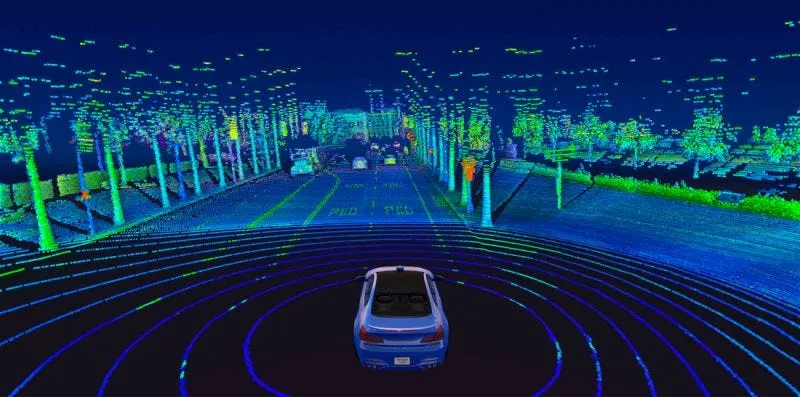
LiDAR vs Pure Vision for Autonomous Driving
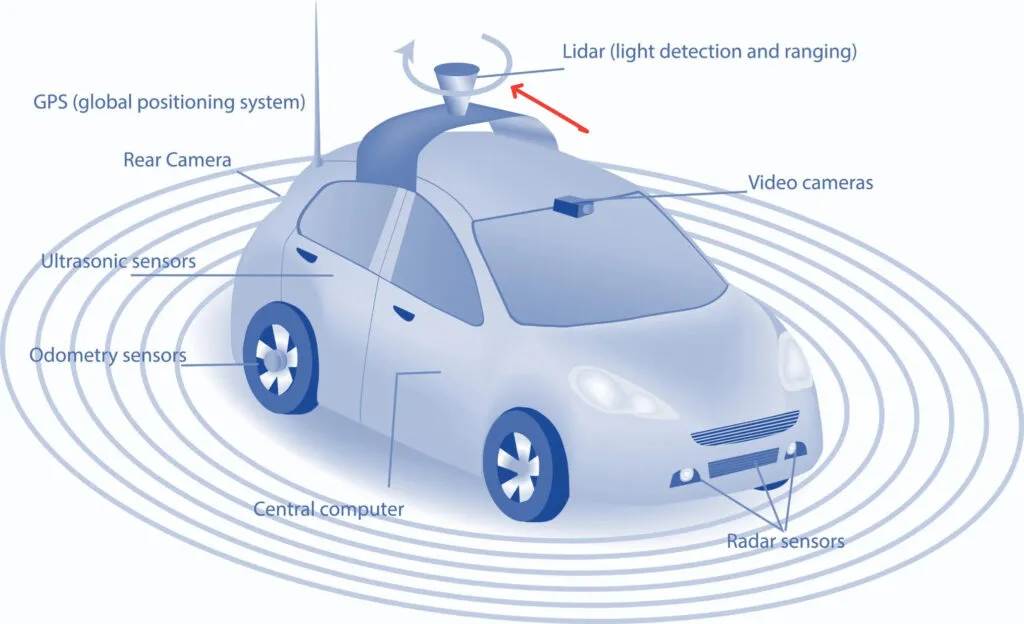
Three Common Sensors in Autonomous Vehicles
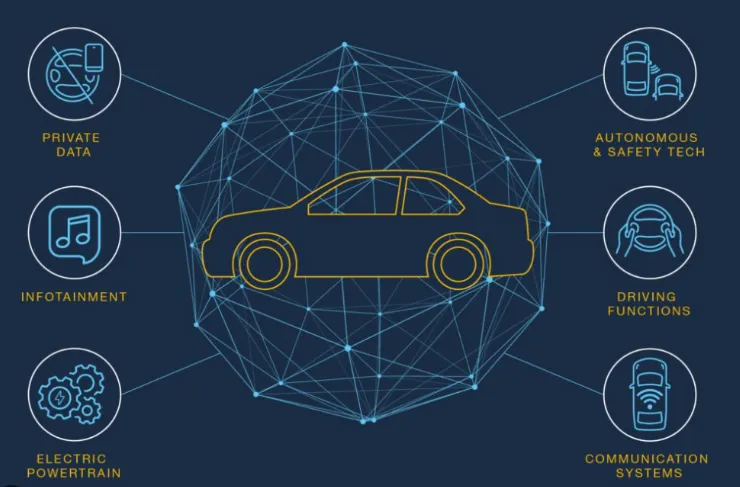
Four Cybersecurity Threats to Automotive Image Sensors
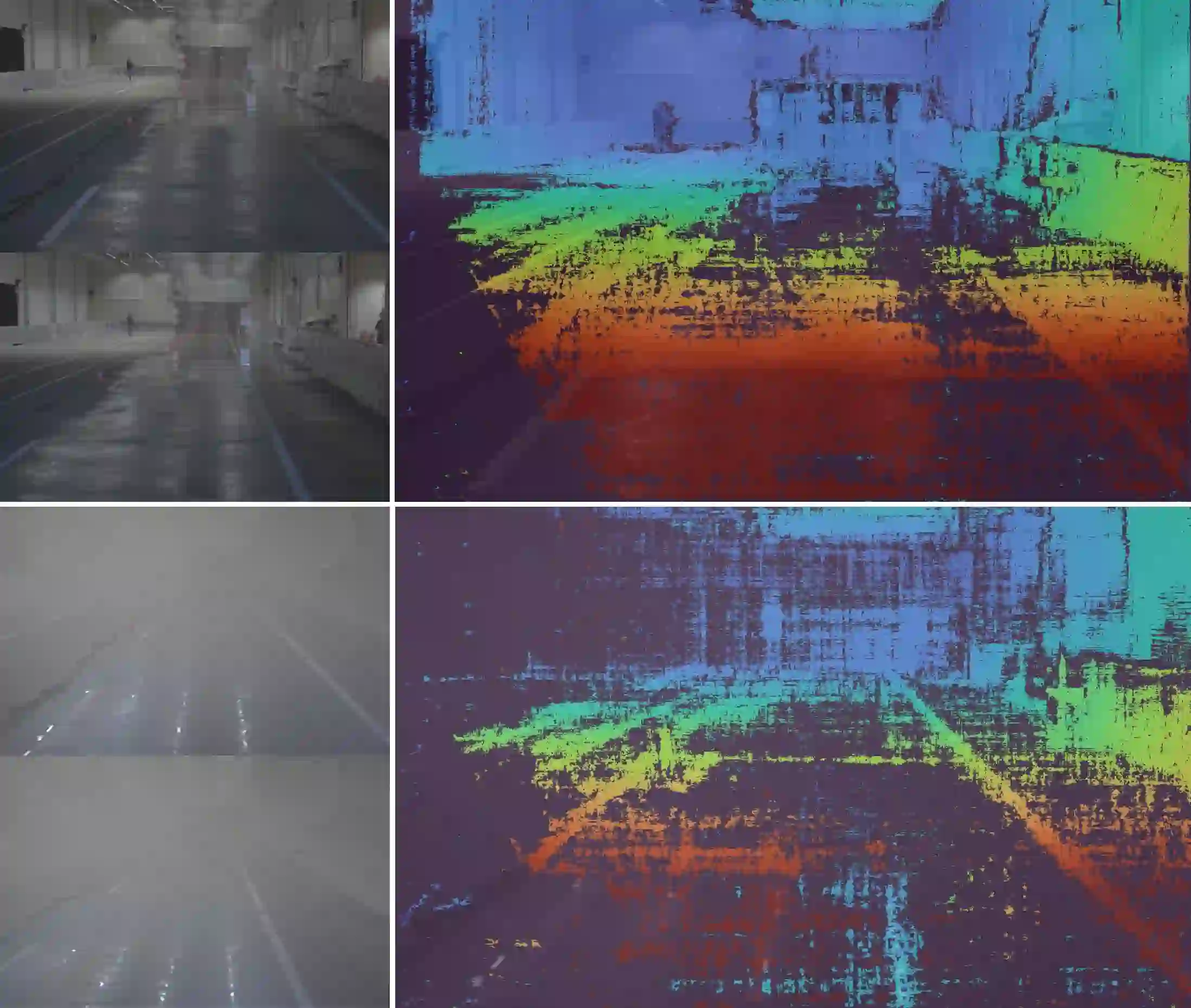
How LiDAR and Stereo Cameras Perform in Low Light
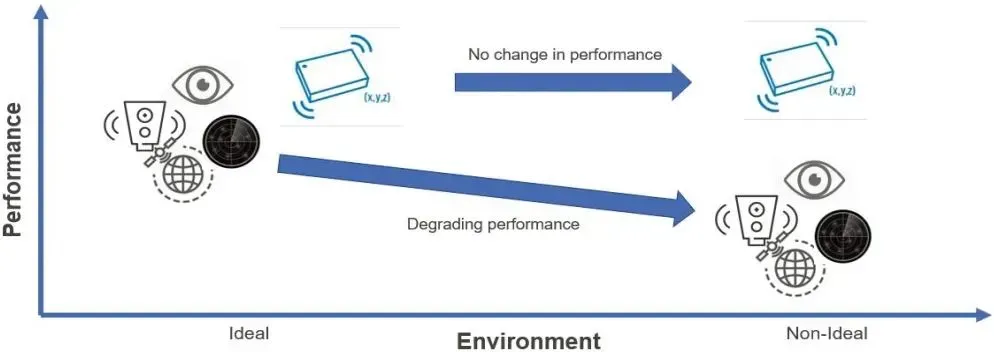
What Is an IMU Sensor and Its Role in Autonomous Vehicles
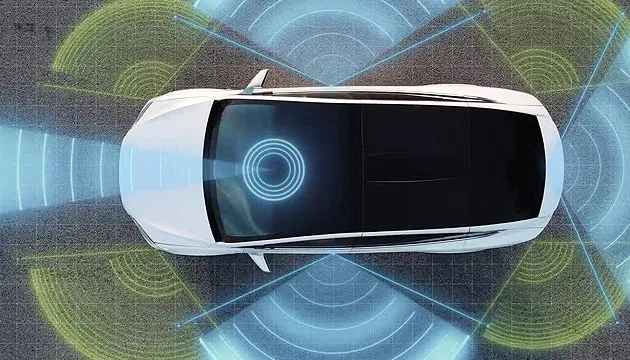
LiDAR vs Vision: Comparing ADAS Routes
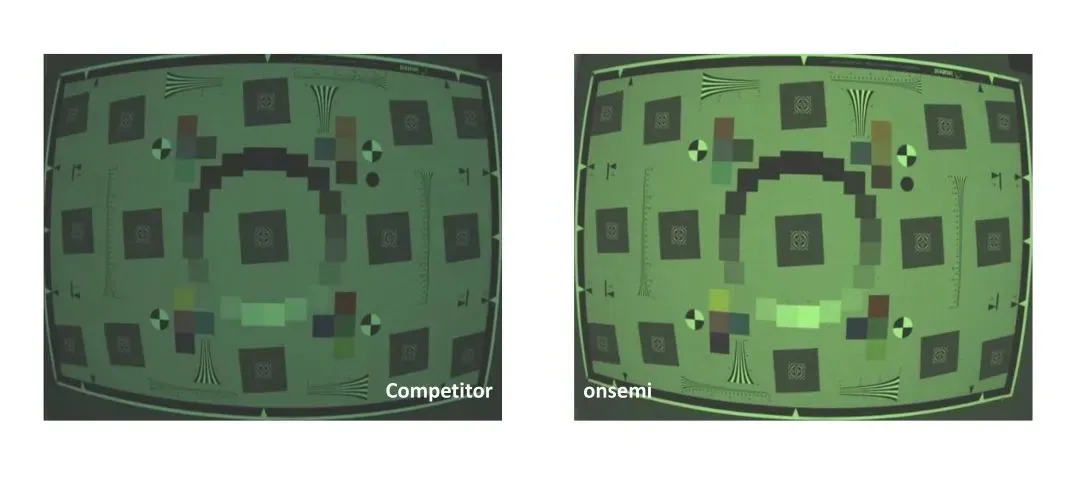
Impact of Advanced Image Sensors on Vehicle Safety
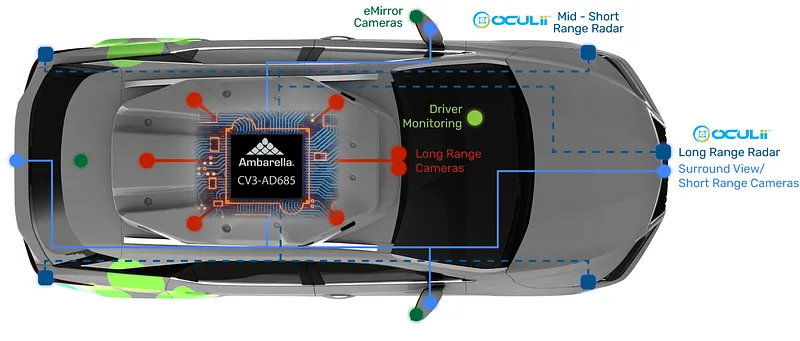
Domain Controllers for Vehicle Autonomous Driving
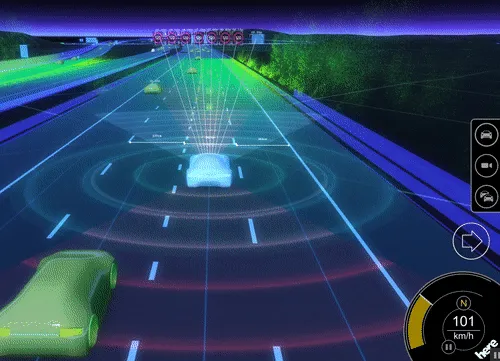
3D Object Detection for Autonomous Driving
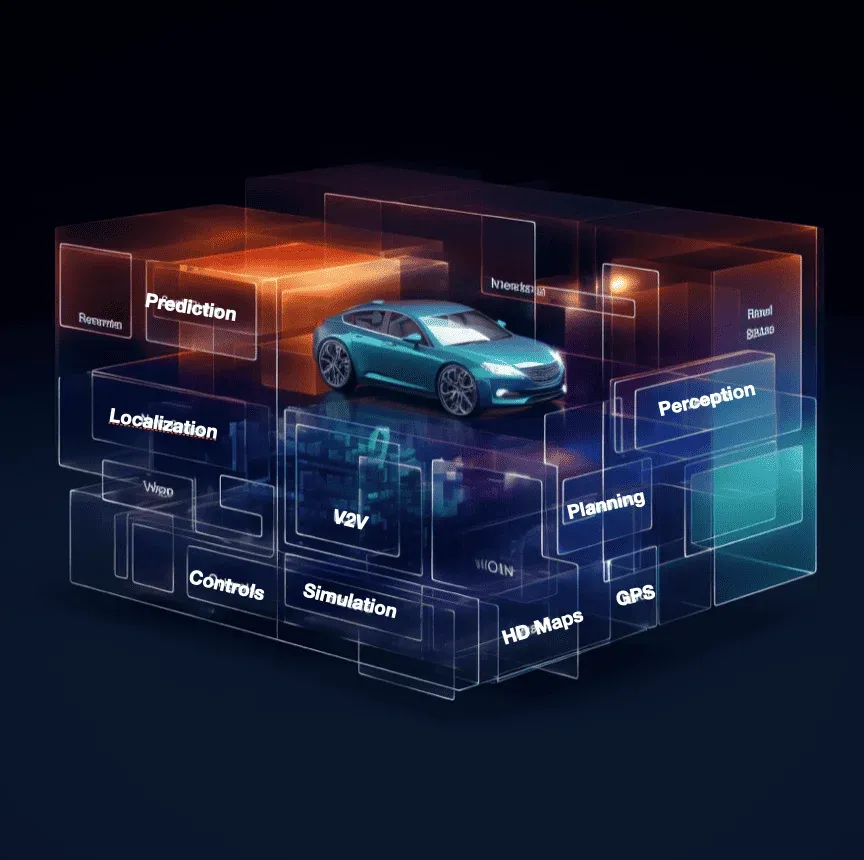
Two End-to-End Autonomous Driving Architectures
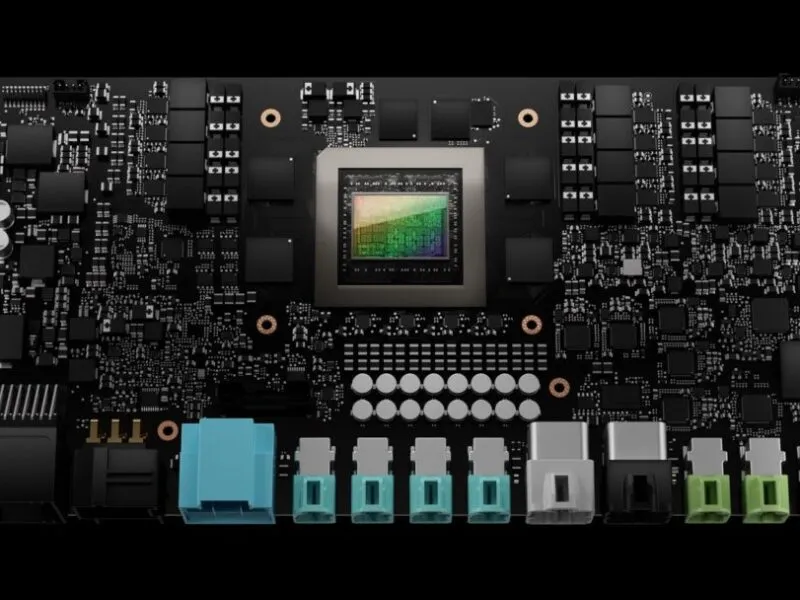
NVIDIA Orin SoC Analysis for ADAS
ADAS Camera Types and Applications
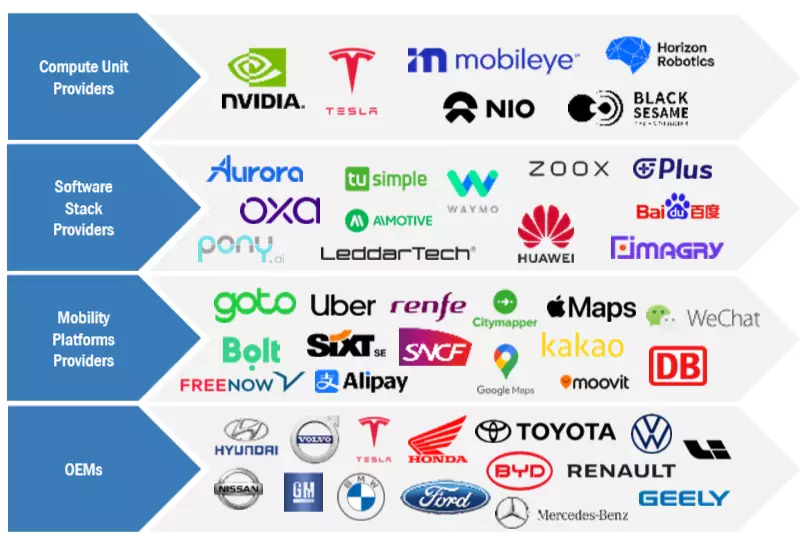
Global Autonomous Driving Market Analysis

In-Cabin Camera Types for Automotive Cockpits

Tesla FSD lane algorithm detailed analysis
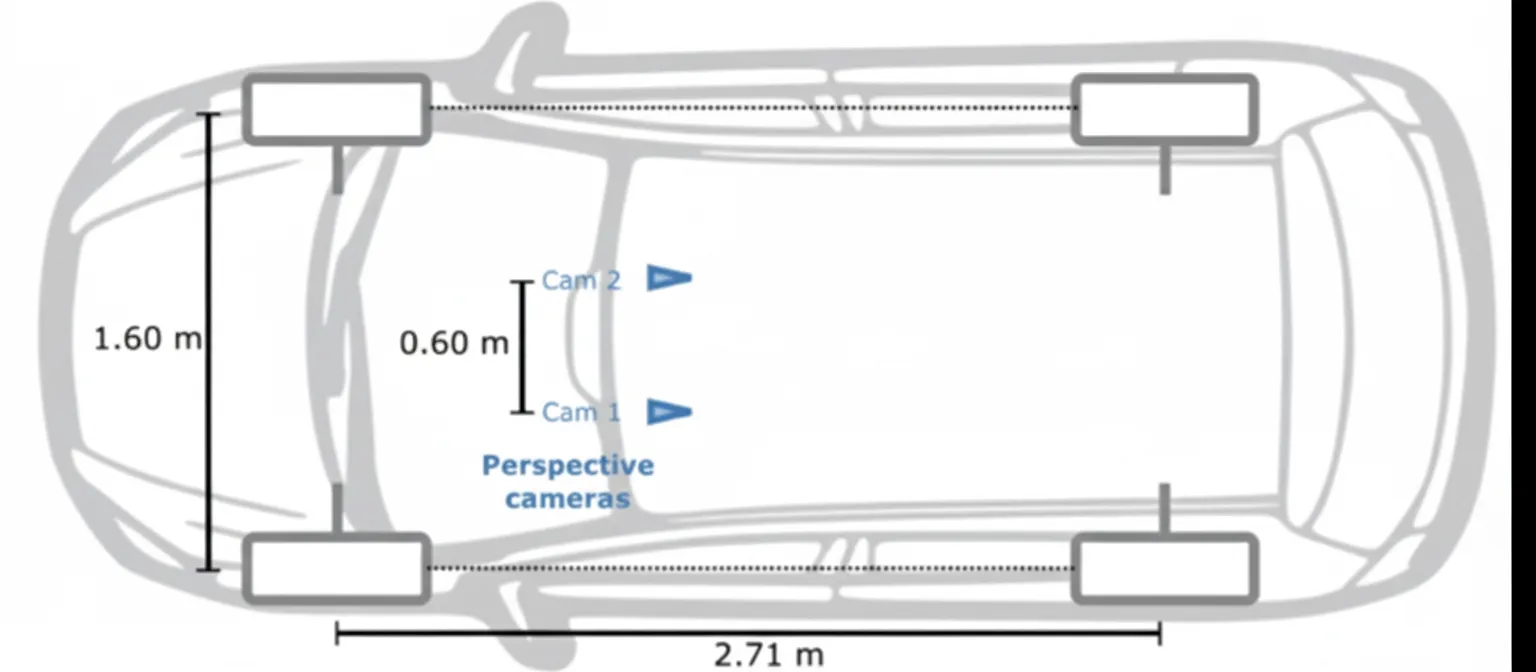
BEV Perception Algorithms for Future Autonomous Driving