CTE Matching
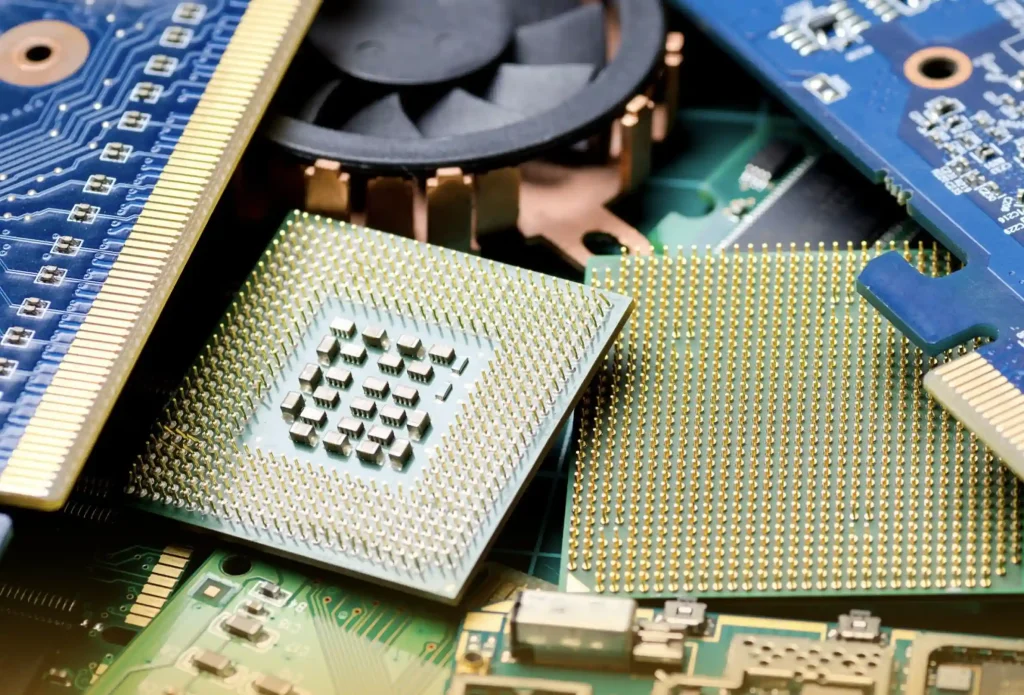
CTE Matching plays a critical role in the design and manufacturing of printed circuit boards (PCBs) and electronic assemblies, ensuring long-term reliability and performance under varying thermal conditions. At its core, CTE Matching refers to the process of aligning the coefficients of thermal expansion (CTE) between different materials used in a PCB, such as substrates, laminates, copper traces, and components. Mismatched CTE values can lead to mechanical stress, warping, delamination, or even catastrophic failures during temperature cycling, soldering, or operational use. For engineers and designers searching for solutions to thermal management challenges, understanding CTE Matching is essential to mitigate risks in high-stakes applications like automotive electronics, aerospace systems, and consumer devices exposed to extreme environments. In practice, effective CTE Matching involves selecting compatible materials with similar expansion rates, often measured in parts per million per degree Celsius (ppm/°C). For instance, pairing low-CTE substrates like polyimide or ceramic-filled laminates with components that exhibit comparable thermal behaviors can significantly enhance board stability. Best practices include conducting thorough material compatibility analyses early in the design phase, using simulation tools to predict thermal stresses, and incorporating via structures or underfills to absorb expansion differences. This approach not only prevents issues like solder joint fatigue but also optimizes manufacturing yields and extends product lifespans. Professionals in PCB fabrication often turn to CTE Matching strategies to comply with industry standards such as IPC-4101 or MIL-PRF-31032, where thermal reliability is non-negotiable. The articles grouped under this CTE Matching tag offer detailed explorations of these concepts, from foundational explanations to advanced case studies. Readers can find guidance on troubleshooting common mismatches in multilayer boards, evaluating new materials for emerging technologies like 5G and electric vehicles, and implementing cost-effective solutions without compromising quality. By delving into these resources, designers gain the knowledge needed to make informed decisions that balance performance, durability, and efficiency in their projects.
Video Guide
No videos found for this tag.
Technical Articles
Get in Touch
Send Message
- Products & Service
- Company
- About AIVON
- Contact
- News
- Blog
- Certification
-


- Payment
-


2026 AIVON.COM All Rights Reserved