Environmental Testing
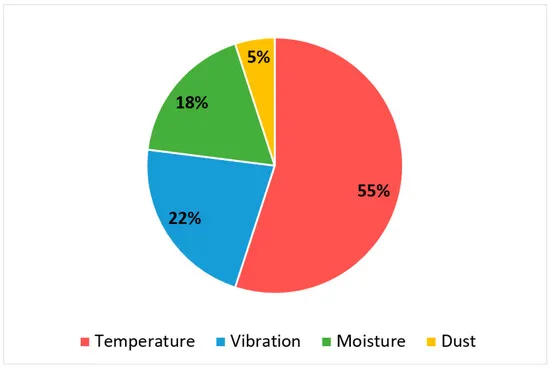
Environmental testing plays a crucial role in the design and manufacturing of printed circuit boards (PCBs) and electronic systems, ensuring that components can withstand real-world conditions without failure. This process involves subjecting devices to extremes such as temperature fluctuations, humidity, vibration, shock, and corrosive environments to simulate operational stresses. For engineers, manufacturers, and hobbyists searching for insights on environmental testing, this tag serves as a comprehensive resource that covers standardized protocols like those from IPC, MIL-STD, and IEC, helping you validate product reliability and compliance with industry regulations. Understanding environmental testing enables you to identify potential weaknesses early in the development cycle, reducing costly recalls and enhancing product lifespan. Practical applications include thermal cycling to detect solder joint failures, humidity testing for corrosion resistance, and vibration analysis for automotive or aerospace electronics. By applying these methods, you can implement best practices such as selecting robust materials, designing for thermal expansion, and incorporating protective coatings. Articles under this tag offer actionable guidance, including step-by-step testing procedures, equipment recommendations, and case studies from real-world scenarios, empowering you to optimize your PCB designs for durability. Whether you are troubleshooting intermittent failures in prototypes or scaling up production for harsh environments, the content here provides the technical depth needed to make informed decisions. Dive into specific topics like accelerated life testing or environmental chamber setups to gain the knowledge that directly supports your projects and improves overall electronic performance.
Video Guide
No videos found for this tag.
Technical Articles
Get in Touch
Send Message
- Products & Service
- Company
- About AIVON
- Contact
- News
- Blog
- Certification
-


- Payment
-


2026 AIVON.COM All Rights Reserved