 00:54
00:54
PCB Clearance
PCB clearance is a fundamental aspect of printed circuit board design that refers to the minimum distance required between conductive elements, such as traces, pads, and components, to prevent electrical breakdown, arcing, or unintended short circuits. This parameter is critical for ensuring the safety, reliability, and performance of electronic devices, particularly in applications involving high voltages or harsh environments. Engineers and designers searching for information on PCB clearance often seek guidance on adhering to industry standards like IPC-2221 or UL requirements, which dictate clearance values based on factors such as operating voltage, altitude, and pollution degrees. Understanding these guidelines helps avoid costly redesigns and failures in prototypes or production runs. In practice, calculating PCB clearance involves considering the dielectric strength of the board material, typically FR-4 or advanced substrates, alongside environmental influences like humidity and temperature. For instance, in power electronics or automotive systems, maintaining adequate clearance can prevent catastrophic failures and extend device lifespan. Best practices include using simulation tools to model electric fields and verify designs before fabrication, as well as incorporating creepage distances for added safety in contaminated settings. Designers can optimize board layouts by grouping high-voltage sections and employing conformal coatings to enhance insulation properties. Articles tagged under PCB Clearance offer detailed explorations of these topics, from beginner tutorials on basic calculations to advanced case studies in high-frequency PCB designs. By delving into these resources, you can gain practical strategies to improve your projects, whether you are troubleshooting existing boards or planning new ones for compliance and efficiency. This knowledge empowers hobbyists and professionals alike to create robust, standards-compliant electronics that perform reliably in real-world conditions.
Video Guide

Technical Articles
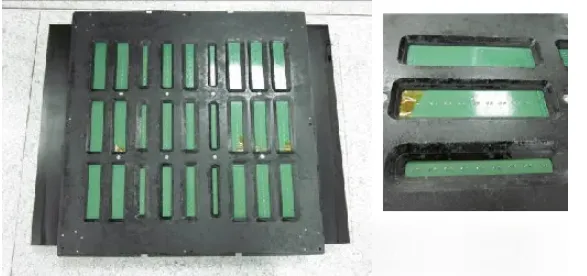
Improving DIP Solder Fill: A DOE on Thermal Relief Pads and PTH Clearance

Wave Soldering in Through-Hole Assembly: Practical DOE Case Studies for Yield Improvement
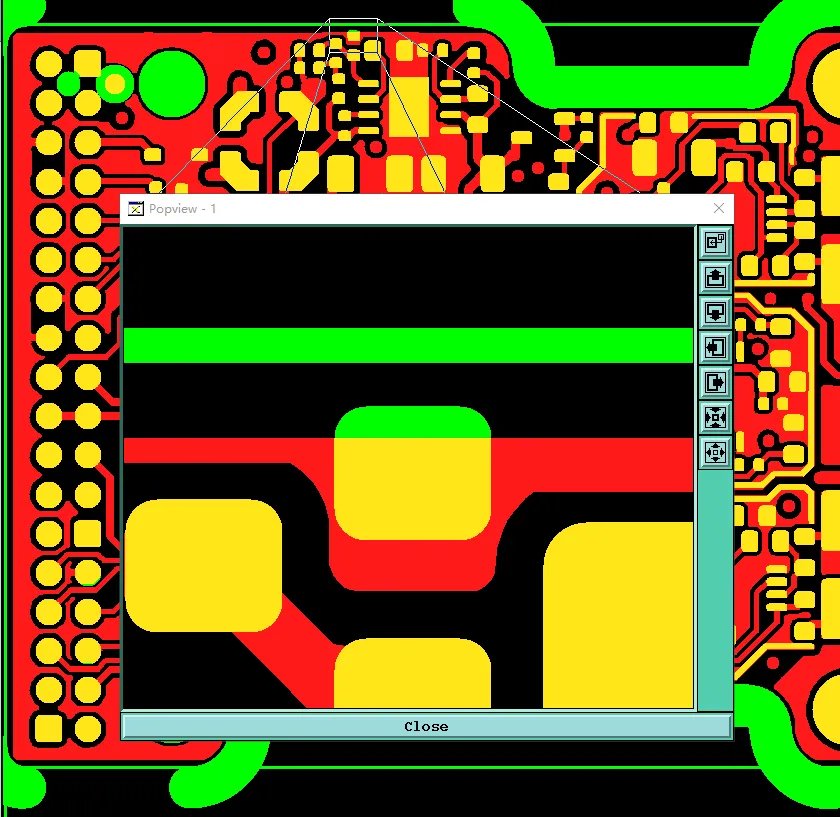
PCB CAM Review for Copper and SMD Pads Near the Board Edge

Precise Spacing Control: How to Move a Diagonal Feature by Exactly 1 mm

PCB Design Guide: Safety Spacing, EMC, Thermal Design, and Process Details
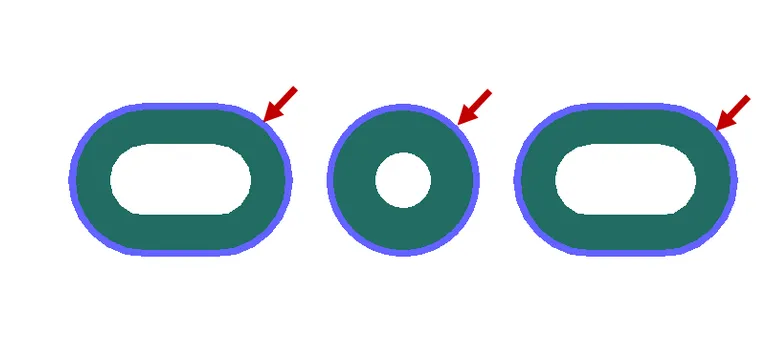
Why the Solder Mask Bridge Disappears Even When There Is a Gap Between Pads
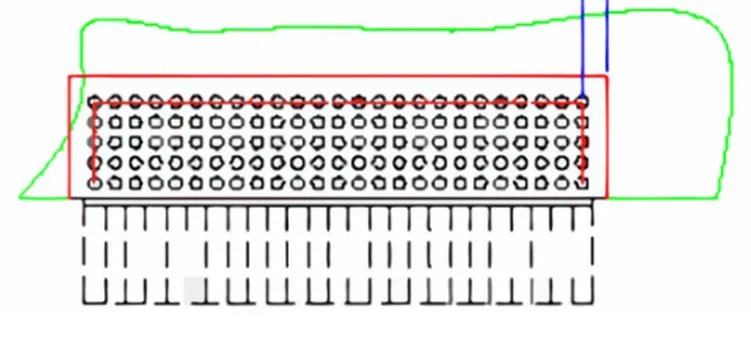
Why Moving a Component Only 1 mm from a Press-Fit Connector Still Causes Assembly Interference
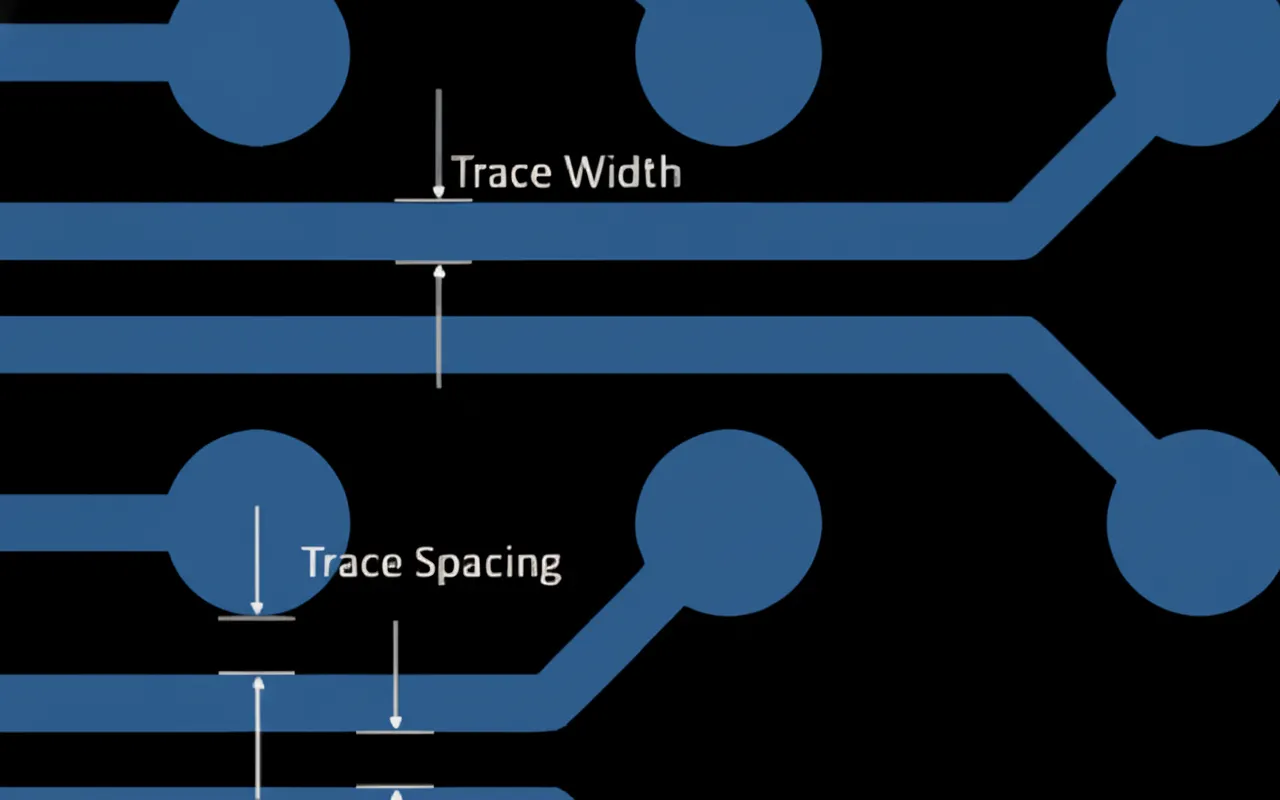
Essential Guide to Trace-to-Pad Clearance in PCB Design
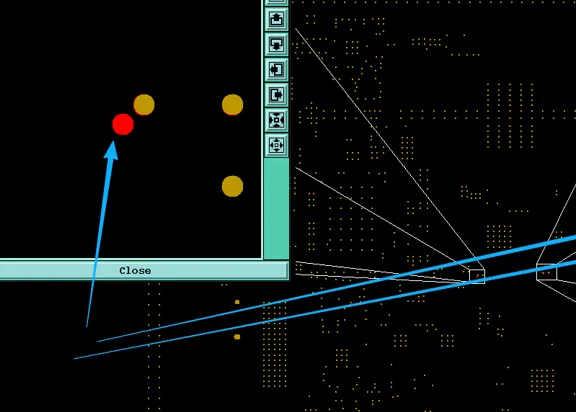
PCB CAM Review: Fix V-Cut & Via Spacing to Avoid Delays
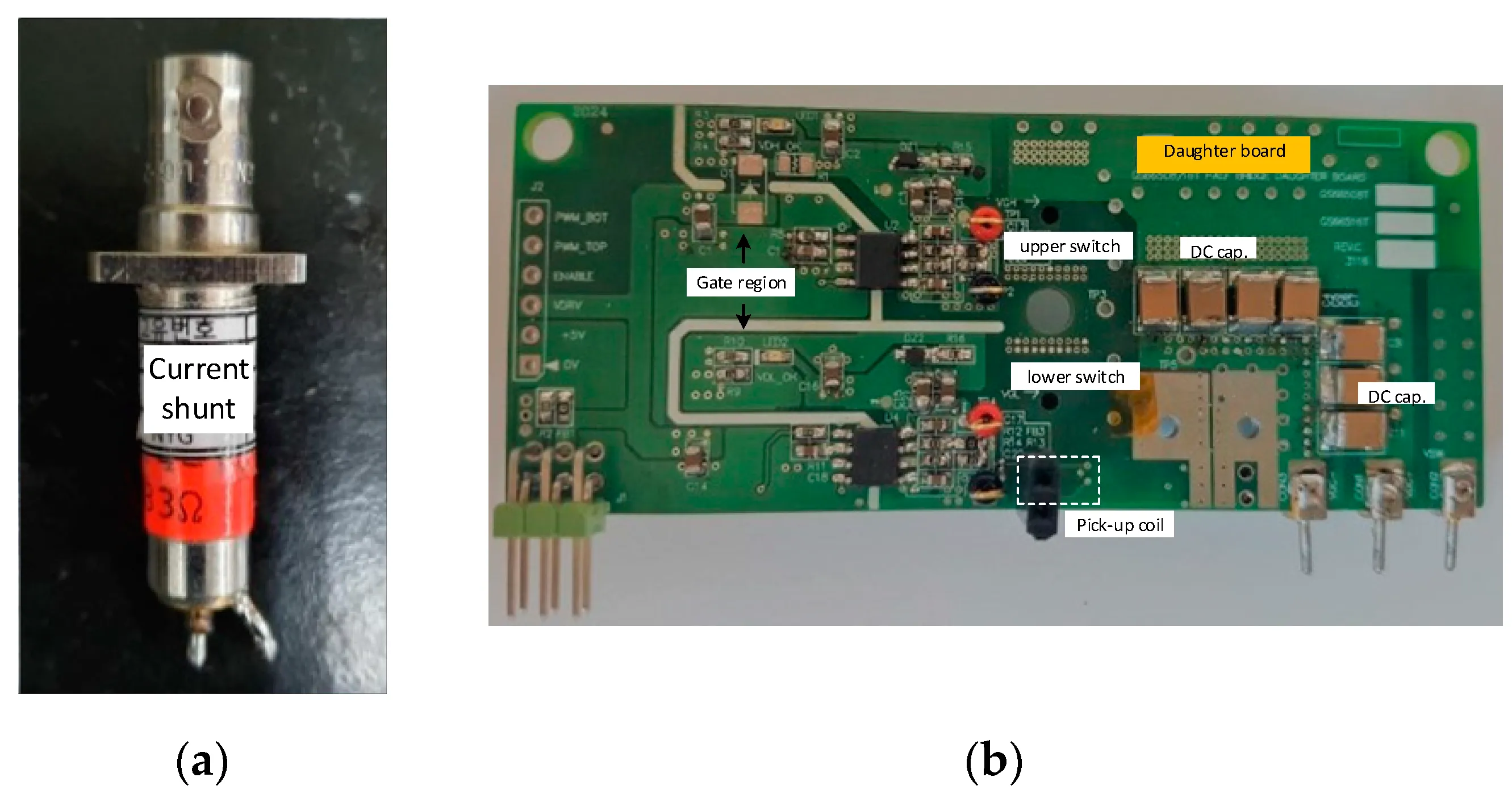
Isolated Current Sensors: Design Considerations for High Voltage PCB Applications

2-Layer FR-4 PCB Engineering Case: Copper-to-Edge Clearance, Asymmetric Via Pads, and Outline Data Issues
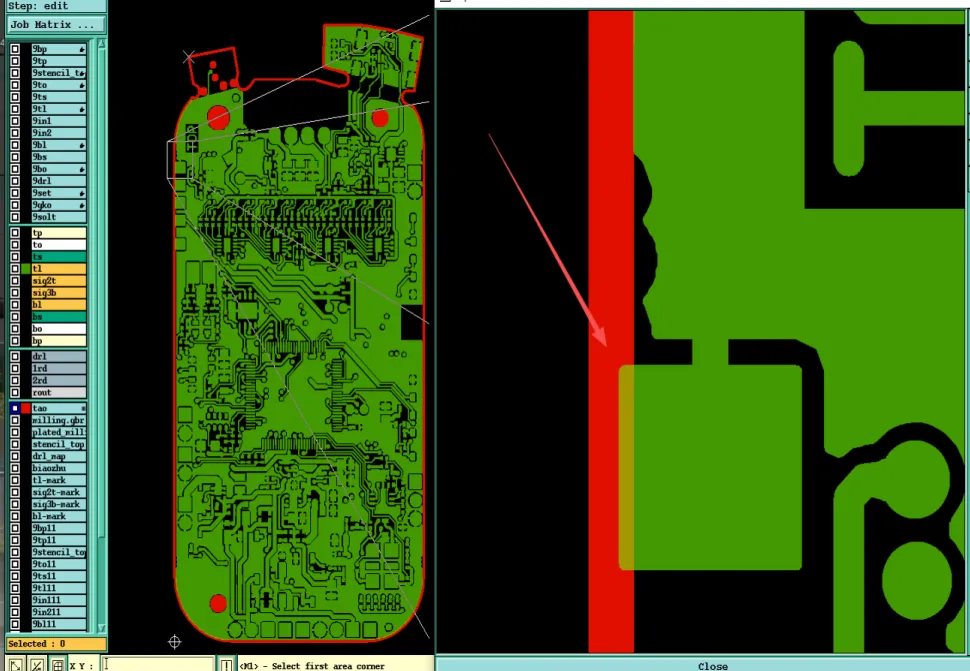
Engineering Case Study: 4-Layer 1.0mm FR-4 PCB Edge Clearance and Stamp Hole Spacing DFM Review

Engineering Case Study: 8-Layer FR-4 PCB DFM Clearance Optimization and Resin Plug Hole Confirmation
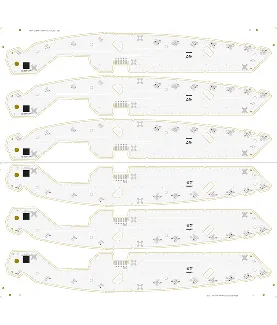
How to Fix SMD Edge Clearance, V-CUT Legend, and Gold Finger Issues in Class 3 PCB CAM Review
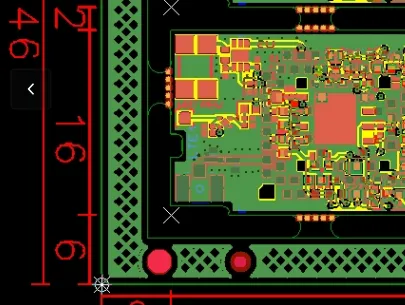
Rigid-Flex PCB CAM Challenges: Transition Geometry, Via Clearance & Stackup Issues
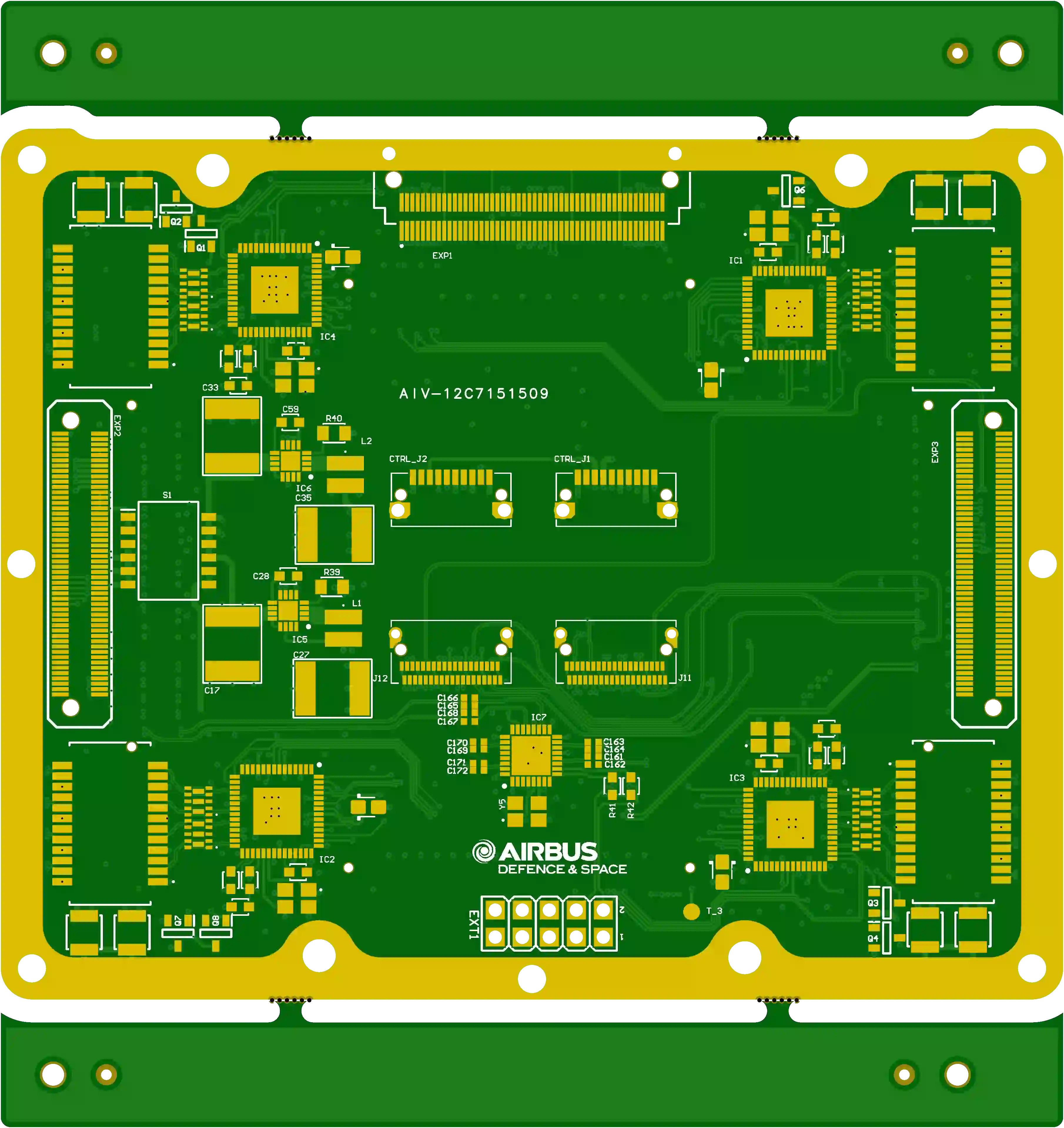
12-Layer High-Density PCB Review: Stackup, Annular Ring & Edge Copper Issues
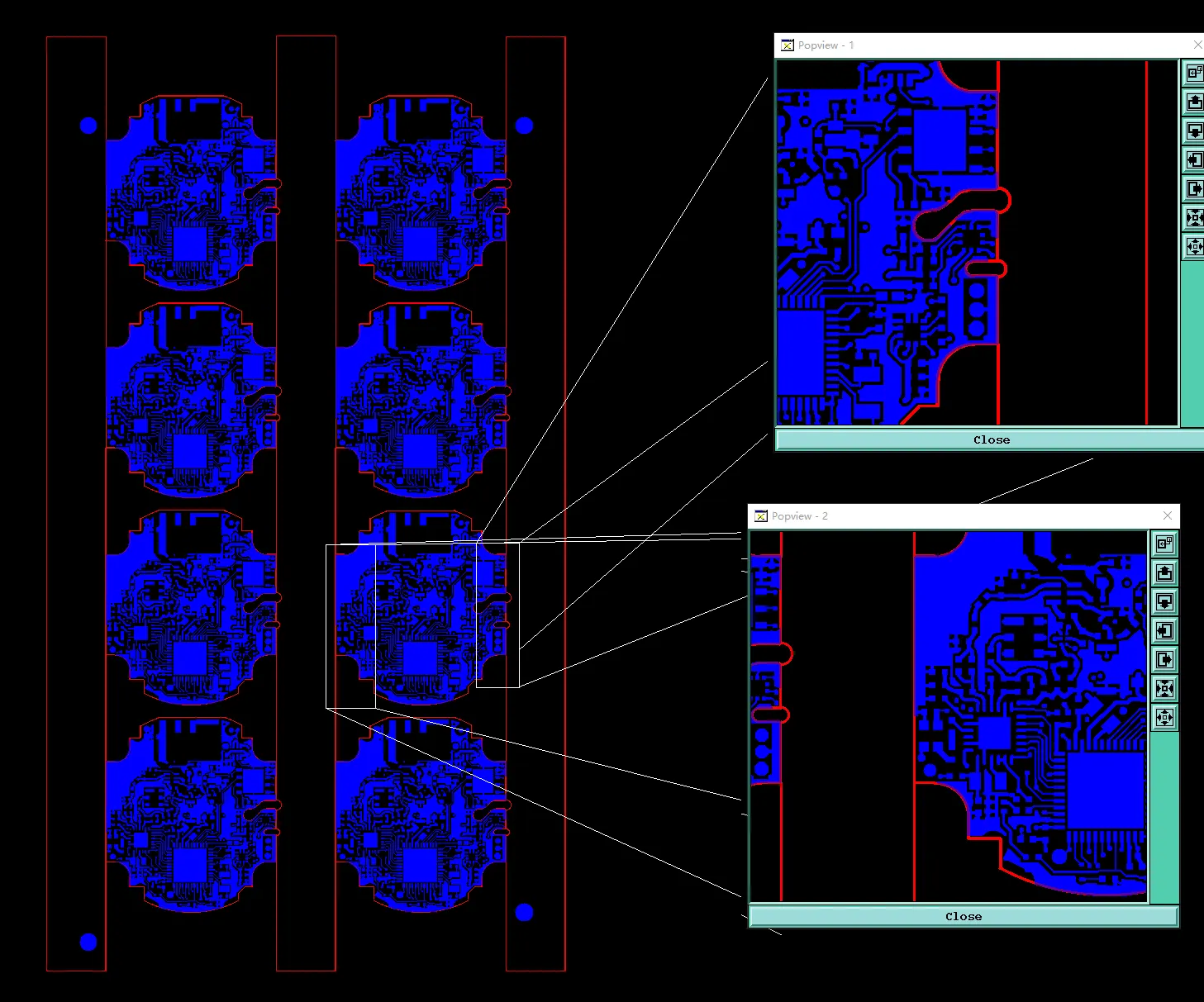
Trace to Board Edge Clearance: Essential DFM Rules
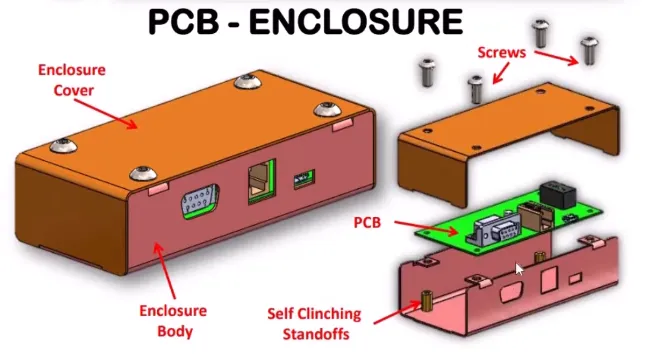
How to Design a CNC Enclosure for PCB Assembly
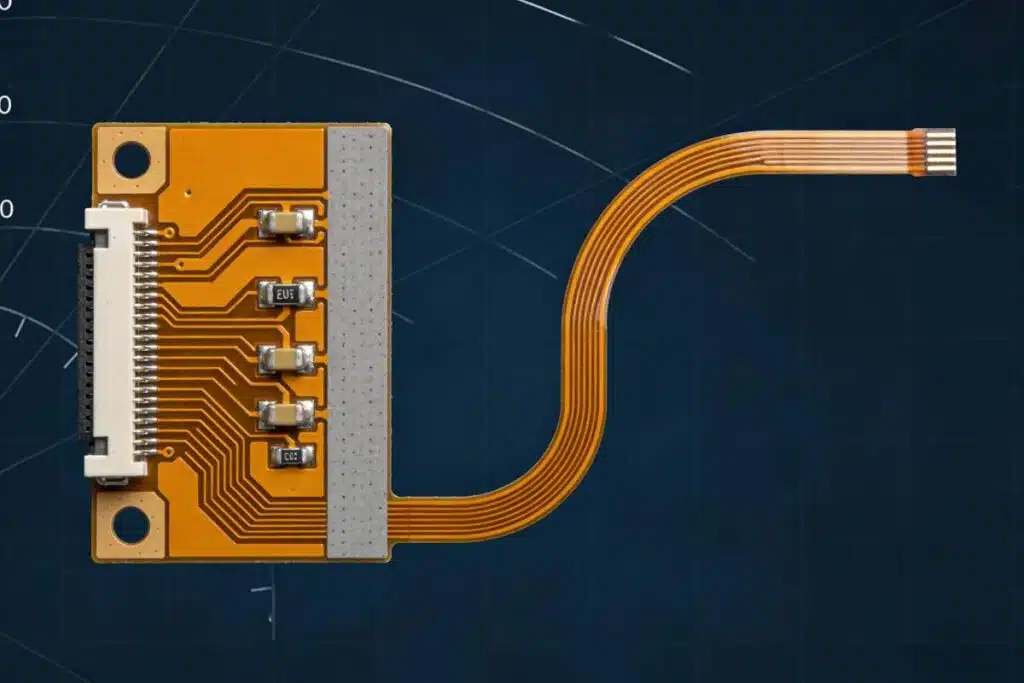
How Much Clearance Between FPC Trace and Board Edge Is Safe?