Solder Paste Printing
Solder paste printing serves as a foundational step in surface-mount technology (SMT) assembly, where a precise mixture of solder alloy and flux is applied to printed circuit boards (PCBs) through stencils to prepare pads for component placement. This process ensures reliable electrical connections and structural integrity in electronic devices, making it essential for both prototype development and high-volume manufacturing. For engineers, hobbyists, and technicians searching for insights on solder paste printing, this tag aggregates expert articles that break down the intricacies of the technique, from selecting the right paste formulations to optimizing printer settings for minimal defects. Understanding solder paste printing can significantly enhance assembly outcomes by addressing common challenges such as bridging, insufficient paste volume, or stencil misalignment. Practical applications include fine-pitch component soldering in consumer electronics, automotive systems, and medical devices, where precision directly impacts performance and reliability. Best practices highlighted in our content emphasize the importance of environmental controls, like maintaining consistent temperature and humidity to prevent paste drying, as well as regular stencil cleaning to avoid contamination. Readers will find actionable guidance on troubleshooting print quality issues, such as using automated optical inspection (AOI) tools to verify paste deposition accuracy before reflow soldering. By exploring the articles under this tag, you can gain a deeper grasp of how solder paste printing integrates with overall PCB fabrication workflows. Whether you are refining your manual printing setup or scaling up to automated lines, these resources provide step-by-step strategies to achieve consistent results and reduce rework. Delving into specific topics, such as paste rheology or aperture design, equips you with the knowledge to tackle real-world assembly problems effectively.
Technical Articles
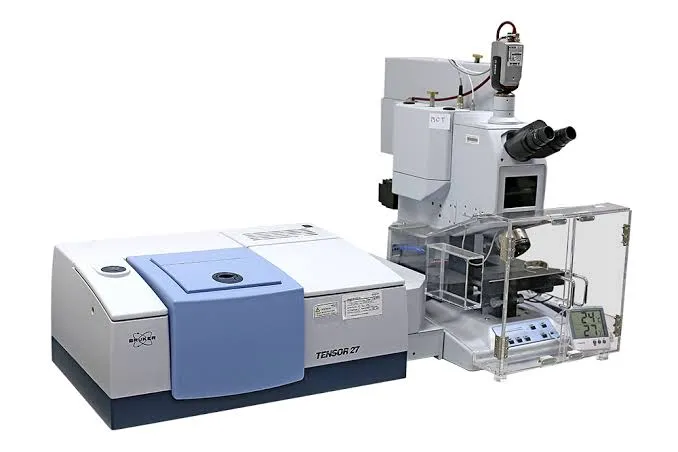
What Is FT-IR Spectroscopy and How Is It Applied in SMT Process Analysis?
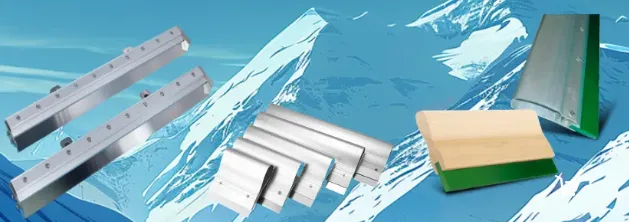
Mastering Squeegee Choices for Flawless Solder Paste Application in PCB Assembly
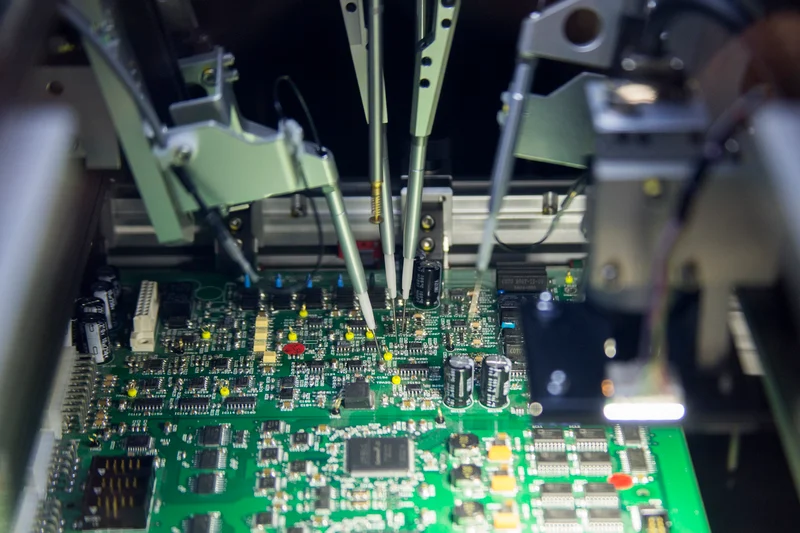
Challenges in using FPT
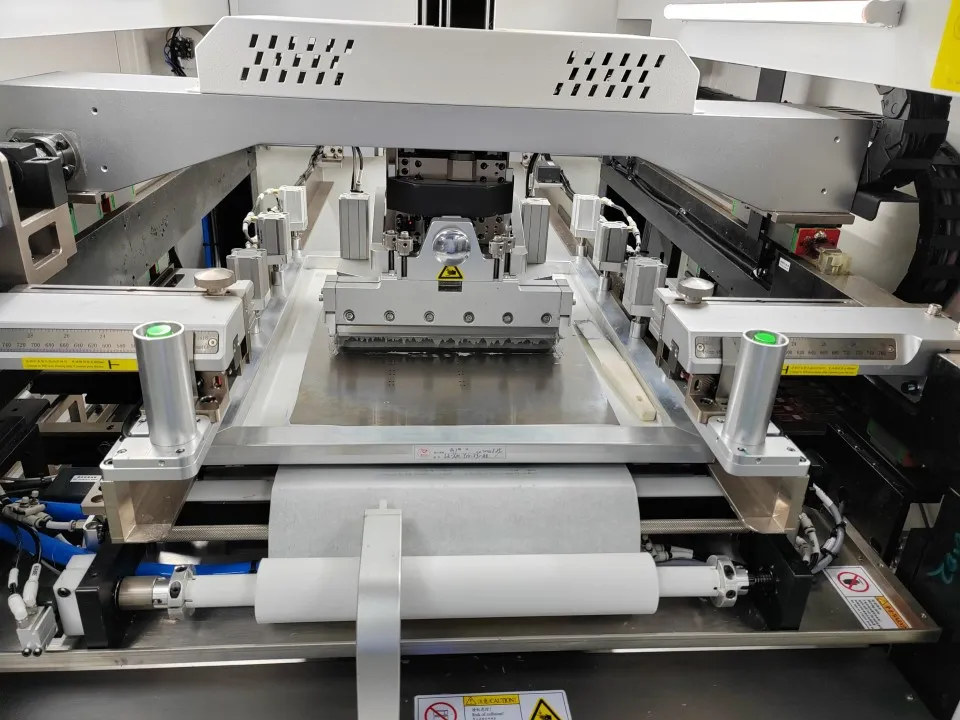
Mobile Phone PCB Assembly Process: SMT and Reflow Soldering Explained
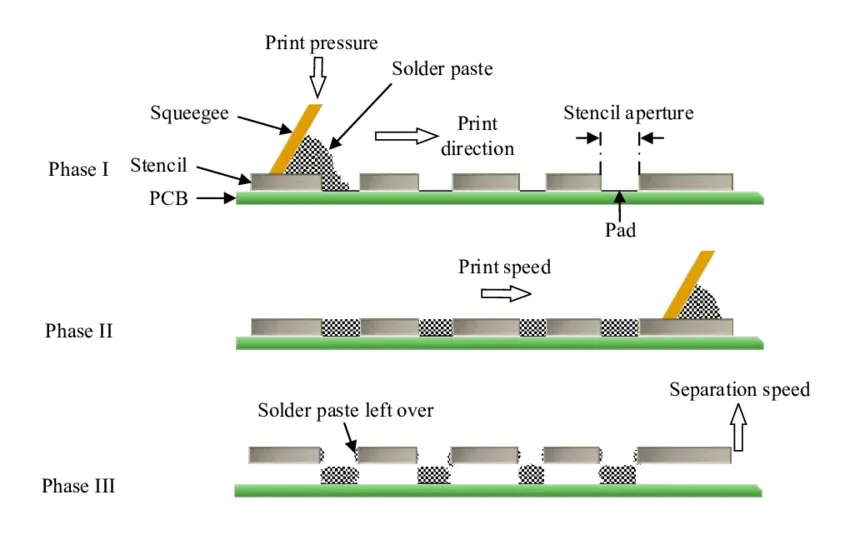
Optimizing Stencil Apertures: Achieving Perfect Solder Paste Deposition for Fine Pitch Components
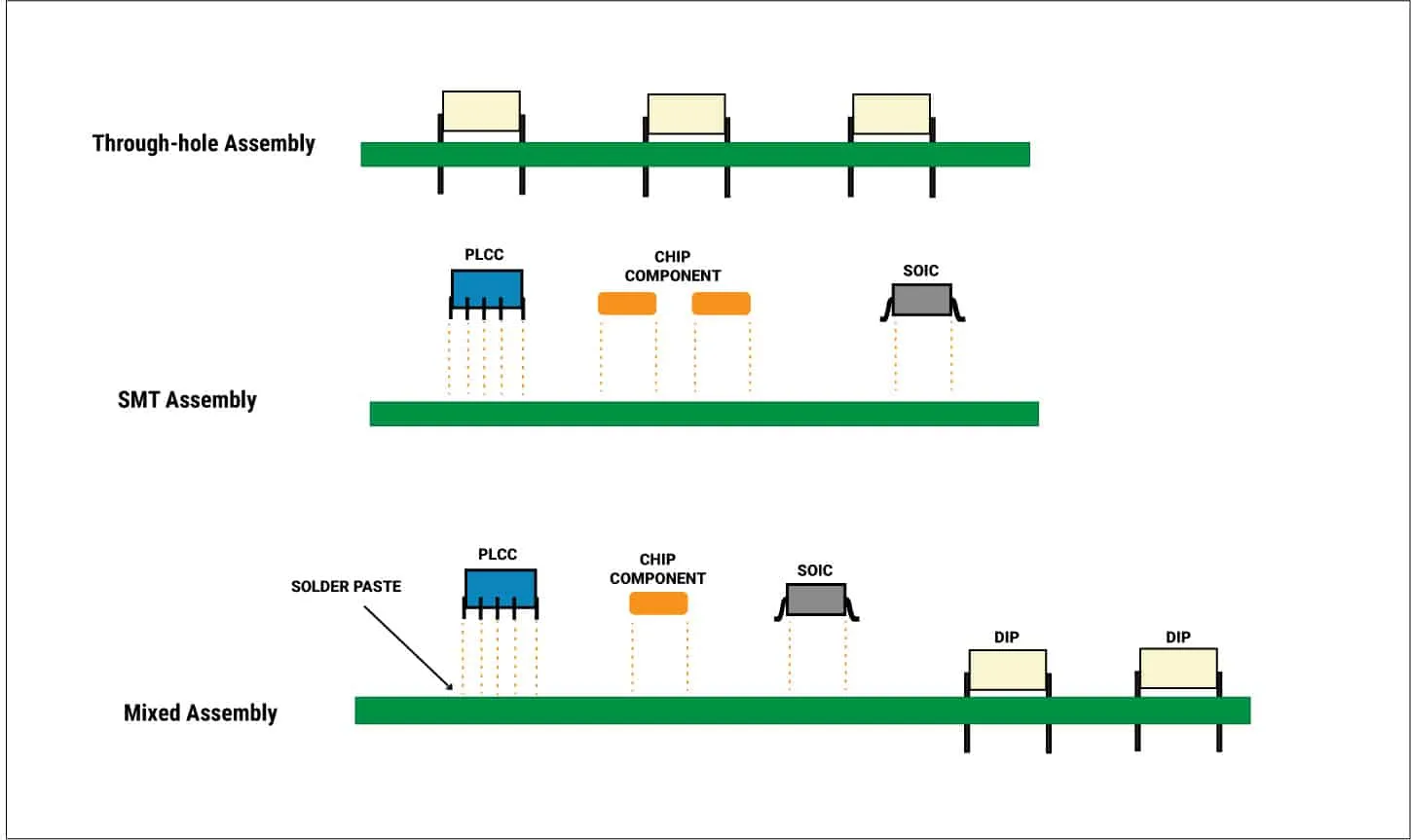
Step Stencils: The Secret to Handling Mixed Component Heights on Your PCB
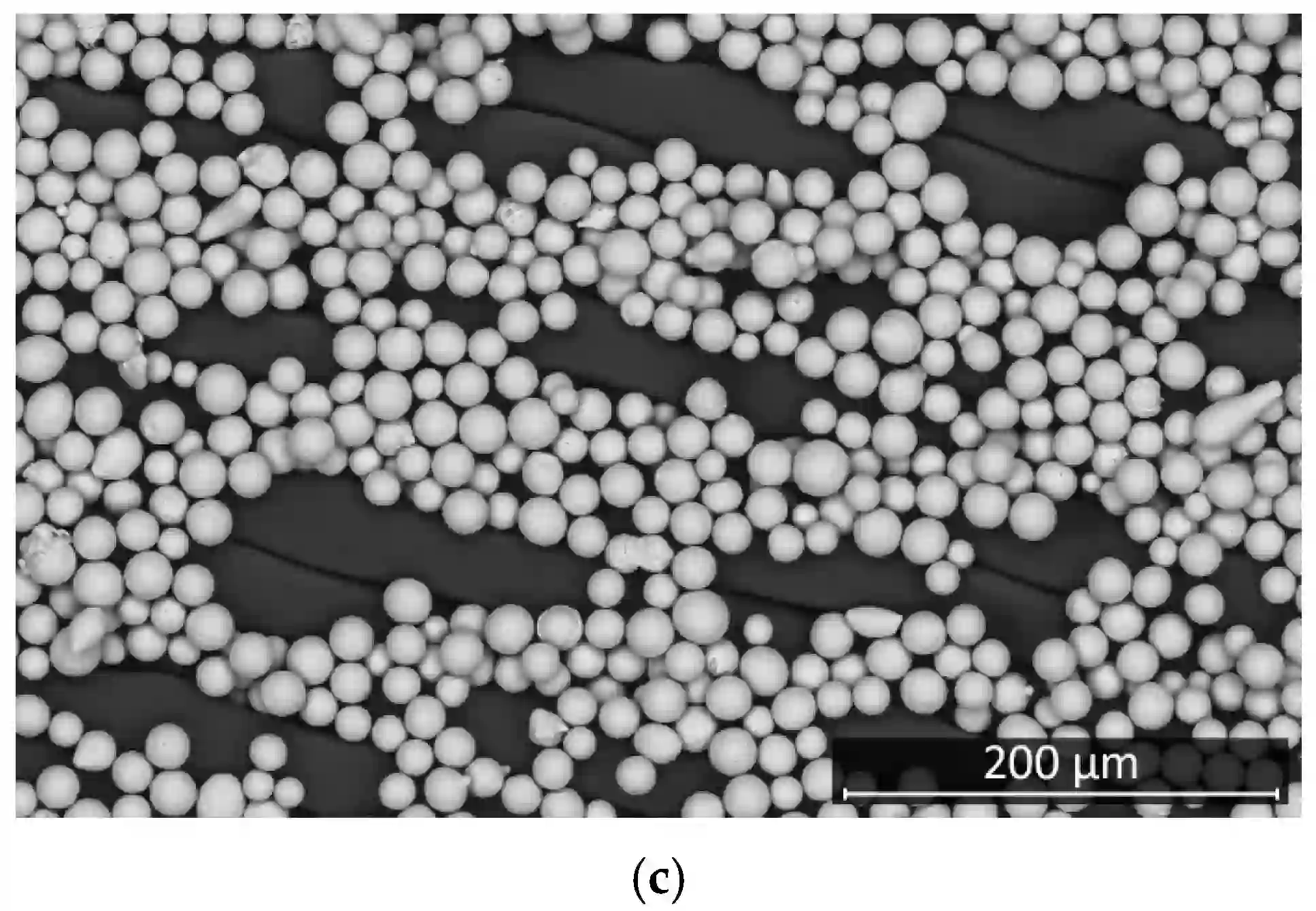
Beyond Stainless Steel: Choosing the Right Material for Your Solder Paste Stencil
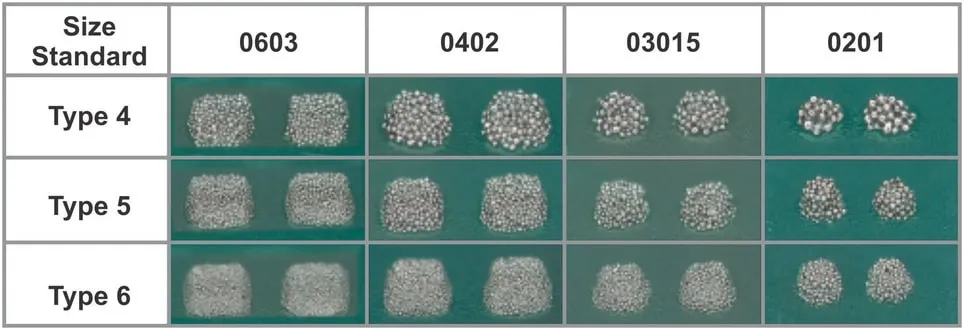
Stencils and Solder Paste: A Comprehensive Guide to Materials
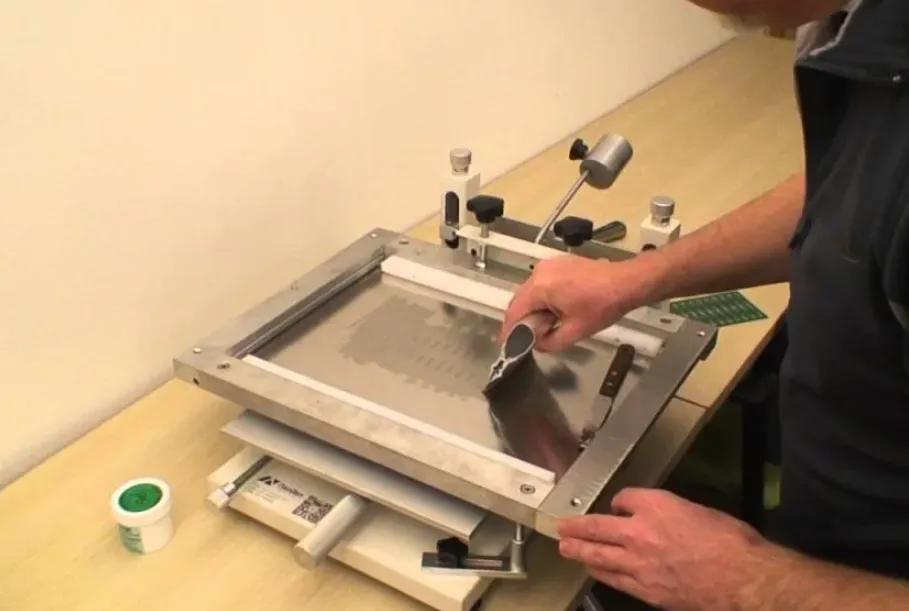
Step-by-Step Guide to Use a PCB Stencil
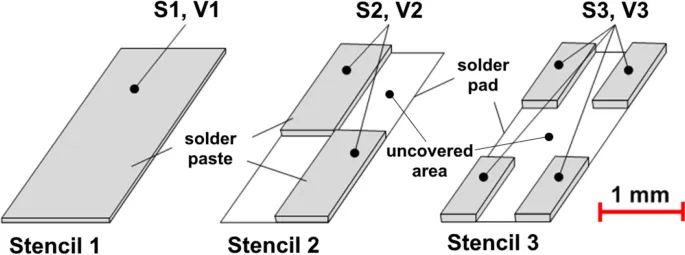
PCB Stencil Thickness for Different Component Sizes: A Detailed Guide
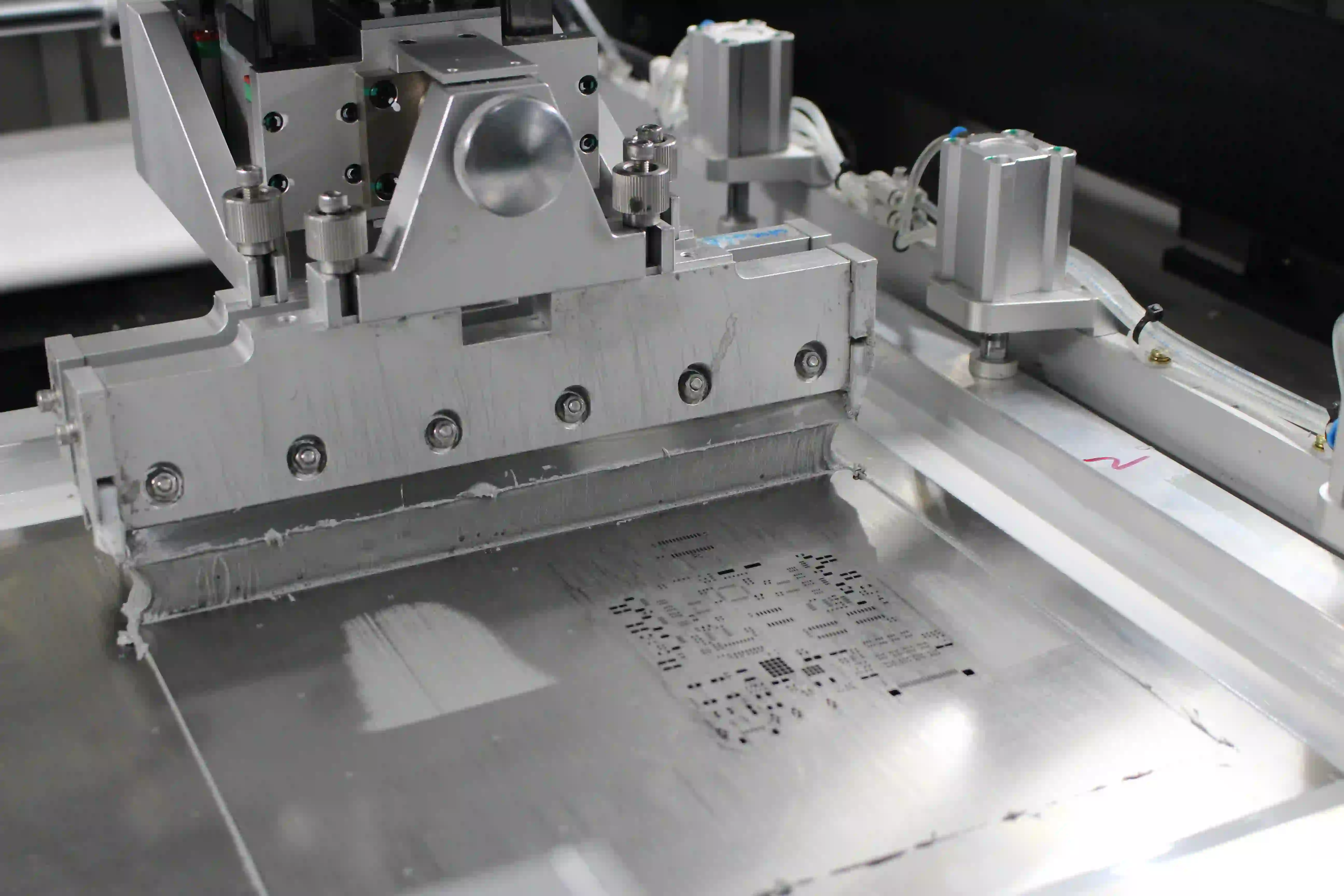
Solder Paste Printing Pressures & Techniques
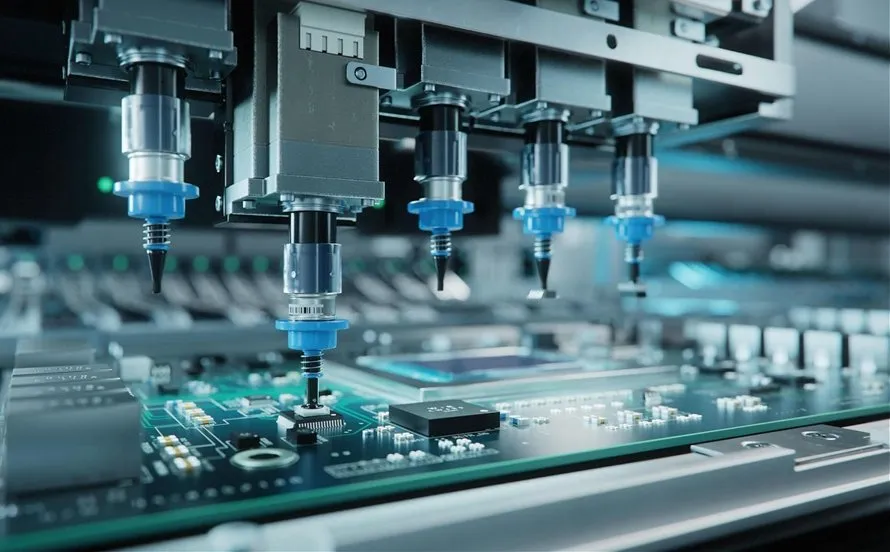
Mastering PCB Assembly: A Comprehensive Guide to Surface Mount Technology
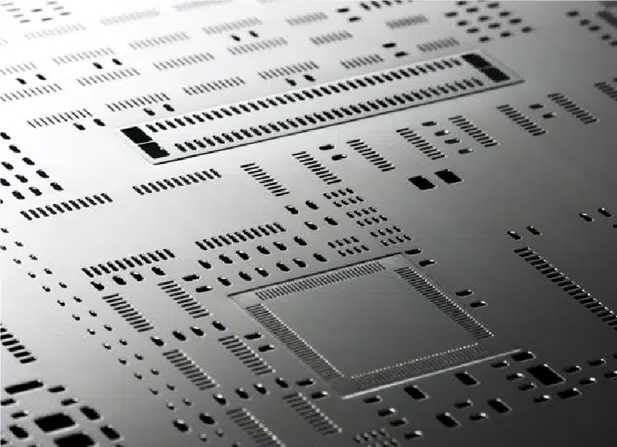
The Comprehensive Guide to SMT Stencil Engineering: From Design Optimization to Process Control
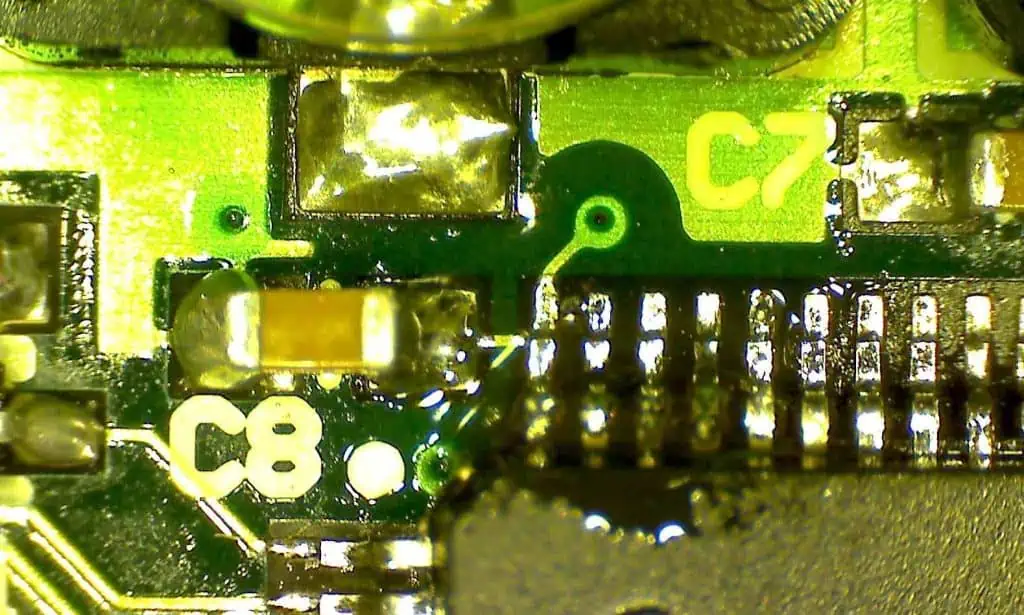
Common SMT PCB Assembly Defects
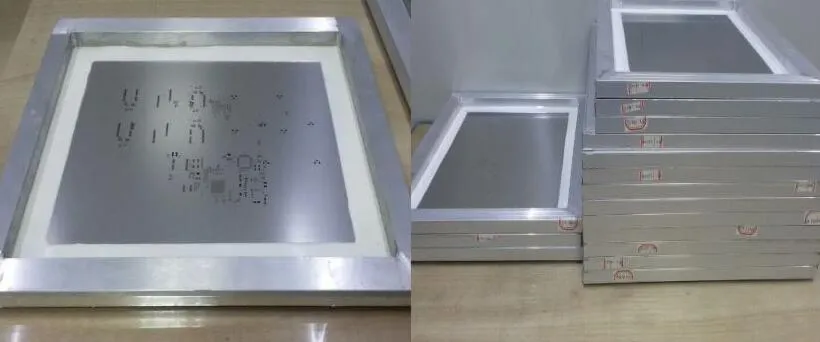
Step Up vs. Step Down Stencils: Understanding the Differences
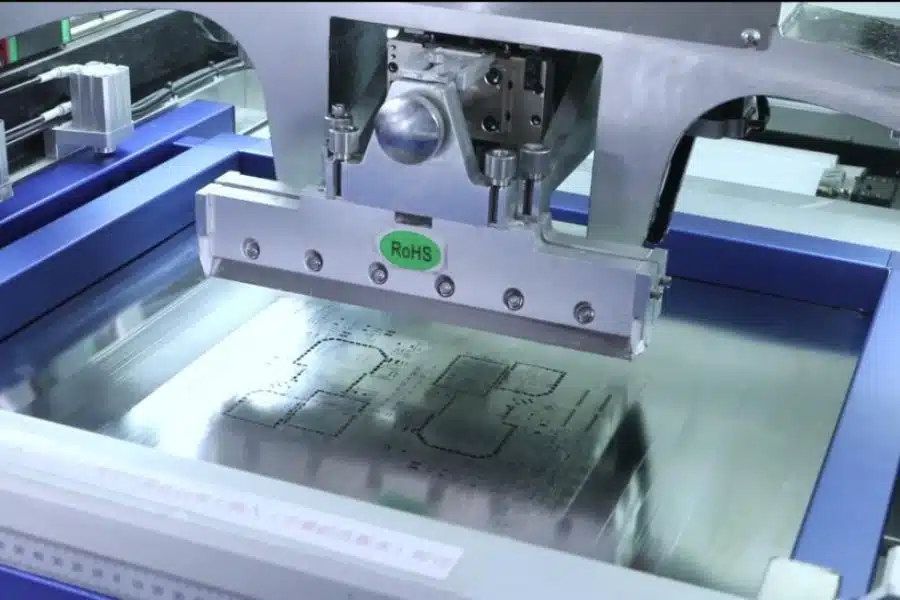
The Ultimate Guide to Stencil Printer Maintenance: Ensuring Consistent Solder Paste Deposition
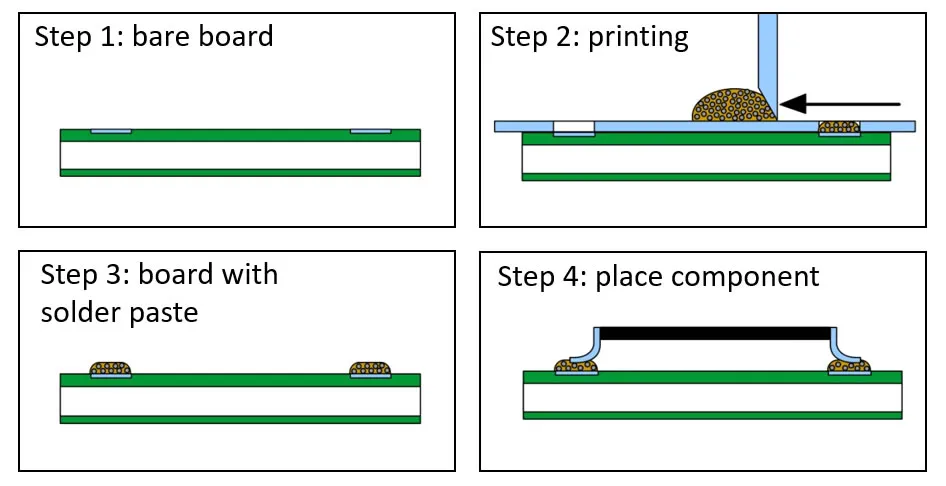
From Prototype to Production: Choosing the Right Stencil Printer for Your PCB Assembly Needs
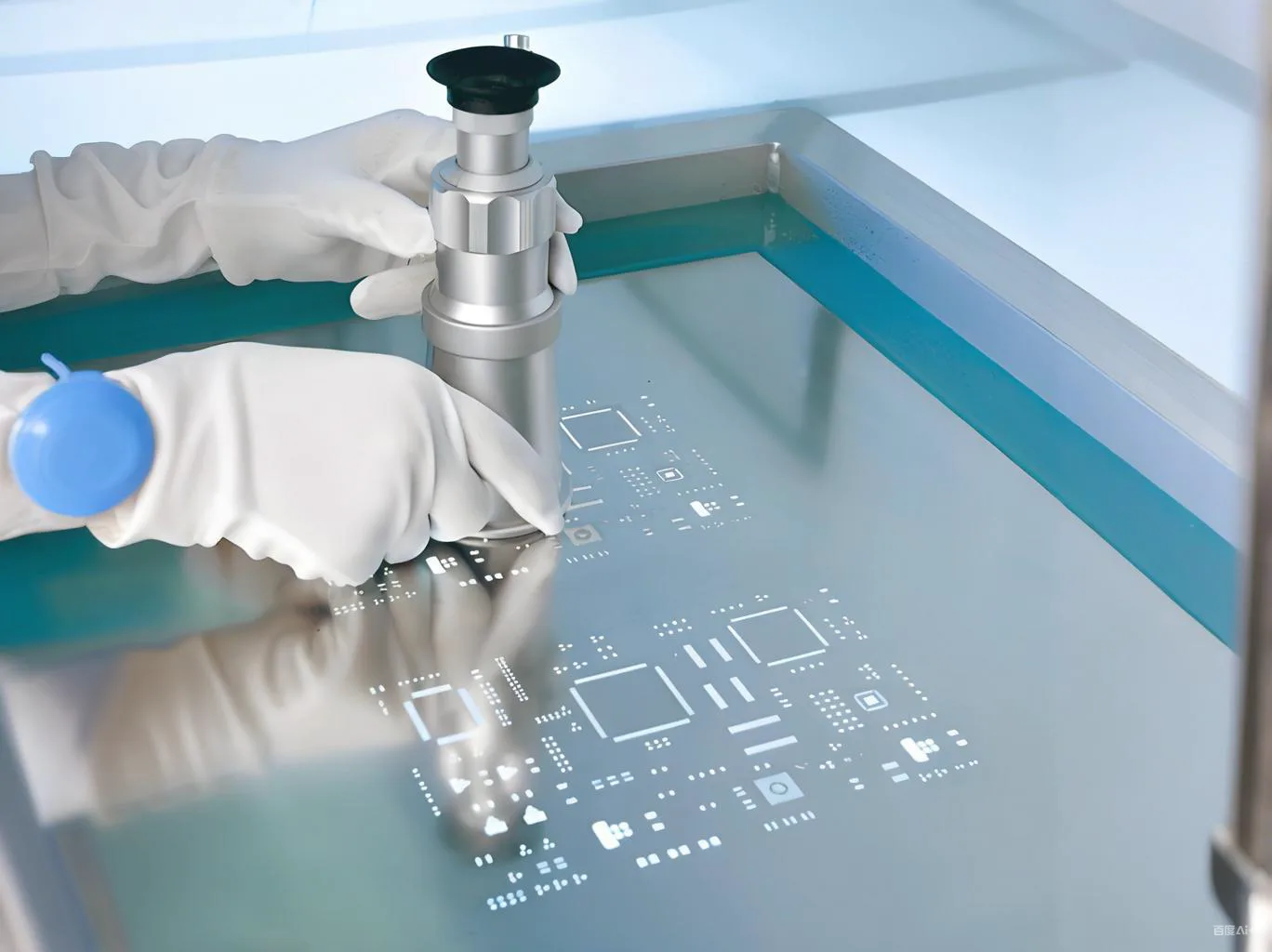
Precision Solder Paste Application: Mastering Stencil Printers for Fine Pitch PCBs