OTA Cloud Platform Architecture and Key Technologies
Technical overview of automotive OTA: definitions (SOTA, FOTA, COTA), use cases, cloud-gateway-vehicle architecture, implementation process, security and vehicle-side updates.
Automotive electronics form the backbone of modern vehicles, integrating advanced circuitry and systems that enhance performance, safety, and efficiency. This category delves into the intricate world of electronic components and designs tailored for automotive applications, from engine control units to infotainment systems and autonomous driving technologies. As vehicles evolve toward electrification and connectivity, understanding these elements becomes essential for engineers, technicians, and enthusiasts aiming to innovate or troubleshoot in this dynamic field. Within automotive electronics, practical guides and tutorials cover everything from PCB layout for harsh environments to integrating sensors for real-time data processing. Insights into best practices address challenges like electromagnetic interference, thermal management, and compliance with industry standards such as ISO 26262. These resources provide actionable knowledge, helping readers apply concepts to real-world scenarios, whether developing electric vehicle battery management systems or upgrading legacy automotive networks. The technical relevance of automotive electronics extends to emerging trends like vehicle-to-everything communication and AI-driven diagnostics, offering substantial value in improving reliability and user experience. By exploring the articles here, professionals can stay ahead of regulatory changes and technological advancements, while hobbyists gain the tools to customize their projects. This collection equips you with the expertise to navigate the complexities of automotive innovation, fostering deeper understanding through diverse topics and in-depth analyses.
Technical overview of automotive OTA: definitions (SOTA, FOTA, COTA), use cases, cloud-gateway-vehicle architecture, implementation process, security and vehicle-side updates.
Technical comparison of EV heating: heat pump vs PTC heater, Tesla integrated systems, COP tradeoffs and battery-HVAC coupling for cold-weather performance.
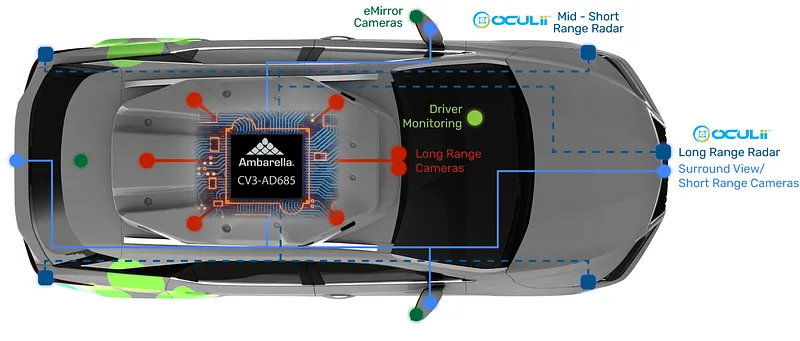
Analysis of China's intelligent driving domain controller market: compute chip requirements, BEV+Transformer shift, vendor landscape and E/E architecture evolution.
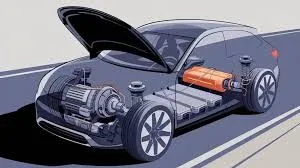
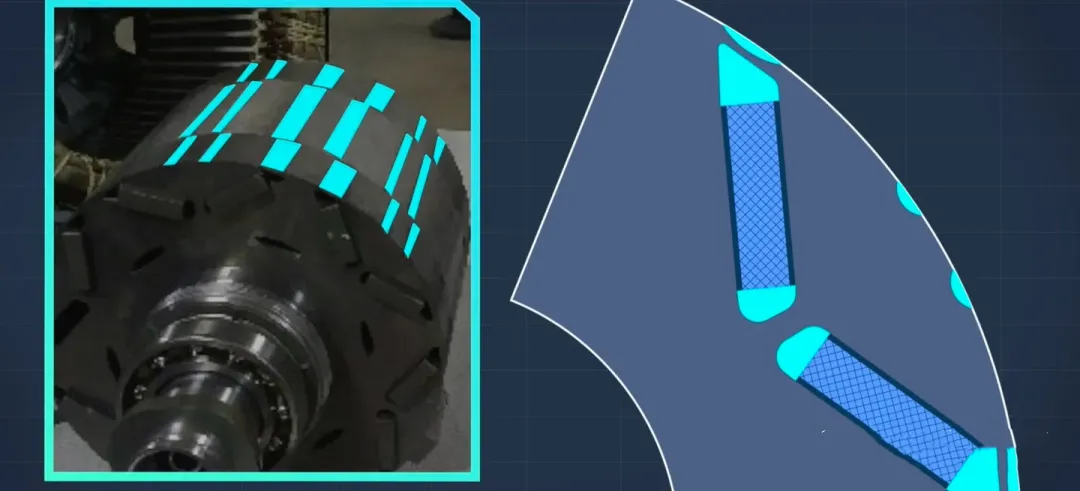
Overview of EV drive motors: types (permanent magnet synchronous and induction), operating principles, roles, cooling, and design requirements for efficiency and reliability.
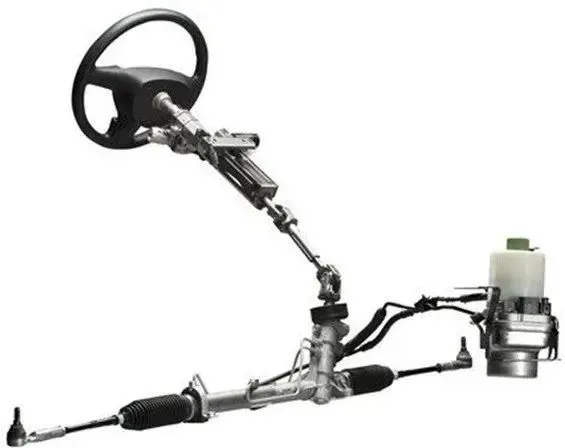
Technical overview of steer-by-wire (SBW) systems: development history, steering execution control, fault-tolerant control strategies, and market status.
TransModeler lane-changing model tuning: diagnosing excessive single-lane queuing caused by critical distance and look-ahead effects, with solutions: alpha tuning, link extension.
Intelligent driving function and scenario frameworks: outlines driving and parking features (ACC, LCC, NOA) and their mapping to highway, urban and parking scenarios.
Overview of electric vehicle electronic control system: architecture, VCU coordination, motor controller, BMS, and high-/low-voltage components (OBC, DC/DC, PDU).
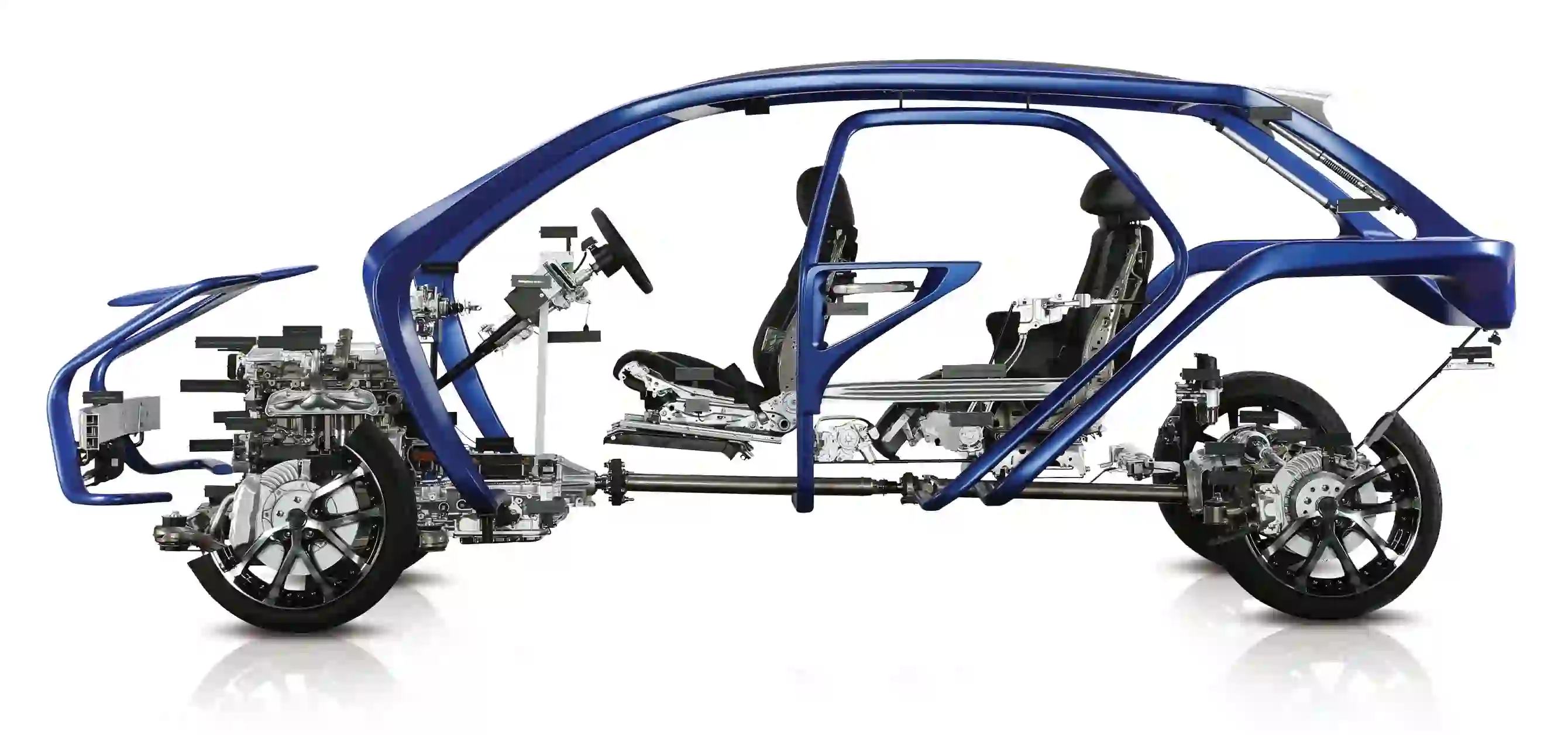
Overview of intelligent chassis evolution, key trends such as drive-by-wire, multi-actuator integration, personalization and safety redundancies for electrified automated vehicles.
Technical overview of VCU torque management and hybrid mode control, covering ECMS mode decision, component-level torque allocation, and 4WD distribution.
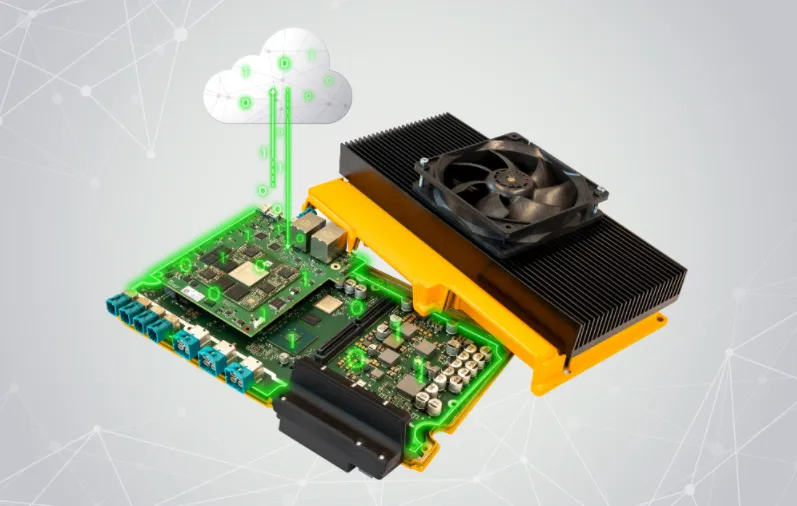
Technical overview of Continental CAEdge cloud-edge framework for software-defined vehicles, covering architecture, virtualization, HPC simulation, OTA updates, and lifecycle tools.
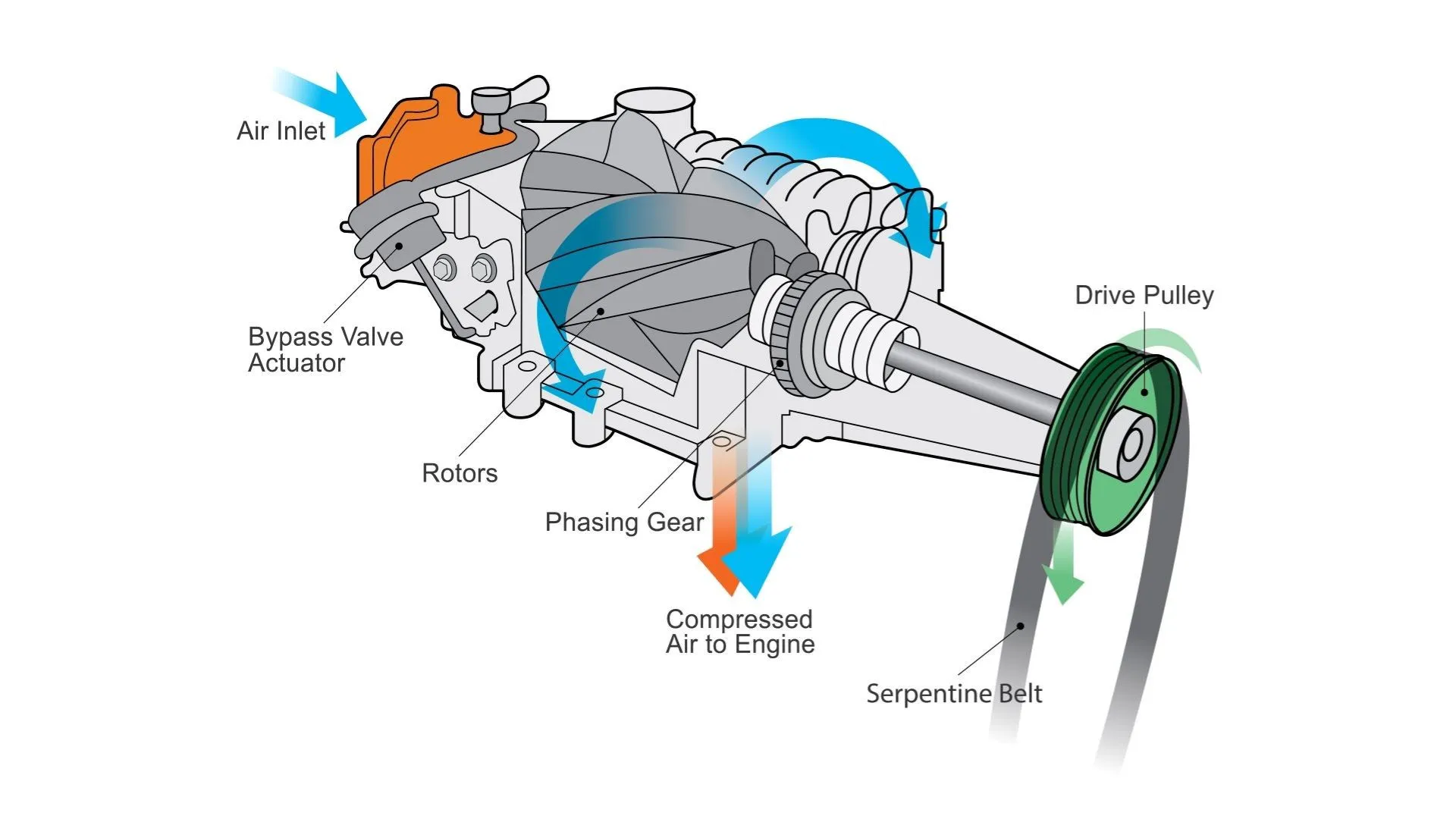
Explains engine air management, from throttle and variable intake manifolds to exhaust design, and compares turbocharging, supercharging and twin-charging methods.