What Is "Automotive Grade" and Its Drawbacks
Overview of automotive-grade components: environmental, vibration and reliability, AEC Q100 qualification, and risks of using non-automotive parts in vehicles.
Automotive electronics form the backbone of modern vehicles, integrating advanced circuitry and systems that enhance performance, safety, and efficiency. This category delves into the intricate world of electronic components and designs tailored for automotive applications, from engine control units to infotainment systems and autonomous driving technologies. As vehicles evolve toward electrification and connectivity, understanding these elements becomes essential for engineers, technicians, and enthusiasts aiming to innovate or troubleshoot in this dynamic field. Within automotive electronics, practical guides and tutorials cover everything from PCB layout for harsh environments to integrating sensors for real-time data processing. Insights into best practices address challenges like electromagnetic interference, thermal management, and compliance with industry standards such as ISO 26262. These resources provide actionable knowledge, helping readers apply concepts to real-world scenarios, whether developing electric vehicle battery management systems or upgrading legacy automotive networks. The technical relevance of automotive electronics extends to emerging trends like vehicle-to-everything communication and AI-driven diagnostics, offering substantial value in improving reliability and user experience. By exploring the articles here, professionals can stay ahead of regulatory changes and technological advancements, while hobbyists gain the tools to customize their projects. This collection equips you with the expertise to navigate the complexities of automotive innovation, fostering deeper understanding through diverse topics and in-depth analyses.
Overview of automotive-grade components: environmental, vibration and reliability, AEC Q100 qualification, and risks of using non-automotive parts in vehicles.
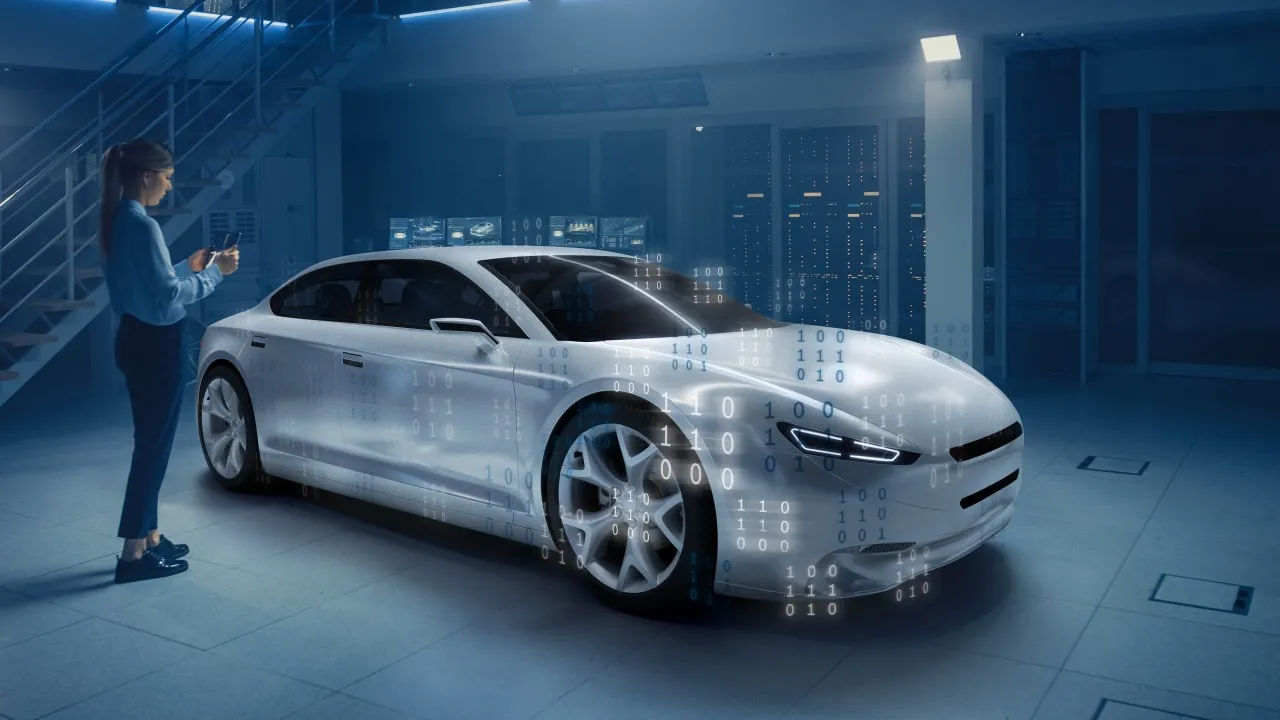
Overview of Bosch's software-defined vehicles and proposed architecture, covering unified vehicle OS, multi-fleet layer, and API standardization.
Technical article about electronics and hardware engineering.
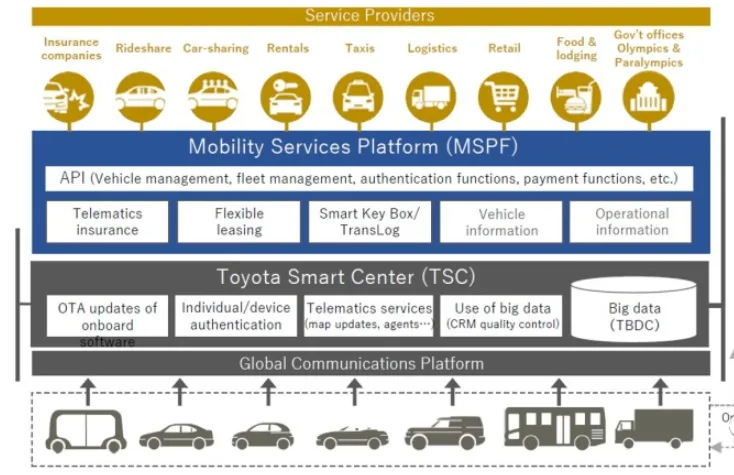
Technical overview of software-defined vehicle evolution, covering CASE drivers, China strategy, IT entrants, E/E architecture, OTA updates and OEM software strategies.
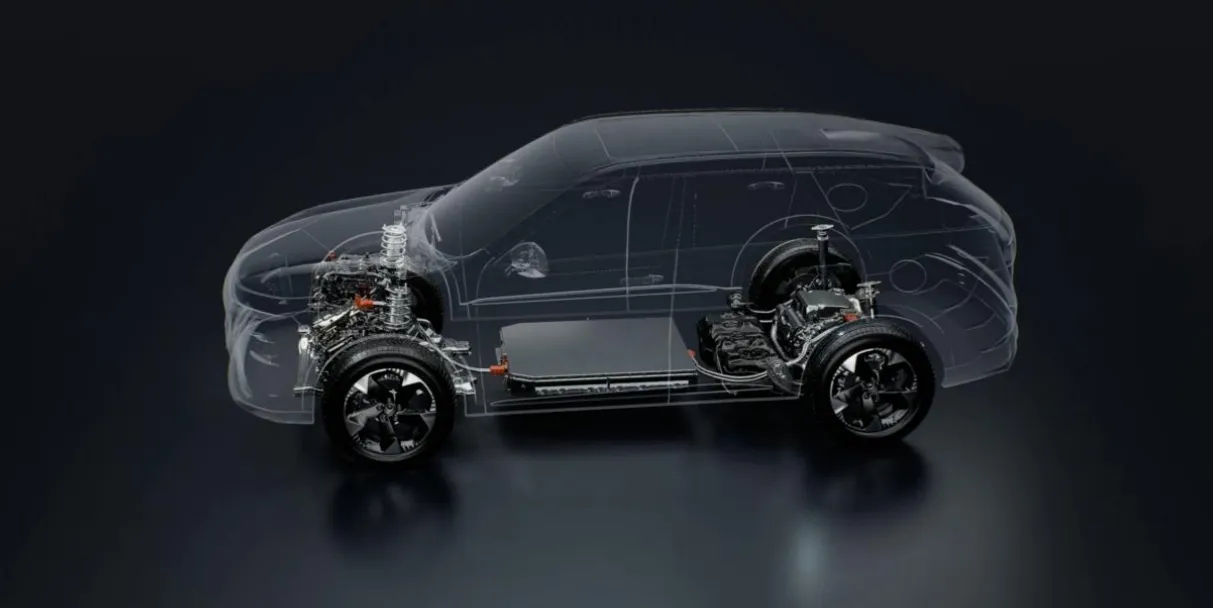
Technical overview of SAIC-GM/PATAC next-generation plug-in hybrid system: modular P1P3 architecture, high-efficiency electric drive components, and battery safety management.
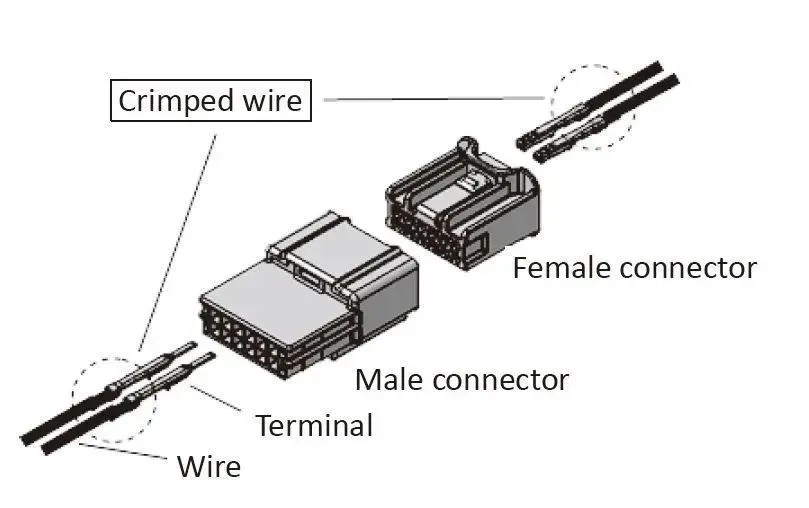
Development of high-strength aluminum conductors for automotive wiring harnesses, alloy design (Al-0.6%Mg-0.5%Si) for 0.35 mm2 wire, improved fatigue resistance and crimping.
Technical comparison of MCU vs SoC in automotive electronics, detailing differences in peripherals, memory, power, and processor options for in-vehicle compute.
Technical overview of Huawei's CCA architecture and E/E evolution: SOA-driven domain consolidation, Ethernet backbones, zone controllers, and smart actuator implications.
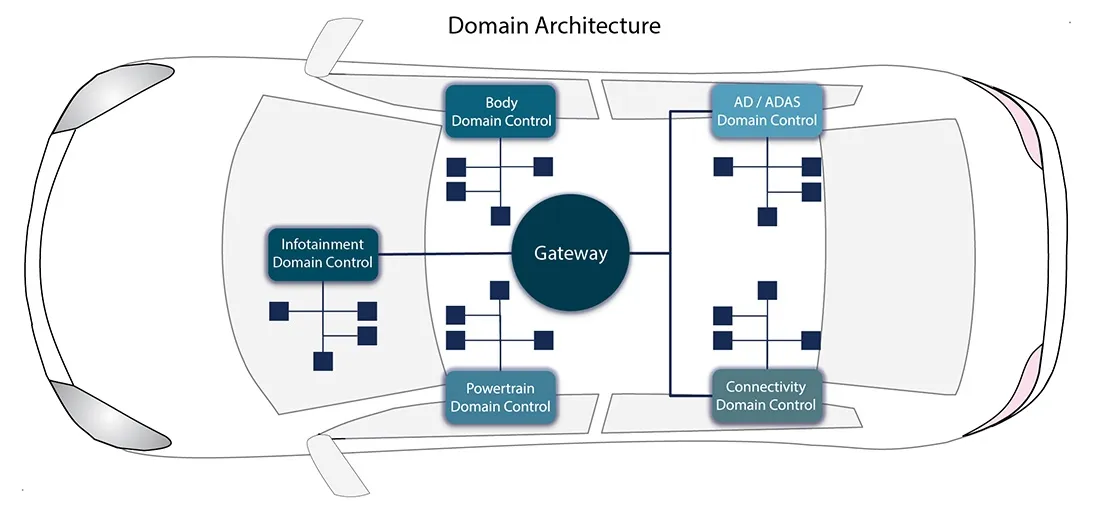
Overview of domain controllers in vehicle E/E architecture: composition, ADAS and cockpit domains, evolution from distributed ECUs, and implications for software and networks.
Huawei xMotion Torque Vectoring Control (TVC): real-time torque redistribution to manage tire friction limits and reduce understeer/oversteer during cornering.
Introduction to visual perception for autonomous driving: sensor types, camera calibration, data annotation, object detection/segmentation, monocular measurement, and system design.
Technical analysis of the shift from distributed ECUs to domain-centralized architecture, covering domain controller hardware/software, Ethernet, wiring reduction and OTA updates.