BEV Perception Algorithms for Future Autonomous Driving
Technical overview of BEV perception: datasets (KITTI-360, nuScenes), BEVFormer and BEVFusion pipelines, algorithm categories, and practical strengths and limitations.
Automotive electronics form the backbone of modern vehicles, integrating advanced circuitry and systems that enhance performance, safety, and efficiency. This category delves into the intricate world of electronic components and designs tailored for automotive applications, from engine control units to infotainment systems and autonomous driving technologies. As vehicles evolve toward electrification and connectivity, understanding these elements becomes essential for engineers, technicians, and enthusiasts aiming to innovate or troubleshoot in this dynamic field. Within automotive electronics, practical guides and tutorials cover everything from PCB layout for harsh environments to integrating sensors for real-time data processing. Insights into best practices address challenges like electromagnetic interference, thermal management, and compliance with industry standards such as ISO 26262. These resources provide actionable knowledge, helping readers apply concepts to real-world scenarios, whether developing electric vehicle battery management systems or upgrading legacy automotive networks. The technical relevance of automotive electronics extends to emerging trends like vehicle-to-everything communication and AI-driven diagnostics, offering substantial value in improving reliability and user experience. By exploring the articles here, professionals can stay ahead of regulatory changes and technological advancements, while hobbyists gain the tools to customize their projects. This collection equips you with the expertise to navigate the complexities of automotive innovation, fostering deeper understanding through diverse topics and in-depth analyses.
Technical overview of BEV perception: datasets (KITTI-360, nuScenes), BEVFormer and BEVFusion pipelines, algorithm categories, and practical strengths and limitations.
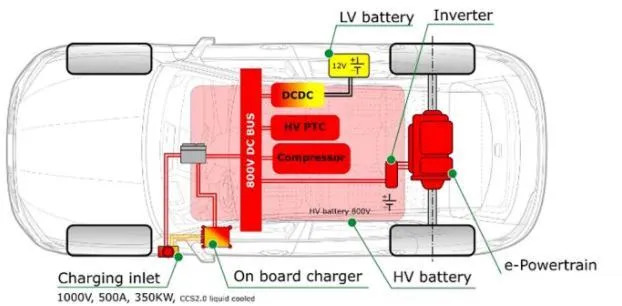
Technical overview of 800V high-voltage EV platforms and fast charging, covering system impacts, component and battery upgrades, and charging infrastructure trends.
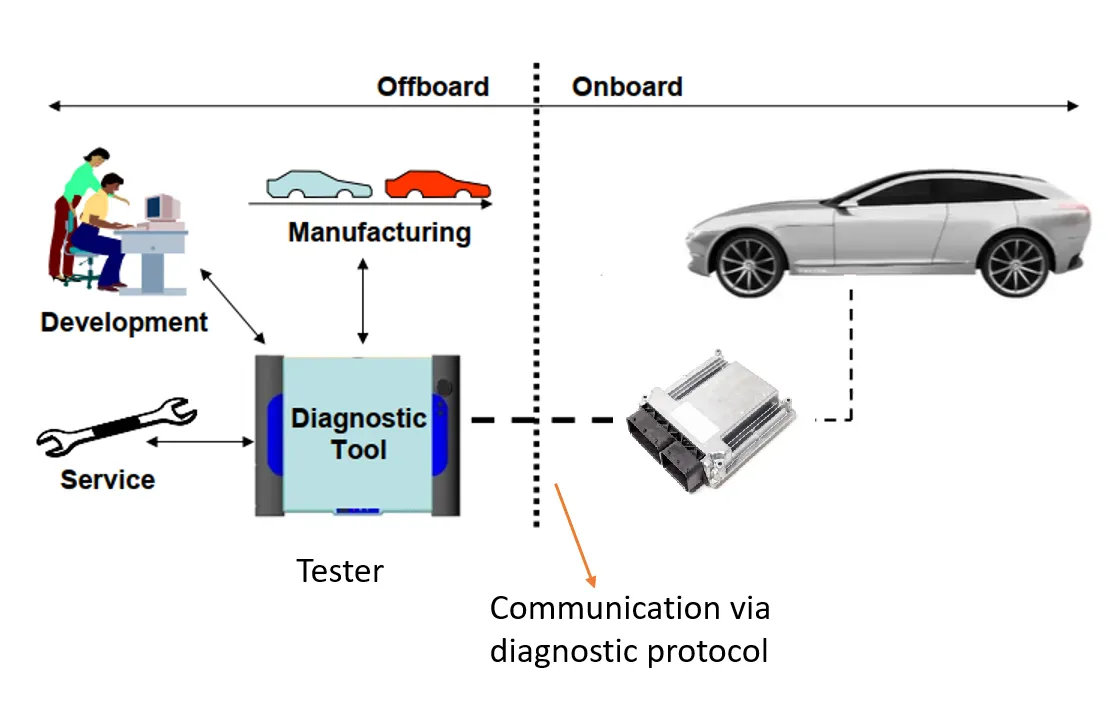
Technical overview of UDS diagnostics, covering CAN network and application layers, N_PDU/N_PCI formats, single/multi-frame (SF/FF/CF/FC), addressing and timing parameters.
Avita 11 technical overview of electronic architecture, domain controllers, HarmonyOS cockpit (Kirin 990A), MDC compute (Ascend/MDC610), sensors, and Adaptive AUTOSAR.
Technical overview of Tesla's Full Self-Driving: vision-based perception, Occupancy Network for volumetric scene prediction, planning, auto-labeling, simulation and in-cabin fusion.
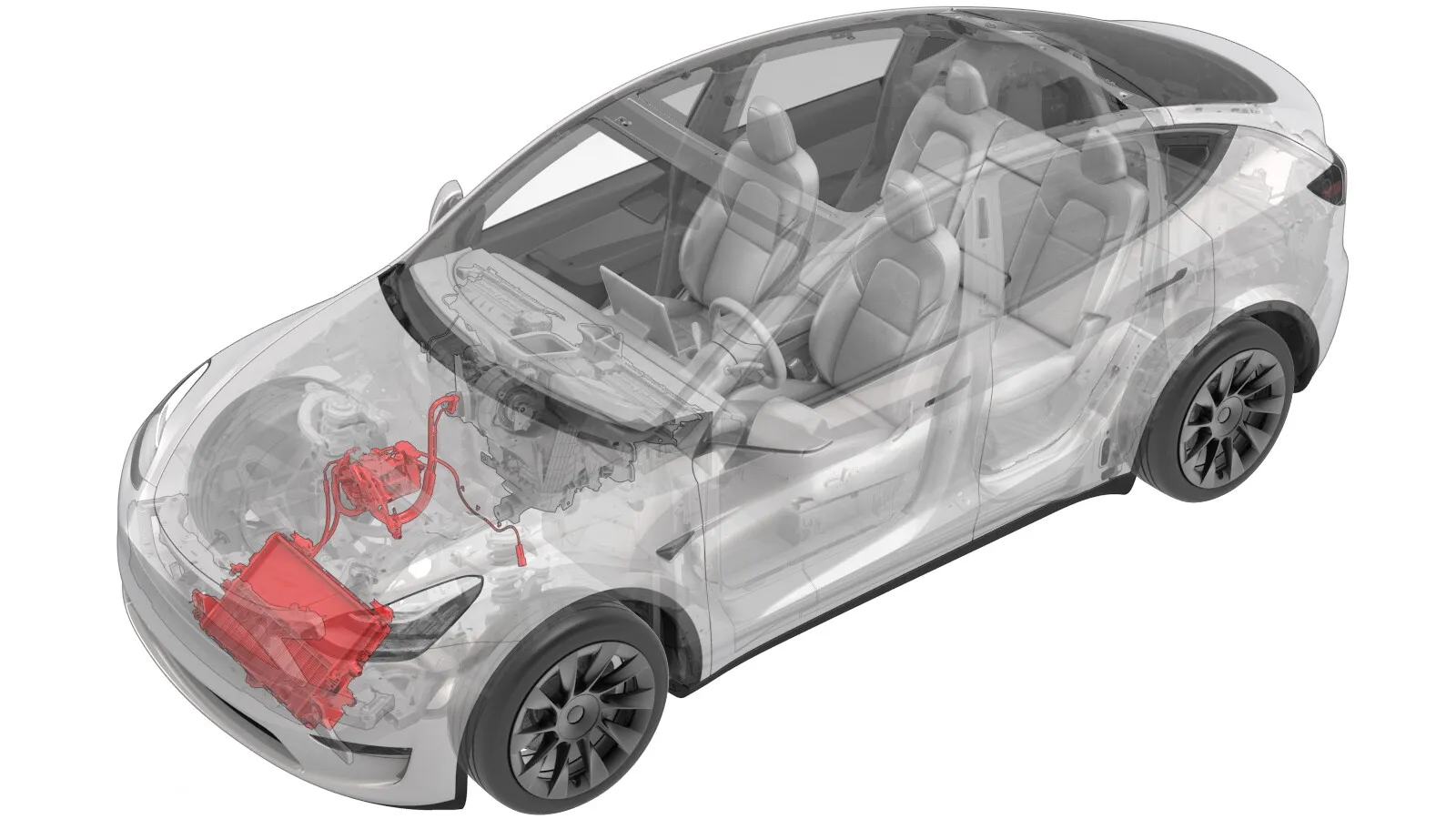
Technical overview of Tesla Model Y/Model 3 thermal management: heat pump principles, PTC tradeoffs, and the octovalve routing that reduces winter energy loss.
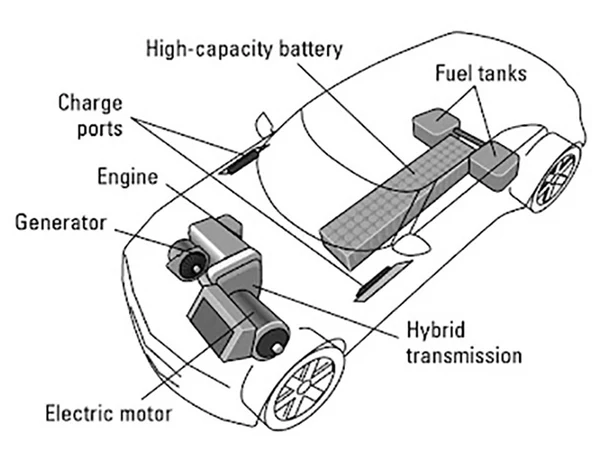
Overview of hybrid vehicle operating modes: hybrid driving, pure-electric, boost, generator and regenerative braking, and torque coordination by hybrid control system.
Technical overview of in-cabin cameras covering OMS and DMS functions, depth-sensing options (TOF, structured light), transmission, ISP placement, and CMS system architectures.
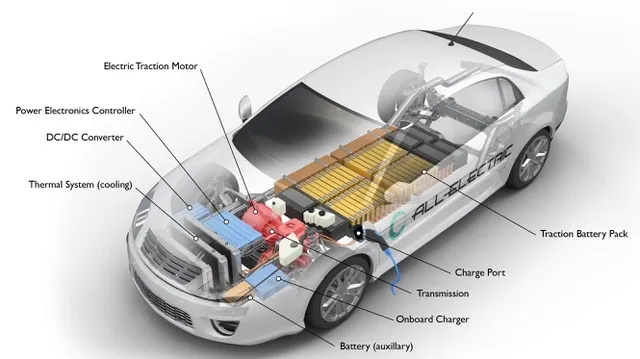
Technical overview of high-voltage battery systems and Battery Management System (BMS): components, enclosure, module structure, monitoring and protection functions.
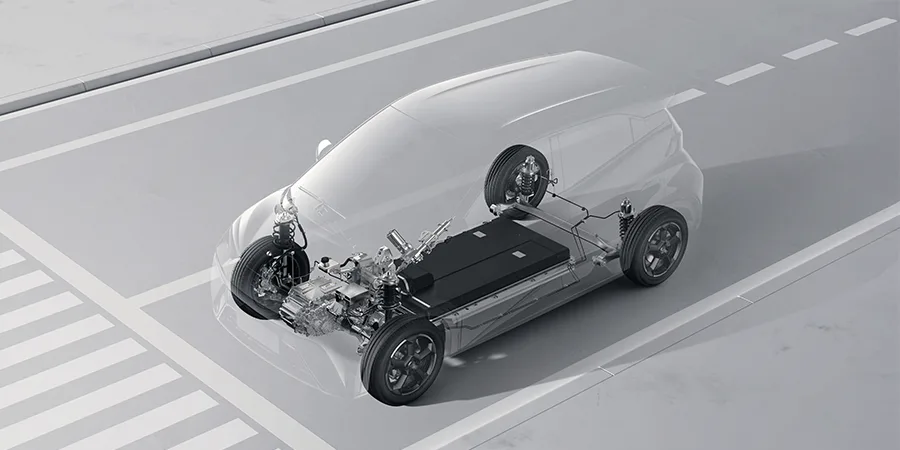
Technical summary of BYD's 8-in-1 electrification system: an integrated high-voltage powertrain with compact packaging, SiC-enabled thermal management and domestic supply chain.
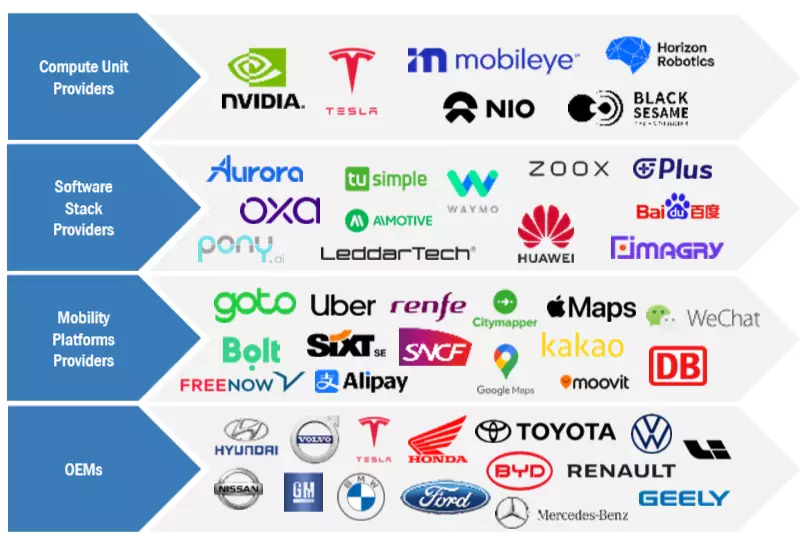
Part 1 of P3's Autonomous Driving Market Insight examines MaaS in the US, China and Europe, detailing platform stack layers, fleet operations and key vendors.
Technical overview of the WIT TE flinkey BLE smart actuator for Mercedes, covering NFC gateway, RF sniffer, battery, power and environmental specifications.