










Medical Electronics
Medical Electronics represents a vital intersection of advanced technology and healthcare, where electronic systems and printed circuit boards (PCBs) power life-saving devices and diagnostic tools. This category delves into the design, development, and optimization of electronics tailored for medical applications, addressing the unique challenges of reliability, precision, and regulatory compliance in environments where accuracy can mean the difference between health and harm. From wearable health monitors that track vital signs in real time to sophisticated imaging equipment like MRI machines and pacemakers, Medical Electronics encompasses a wide array of innovations that enhance patient care and streamline clinical workflows. Professionals in this field must navigate stringent standards such as ISO 13485 and FDA guidelines, ensuring devices are safe, effective, and resistant to electromagnetic interference. The practical value lies in empowering engineers, designers, and healthcare innovators to create solutions that improve diagnostics, enable remote monitoring, and support personalized medicine, ultimately contributing to better outcomes in hospitals, clinics, and home settings. This category offers comprehensive guides on PCB layout for medical-grade components, tutorials on integrating sensors and microcontrollers into diagnostic tools, and insights into emerging trends like telemedicine and AI-driven health analytics. Best practices cover everything from thermal management in implantable devices to signal integrity in high-stakes environments. By examining these resources, readers gain actionable knowledge to tackle real-world projects, whether prototyping a new blood glucose meter or optimizing circuits for surgical robots. Staying informed on these topics equips you with the expertise to drive advancements in healthcare technology. Dive into the articles here to uncover strategies that bridge electronics engineering with medical needs, fostering innovations that transform patient experiences and operational efficiency.
Latest Blogs
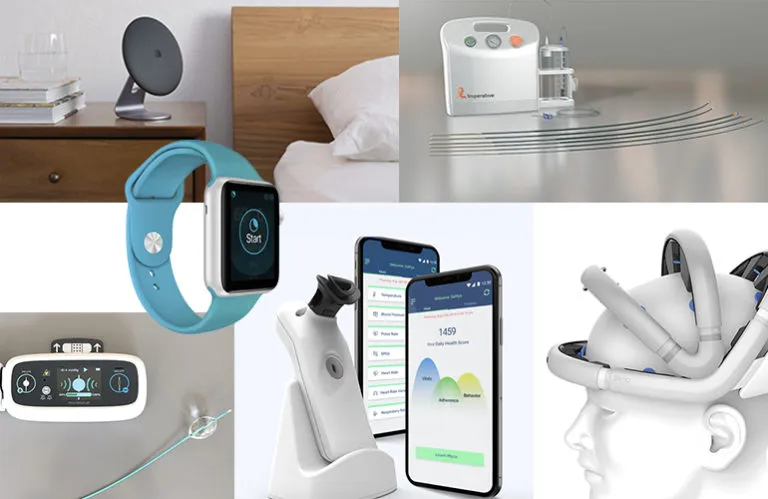
Creative Electronic Medical Devices Roundup
Survey of emerging medical devices and techniques—bionic implants, bioprinting, artificial hearts, BCIs and wearable patches—applications, trials, and technical approaches.

ECG Signal Acquisition and Classification Methods
Design and evaluation of an STM32-based ECG acquisition system using BMD101 and Faster R-CNN for ECG classification, R-peak detection, and real-time transmission.
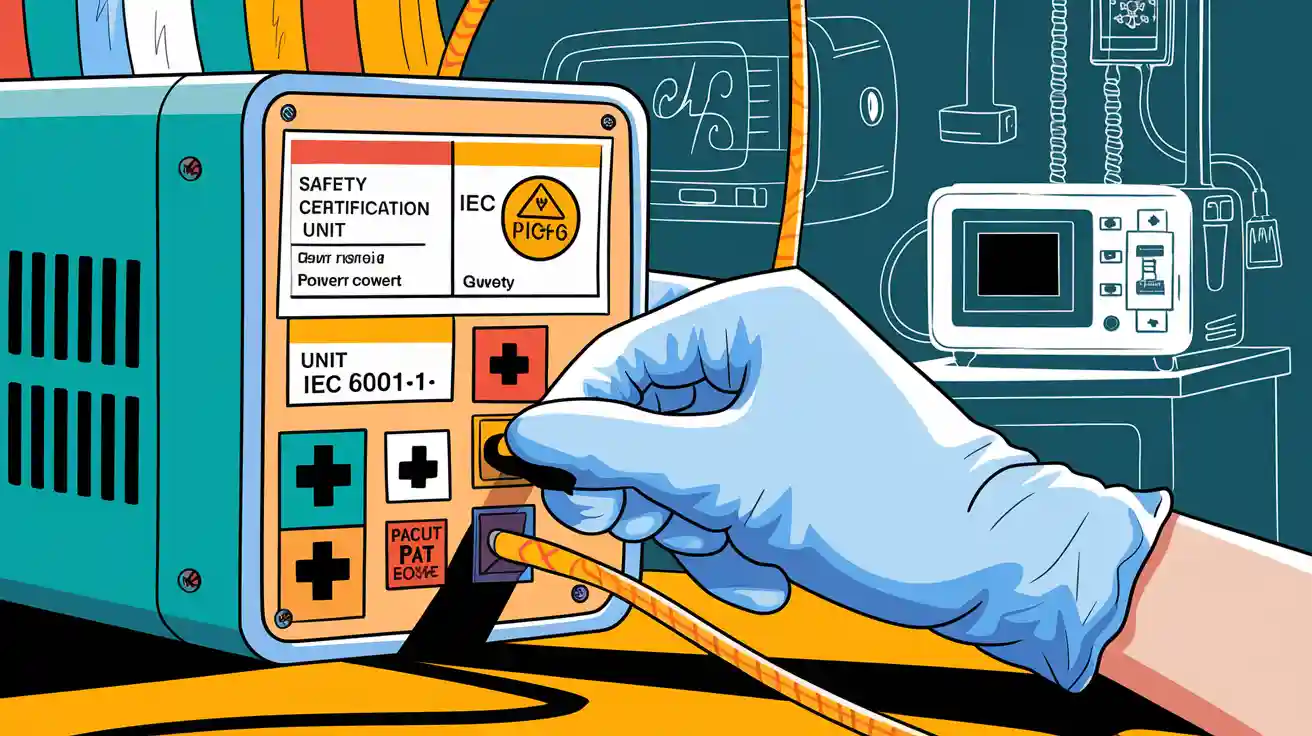
History and Evolution of the IEC 60601 Medical Standard
Overview of IEC 60601 fourth edition impacts on medical device design, highlighting EMC requirements, intended use environments, risk analysis, and MOPP/MOOP.
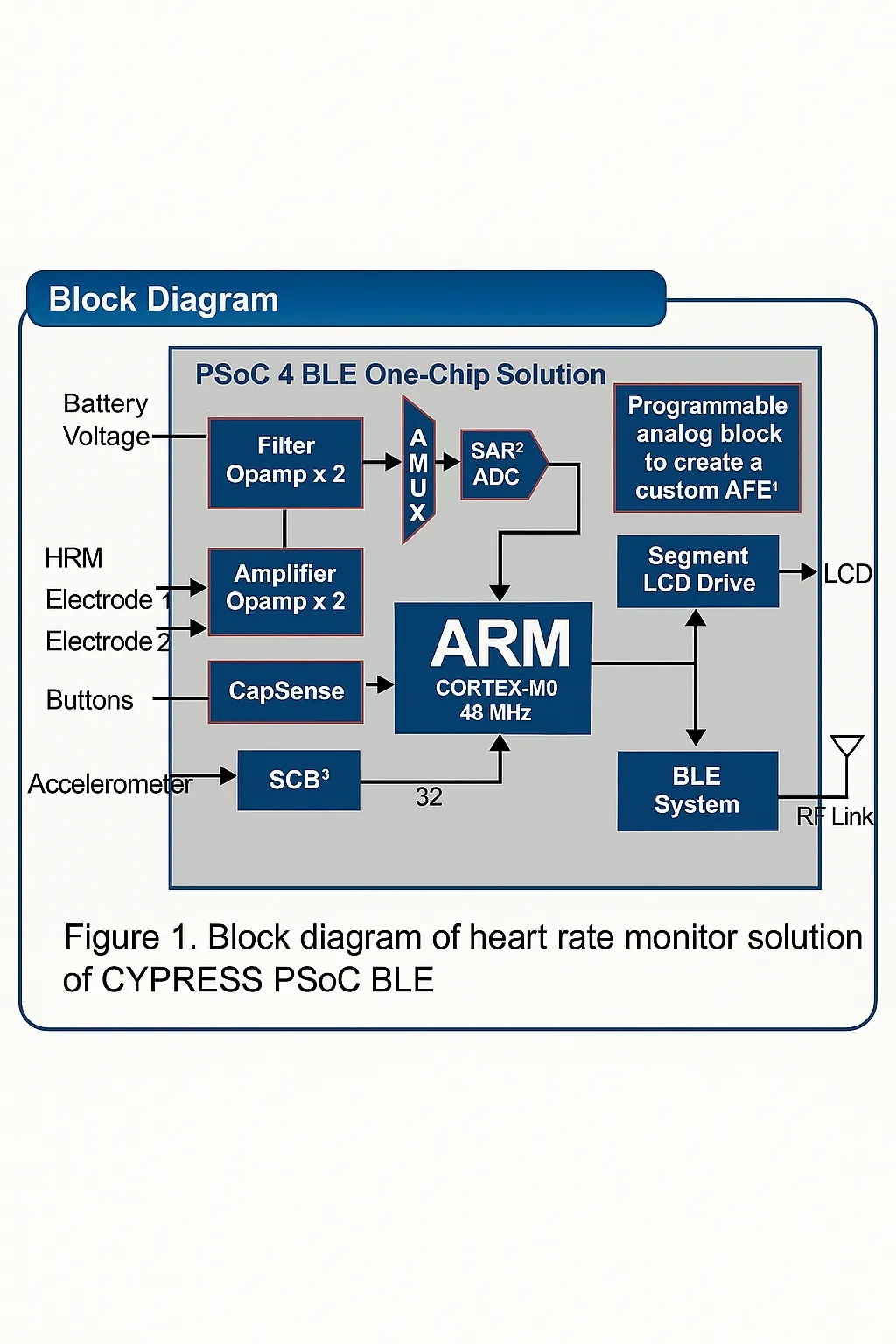
Single-Chip Heart Rate Monitor Solution Overview
Overview of a single-chip PSoC BLE solution for wearable heart rate monitors, detailing ADC/AFE, CapSense input, LCD driver, BLE connectivity and low-power modes.
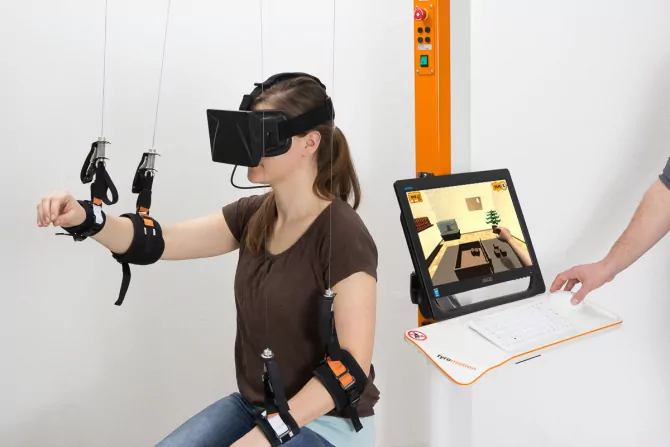
Remote Rehabilitation Data Collection for Real-Time 3D Vision
Remote rehabilitation information-collection control system using fuzzy control with PC-based inference and microcontroller interface for real-time 3D visual data capture.

Medical Sterilizer Control System Design
Technical overview of a sterilizer control system using the 80C196CKB microcontroller: hardware architecture, A/D acquisition of temperature/pressure, and assembly code.

3D-Printed Medical Splints for Orthopedic Use
Technical article about electronics and hardware engineering.

External Wireless Power for Implantable Medical Devices
MIT researchers developed an in vivo network using radio waves to wirelessly power and communicate with battery-free implantable devices for sensing, drug delivery, and stimulation.

Home Medical Electronics PCB Design for Reliable and Compact Devices
Expert guide to PCB design and manufacturing for home medical devices. Learn key strategies for miniaturization, low-power operation, signal integrity, EMI/EMC compliance, and IEC 60601 requirements in wearable monitors, glucose meters, blood pressure devices, and portable diagnostics.
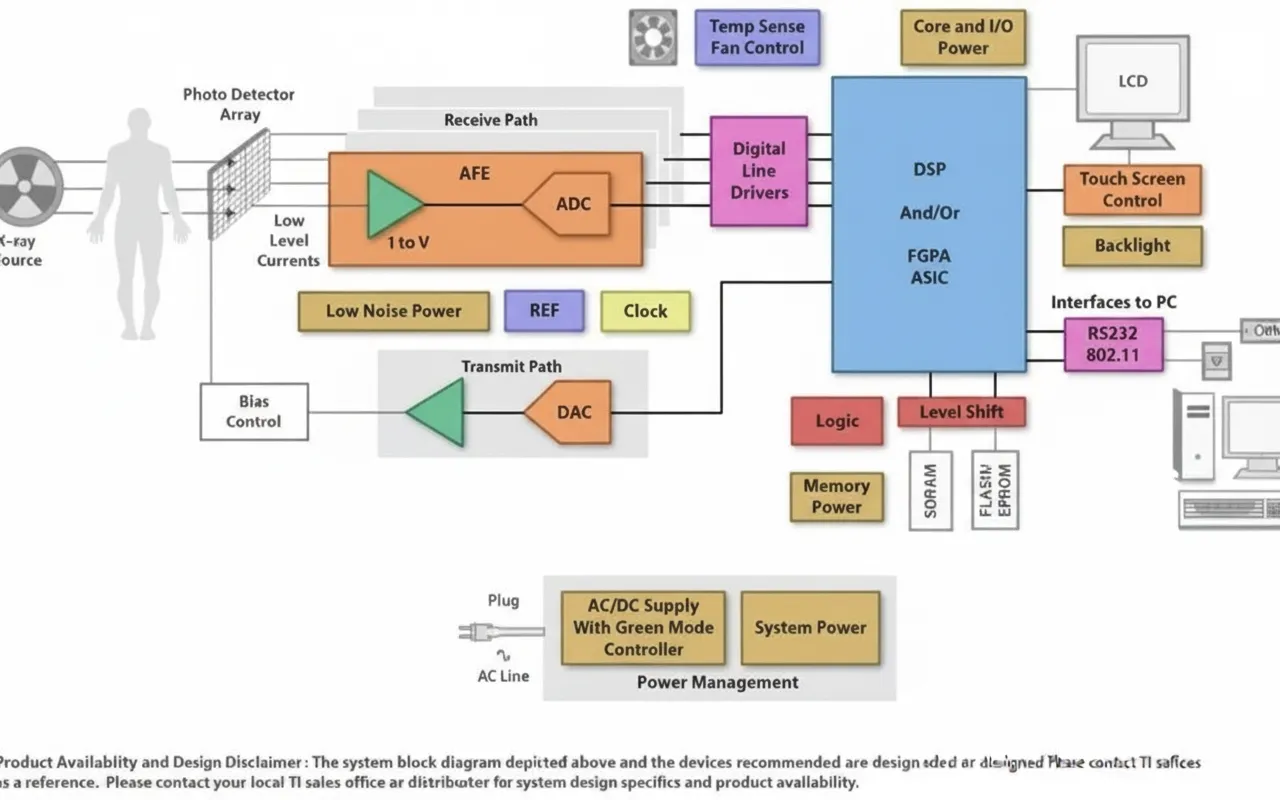
High-Reliability PCB Design and Manufacturing for Medical Digital Imaging: Ultrasound Probes, Nuclear Medicine, and AI-Enabled Diagnostics
Explore PCB design and manufacturing strategies for medical digital imaging systems. Learn how optimized layouts, signal integrity, thermal management, and reliable fabrication enable high-performance ultrasound probes, nuclear medicine detectors, molecular diagnostics, and advanced diagnostic equipment.
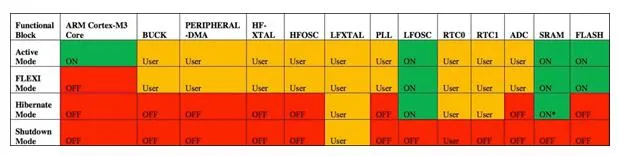
ADuCM3029 Circuit Design for Medical Devices
The ADuCM3029 MCU implements fine-grained power management with Flexi mode, dynamic clocks, an on-chip buck converter, caching, and RTC1/SensorStrobe for low-power sampling.
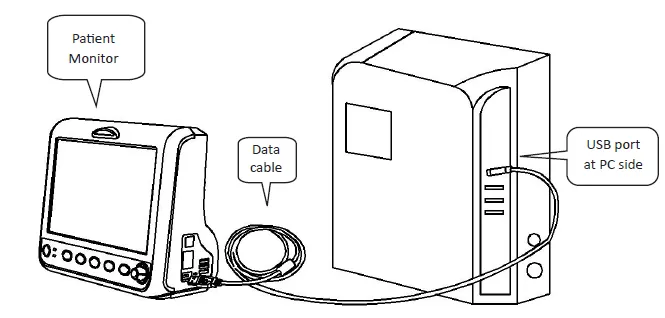
Simple Multiparameter Patient Monitor Reference Design
Compact, low-power reference design for a multiparameter monitor that acquires ECG, heart and respiratory rates, with AFE/ADS front-end and PC GUI.


