










Medical Electronics
Medical Electronics represents a vital intersection of advanced technology and healthcare, where electronic systems and printed circuit boards (PCBs) power life-saving devices and diagnostic tools. This category delves into the design, development, and optimization of electronics tailored for medical applications, addressing the unique challenges of reliability, precision, and regulatory compliance in environments where accuracy can mean the difference between health and harm. From wearable health monitors that track vital signs in real time to sophisticated imaging equipment like MRI machines and pacemakers, Medical Electronics encompasses a wide array of innovations that enhance patient care and streamline clinical workflows. Professionals in this field must navigate stringent standards such as ISO 13485 and FDA guidelines, ensuring devices are safe, effective, and resistant to electromagnetic interference. The practical value lies in empowering engineers, designers, and healthcare innovators to create solutions that improve diagnostics, enable remote monitoring, and support personalized medicine, ultimately contributing to better outcomes in hospitals, clinics, and home settings. This category offers comprehensive guides on PCB layout for medical-grade components, tutorials on integrating sensors and microcontrollers into diagnostic tools, and insights into emerging trends like telemedicine and AI-driven health analytics. Best practices cover everything from thermal management in implantable devices to signal integrity in high-stakes environments. By examining these resources, readers gain actionable knowledge to tackle real-world projects, whether prototyping a new blood glucose meter or optimizing circuits for surgical robots. Staying informed on these topics equips you with the expertise to drive advancements in healthcare technology. Dive into the articles here to uncover strategies that bridge electronics engineering with medical needs, fostering innovations that transform patient experiences and operational efficiency.
Latest Blogs
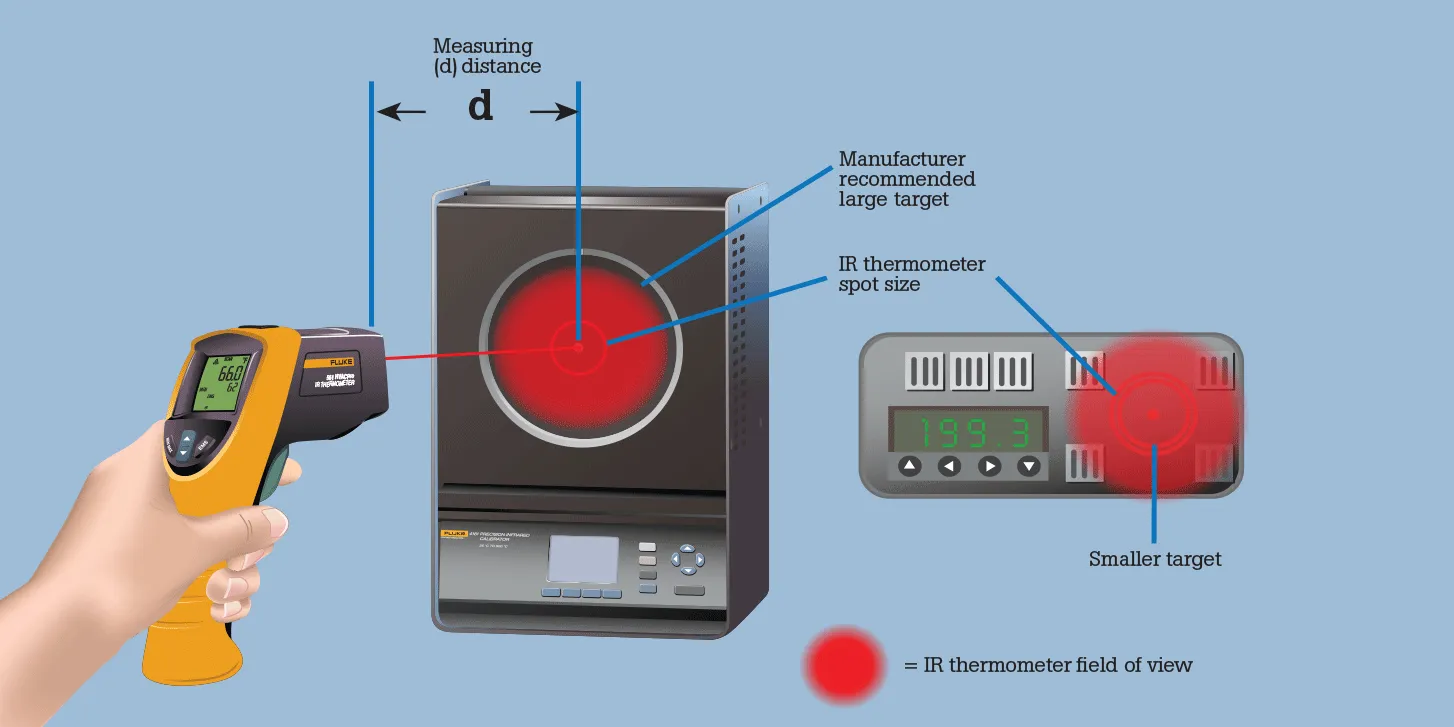
Infrared Thermometer Accuracy: Design Factors
Analysis of factors affecting infrared thermometer accuracy, focusing on thermopile sensor performance, optical design, emissivity effects and calibration procedures.
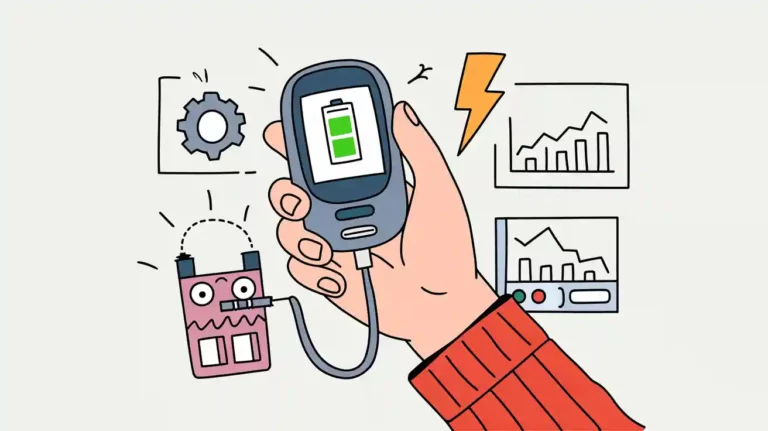
Battery Life Solution for CGM Using a Smart Battery Fuel Gauge
Technical overview of continuous glucose monitor (CGM) power design, focusing on single-cell battery management and smart fuel gauge algorithms for accurate capacity estimation.

Compact, efficient multi-parameter patient monitor design
Reference design for a compact multi-parameter patient monitor integrating AFE4403 to acquire ECG, SpO2, respiration, heart rate and temperature for portable vital-signs evaluation.

Smart Ultrasound Probes: From Cart-Based to Handheld
Overview of smart ultrasound probes and seven key design challenges—power, size, channel count, per-channel power, data processing, transfer, and interpretation.

Core Areas and Current State of Medical Image Processing
Survey of medical image processing covering image acquisition, image reconstruction, computation, and management; reviews algorithms, standards (DICOM/PACS), and current trends.
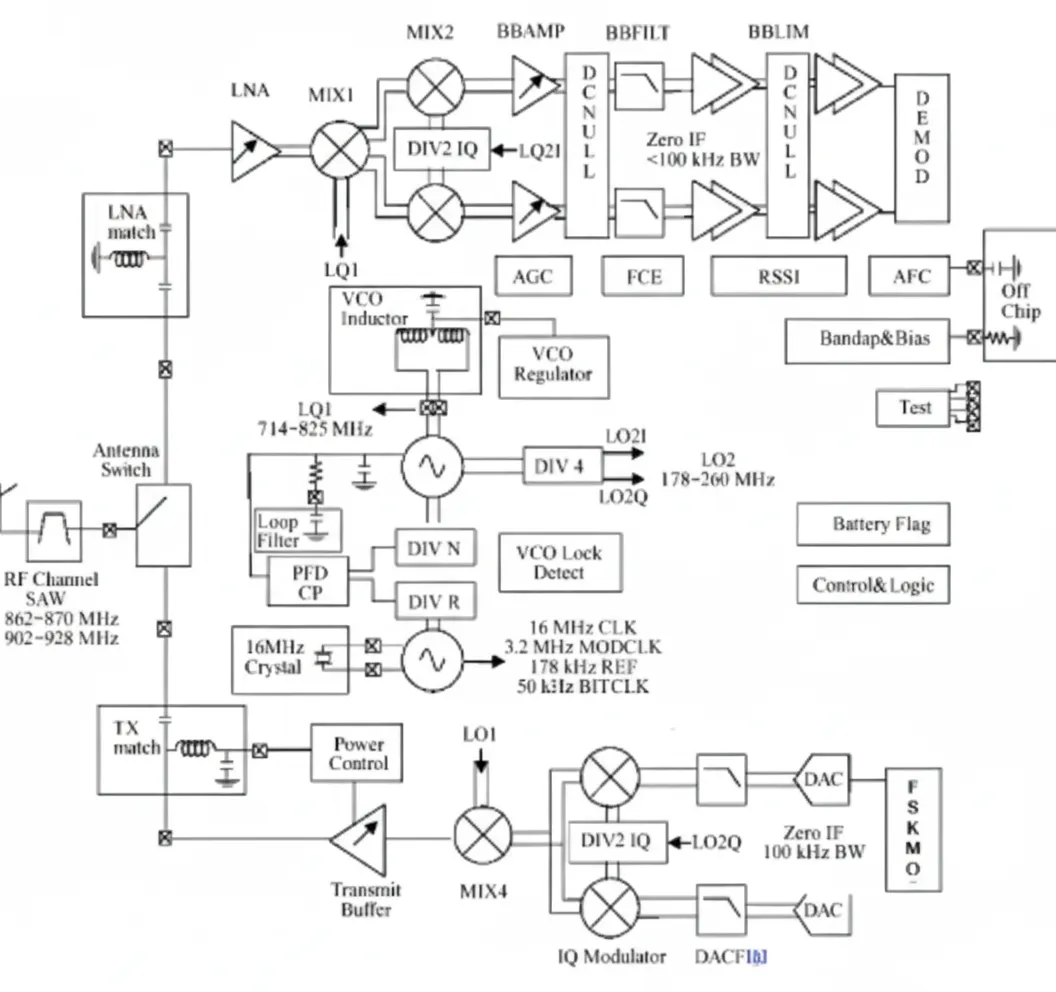
PCB Design for Wearable and Implantable Medical Systems: Wireless and Power Optimization
Discover PCB design strategies for wireless medical systems. Learn optimized RF layouts, antenna integration, isolation techniques, power efficiency, and manufacturing best practices that enable reliable Wi-Fi, GSM, and wireless power transfer in wearables and implants.

Molecular Diagnostics for Faster, More Accurate Patient Diagnosis
Point-of-care molecular diagnostics overview: nucleic acid amplification (PCR/LAMP), TEC temperature control, optical detection, and sensor front-end components for PoC analyzers.
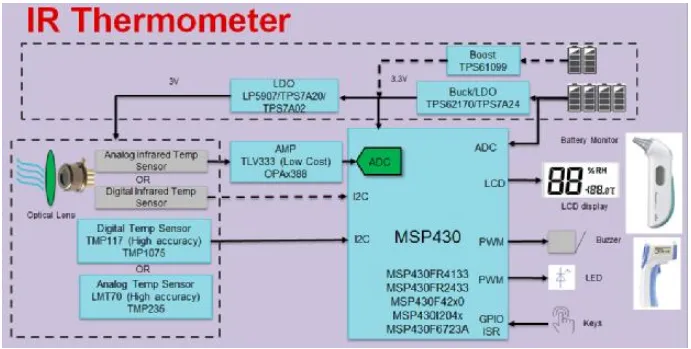
Quick Design Guide for Infrared Thermometers
Reference design for handheld infrared thermometer using MSP430 MCU, TI power-management, signal-chain amplifiers, and temperature sensors for low-power, high-accuracy designs.
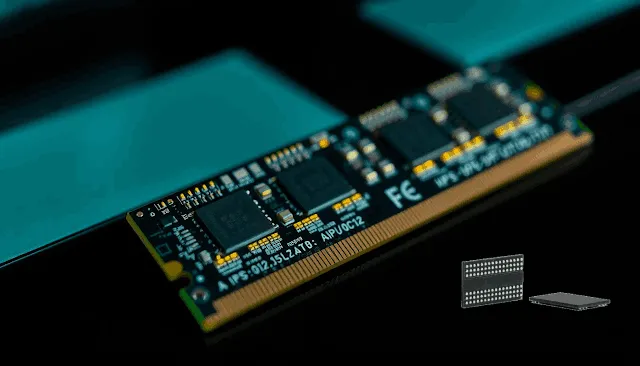
Multifunctional Care Monitor Circuit Using AFE4900
Wearable multi-parameter patient monitor reference design delivering synchronous PPG and ECG measurements, BLE data transmission, raw signals for heart rate, 30-day battery life.

Power Design Options for Battery-Powered Thermometers
Overview of battery types and power IC solutions for handheld infrared thermometers, covering dry cells, 9V and lithium options and precision sensing front-end components.
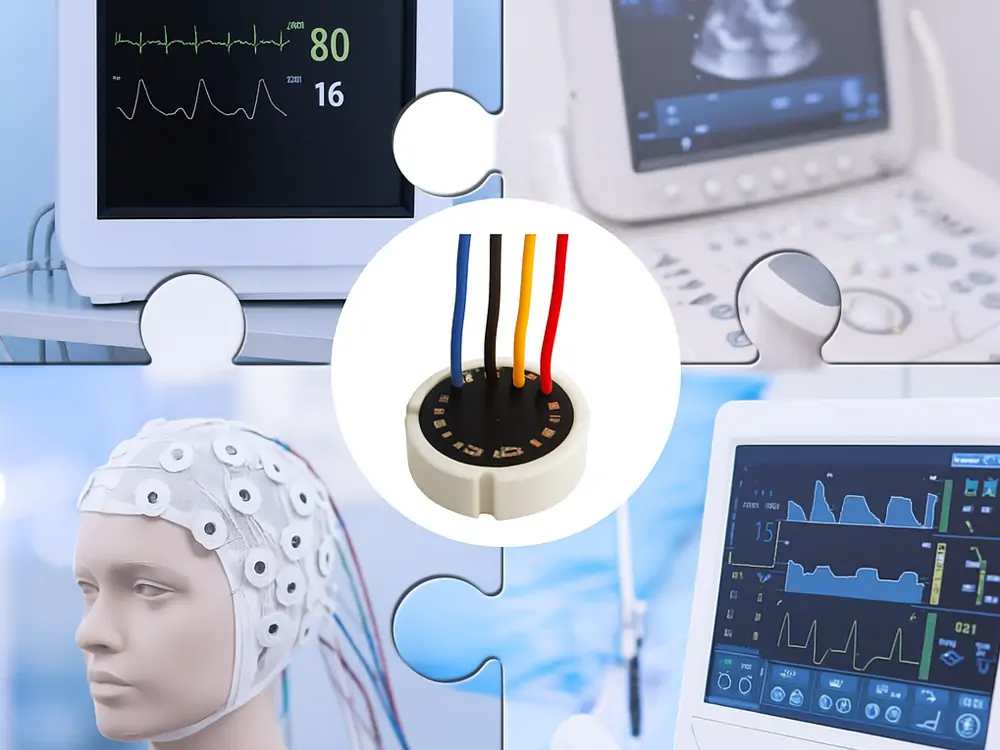
Medical Electronics PCB Design & Manufacturing: Enabling Next-Gen Sensors and Patient-Care Systems
Explore PCB design and manufacturing strategies for medical electronics. Learn how optimized layouts, signal integrity, thermal management, and reliable fabrication enable accurate heart-rate monitors, pulse oximeters, ECG systems, blood-pressure devices, multi-parameter monitors, and CGM solutions that meet strict clinical standards.
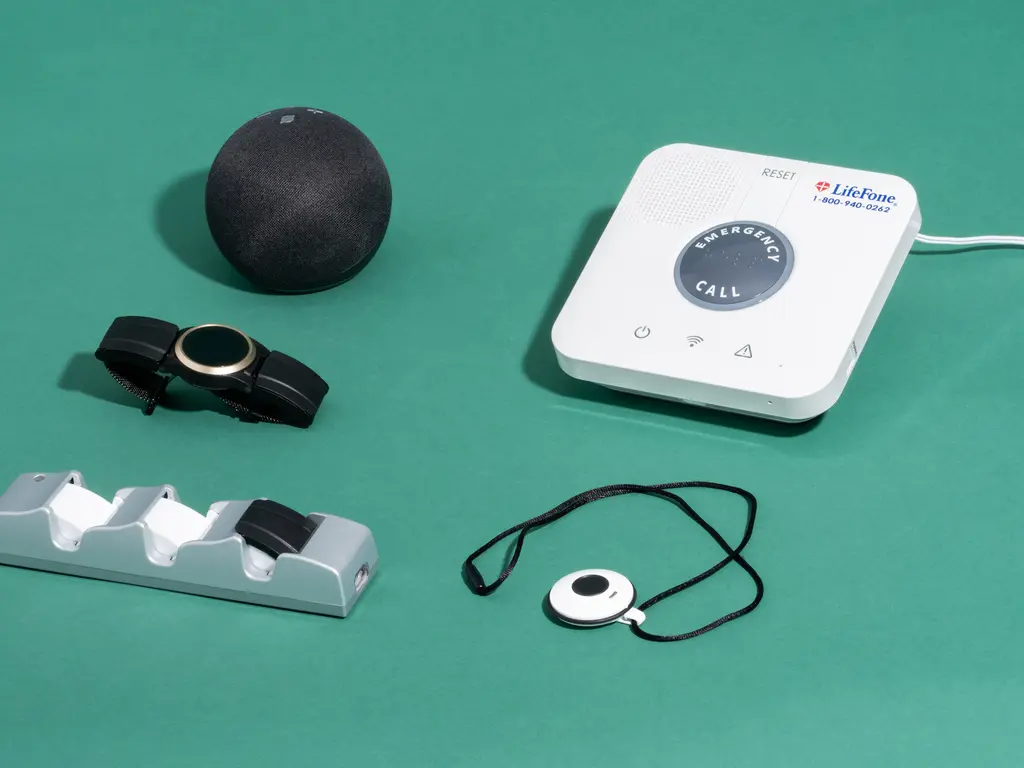
GSM-Based Remote Medical Emergency Alert System
Overview of a GSM remote medical emergency alert system for elderly living alone, combining wearable vital-sign monitoring and accelerometer-based fall detection.


