Self-excited and Externally-excited Ultrasonic Sensor Drivers
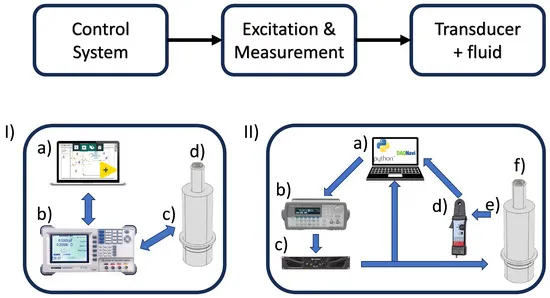
Explains self-excited drive methods for ultrasonic sensors, covering transistor Colpitts oscillators and higher-efficiency op amp self-excited oscillators.
MEMS & Sensor Technology represents a cornerstone of modern electronics, blending microfabrication techniques with sensing capabilities to enable compact, efficient devices that interact with the physical world. This category delves into the intricate world of Micro-Electro-Mechanical Systems (MEMS) and advanced sensor technologies, covering everything from fundamental principles to cutting-edge innovations. Whether you are an engineer designing next-generation wearables or a researcher exploring environmental monitoring solutions, understanding these technologies is essential for driving progress in fields like IoT, automotive systems, and healthcare. At the heart of this category, you will find comprehensive guides that break down MEMS fabrication processes, including photolithography and etching methods, alongside tutorials on integrating sensors into PCB designs for optimal performance. Our articles offer practical insights into selecting the right sensors for specific applications, such as accelerometers for motion detection or pressure sensors for industrial automation. We also share best practices for calibration, signal processing, and overcoming common challenges like noise reduction and power efficiency, ensuring you can apply these concepts to real-world projects with confidence. The practical value of MEMS & Sensor Technology extends far beyond theory, powering everyday devices from smartphones with gesture recognition to autonomous vehicles equipped with LiDAR and radar systems. In medical applications, these technologies facilitate precise diagnostics through biosensors, while in environmental science, they enable accurate data collection for climate monitoring. By exploring the articles in this category, you gain access to a wealth of knowledge that highlights technical relevance and inspires innovative solutions. Stay informed on emerging trends, such as flexible sensors for wearable tech or AI-enhanced data interpretation, to remain at the forefront of this dynamic field.
Explains self-excited drive methods for ultrasonic sensors, covering transistor Colpitts oscillators and higher-efficiency op amp self-excited oscillators.
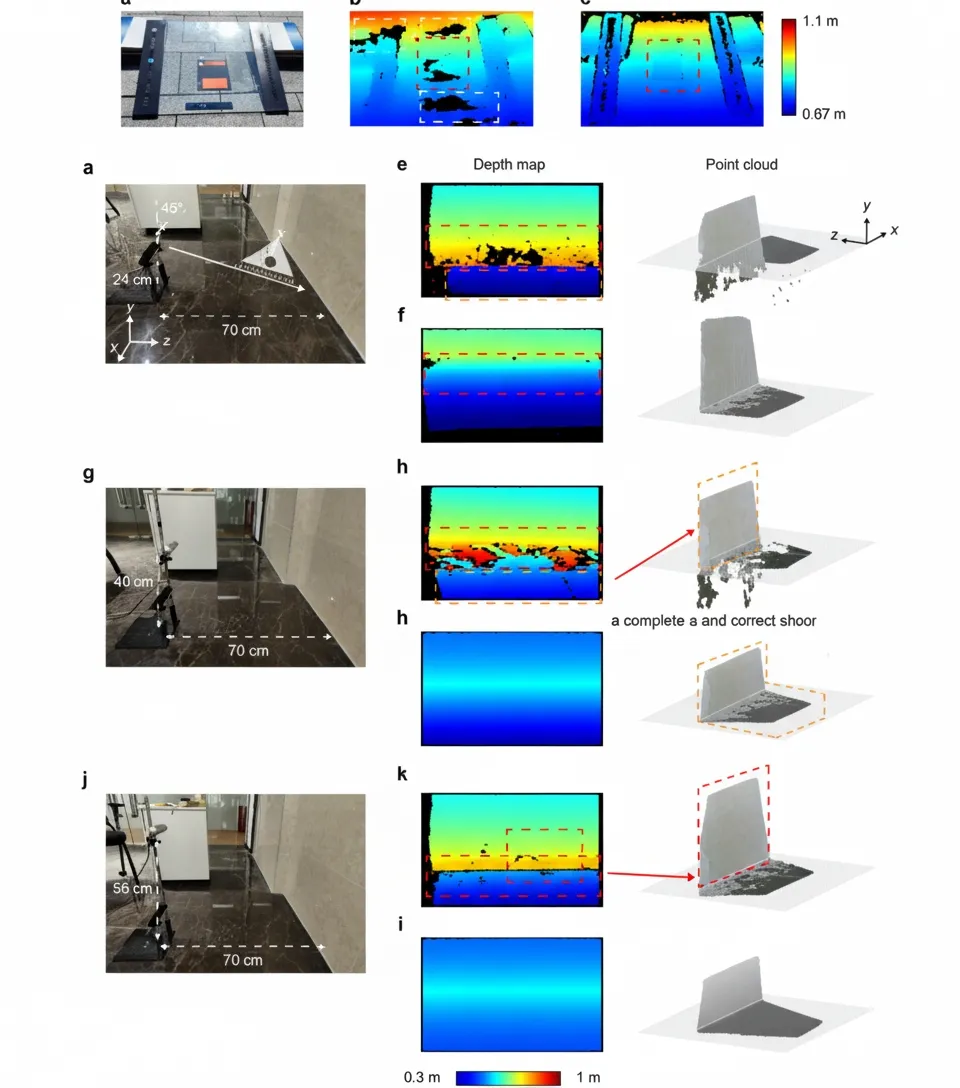
Polarization structured-light 3D camera using HCG-VCSELs and a polarization-selective CMOS receiver to suppress multipath and recover depth of reflective surfaces.
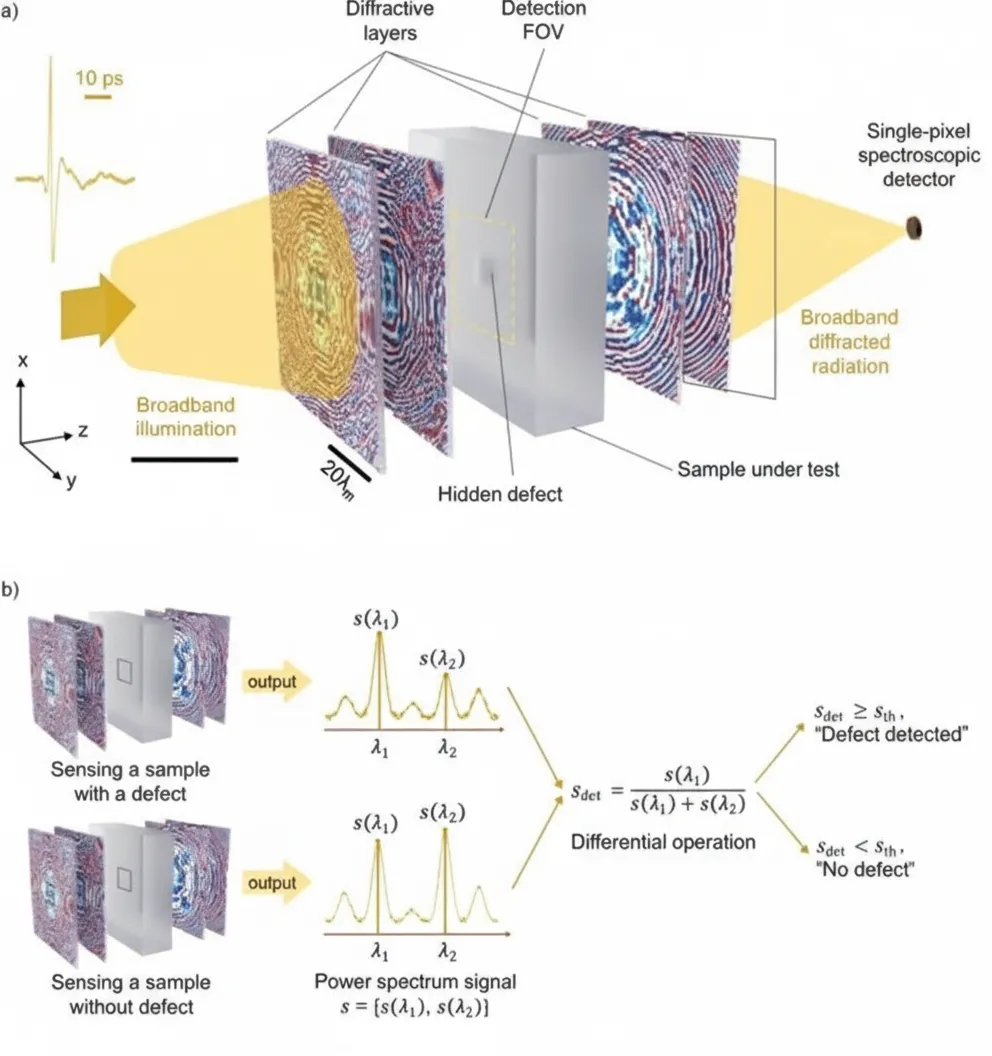
Rapid nondestructive detection of hidden defects using a single-pixel diffractive THz sensor: terahertz spectral encoding with deep-learned diffractive layers.
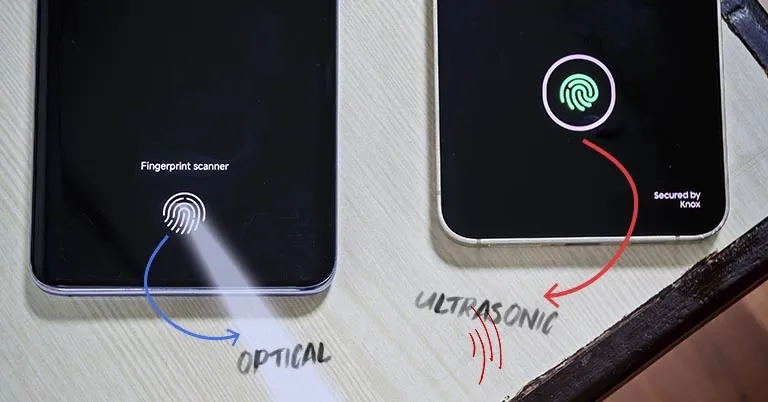
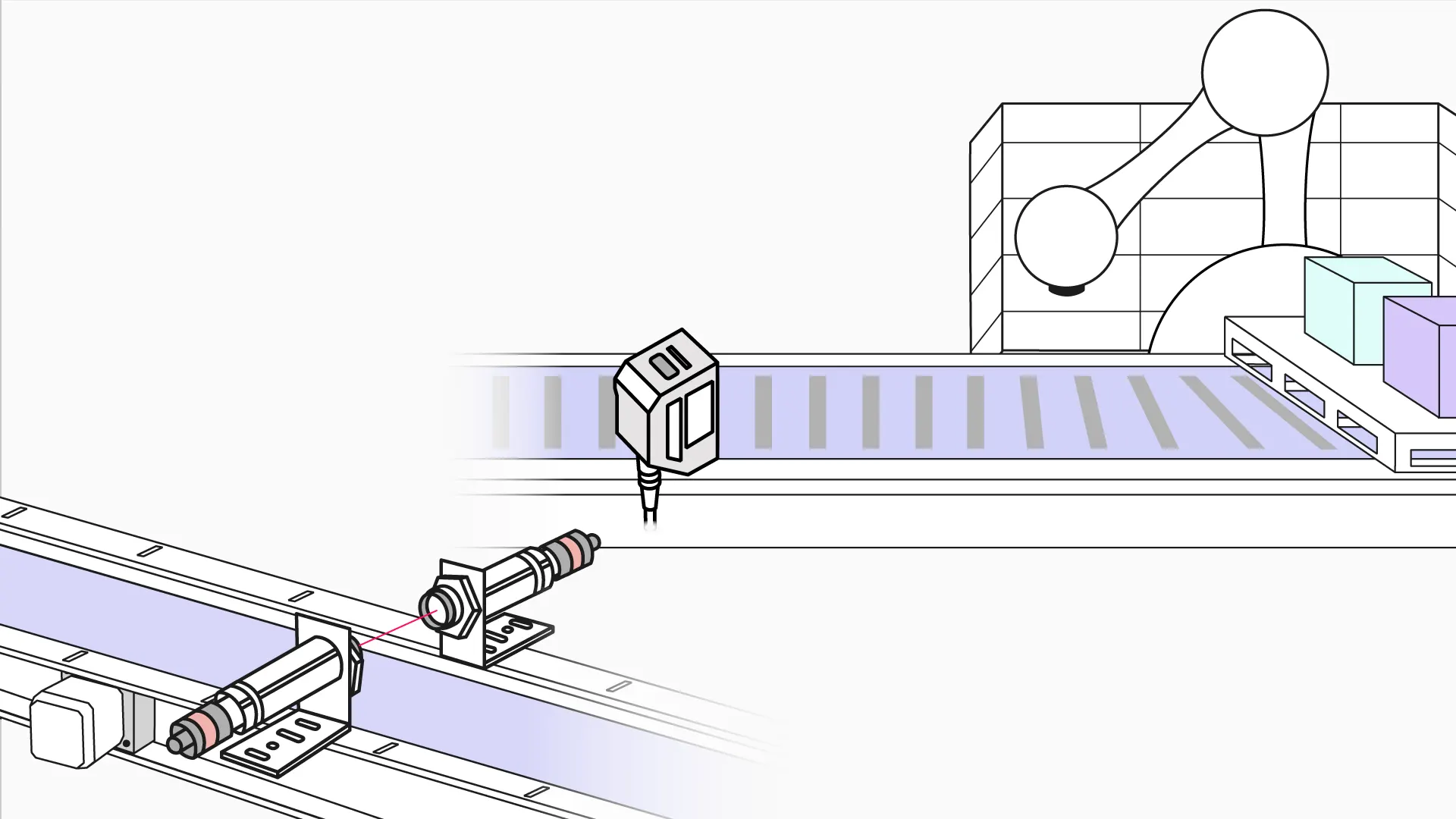
Technical overview of ultrasound and ultrasonic sensors: time-of-flight distance calculation, key components, detection characteristics, sensor types and industrial applications.
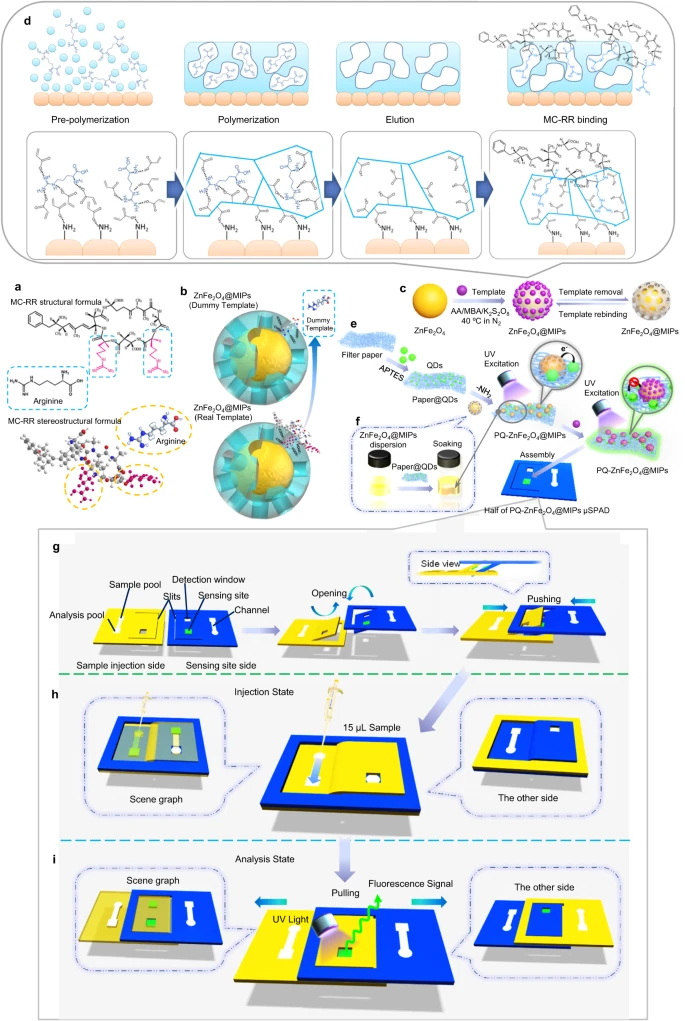
Paper-based molecularly imprinted polymer (MIP) sensor couples ZnFe2O4 quenchers and quantum dots for indirect fluorescence detection of microcystin (LOD 0.43 μg/L).
Technical overview of laser sensor principles (triangulation and time-of-flight laser ranging), performance factors, accuracy, and manufacturing uses.
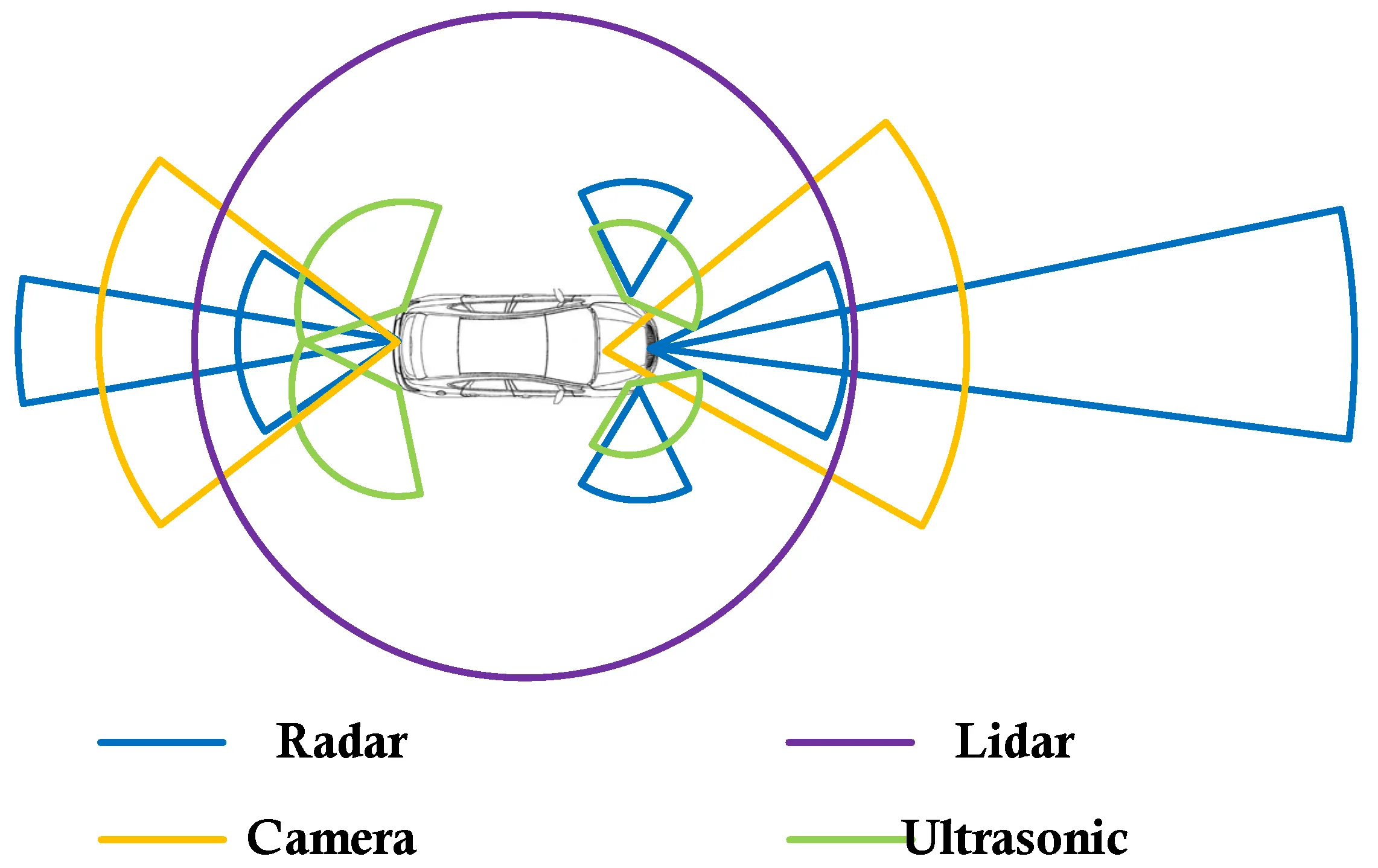
Comparative analysis of LiDAR vs vision perception for autonomous driving, detailing sensor trade-offs, LiDAR types, multi-sensor redundancy, cost trends, and system implications.
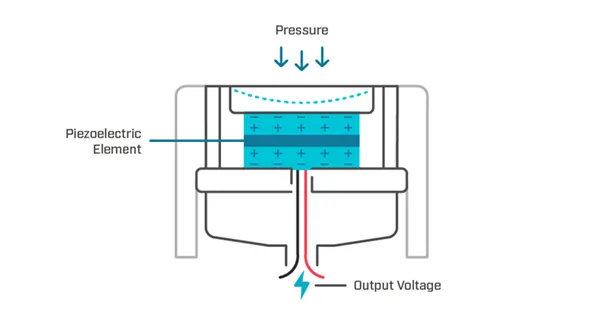
Overview of pressure sensor technologies, selection criteria and CUI Devices' piezoresistive gauge/absolute sensors with analog or I2C outputs.
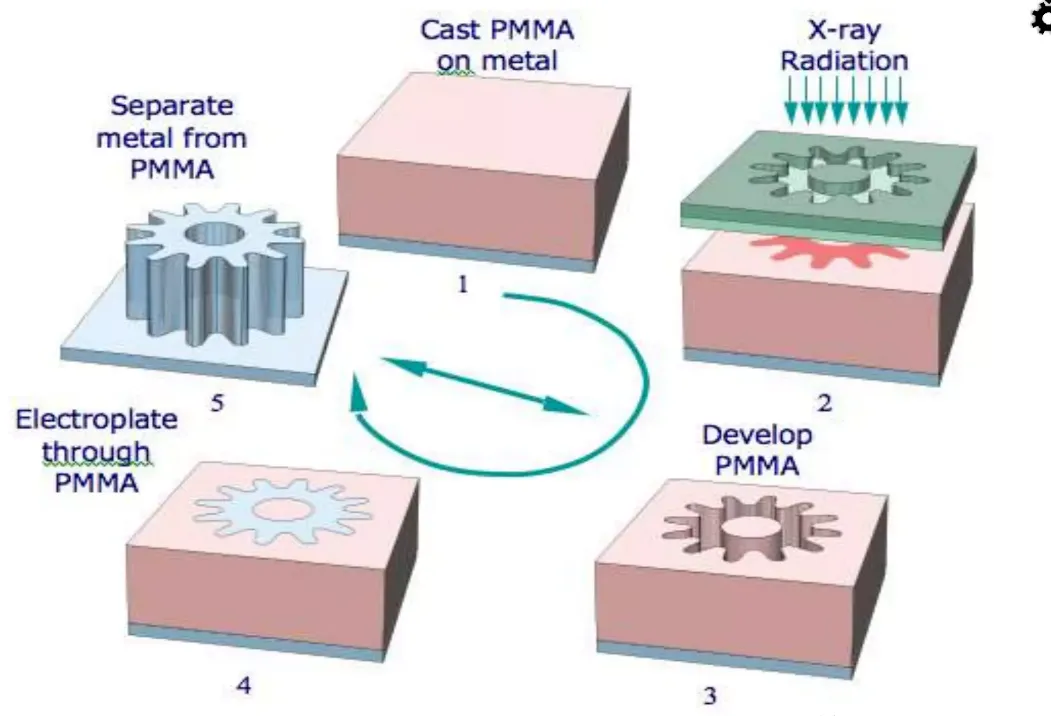
Technical overview of MEMS sensor design and manufacturing: MEMS vs IC differences, sensor electronics, fabrication approaches and DRIE-based deep silicon etching.
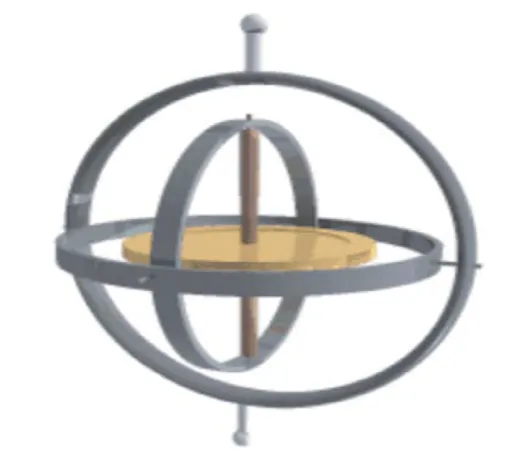
Technical overview of gyroscope principles and architectures—rotor, optical (fiber optic gyroscope), vibrating (HRG, MEMS), and quantum—performance, applications and trends.
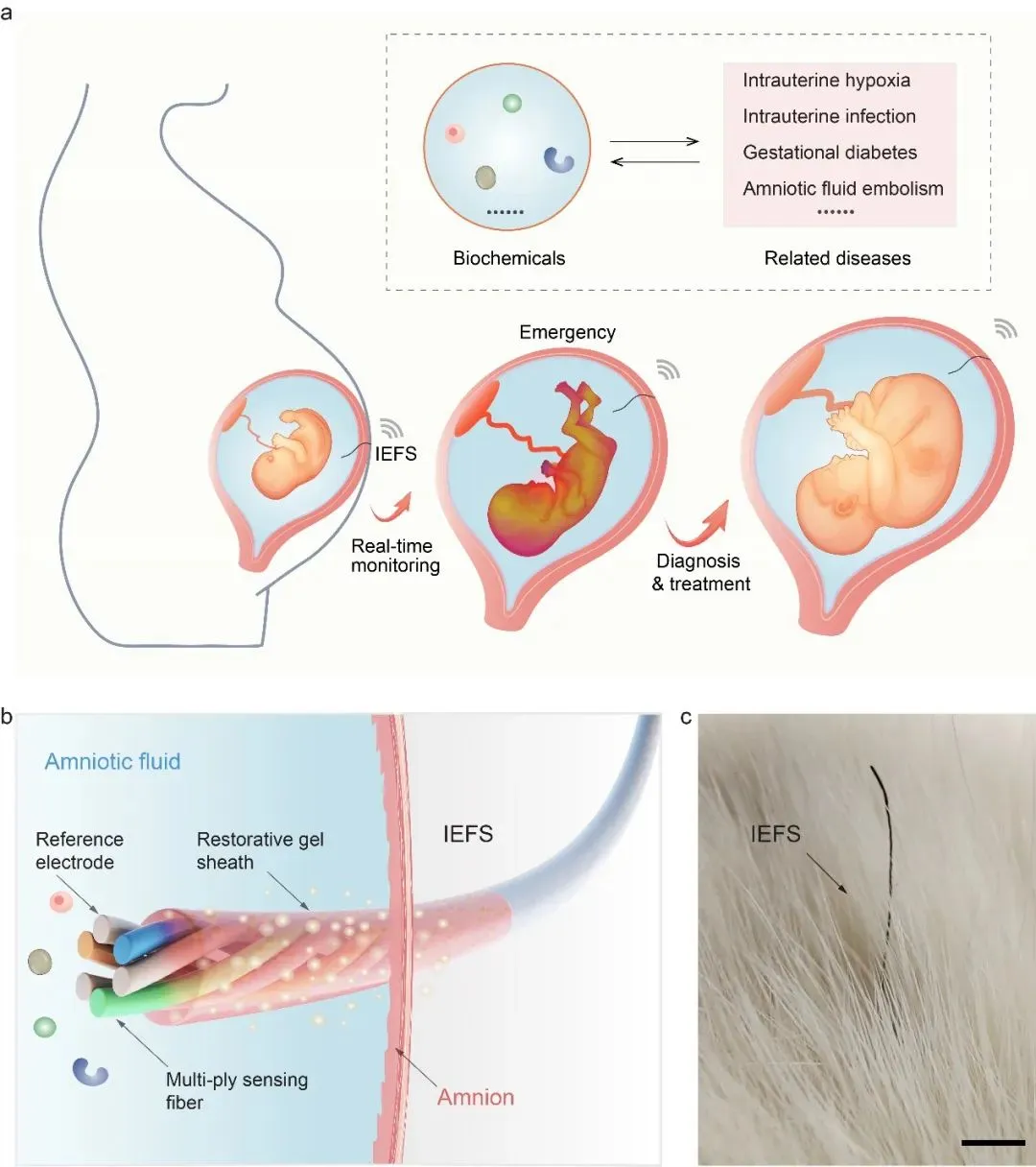
Fiber sensor for real-time monitoring of amniotic fluid biochemical markers, enabling continuous detection and early warning of pregnancy disorders.
Technical overview of ADAS environment perception sensors—LiDAR and millimeter-wave radar—comparing performance, architectures, and sensor-fusion trends.