Effect of Noise Sources on Infrared Sensor Performance
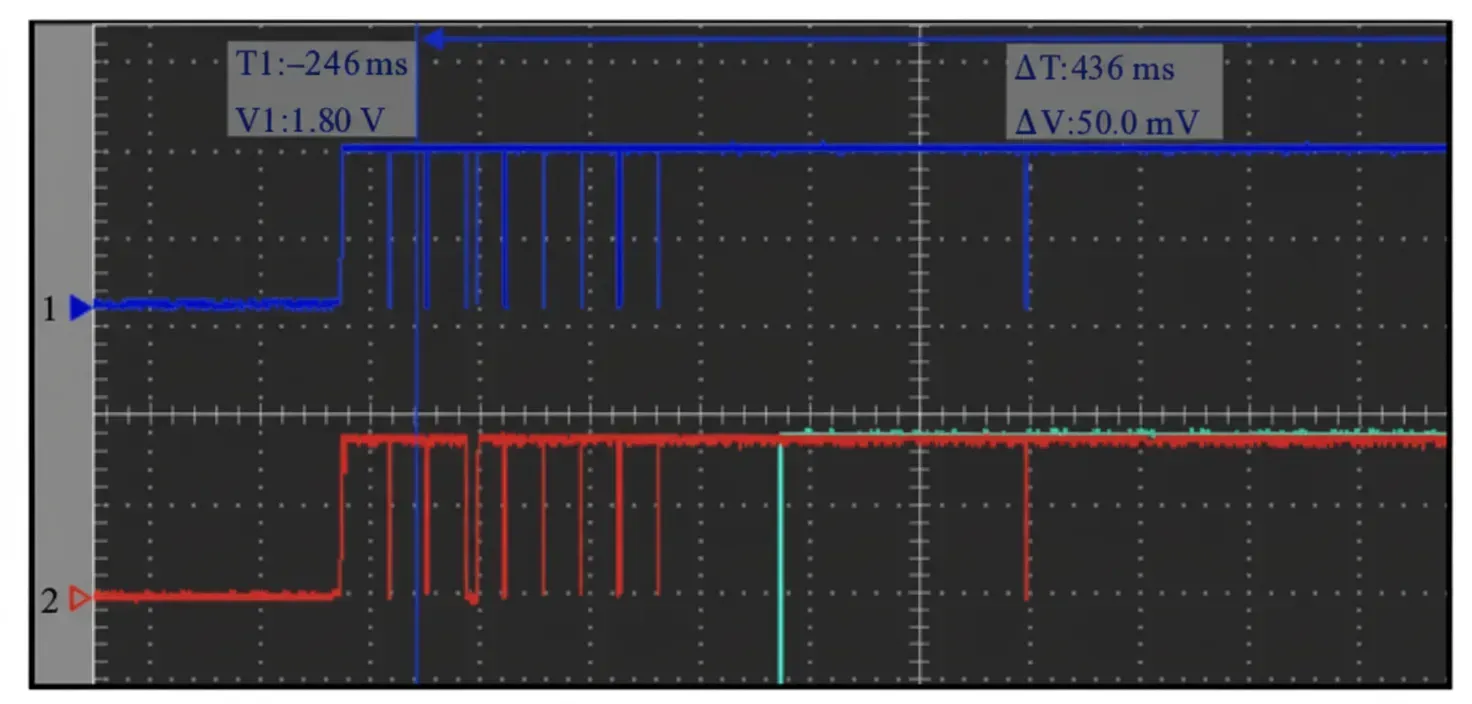
Experimental study of noise impact on infrared sensor performance: introduced noise levels cause bit errors, frame loss and image artifacts; mitigation strategies suggested.
MEMS & Sensor Technology represents a cornerstone of modern electronics, blending microfabrication techniques with sensing capabilities to enable compact, efficient devices that interact with the physical world. This category delves into the intricate world of Micro-Electro-Mechanical Systems (MEMS) and advanced sensor technologies, covering everything from fundamental principles to cutting-edge innovations. Whether you are an engineer designing next-generation wearables or a researcher exploring environmental monitoring solutions, understanding these technologies is essential for driving progress in fields like IoT, automotive systems, and healthcare. At the heart of this category, you will find comprehensive guides that break down MEMS fabrication processes, including photolithography and etching methods, alongside tutorials on integrating sensors into PCB designs for optimal performance. Our articles offer practical insights into selecting the right sensors for specific applications, such as accelerometers for motion detection or pressure sensors for industrial automation. We also share best practices for calibration, signal processing, and overcoming common challenges like noise reduction and power efficiency, ensuring you can apply these concepts to real-world projects with confidence. The practical value of MEMS & Sensor Technology extends far beyond theory, powering everyday devices from smartphones with gesture recognition to autonomous vehicles equipped with LiDAR and radar systems. In medical applications, these technologies facilitate precise diagnostics through biosensors, while in environmental science, they enable accurate data collection for climate monitoring. By exploring the articles in this category, you gain access to a wealth of knowledge that highlights technical relevance and inspires innovative solutions. Stay informed on emerging trends, such as flexible sensors for wearable tech or AI-enhanced data interpretation, to remain at the forefront of this dynamic field.
Experimental study of noise impact on infrared sensor performance: introduced noise levels cause bit errors, frame loss and image artifacts; mitigation strategies suggested.
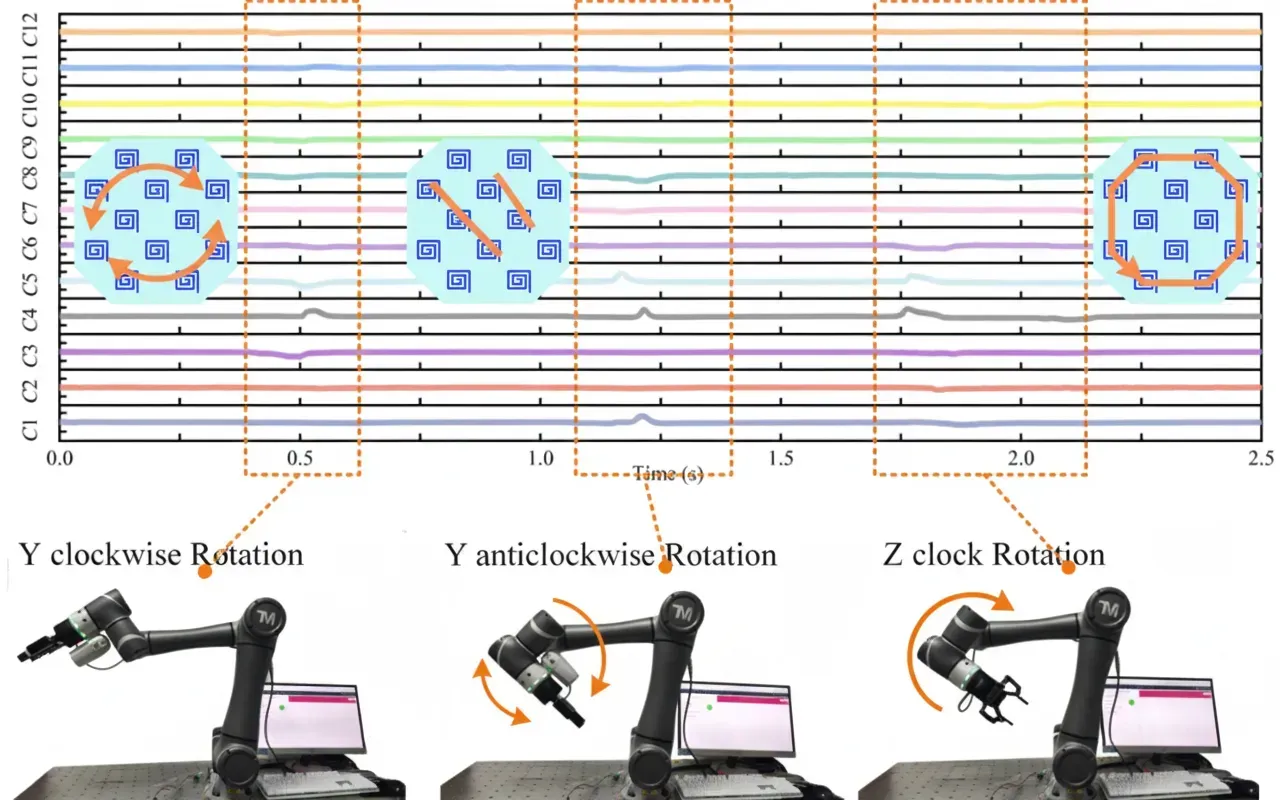
Flexible dual-mode capacitive sensor for touchless and tactile sensing in human-machine interaction, detailing structure, operating principles, performance, and robotic HMI demo.
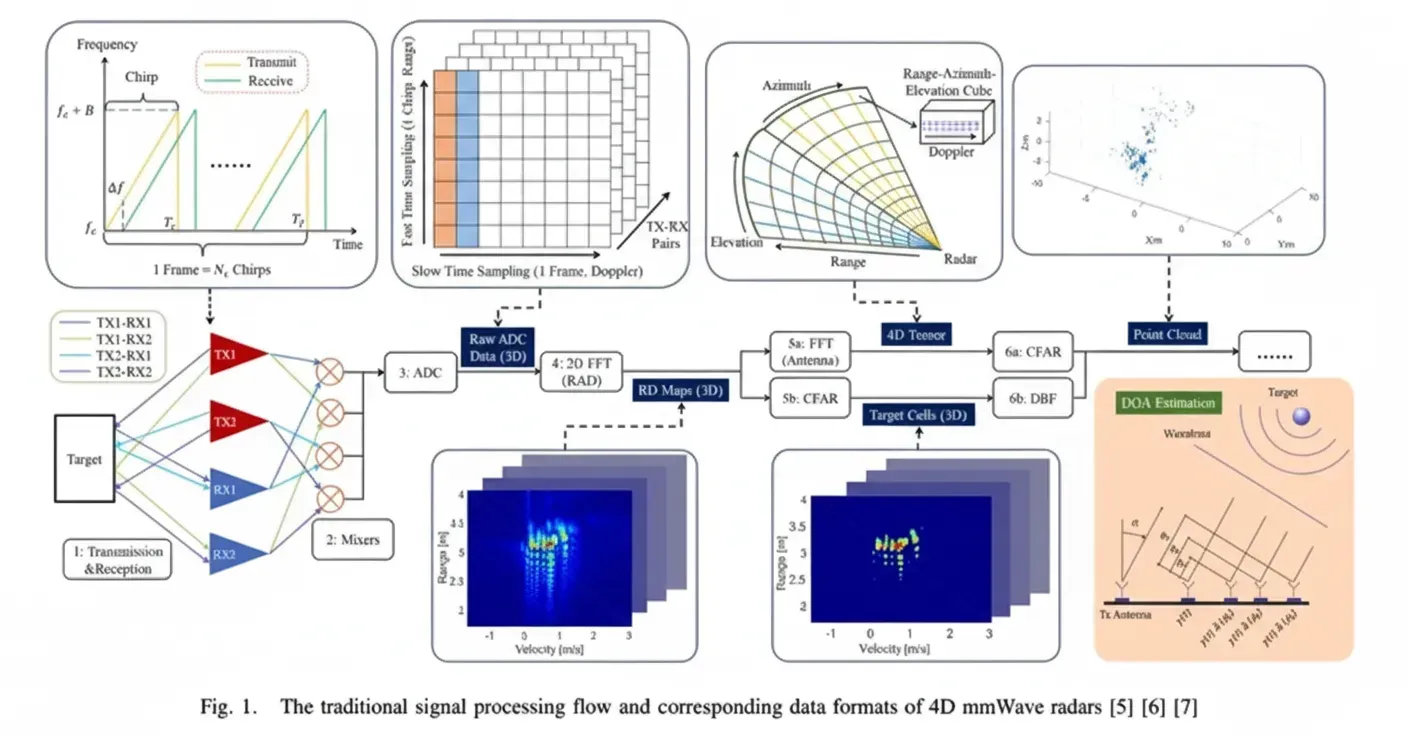
Overview of Image Radar (4D millimeter-wave radar) hardware, signal processing, noise, 4D tensor vs point cloud data formats, and SLAM methods that leverage Doppler velocity.
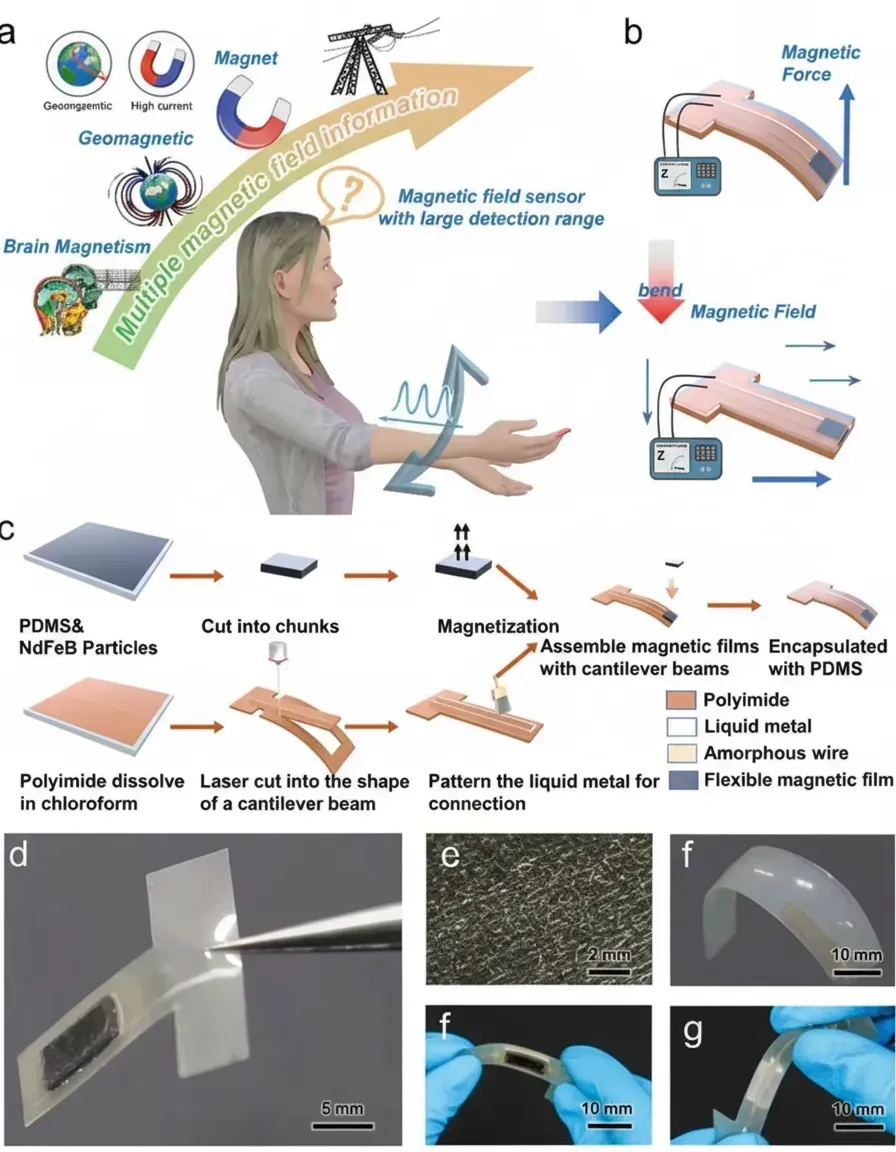
Wearable magnetic sensor with 22 nT detection limit and 22 nT–400 mT operating range, using a flexible cantilever with embedded magnet and amorphous wire; fabrication and demos.
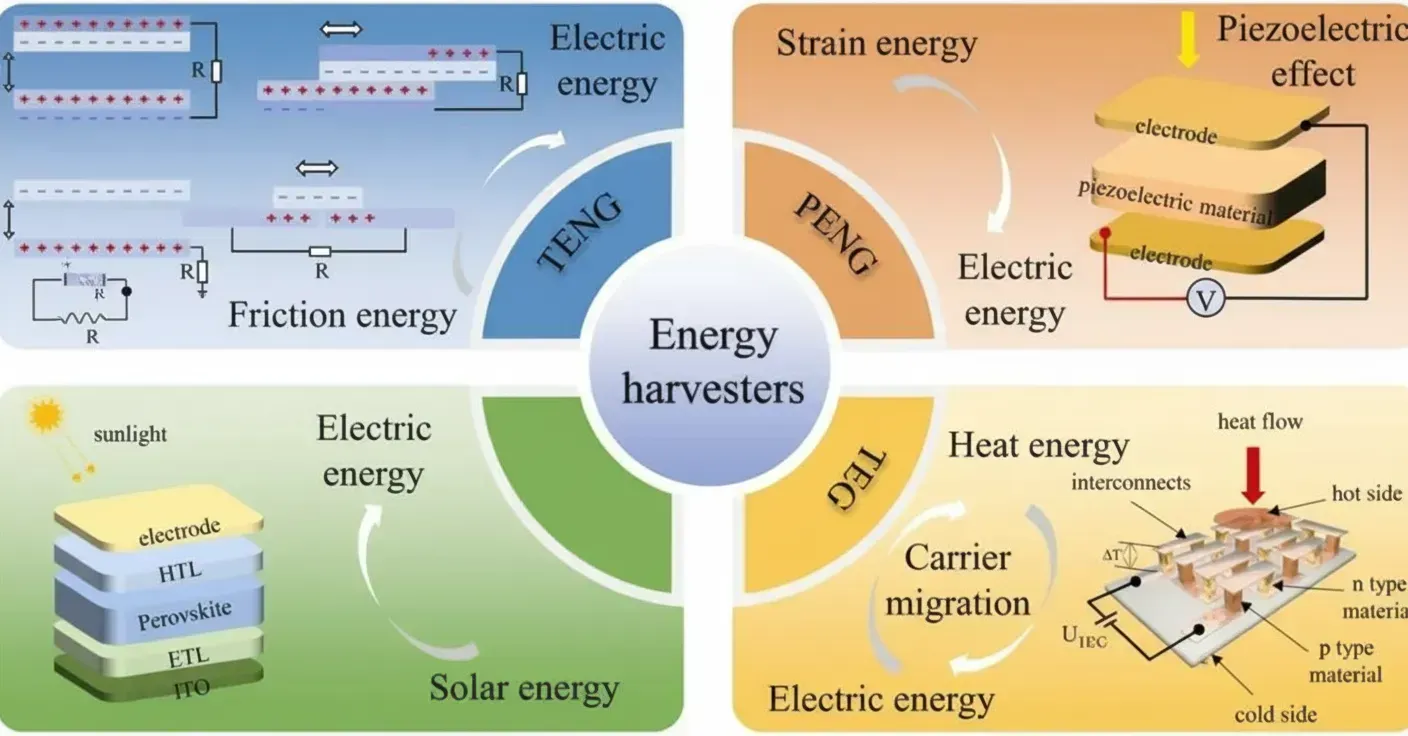
Review of self-powered gas sensors and energy harvesters, covering TENG/PENG/TEG/solar sources, system architectures, performance challenges, and future research directions.
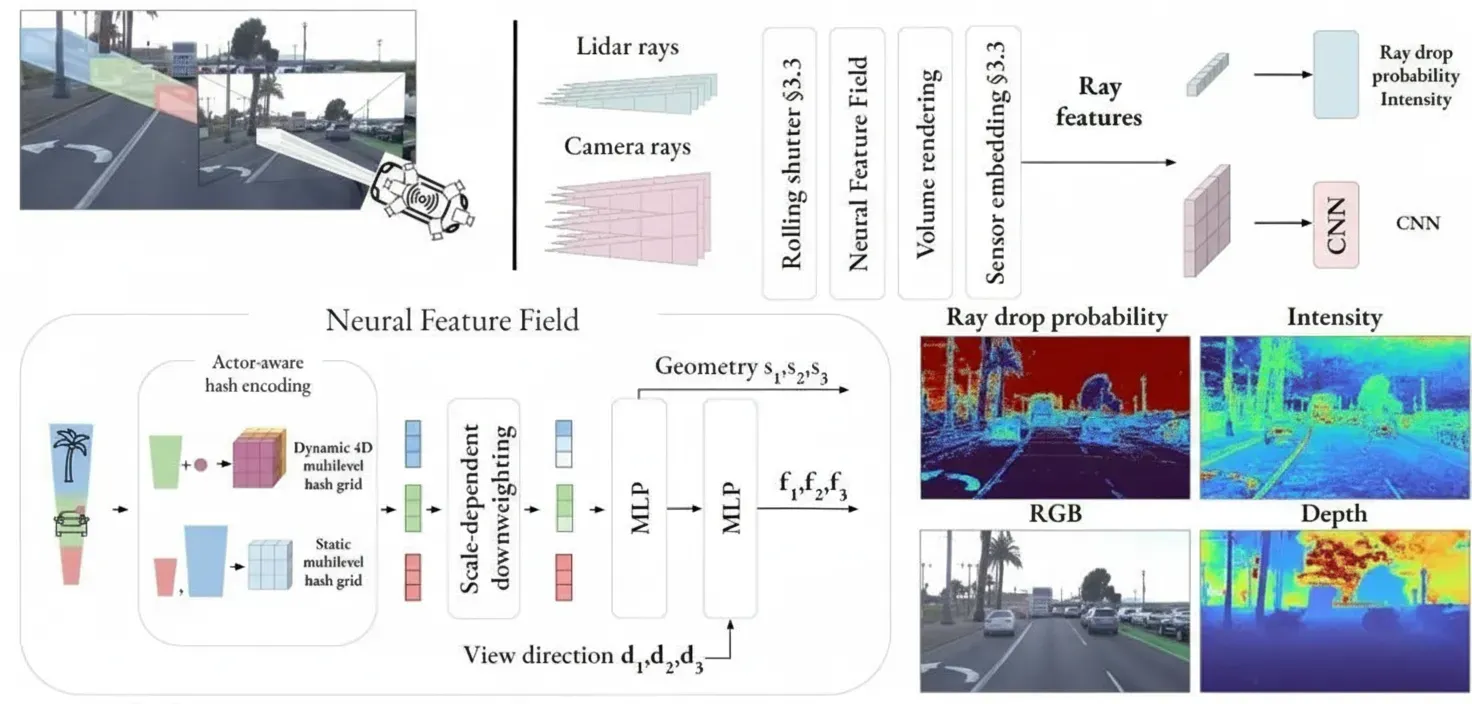
NeuRAD enables novel-view synthesis for dynamic autonomous driving data, modeling camera and lidar effects like rolling shutter, beam divergence, and ray dropping.
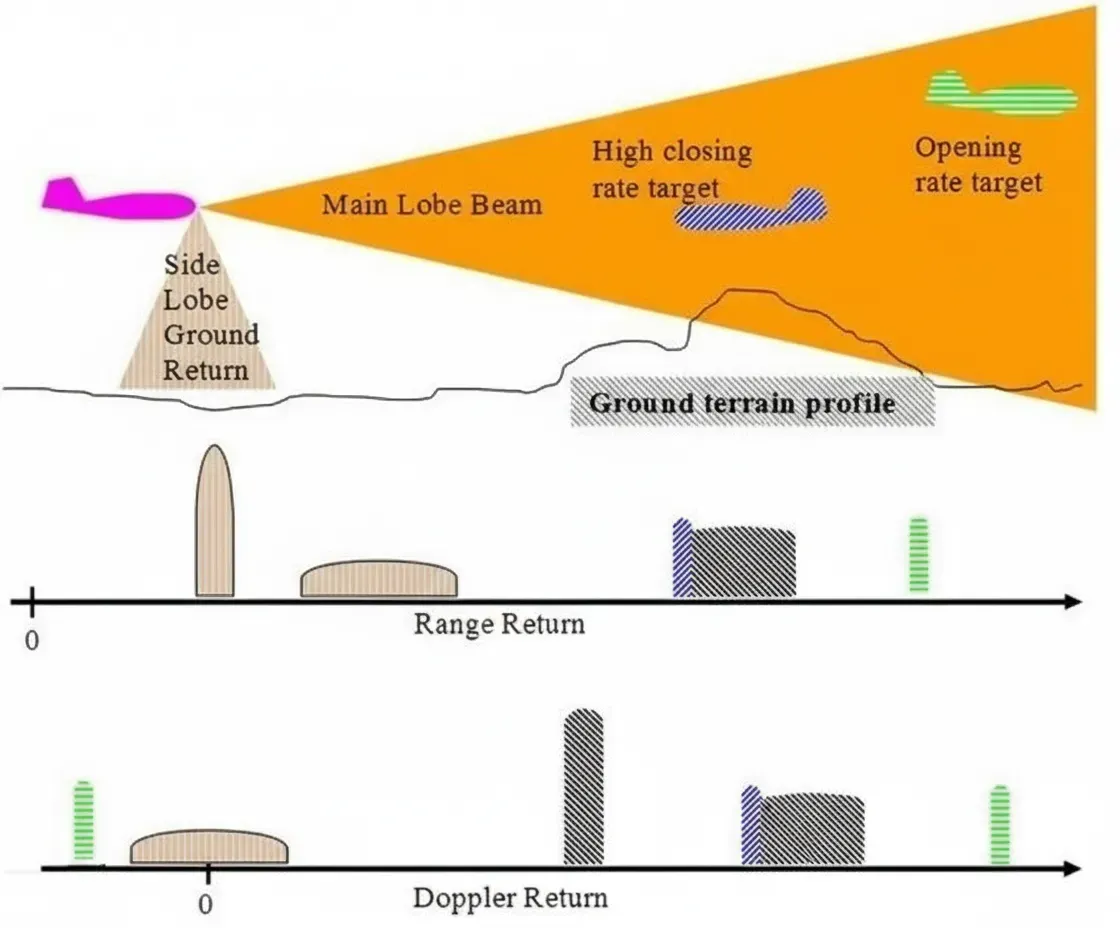
Explains radar beamwidth, main lobe vs sidelobes, and how sidelobe levels affect detection, ground clutter, ESM/RWR susceptibility and benefits of ultra-low sidelobes.
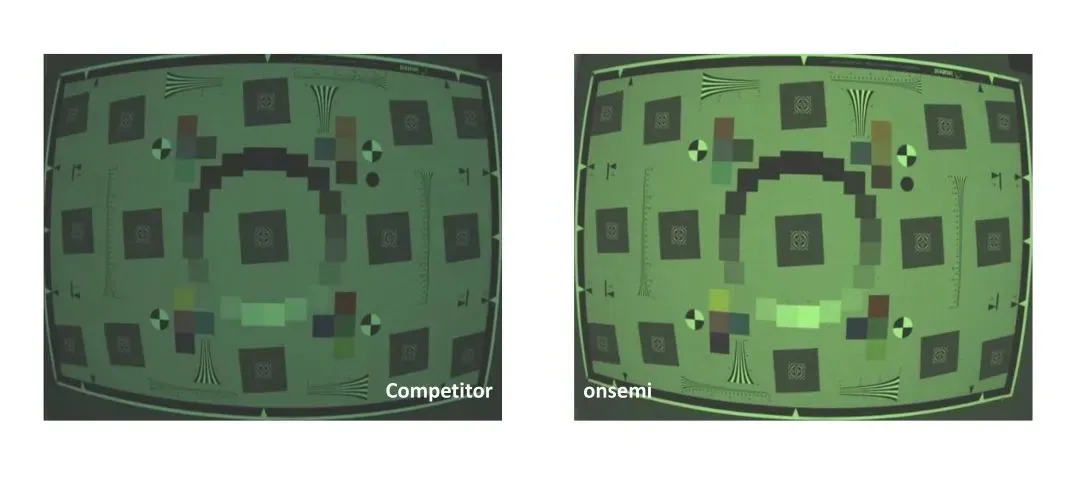
Technical overview of the onsemi AR0220AT automotive image sensor for ADAS, highlighting low-light performance, DCG dynamic range, noise reduction, and iBGA packaging.
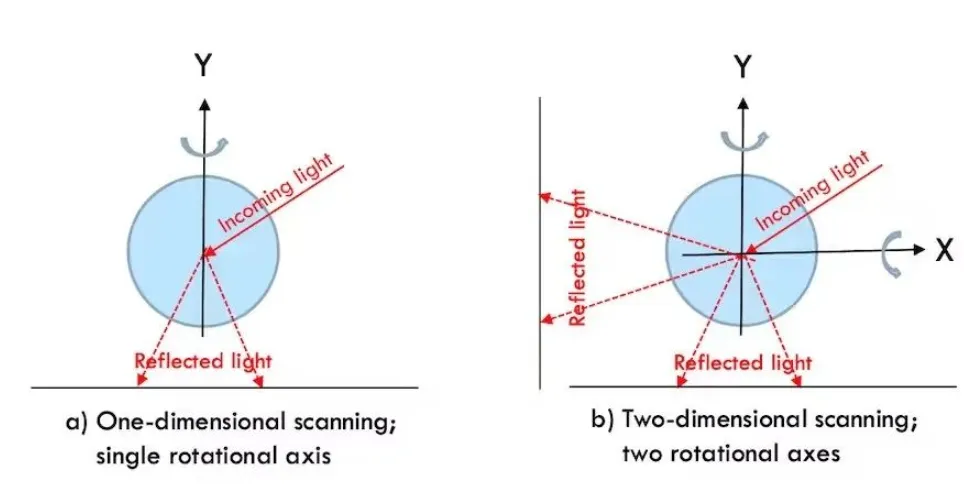
Overview of MEMS mirrors: actuation approaches (electrostatic, electromagnetic, piezoelectric), applications in LiDAR, laser projection, automotive ADAS and industrial metrology.
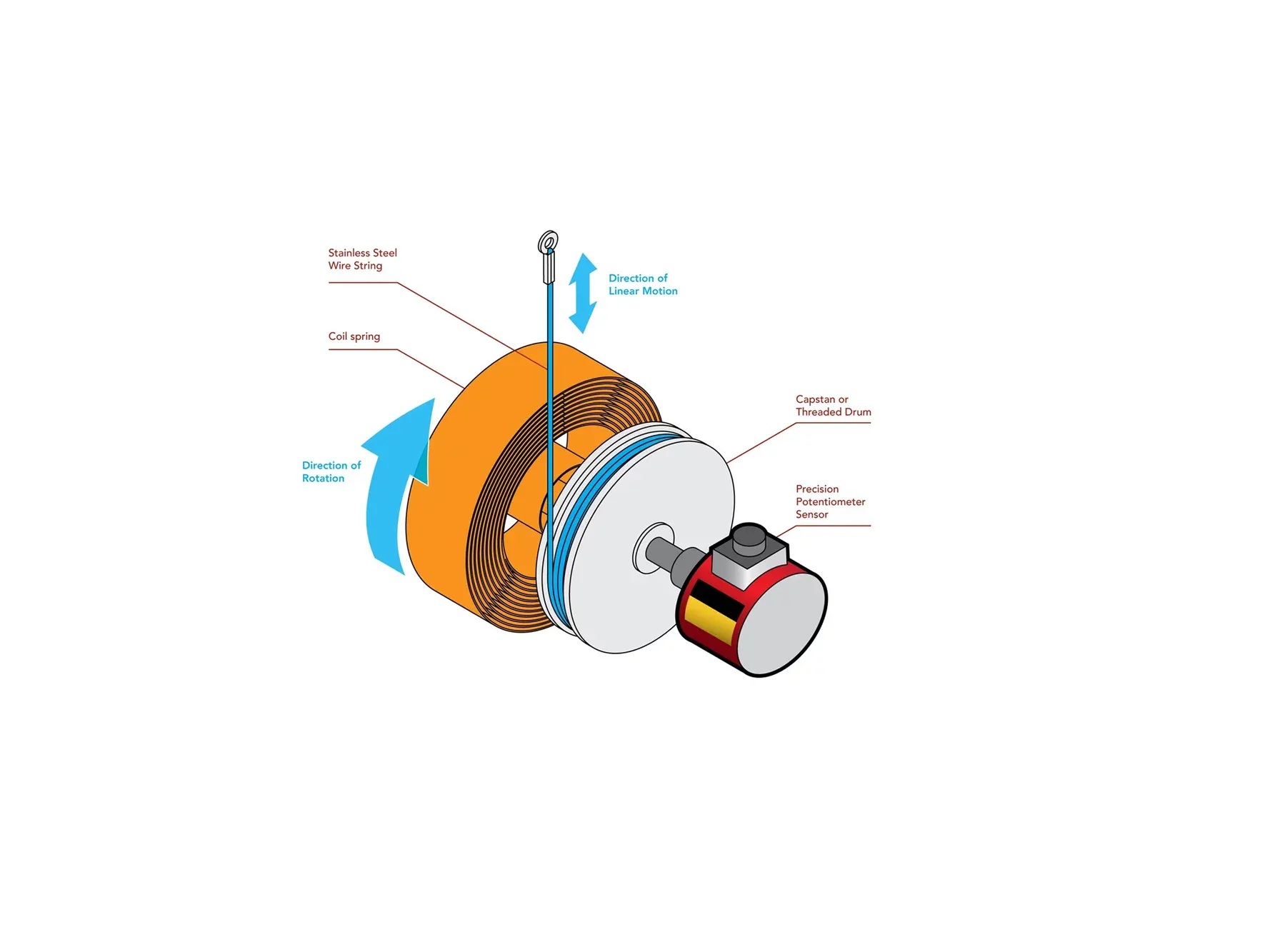
Summary of displacement sensor components and wiring methods (two-, three-, four-wire), with principles for optical, piezoresistive, magnetic and ultrasonic sensor types.
Overview of common displacement sensors, their applications in industry and aerospace, and selection guidelines covering range, accuracy, environment, and response.
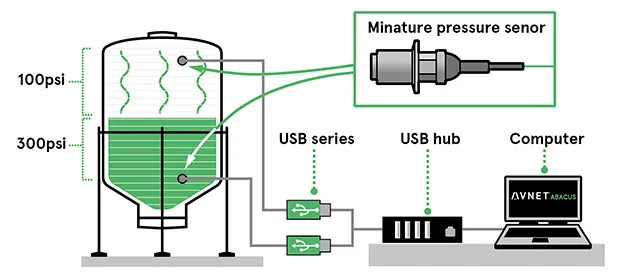
Overview of differential pressure sensor principles, types (diaphragm, piezoresistive, piezoelectric), failure effects and proper selection, installation and calibration.