Future Trends in Cameras, Processors, and Image Sensors
Survey of future camera and image sensors trends for machine vision: 3D, hyperspectral, neuromorphic sensors, edge AI processors, and miniaturization impacts.
MEMS & Sensor Technology represents a cornerstone of modern electronics, blending microfabrication techniques with sensing capabilities to enable compact, efficient devices that interact with the physical world. This category delves into the intricate world of Micro-Electro-Mechanical Systems (MEMS) and advanced sensor technologies, covering everything from fundamental principles to cutting-edge innovations. Whether you are an engineer designing next-generation wearables or a researcher exploring environmental monitoring solutions, understanding these technologies is essential for driving progress in fields like IoT, automotive systems, and healthcare. At the heart of this category, you will find comprehensive guides that break down MEMS fabrication processes, including photolithography and etching methods, alongside tutorials on integrating sensors into PCB designs for optimal performance. Our articles offer practical insights into selecting the right sensors for specific applications, such as accelerometers for motion detection or pressure sensors for industrial automation. We also share best practices for calibration, signal processing, and overcoming common challenges like noise reduction and power efficiency, ensuring you can apply these concepts to real-world projects with confidence. The practical value of MEMS & Sensor Technology extends far beyond theory, powering everyday devices from smartphones with gesture recognition to autonomous vehicles equipped with LiDAR and radar systems. In medical applications, these technologies facilitate precise diagnostics through biosensors, while in environmental science, they enable accurate data collection for climate monitoring. By exploring the articles in this category, you gain access to a wealth of knowledge that highlights technical relevance and inspires innovative solutions. Stay informed on emerging trends, such as flexible sensors for wearable tech or AI-enhanced data interpretation, to remain at the forefront of this dynamic field.
Survey of future camera and image sensors trends for machine vision: 3D, hyperspectral, neuromorphic sensors, edge AI processors, and miniaturization impacts.
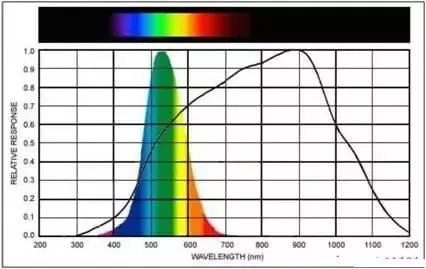
Technical overview of ambient light sensor design, spectral response, electrical specs, selection criteria, and applications including backlight control and automotive.
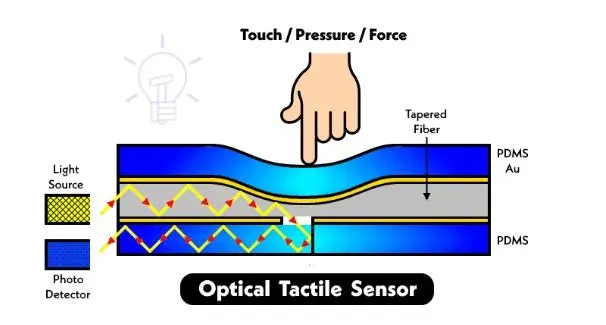
Technical overview of tactile sensors, explaining capacitive, piezoresistive and optical designs, operation principles, sensor arrays, and common applications.
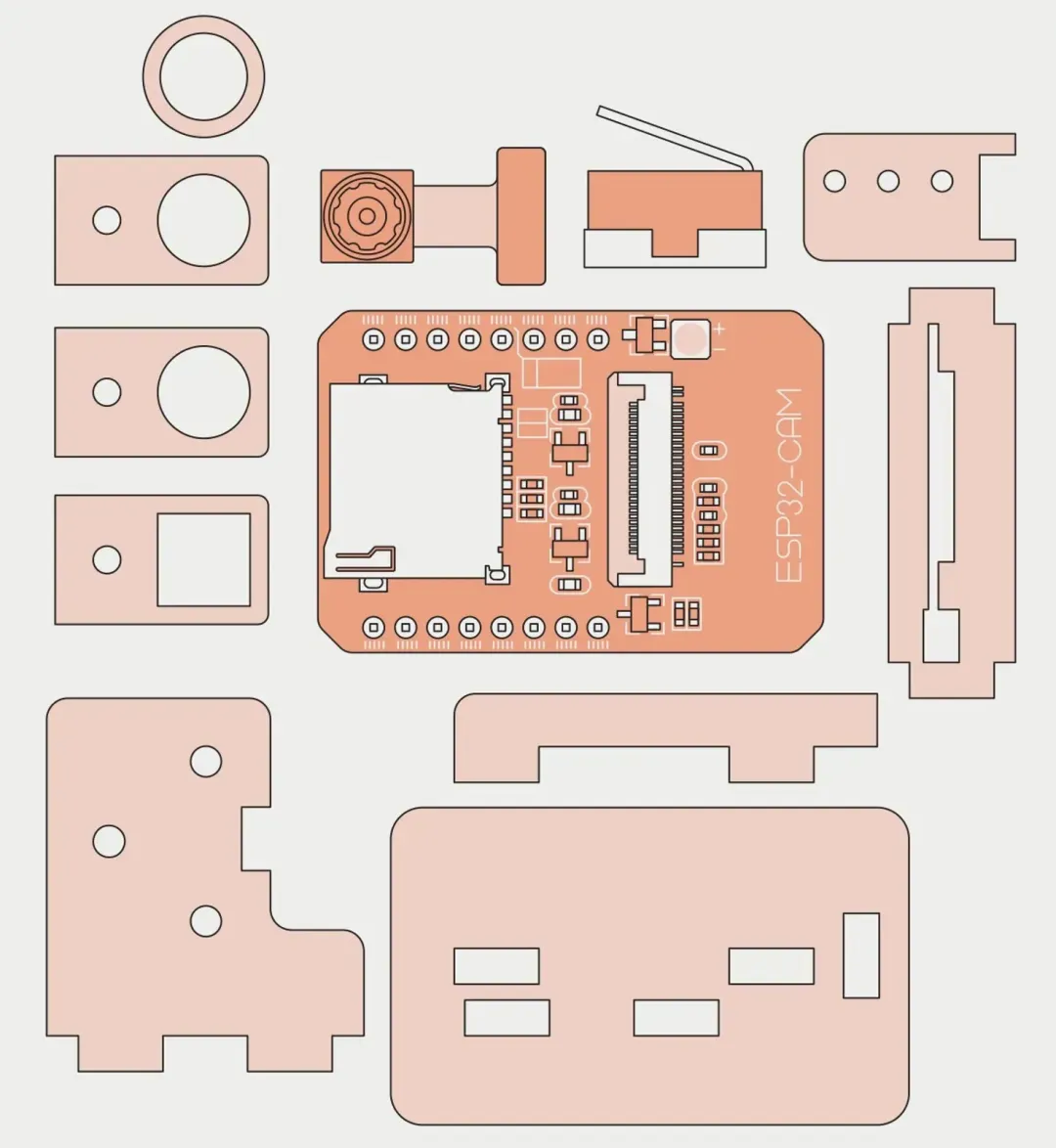
DIY digital pinhole camera with ESP32-CAM: sensor enclosure, interchangeable pinhole elements, firmware controls, field testing, and optimization suggestions for makers.
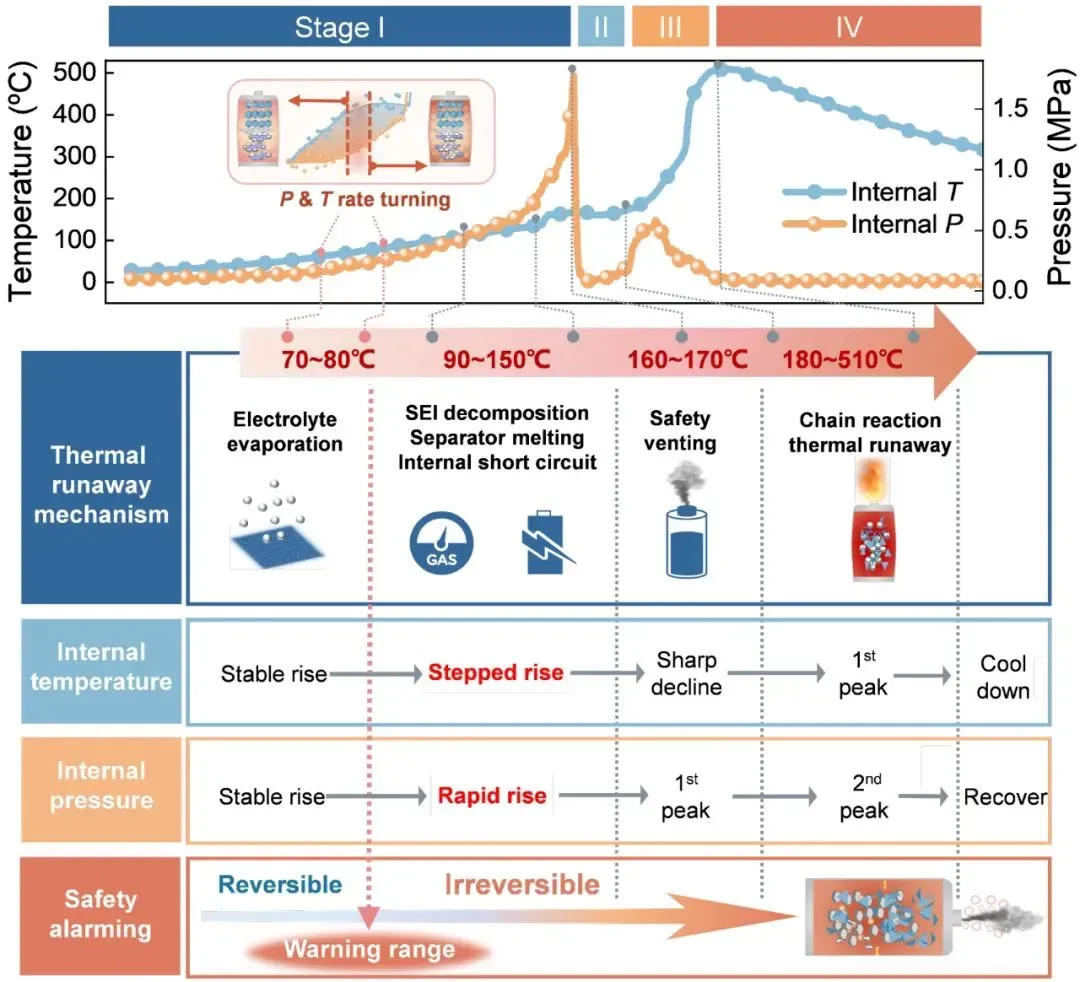
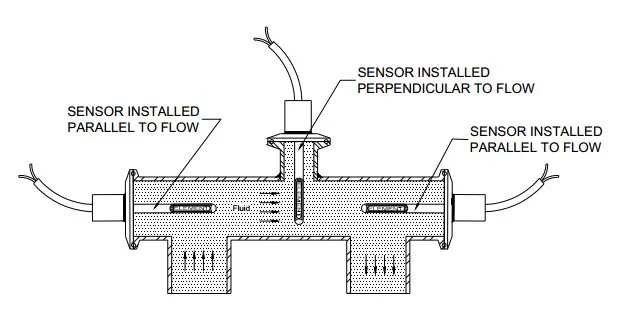
In-situ fiber-optic sensor enables synchronous internal temperature and pressure monitoring in cells, identifying early-warning signatures of thermal runaway.
Explains PNP and NPN proximity sensor outputs, wiring conventions, and compatibility with PLC sink/source input modules for industrial sensors.
Overview of quantum sensors: principles, performance metrics (noninvasiveness, sensitivity, stability), and applications from gravity measurement and navigation to healthcare.
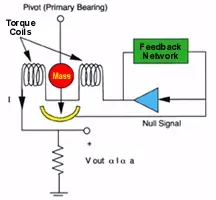
Overview of servo accelerometer and servo pressure sensor operation, force-balance null detection, coil restoring force, low hysteresis, DC stability, and bandwidth limitations.
Technical comparison of RTDs (resistance thermometers) and thermocouples: measurement principles, temperature range, accuracy, response time, stability, and applications.
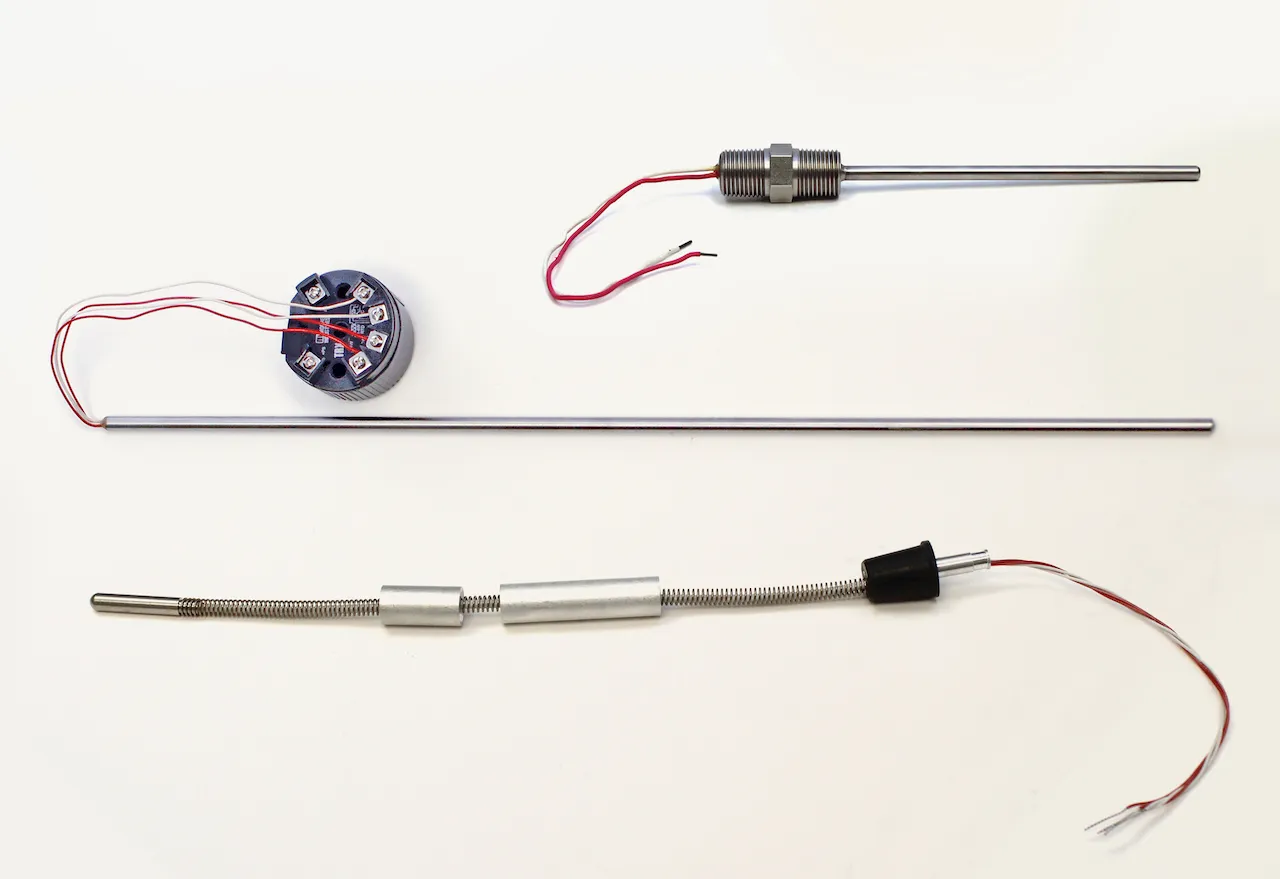
Technical overview of RTD sensors, their resistance-based temperature measurement principle, installation steps, calibration and precautions for accurate readings.
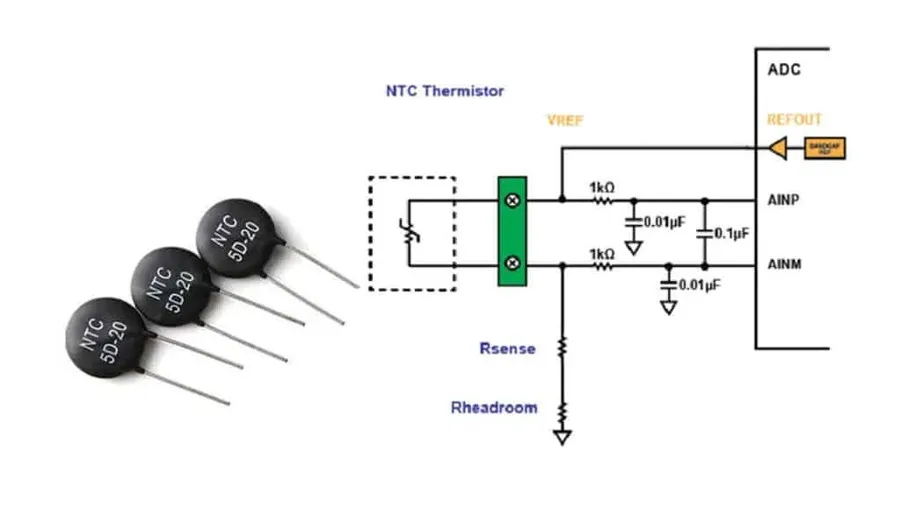
NTC thermistor overview: principles, sensitivity, limitations, installation, calibration and applications for temperature measurement in appliances, medical and industrial systems.
Overview of 3D sensors for manufacturing and logistics, covering industrial CMOS and iToF advances, large-freight and high-speed parcel dimensioning, and selection criteria.