


PCB Assembly
Printed circuit board (PCB) assembly represents a critical phase in electronics manufacturing, where components are mounted onto a board to create functional circuits. This process bridges design and production, ensuring that electronic devices perform reliably in diverse applications. From soldering techniques to component placement, PCB assembly encompasses the methods and technologies that transform bare boards into operational systems. Understanding these elements is essential for engineers, hobbyists, and industry professionals aiming to optimize production efficiency and product quality. Within this category, readers will find a comprehensive collection of guides that detail step-by-step assembly processes, tutorials on advanced tools like surface-mount technology and automated pick-and-place machines, and insights into troubleshooting common issues such as solder joint defects or thermal management challenges. Best practices are highlighted to promote reliability, including strategies for minimizing defects through quality control measures and adhering to industry standards like IPC guidelines. These resources draw from real-world expertise to address both fundamental concepts and cutting-edge innovations in the field. The practical value of mastering PCB assembly extends to numerous sectors, including consumer electronics, automotive systems, medical devices, and aerospace engineering. By applying the knowledge shared here, professionals can reduce manufacturing costs, accelerate time-to-market, and enhance device durability. For instance, effective assembly techniques ensure that circuits withstand environmental stresses, leading to longer-lasting products in demanding conditions. Delving into the articles in this PCB assembly category provides a pathway to deeper technical proficiency. Whether refining prototyping skills or scaling up production, the content equips readers with actionable strategies to tackle real-world challenges and stay ahead in an evolving industry.
Latest Blogs
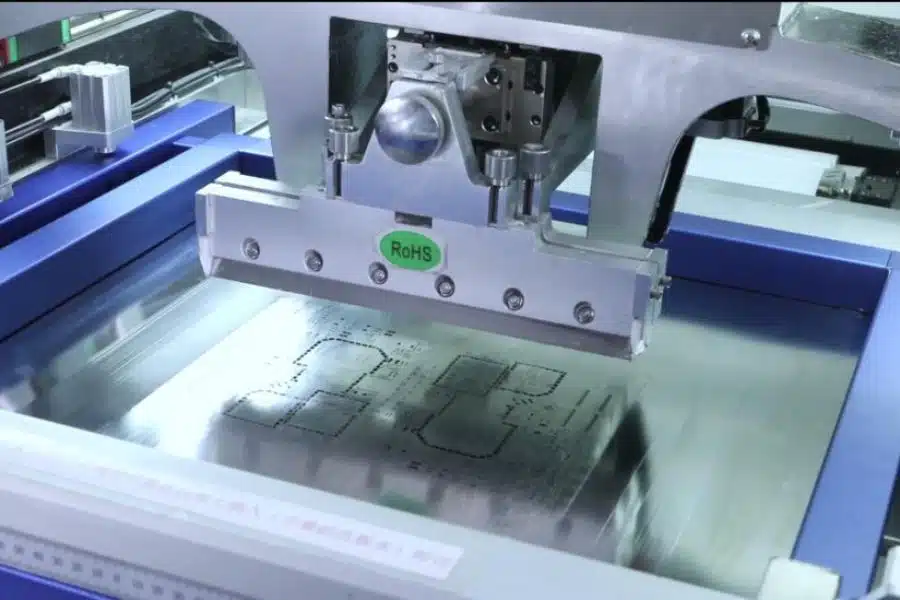
Troubleshooting Common Step Stencil Problems: A Practical Guide
Resolve solder paste bridging, insufficient solder, stencil alignment, and cleaning issues in step stencils with this SMT assembly troubleshooting guide. Actionable fixes, best practices, and IPC standards help engineers improve print quality and yields in production.

Step Stencil Materials and Finishes: Choosing the Right Option for Your Application
Compare stainless steel and nickel stencil materials for step stencils in SMT assembly. Review electropolishing and other stencil finishes to pick the best options for mixed-height PCBs. Practical advice improves paste release, cuts defects, and raises yields for electric engineers.
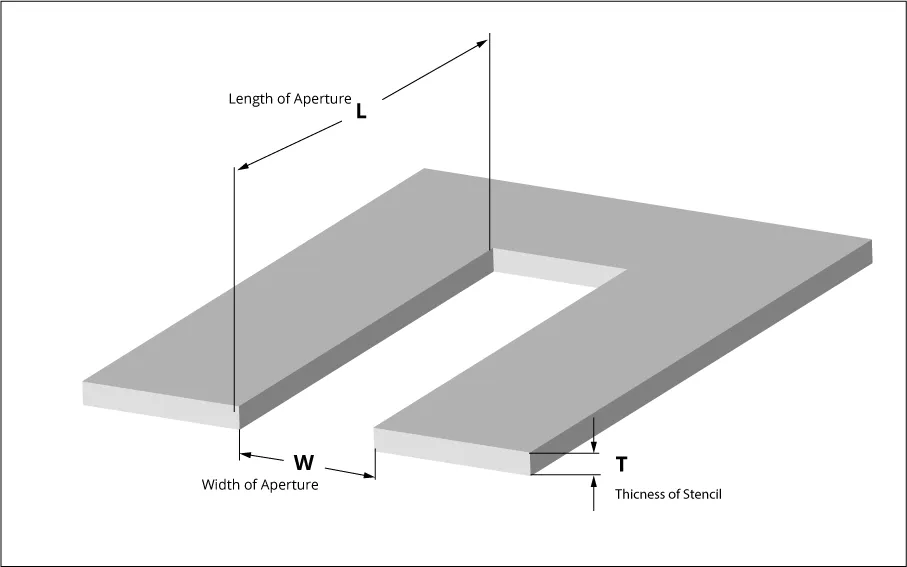
How Mounted Stencils Impact Solder Paste Deposition Volume: A Practical Analysis
Mounted stencils determine solder paste volume in SMT printing through factors like stencil thickness, aperture size, area ratio, and aspect ratio. Electrical engineers find practical analysis, measurements, best practices, and troubleshooting for consistent solder deposition and higher PCB yields.
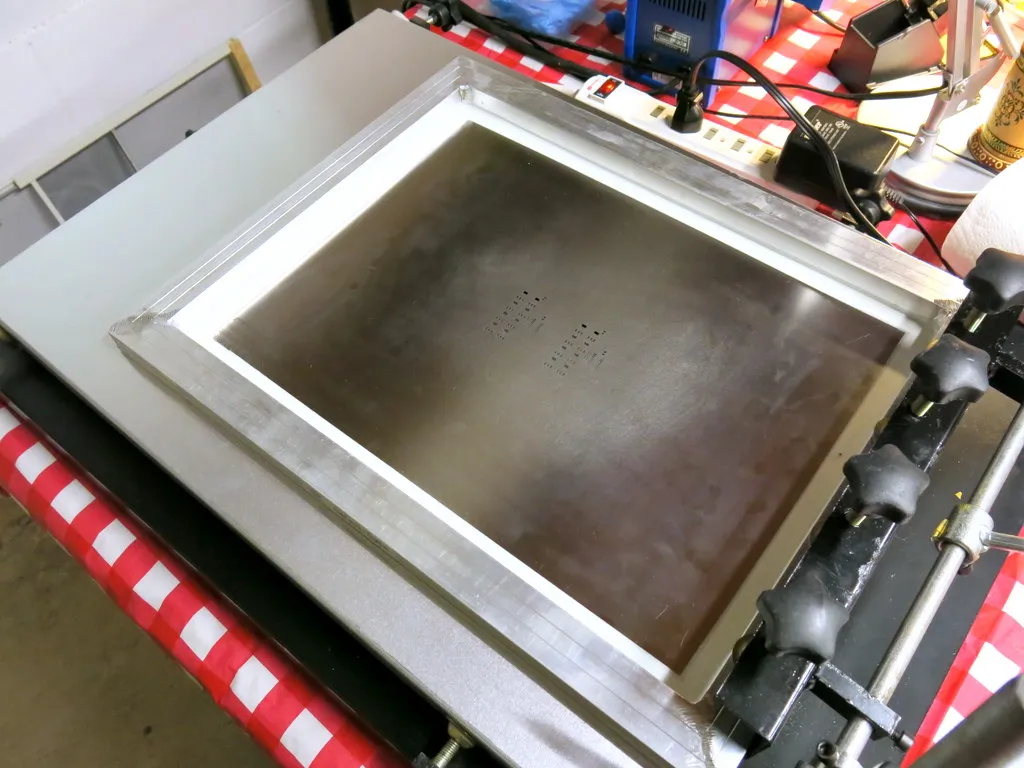
The Engineer's Guide to Selecting the Right Mounted Stencil for High Density PCBs
Learn how to select the right mounted stencil for high-density PCBs. This engineer’s guide covers foil thickness, aperture ratios, stainless steel vs nickel, IPC-7525 guidelines, troubleshooting fine-pitch issues, and best practices to reduce defects and improve SMT yields. Perfect for complex HDI designs.
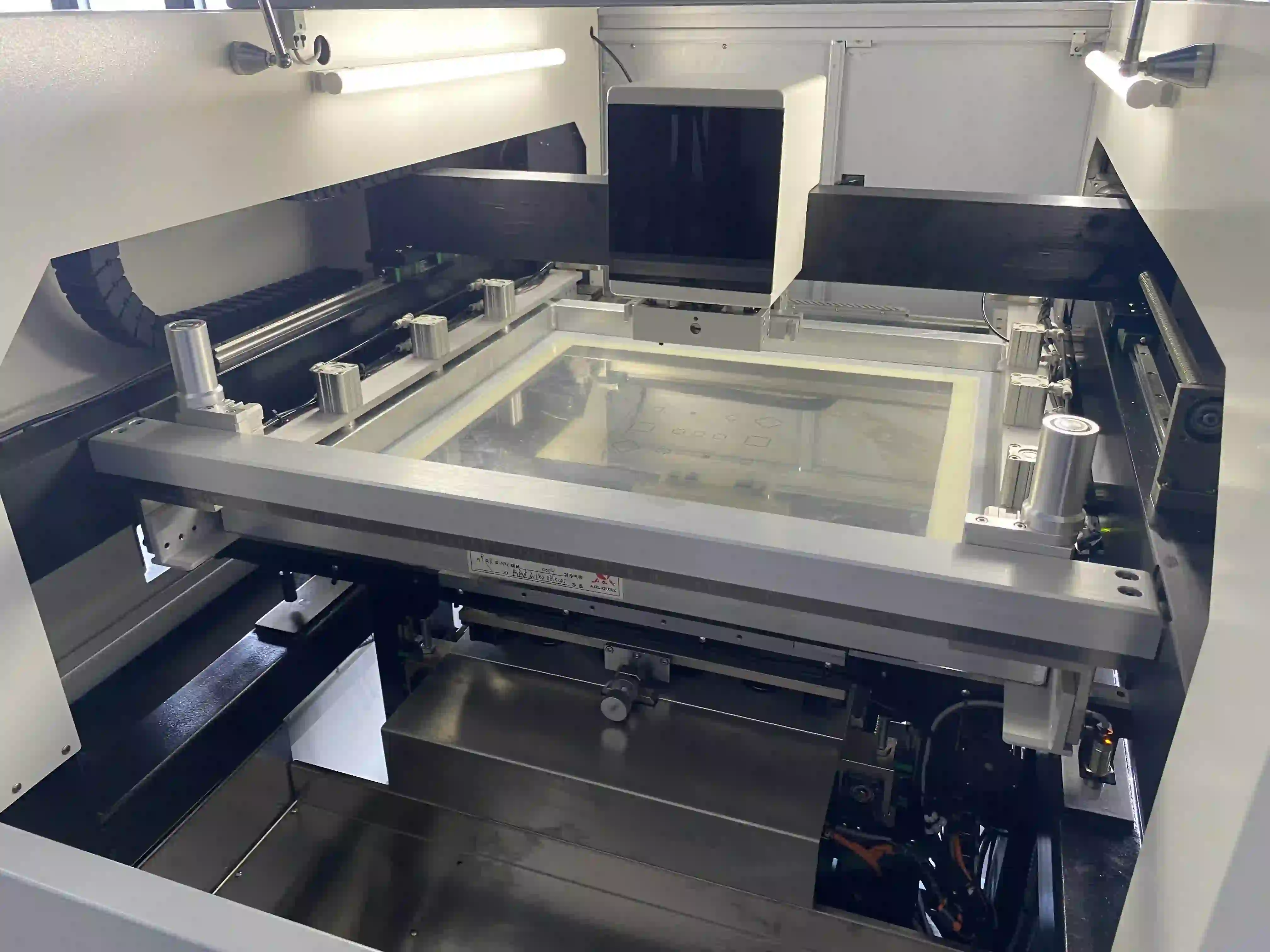
Mounted Stencil Materials Compared: Stainless Steel vs. Electroformed Nickel for PCB Manufacturing
Compare stainless steel and electroformed nickel stencils for PCB manufacturing in this guide. Key differences in solder paste release, durability, cost, and aperture finish help electrical engineers select the right PCB stencil material to boost yields and reduce defects in SMT assembly.
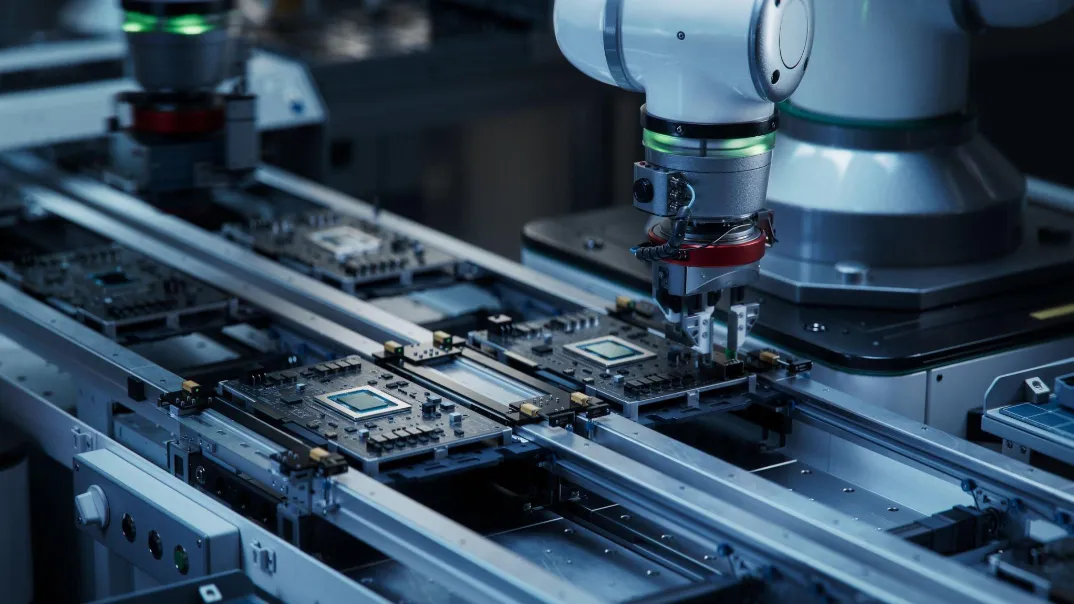
Cost Effective Strategies for IPC Class 2 PCB Assembly
Reduce IPC Class 2 PCB assembly costs with practical strategies on materials, components, and processes. Engineers gain tips for higher yields, lower expenses, and standard compliance in dedicated service electronics production.
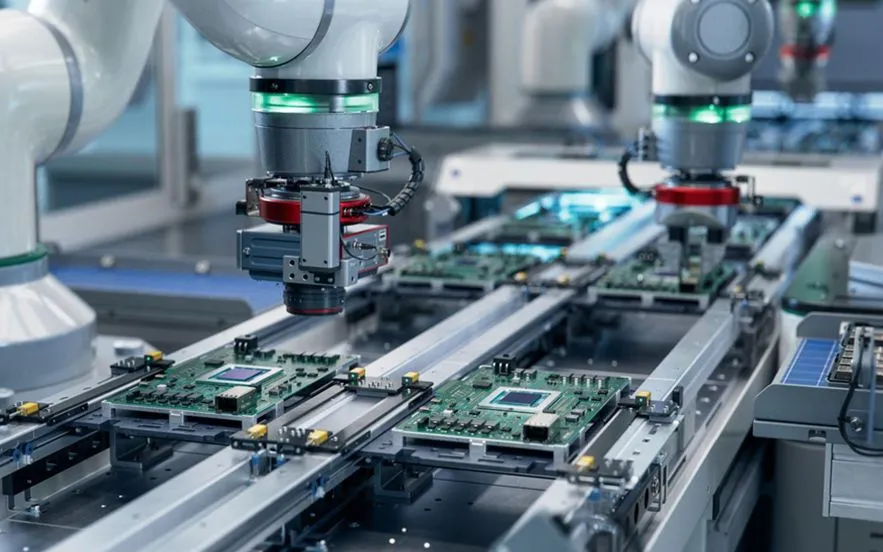
Design Considerations for IPC Class 2 PCB Assembly: A Comprehensive Guide
Master IPC Class 2 PCB assembly design considerations with expert guidance on component placement, trace width, spacing, and producibility levels. Learn how to achieve reliable, high-yield dedicated-service electronics with proven best practices and troubleshooting tips.
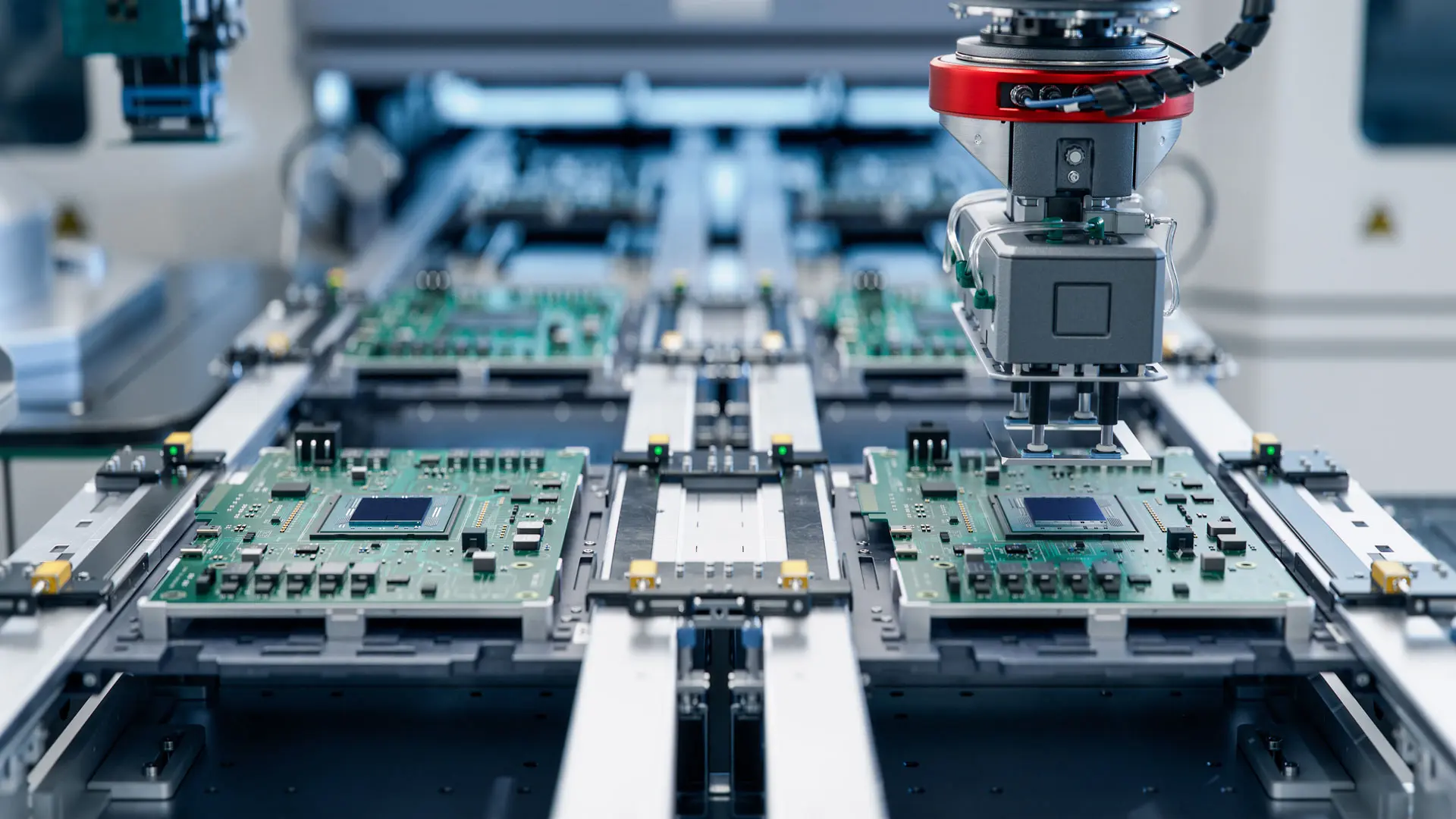
IPC Class 2 Assembly: Ensuring Reliability in Consumer Electronics
IPC Class 2 assembly standards meet reliability requirements for consumer electronics like smartphones and laptops. IPC-A-610 Class 2 guidelines detail solder joints, component placement, cleanliness, best practices, and troubleshooting for durable assemblies that withstand daily use and reduce field failures.
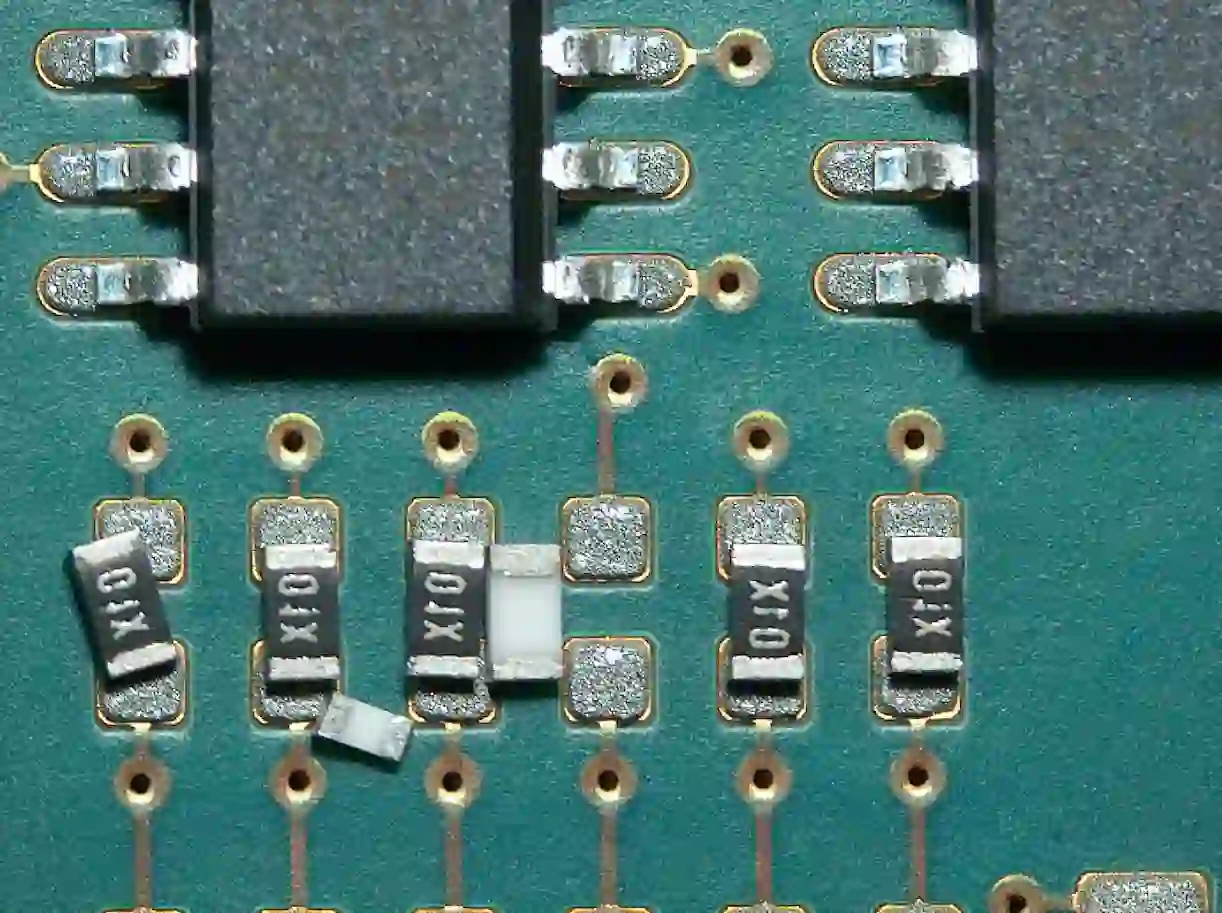
Component Alignment: A Beginner's Guide to Precision PCB Assembly
This guide teaches DIY PCB component alignment for beginners with manual component placement tips, basic alignment tools, and solder paste techniques. Hobbyists learn practical steps, troubleshooting, and best practices for reliable home PCB assembly results.
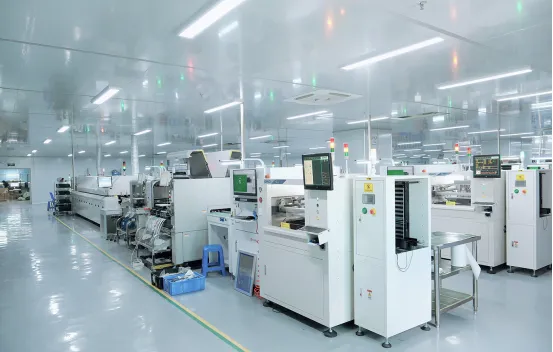
Component Alignment Testing: Ensuring Reliability in High Density PCBs
Component alignment testing drives reliability in high density PCB assembly by tackling miniaturization challenges and component density alignment issues. Key methods include fiducials, SPI, AOI, and X-ray checks, plus best practices for precise placement, troubleshooting, and standards compliance to maximize yields.
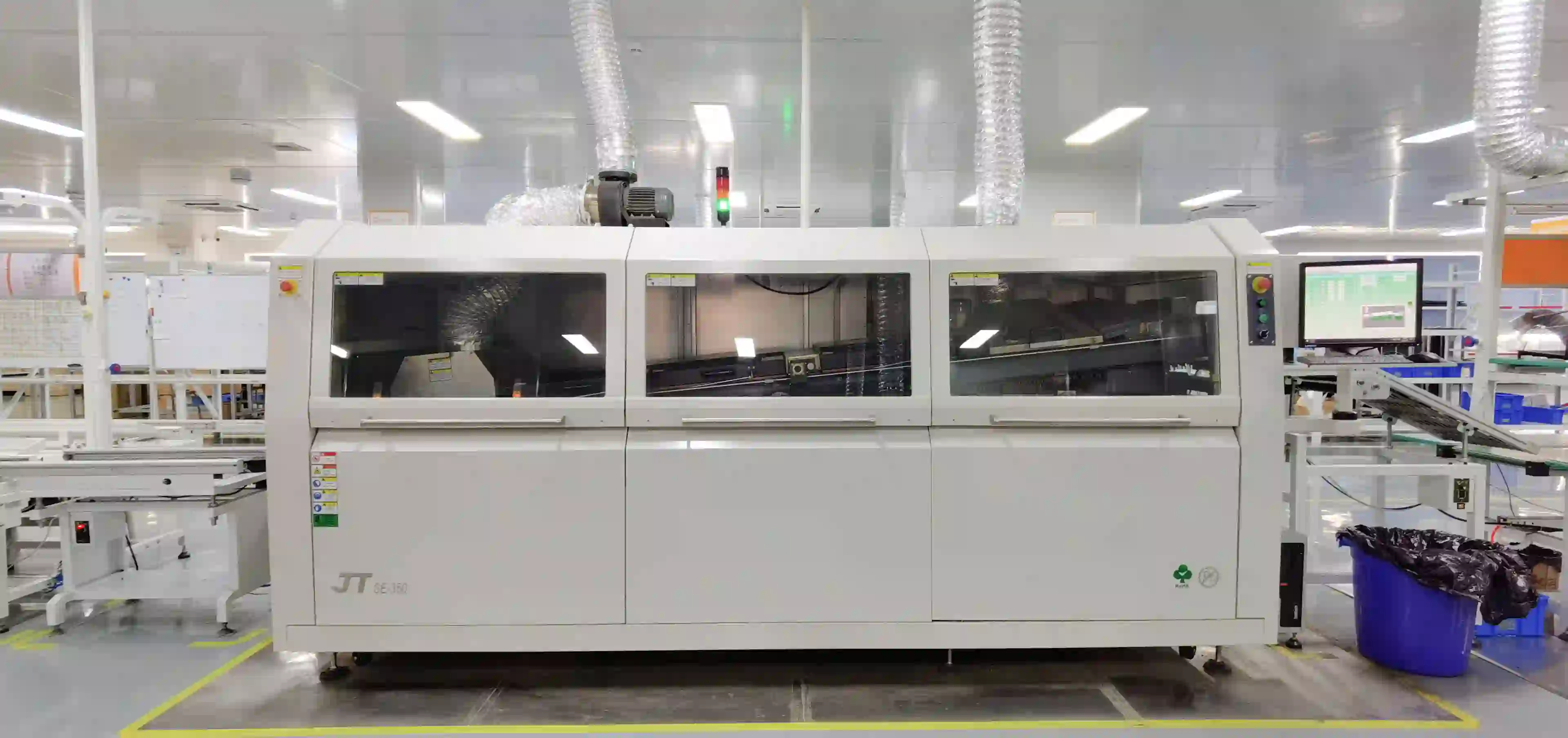
Wave Soldering Safety: Protecting Your Operators and Facility
Prioritize soldering protection in your facility. Learn why molten solder splashes cause burns, how to select personal protective equipment for soldering, and expert tips for fume extraction.
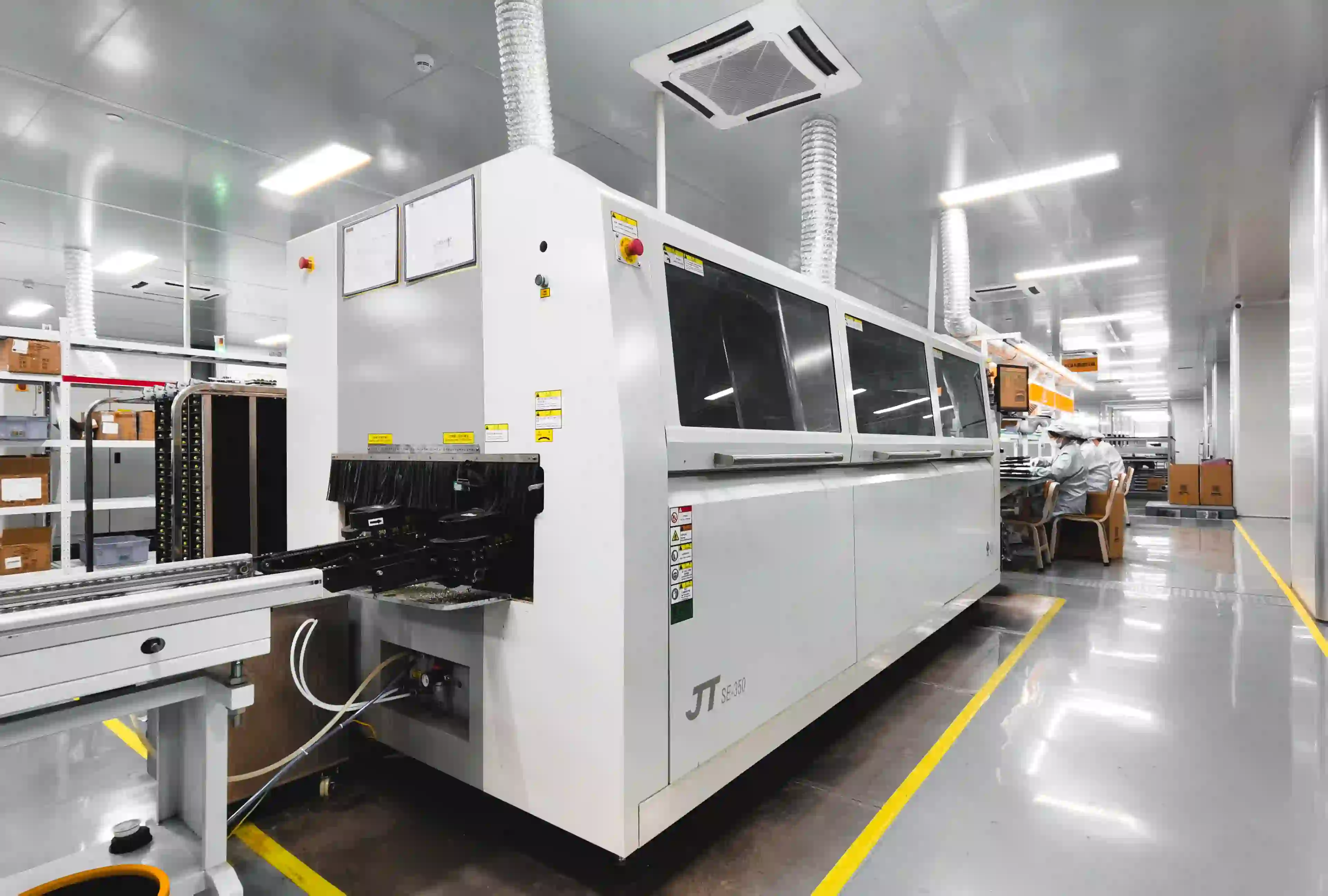
Troubleshooting Common Wave Soldering Defects: A Practical Guide
Master troubleshooting common wave soldering defects like bridging, insufficient solder, icicles, and pinholes with this practical guide. Learn root causes, process parameter optimization, lead-free specifics, AOI inspection, and IPC-J-STD-001 compliant solutions to reduce defects and improve first-pass yield in PCB assembly.


