


PCB Assembly
Printed circuit board (PCB) assembly represents a critical phase in electronics manufacturing, where components are mounted onto a board to create functional circuits. This process bridges design and production, ensuring that electronic devices perform reliably in diverse applications. From soldering techniques to component placement, PCB assembly encompasses the methods and technologies that transform bare boards into operational systems. Understanding these elements is essential for engineers, hobbyists, and industry professionals aiming to optimize production efficiency and product quality. Within this category, readers will find a comprehensive collection of guides that detail step-by-step assembly processes, tutorials on advanced tools like surface-mount technology and automated pick-and-place machines, and insights into troubleshooting common issues such as solder joint defects or thermal management challenges. Best practices are highlighted to promote reliability, including strategies for minimizing defects through quality control measures and adhering to industry standards like IPC guidelines. These resources draw from real-world expertise to address both fundamental concepts and cutting-edge innovations in the field. The practical value of mastering PCB assembly extends to numerous sectors, including consumer electronics, automotive systems, medical devices, and aerospace engineering. By applying the knowledge shared here, professionals can reduce manufacturing costs, accelerate time-to-market, and enhance device durability. For instance, effective assembly techniques ensure that circuits withstand environmental stresses, leading to longer-lasting products in demanding conditions. Delving into the articles in this PCB assembly category provides a pathway to deeper technical proficiency. Whether refining prototyping skills or scaling up production, the content equips readers with actionable strategies to tackle real-world challenges and stay ahead in an evolving industry.
Latest Blogs

Optimizing PCB Signal Integrity with Ferrite Bead Filters: A Comprehensive Guide
Learn how ferrite bead filters improve PCB signal integrity by suppressing high-frequency noise and EMI. This guide covers impedance matching, optimal placement strategies, pi-filter design with capacitors, selection criteria, simulation tips, and troubleshooting for high-speed designs like PCIe and DDR.
Wireless Thermal Profiling Equipment: Revolutionizing PCB Assembly
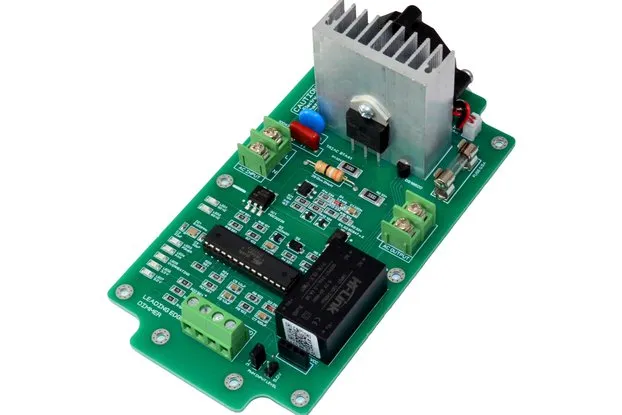
Wireless thermocouple data loggers deliver real time thermal profiling and remote PCB temperature monitoring in reflow soldering. Capture SMT assembly data acquisition accurately, integrate with Industry 4.0 electronics, and optimize processes for consistent quality and fewer defects in electronics manufacturing.
Troubleshooting Reflow Issues with Advanced Thermal Profiling
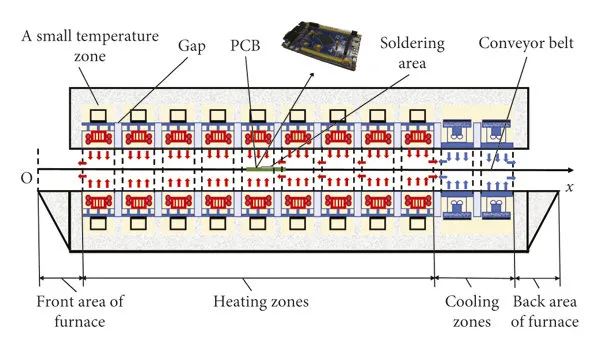
Troubleshoot reflow soldering issues using thermal profile analysis to diagnose PCB defects like tombstoning, voids, and bridging. Optimize reflow ovens, apply best practices, and cut SMT rework for better assembly yields and reliability. Essential guide for engineers.

Optimizing OLED Display Performance in Wearable Devices: Power Efficiency and Image Quality
Reduce OLED power consumption in wearable devices like smartwatches to extend battery life and maintain sharp image quality. Key strategies cover display technology, screen resolution optimization, PCB integration, and standards for reliable performance in power limited designs.
Flexible OLEDs for Automotive Applications: Design Considerations and Reliability Challenges
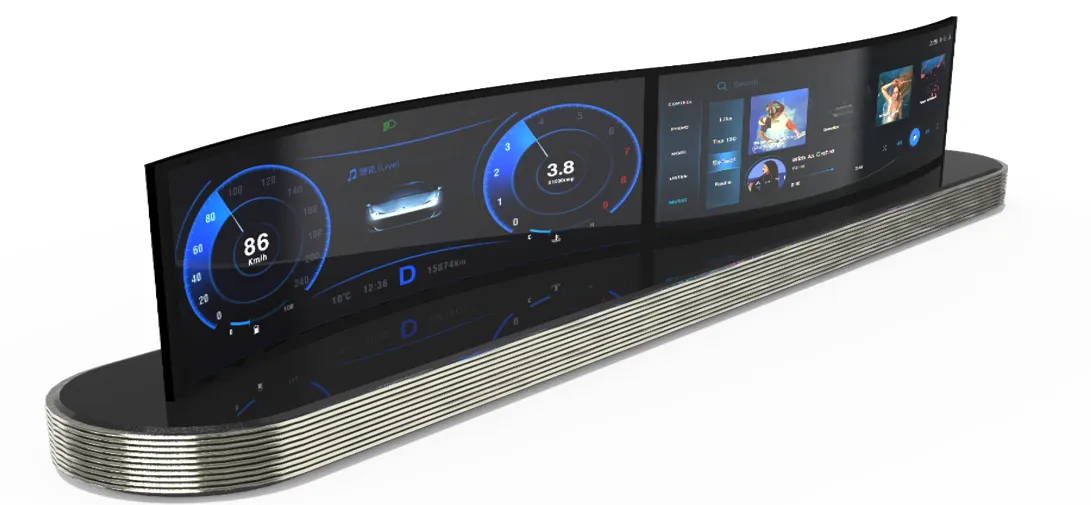
Explore flexible OLEDs for automotive applications with this guide to design considerations, bend radius, encapsulation, thermal management, and reliability challenges. Learn how to overcome burn-in, vibration, humidity, and sunlight readability issues for durable curved dashboards and instrument clusters per IPC-6013 and IEC 62341 standards.
Optimizing SMT Stencil Usage for High Volume PCB Production
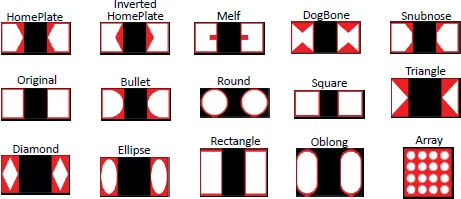
Practical guide to stencil optimization in high-volume SMT. Optimize aperture shapes, thickness, printing parameters, and cleaning routines for precise paste transfer, reduced defects, higher throughput, and cost savings in PCB assembly for engineers. (187 characters)

Stencil Free SMT Assembly: Is It Possible?
Stencil free SMT assembly works via jet printing and solder dispensing, suiting low volume SMT production. Engineers find details on principles, best practices, challenges, troubleshooting steps, and IPC standards compliance for reliable joints and efficient prototyping.
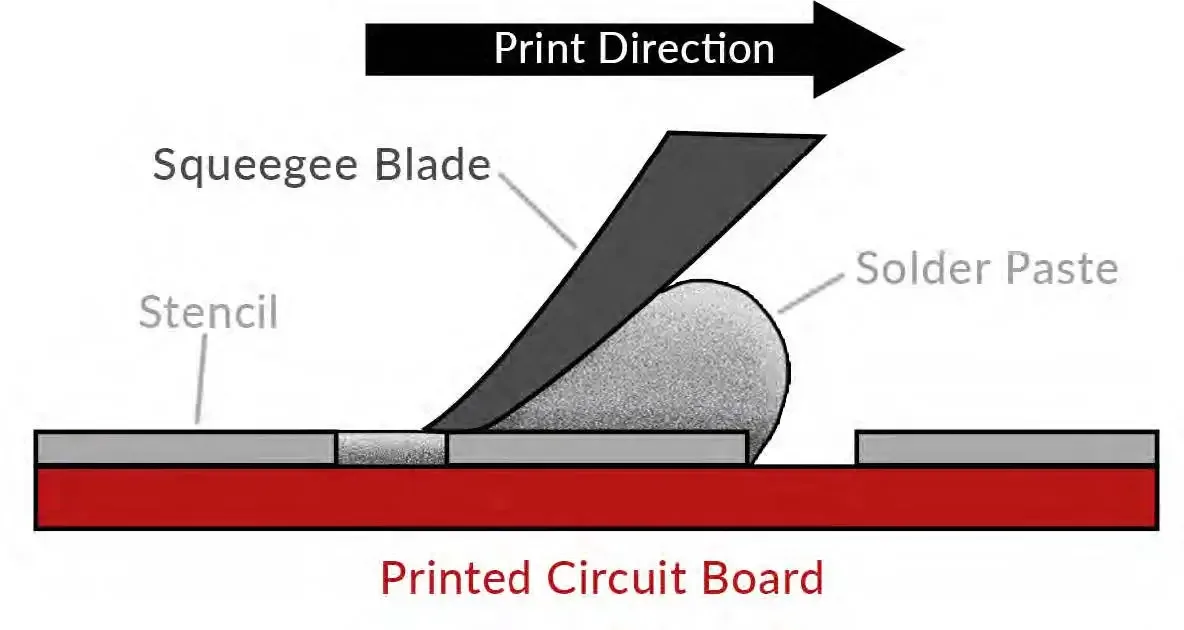
Stencil Materials Masterclass: Selecting the Best Material for Your PCB Project
Learn how to select the best PCB stencil materials — stainless steel, nickel, Mylar, and more — for superior solder paste release and maximum yield. Expert comparison, durability tips, and practical selection workflow for prototypes to high-volume SMT assembly.
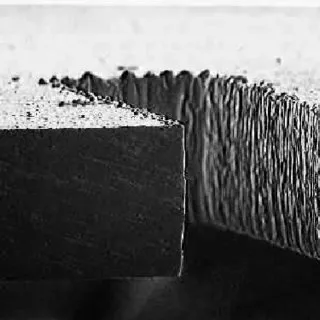
Laser Cut Stencils: Achieving High Precision in Fine Pitch SMT Assembly
Laser cut stencils deliver high precision for fine pitch components in SMT assembly through clean apertures and electro polishing. This guide explains technical principles, fabrication best practices, troubleshooting tips, and standards to reduce defects and improve yields for electric engineers. (198 characters)
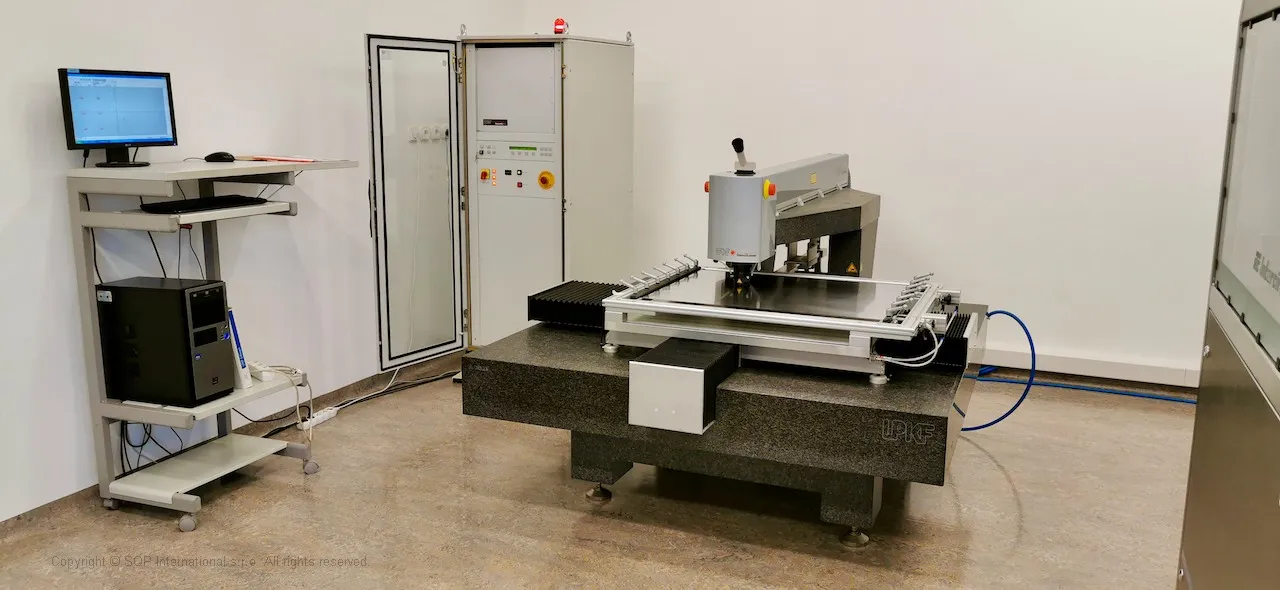
Laser Cut Stencils: Precision and Accuracy in PCB Manufacturing
Laser cut stencils provide precision and accuracy essential for PCB manufacturing. This article details laser cut stencil advantages, the laser cutting process for stencils, factors influencing stencil precision and accuracy, cost factors, and best practices for high-yield solder paste printing.
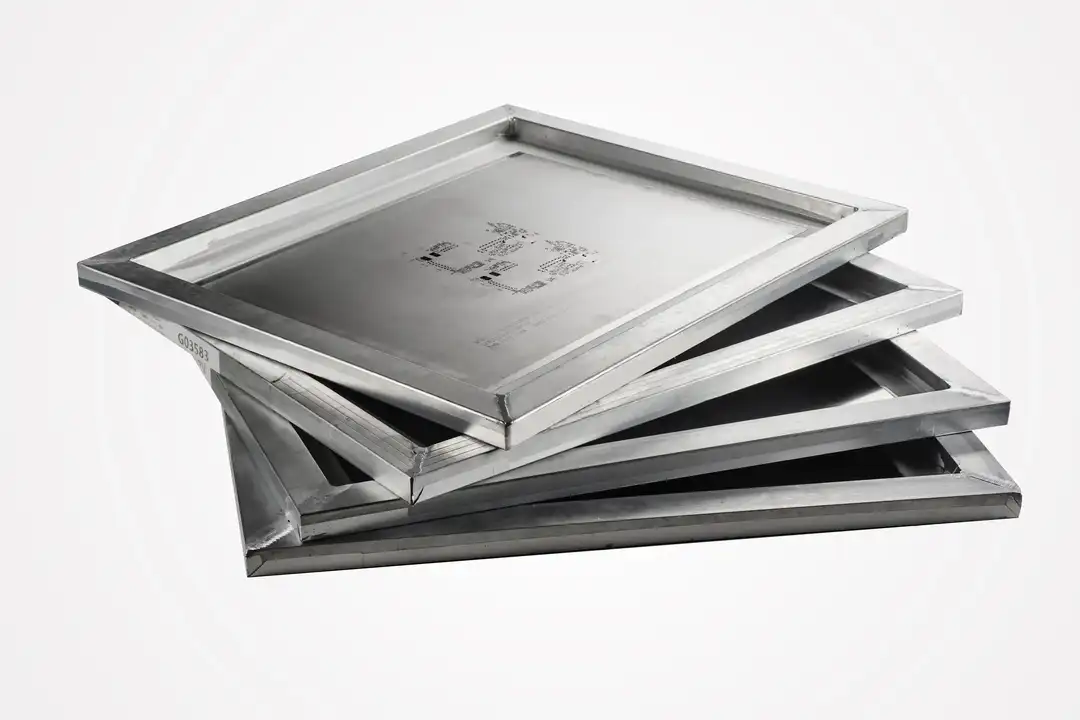
Beyond Stainless Steel: Exploring Advanced Materials for Framed SMT Stencils
Framed stencil materials like stainless steel and electroformed nickel differ in aperture smoothness, hardness, and paste release for SMT printing. This guide compares properties, suitability for fine pitch components, selection practices, and troubleshooting to improve assembly performance and yields.
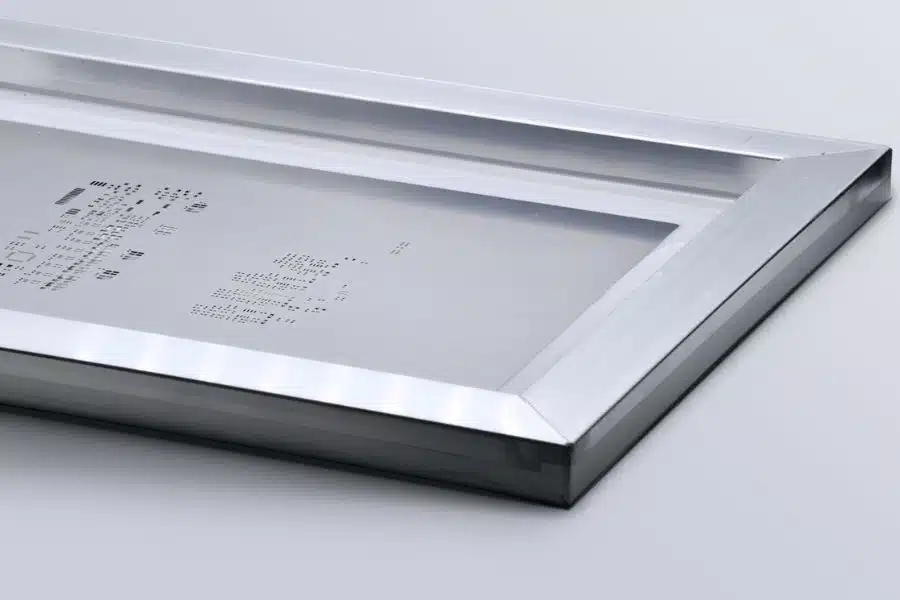
Boost Your SMT Production: How Framed Stencils Improve Solder Paste Deposition
Framed stencils deliver precise solder paste deposition and volume control in SMT stencil printing. Details on technical principles, aperture design impacts, best practices, troubleshooting defects, and IPC standards help electric engineers achieve reliable production results.


