Introduction
Effective communication with your PCB batch production manufacturer forms the foundation of successful projects in electronics design and manufacturing. For electrical engineers managing batch runs, clear exchanges prevent costly errors, accelerate production timelines, and ensure boards meet performance requirements. PCB manufacturer communication involves sharing precise design specifications, incorporating manufacturing feedback, and coordinating troubleshooting efforts throughout the process. Poor dialogue often leads to misinterpretations of tolerances or material choices, resulting in yield losses or redesigns. By adopting structured strategies, engineers can align expectations early and maintain control over project management. This article outlines practical approaches tailored to batch production workflows.
Why Effective Communication Matters in PCB Batch Production
In the competitive landscape of electronics, batch production demands precision to scale prototypes into reliable volumes without excessive waste. Effective PCB manufacturer communication minimizes risks associated with design variations across lots, ensuring consistency in electrical performance and mechanical integrity. Engineers who prioritize this aspect report fewer iterations, as feedback loops catch issues like trace impedance mismatches before full runs. Industry standards such as IPC-6012E emphasize qualification specifications that rely on accurate information exchange between designers and fabricators. Ultimately, strong communication supports project management goals, from quote approval to delivery, fostering partnerships that enhance overall efficiency. Neglecting it can inflate costs by 20 to 50 percent through rework, underscoring its relevance for technical professionals.
Defining Clear Design Specifications from the Outset
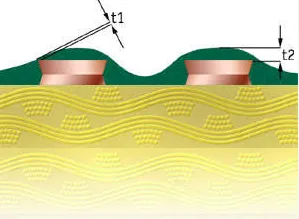
Start every PCB batch project by articulating comprehensive design specifications that leave no room for ambiguity. Electrical engineers should provide Gerber files, drill files, and panelization details alongside a detailed stackup drawing that specifies layer count, material thicknesses, and copper weights. Include critical parameters such as minimum trace widths, via sizes, and solder mask clearances, all aligned with manufacturability constraints. Fabricators appreciate accompanying documentation like bill of materials notes and impedance control requirements for high-speed signals. Reference standards like IPC-A-600K for acceptability criteria helps set mutual expectations on surface finishes and plating thicknesses. This upfront clarity in PCB manufacturer communication reduces questions during quoting and sets the stage for smooth batch transitions.
Visual suggestions enhance understanding here.

Beyond files, include a design for manufacturability (DFM) checklist covering aspects like annular ring sizes and aspect ratios for vias. Specify environmental conditions, such as operating temperatures and humidity exposure, to guide material selections. Electrical engineers often overlook fab notes on scoring methods or fiducial placements, which are vital for assembly alignment in batches. By compiling these into a single specification package, you enable the manufacturer to perform accurate feasibility assessments promptly. Consistent use of terminology, like defining "controlled impedance" with target values and test coupons, prevents downstream discrepancies.
Incorporating Manufacturing Feedback During Feasibility and Prototyping
Once specifications are submitted, actively solicit and integrate manufacturing feedback to refine designs before batch commitment. Manufacturers review files for potential issues like excessive drill depths or tight spacing that could compromise yields. Respond promptly to their DFM reports, which highlight risks such as warpage in thick boards or solder bridge potentials in dense areas. This iterative PCB manufacturer communication loop builds trust and optimizes the design for volume production. For instance, feedback on panel utilization can lower costs without altering functionality.

Transitioning from prototypes to batches requires validating feedback through small runs, where engineers confirm electrical tests like continuity and insulation resistance. Document all changes via engineering change orders (ECOs) to track modifications. Standards like ISO 9001:2015 promote quality management systems that include robust feedback mechanisms, ensuring traceability. Engineers benefit by scheduling review calls to discuss nuances, such as copper balance for warpage prevention. This phase of project management solidifies the production baseline.
Implementing Structured Troubleshooting Protocols
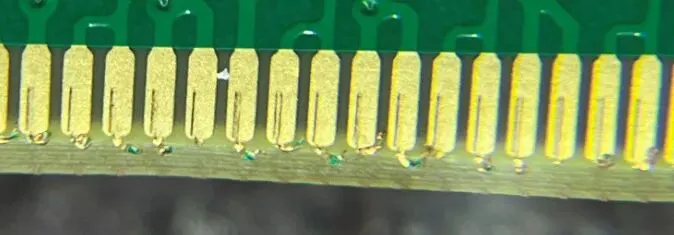
Troubleshooting arises inevitably in batch production, often from subtle specification gaps or process variations. Establish protocols for rapid issue identification, starting with shared log files from electrical testing or visual inspections. When defects like opens or shorts appear, provide high-resolution images, cross-sections, or X-ray data alongside failure analysis requests. Manufacturers can then correlate these with their inline metrology, such as automated optical inspection results. Effective PCB manufacturer communication during troubleshooting involves joint root cause analysis, using tools like fishbone diagrams to pinpoint sources like plating voids or lamination defects.

Categorize issues by severity: critical ones halting production demand immediate video calls, while minor ones suit email threads with attachments. Reference IPC-A-600K class levels to agree on defect classifications, avoiding disputes over acceptability. For systemic problems in batches, request statistical process control data from the fab to validate containment actions. Document resolutions in a shared issue tracker, linking back to original design specifications for future prevention. This methodical approach minimizes downtime and preserves schedule integrity.
Optimizing Project Management Through Proactive Coordination
Project management in PCB batch production thrives on milestone-driven communication that anticipates delays. Define timelines upfront, including engineering hold periods, tooling lead times, and shipping buffers. Use shared portals or spreadsheets for real-time status updates on layers built, plating completed, and final yields. Regular check-ins, weekly for complex batches, allow adjustments for supply chain fluctuations in materials. Incorporate change management by quoting ECO impacts on cost and lead time before approval.
Electrical engineers should monitor key performance indicators like on-time delivery and first-pass yield through dashboards provided by the manufacturer. Escalate risks early, such as raw material backorders, with contingency plans. ISO 9001:2015 frameworks support this by mandating documented procedures for project tracking. Clear escalation paths, including named contacts for procurement, engineering, and quality, streamline resolutions. By the end, comprehensive closeout reports capture lessons learned, refining future PCB manufacturer communication.
Common Pitfalls in PCB Manufacturer Communication and Avoidance Strategies
Even seasoned engineers encounter pitfalls like vague impedance specs leading to signal integrity failures in batches. Avoid this by including test coupon layouts and measurement methods in initial submissions. Another issue is assuming standard interpretations of terms like "HASL finish," which vary; specify exact processes instead. Overlooking batch-specific scaling, such as panel array optimizations, inflates per-unit costs unnecessarily. Cultural or time-zone differences can delay feedback; mitigate with asynchronous tools like annotated PDFs.
Rushing prototypes without full feedback loops often amplifies issues in production runs. Counter this by mandating sign-off gates post-DFM. Ignoring yield data trends from prior batches misses opportunities for process tweaks. Finally, poor documentation trails hinder audits; maintain version-controlled spec revisions. Awareness of these traps, coupled with proactive measures, elevates project outcomes.
Conclusion
Mastering communication strategies with your PCB batch production manufacturer empowers electrical engineers to deliver high-quality boards on schedule. From precise design specifications and feedback integration to robust troubleshooting and project management, each element interconnects for optimal results. Referencing standards like IPC-6012E, IPC-A-600K, and ISO 9001:2015 ensures alignment on quality benchmarks. Consistent application reduces risks, cuts costs, and strengthens collaborations. Prioritize clarity, documentation, and responsiveness to transform routine exchanges into strategic advantages. Future projects will benefit from these disciplined practices.
FAQs
Q1: How can electrical engineers improve PCB manufacturer communication for better design specifications?
A1: Engineers should compile complete Gerber sets with stackup details, tolerances, and DFM checklists upfront. Include fab notes on critical features like impedance targets and test points. Schedule initial reviews to address feedback promptly, aligning on IPC standards for acceptability. This structured approach minimizes revisions and ensures manufacturability from the start.
Q2: What role does manufacturing feedback play in PCB batch project management?
A2: Manufacturing feedback identifies DFM issues early, preventing yield losses in batches. Review reports on spacing, warpage risks, and material suitability during prototyping. Integrate changes via ECOs and validate through test runs. Track progress with milestones to maintain timelines, fostering efficient project management. Standards like ISO 9001:2015 guide these quality loops.
Q3: How to handle troubleshooting with a PCB manufacturer effectively?
A3: Provide detailed failure data, including photos, electrical logs, and samples, when issues arise. Collaborate on root cause using shared tools and classify per IPC-A-600K. Implement containment and monitor corrective actions statistically. Document everything for traceability, reducing recurrence in future batches. Quick escalation keeps production on track.
Q4: Why is project management crucial in PCB manufacturer communication?
A4: Project management coordinates timelines, changes, and risks across design specifications and production. Use portals for real-time updates on yields and delays. Define milestones and KPIs to anticipate hurdles. This ensures batches meet deadlines and budgets, enhancing overall reliability.
References
IPC-6012E - Qualification and Performance Specification for Rigid Printed Boards. IPC, 2017
IPC-A-600K - Acceptability of Printed Boards. IPC, 2020
ISO 9001:2015 - Quality Management Systems. ISO, 2015