buried-vias
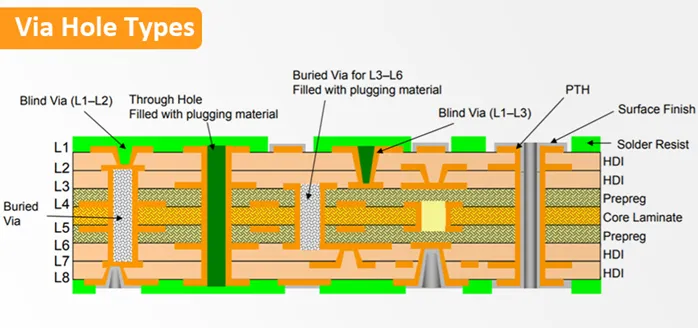
Buried vias represent a key advancement in printed circuit board (PCB) design, enabling connections between internal layers without penetrating the outer surfaces. This tag encompasses articles that delve into the fundamentals, implementation, and optimization of buried vias in modern electronics manufacturing. For engineers, designers, and hobbyists searching for information on buried vias, understanding their role is essential for creating compact, high-performance PCBs that meet the demands of dense layouts and high-speed signals. In multilayer PCBs, buried vias offer significant advantages by conserving space on the outer layers, which allows for more efficient routing of traces and components. They help minimize electromagnetic interference and improve signal integrity, making them ideal for applications in telecommunications, aerospace, and consumer electronics where board real estate is at a premium. By burying these vias within the board's inner structure, designers can achieve greater layer utilization without compromising reliability or manufacturability. Practical applications include their use in HDI (high-density interconnect) boards, where they facilitate finer pitch components and reduced via counts on the surface. Best practices involve careful planning during the design phase, such as selecting appropriate drill sizes, ensuring proper aspect ratios to avoid fabrication issues, and integrating them with blind vias for hybrid configurations. Attention to thermal management is also crucial, as buried vias can influence heat dissipation in stacked layers. For those tackling complex PCB projects, the articles under this tag provide detailed guides on design tools, simulation techniques, and troubleshooting common pitfalls like via stubs or misalignment. Reviewing these resources can equip you with the knowledge to incorporate buried vias effectively, enhancing your designs' efficiency and performance. If your project involves advanced layering or miniaturization, exploring the linked content will offer deeper insights into related topics such as via filling and impedance control.
Technical Articles
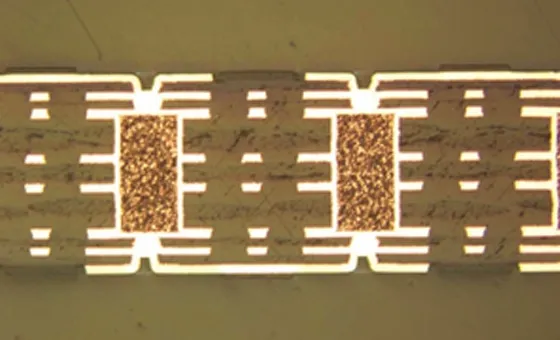
HDI Microvia for Flex PCB
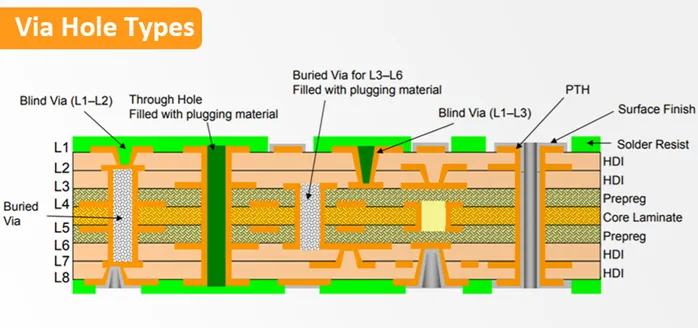
Mastering Blind and Buried Vias: How Sequential Lamination Enables Advanced Interconnects
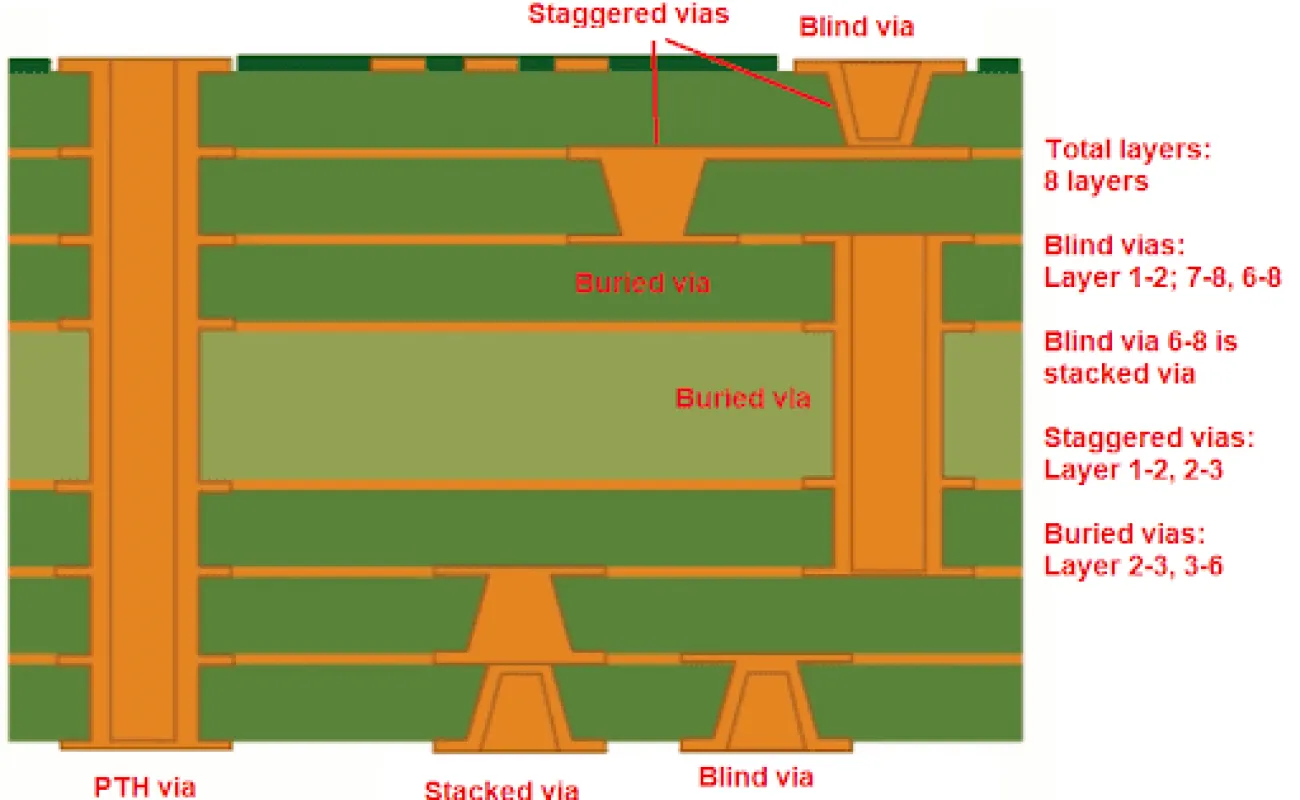
Controlled Depth Drilling vs. Other Via Techniques: Choosing the Right Approach
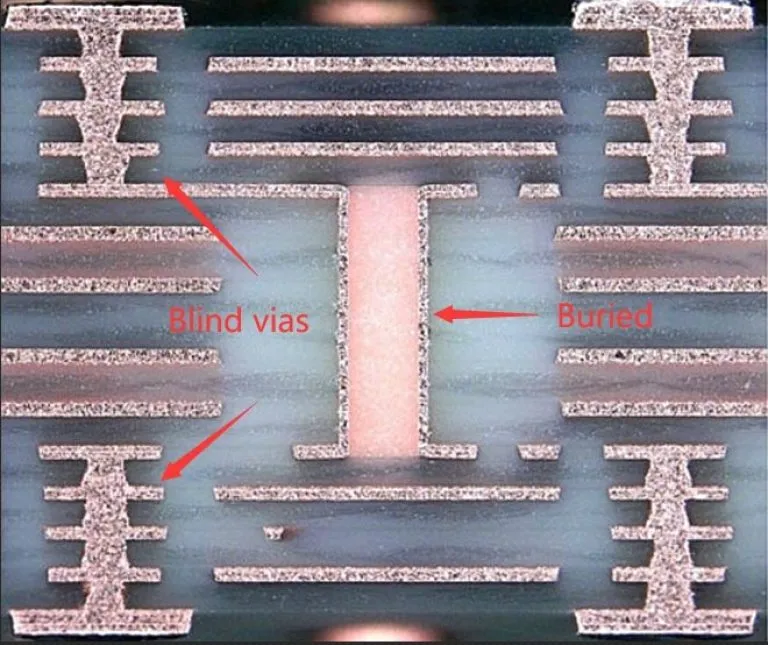
Optimizing Buried Via Size and Placement: Best Practices for PCB Design
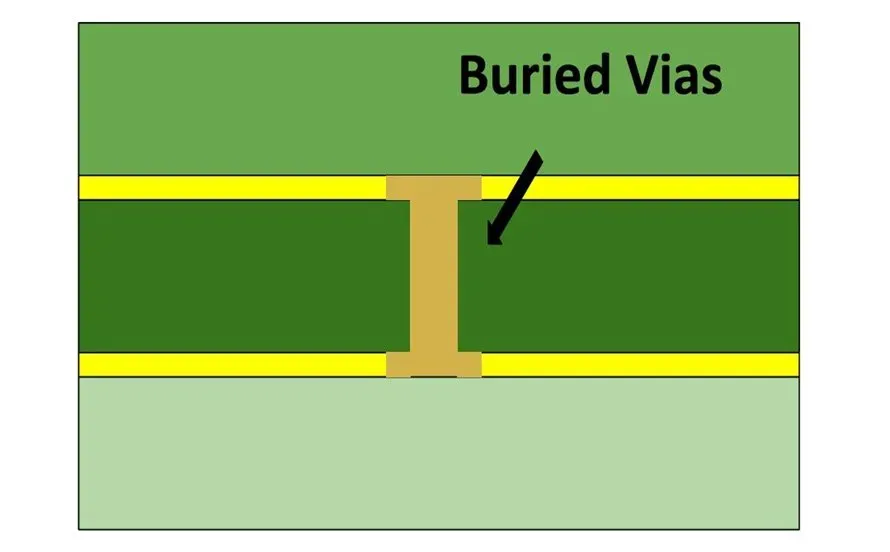
The Impact of Buried Vias on EMI Performance: Minimizing Interference in PCBs
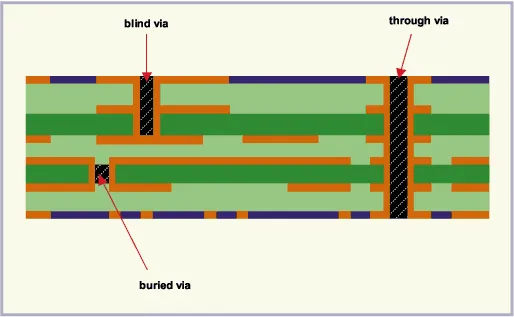
Sequential Lamination in HDI PCBs: The Definitive Guide to Blind and Buried Vias
Get in Touch
Send Message
- Products & Service
- Company
- About AIVON
- Contact
- News
- Blog
- Certification
-


- Payment
-


2026 AIVON.COM All Rights Reserved