 00:47
00:47
PCB Surface Finish
PCB surface finish plays a critical role in the performance, reliability, and manufacturability of printed circuit boards, serving as the protective layer that prevents oxidation, enhances solderability, and ensures long-term durability. For engineers, designers, and manufacturers searching for information on PCB surface finish, this tag aggregates a collection of in-depth articles that explore various types, including HASL, ENIG, OSP, immersion silver, and immersion tin. Understanding these options is essential for selecting the right finish based on factors like environmental conditions, assembly processes, and cost constraints, ultimately helping to avoid common issues such as poor solder joints or corrosion in high-humidity environments. In practical applications, choosing the appropriate PCB surface finish can significantly impact product lifecycle and compliance with industry standards like IPC or RoHS. For instance, ENIG offers excellent flatness and gold wire bonding compatibility, making it ideal for fine-pitch components in consumer electronics, while OSP provides a cost-effective, eco-friendly alternative for simpler designs. Best practices include evaluating shelf life, thermal resistance, and compatibility with lead-free soldering, as well as conducting thorough testing to mitigate risks like black pad defects in ENIG processes. By delving into these topics, users can gain actionable insights to optimize their PCB designs, reduce failure rates, and streamline production workflows. This tag serves as a comprehensive resource for both beginners and seasoned professionals, offering guidance on emerging trends such as lead-free finishes and advanced surface treatments for high-frequency applications. Readers interested in specific comparisons or case studies will find related articles that provide detailed analyses and real-world examples to inform their decisions.
Video Guide
Technical Articles
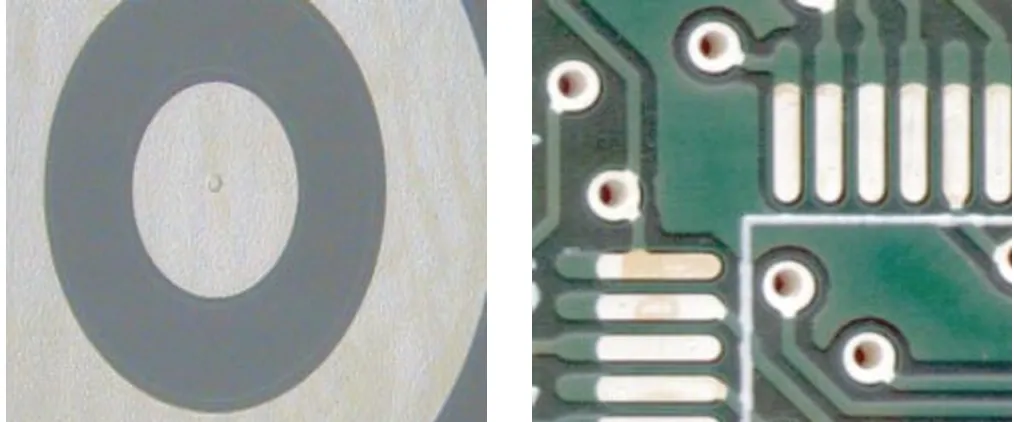
Immersion Silver (IAg) for PCBs: A Deep Dive into IPC-4553 and Practical Control Windows
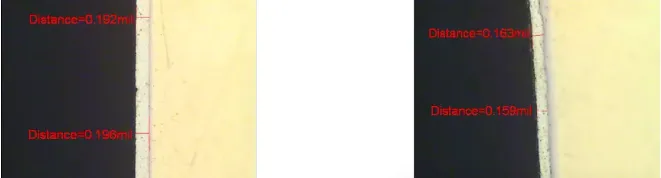
SMT Failure Case Study: Abnormal Plating on Fan Connector Pins After High-Temperature Wave Soldering
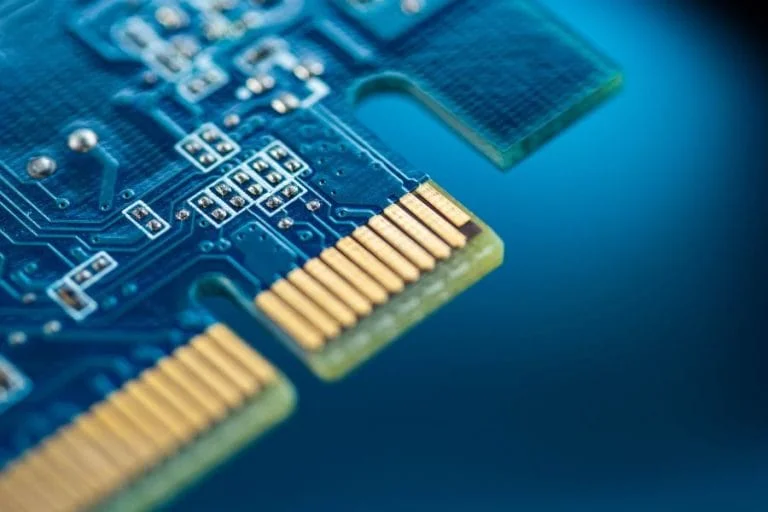
PCB Reliability Testing for SMT: Methods, Criteria, and Process Controls

ENIG "Black Pad" and BGA Solder Reliability: Failure Mechanism, Process Controls, and Acceptance Criteria
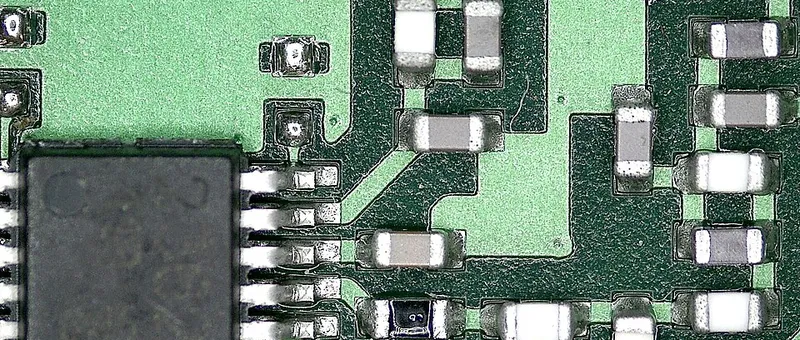
Handing a PCB to the Fabricator Is More Than a Gerber File
Basic PCB Concepts Needed to Start a Design
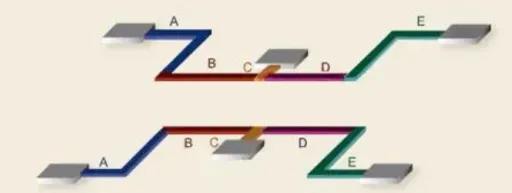
PCB Design Keep Going Wrong? 13 Key Fundamentals That Build a Solid Baseline
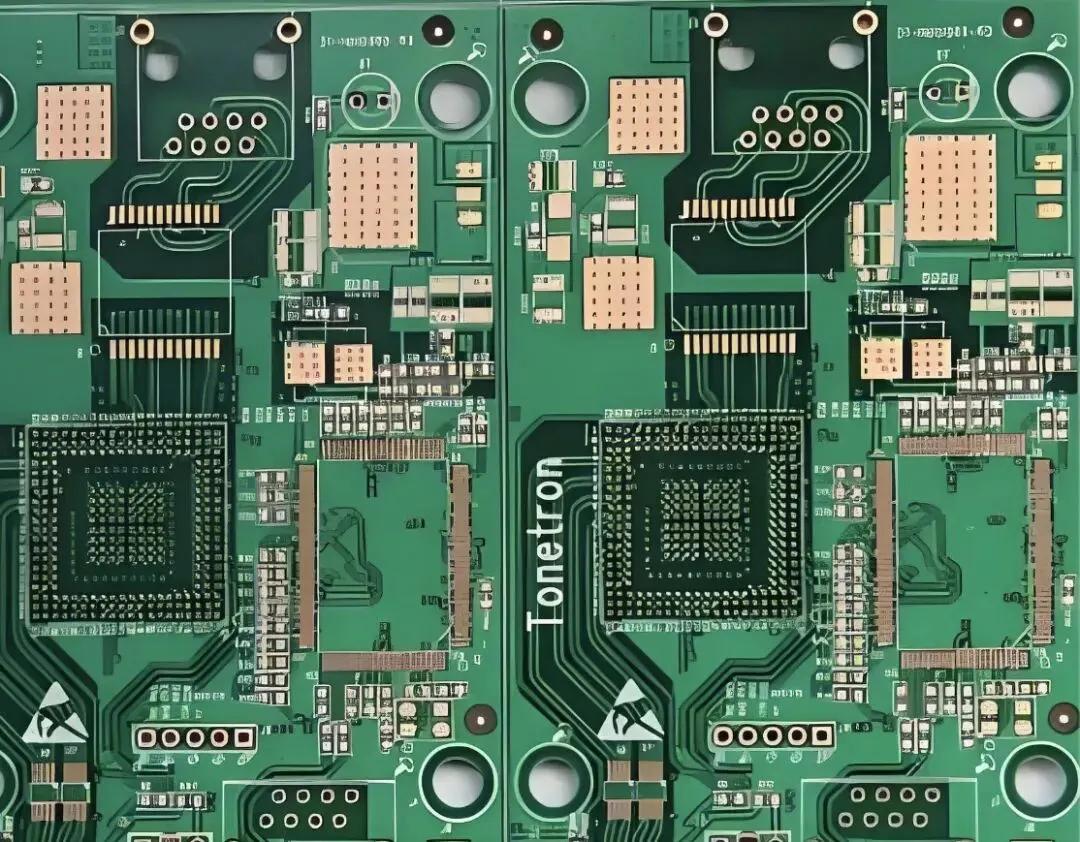
Why Are BGA Areas on a PCB Treated Differently?
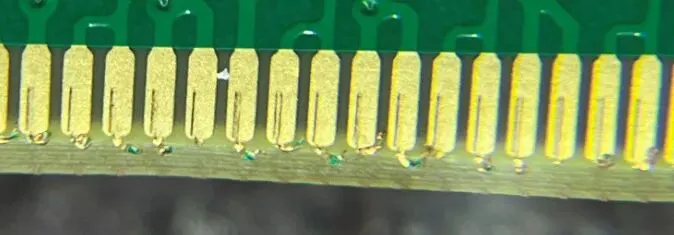
Manufacturing Improvements to Prevent Lifting and Residual Shorts in PCB Gold-Finger Plating Leads
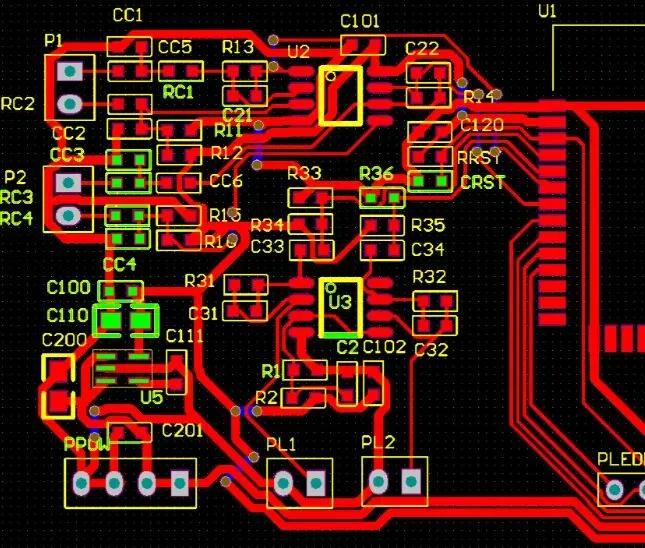
Should PCB Silkscreen Printing or ENIG Surface Finish Come First After Solder Mask?
What Roles Does Palladium Play in PCB Manufacturing?
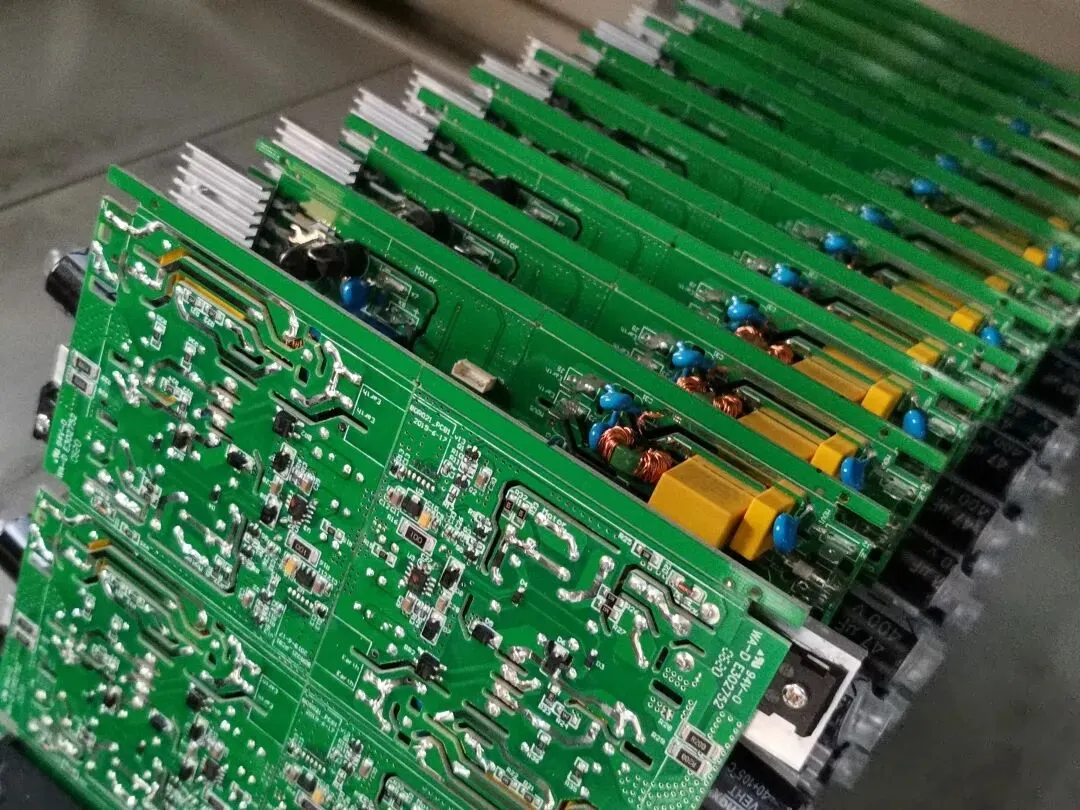
PCBA Storage Conditions and Requirements at Different Stages

When Bottom Silkscreen and PI Stiffener Specs Conflicted on a 0.2 mm 4-Layer Flexible PCB

Root Cause Analysis and Control of the Galvanic Effect in PCB Immersion Silver
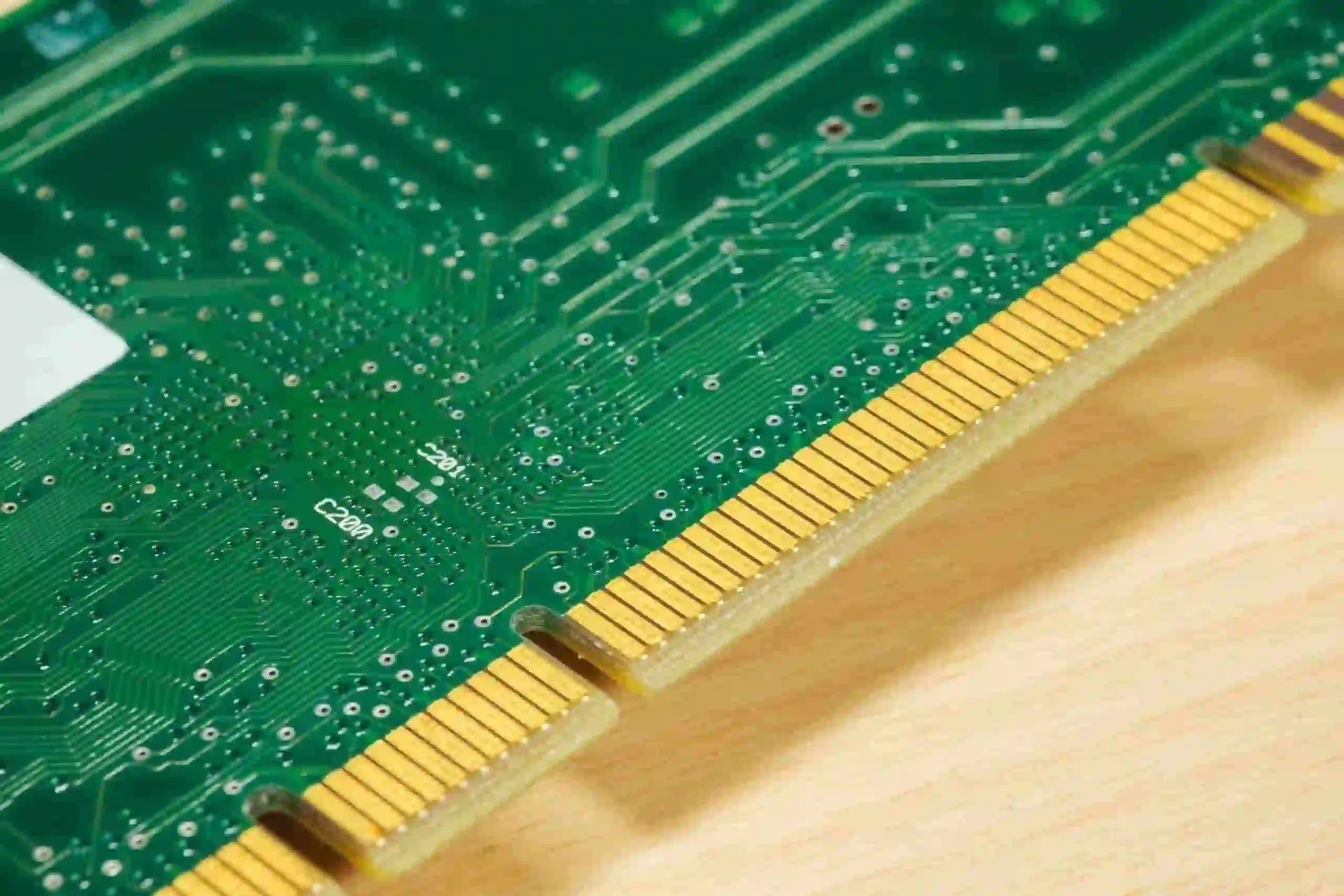
Resolving PCB Gold Finger Plating Problems: A Comprehensive Guide
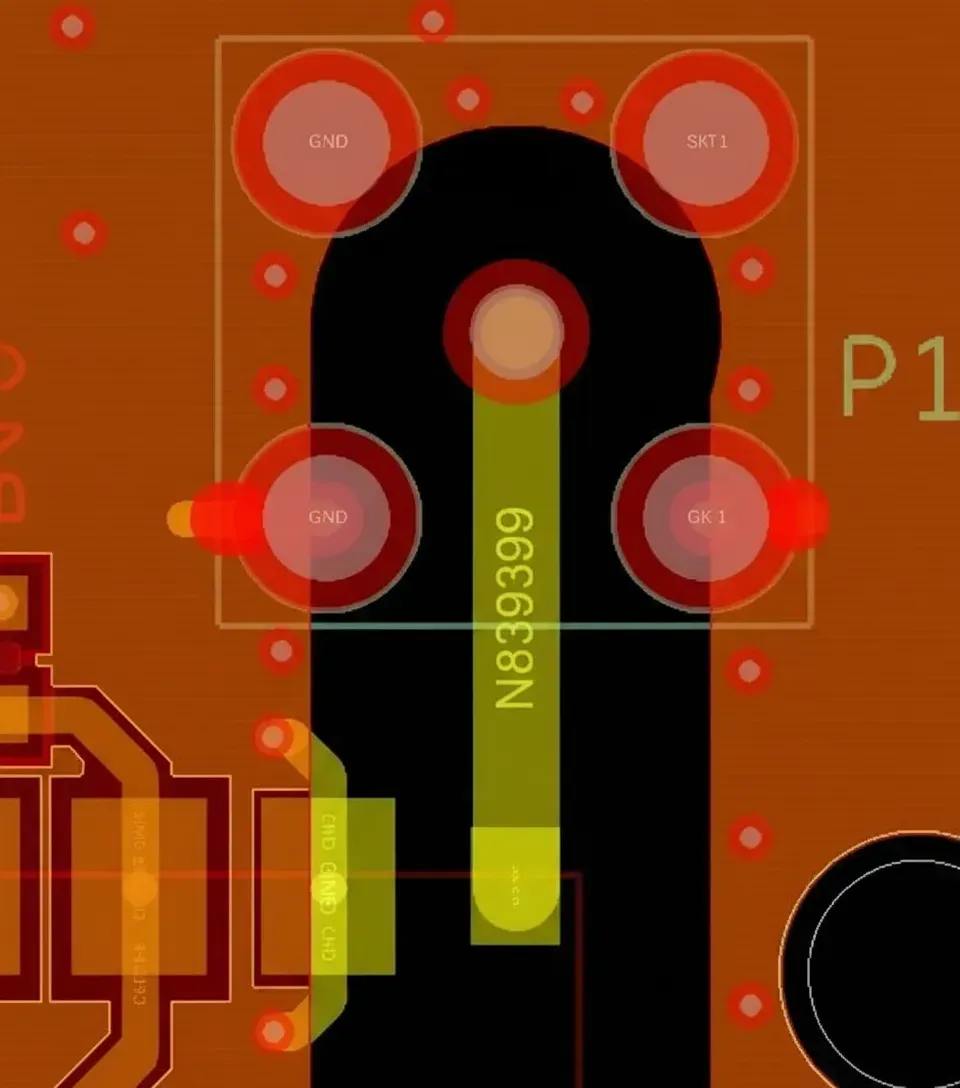
Antenna Design and Integration for RF PCBs: Fundamentals, Types, Radiation Patterns, and Manufacturing Considerations
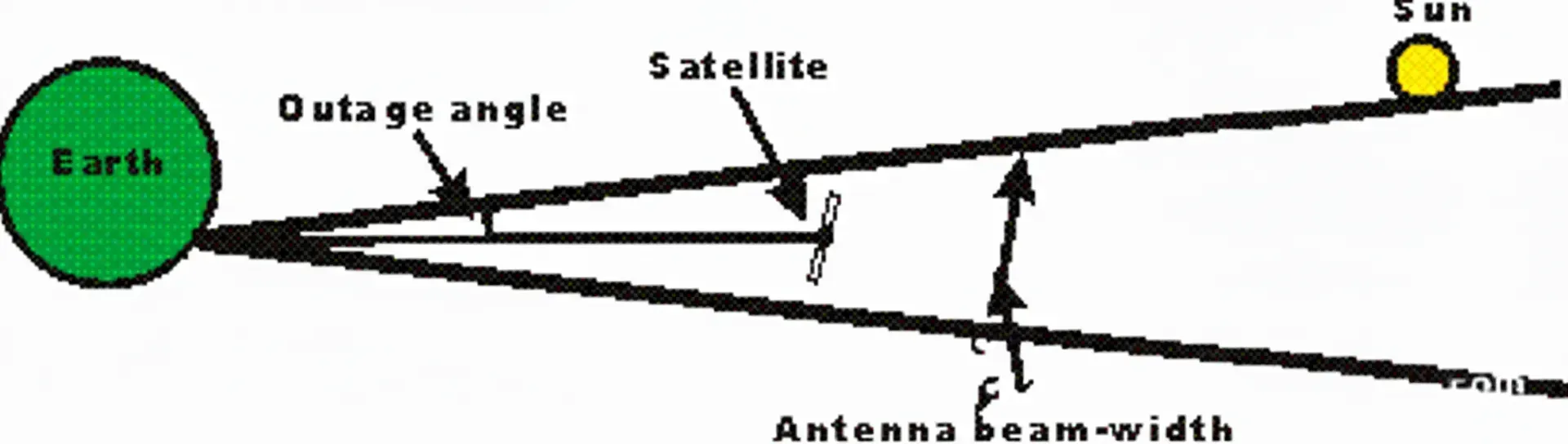
Satellite Sun Outage: Technical Mechanisms, System Impact, and RF Electronics Integration
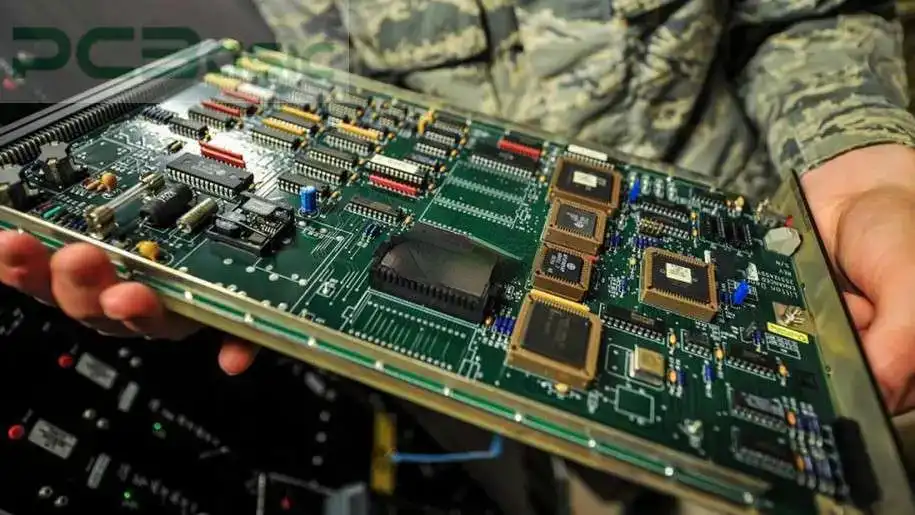
Advanced PCB Manufacturing Techniques for Military Communication Systems
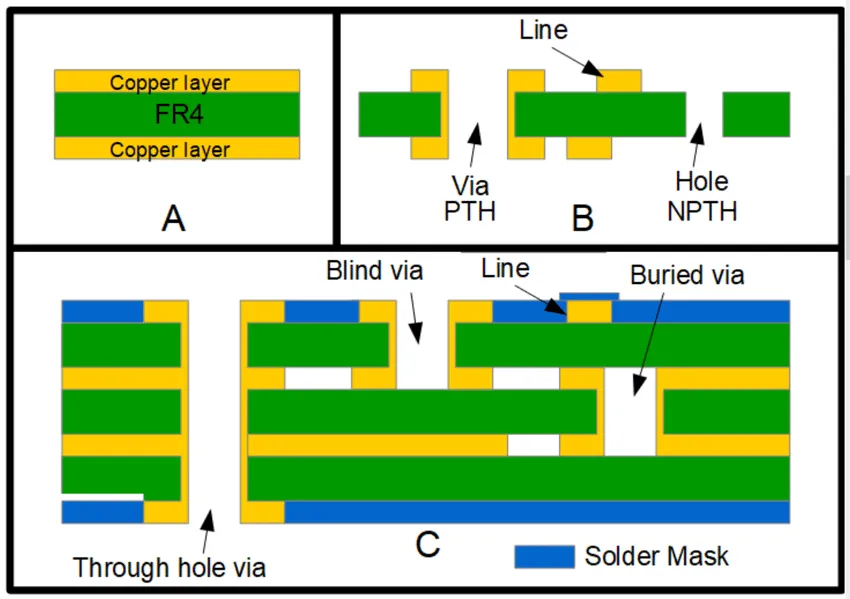
Beyond Lead Free: Advanced Materials for RoHS Compliant PCB Fabrication