EMC and Protection Design for Modular Power Peripheral Circuits
Overview of power-supply miniaturization factors: higher switching frequency, transformer design, LTCC integration, and compact PCB/component layout for reduced volume.
Power and new energy solutions represent a critical frontier in modern electronics, where innovative PCB designs drive efficiency, sustainability, and performance across diverse applications. In this Power & New Energy Solutions category, we delve into the technologies shaping the future of energy management, from advanced power supplies and renewable energy systems to smart grid integrations and energy storage solutions. Our focus extends to the intricate role of printed circuit boards in optimizing power distribution, minimizing losses, and enabling seamless integration with emerging energy sources like solar, wind, and electric vehicles. Professionals in electronics engineering and PCB design will find valuable resources here, including detailed guides on selecting components for high-efficiency power converters, tutorials on implementing energy-harvesting techniques, and insights into regulatory standards for sustainable energy projects. We also share best practices for thermal management in power-intensive applications, ensuring reliability in demanding environments such as industrial automation and automotive electrification. The practical value of these topics lies in their direct impact on real-world challenges, such as reducing carbon footprints through efficient energy use or enhancing battery life in portable devices. By addressing both foundational concepts and cutting-edge advancements, our content equips readers with the knowledge to tackle complex projects and innovate in a rapidly evolving field. As you browse the articles in this category, you'll uncover strategies to improve system performance, navigate design trade-offs, and stay ahead of industry trends, fostering informed decisions that advance your work in power and energy technologies.
Overview of power-supply miniaturization factors: higher switching frequency, transformer design, LTCC integration, and compact PCB/component layout for reduced volume.
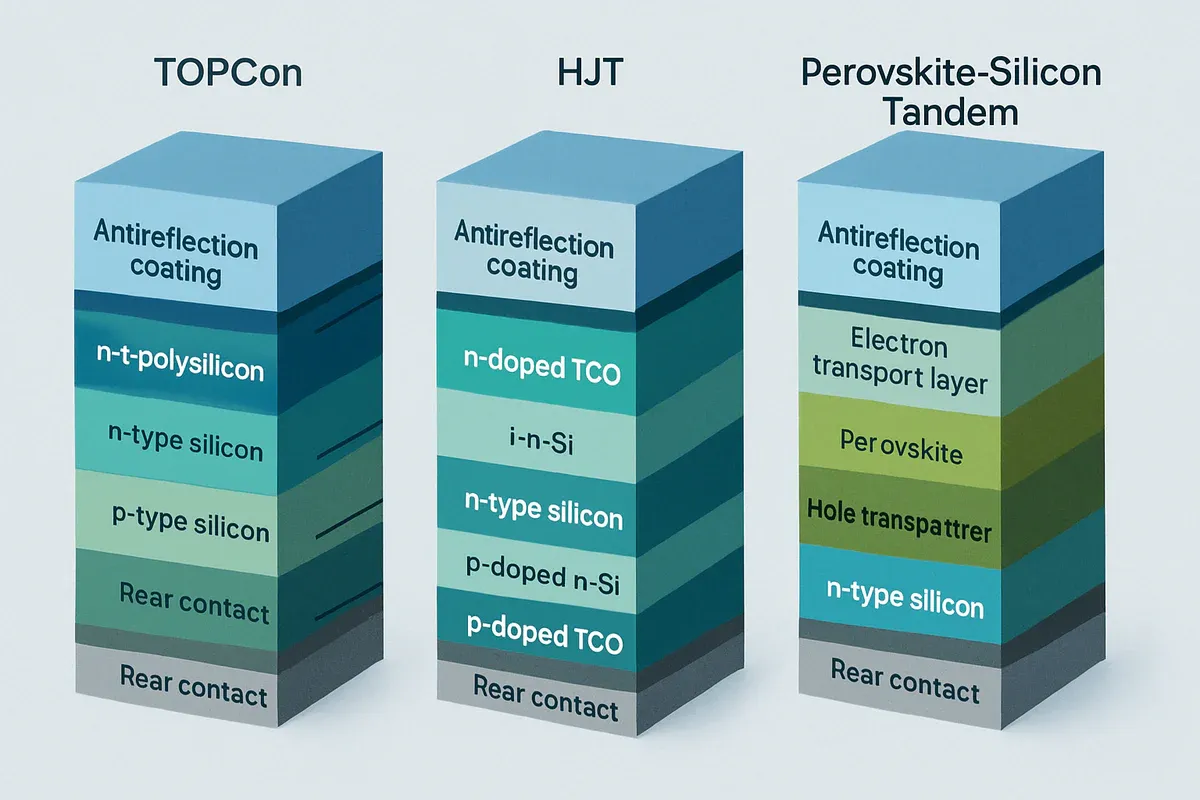
Comparison of perovskite tandems with HJT bottoms: HJT offers better front-contact compatibility, higher voltage and passivation; integration requires a tunneling junction.
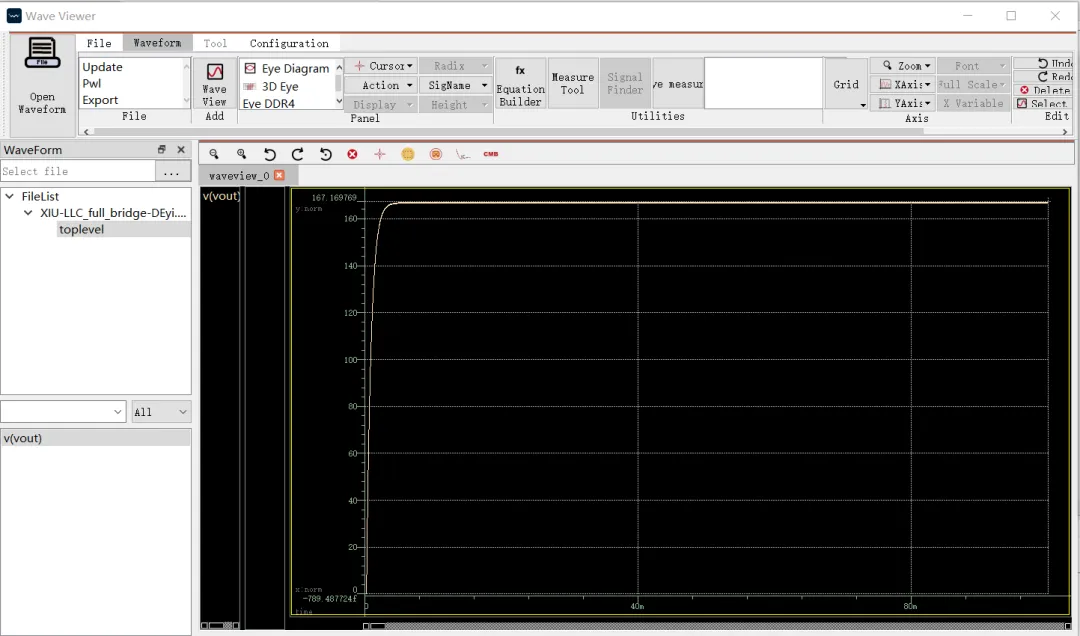
LLC circuit resonant converter overview: principle, pros/cons, full-bridge PowerExpert setup and simulation results demonstrating 400V→167V output behavior.
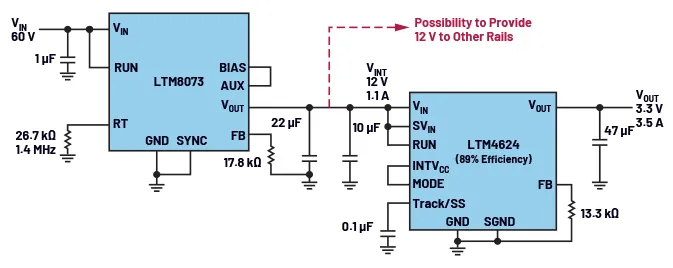
Analyzes why buck converters struggle at very high VIN/VOUT ratios and outlines three compact high step-down approaches: LT3748 flyback, LTM modules, and LT8641.
Comparison of voltage-mode and current-mode control in switching power supplies, detailing their advantages, disadvantages, and selection guidance for designers.
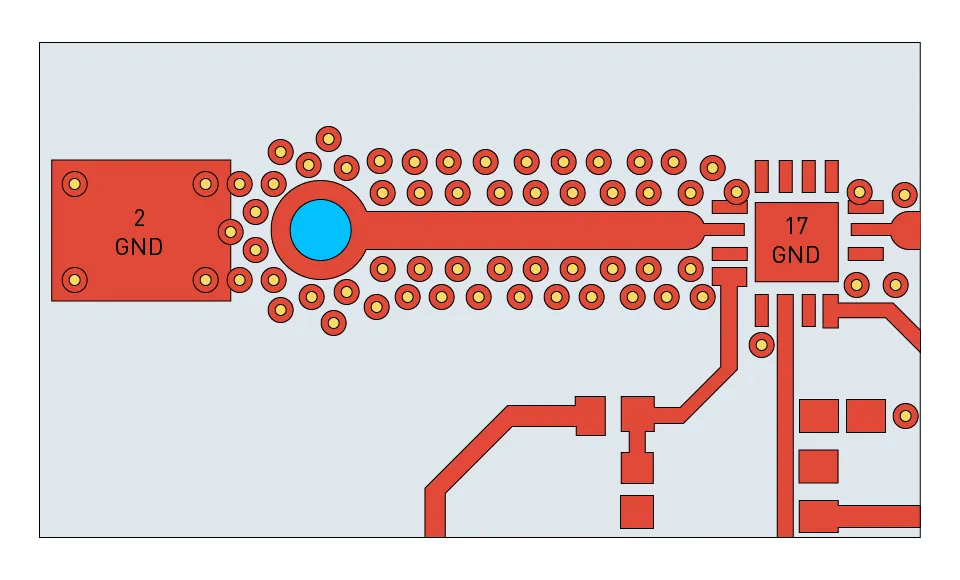
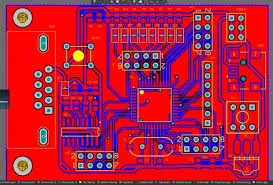
Guide to PCB layout for switching power supplies: placement, current-loop minimization, grounding, routing rules, design checks, and fabrication output recommendations.
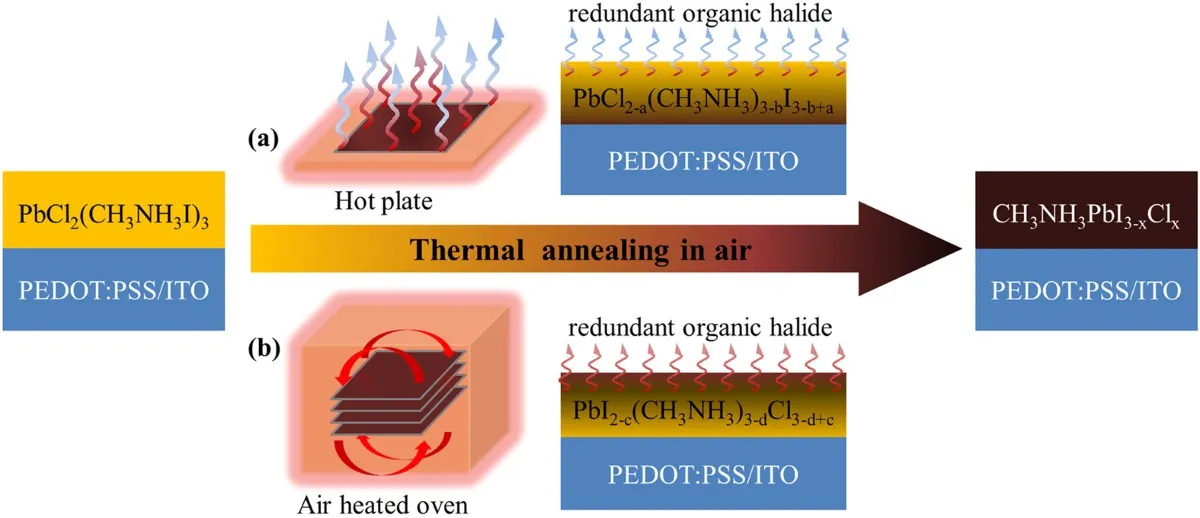
Annealing strategies for perovskite solar cells: how thermal annealing time and temperature affect film crystallization, morphology, carrier mobility, and manufacturing challenges.
Technical overview of all-solid-state batteries, semi-solid routes and Honeycomb Energy's progress, highlighting sulfide electrolyte advances, 20 Ah cells and materials challenges.
Overview of high-voltage charger designs using synchronous buck ICs for lead-acid, lithium-ion, and supercapacitor systems; CC/CV, precharge, and protection features.
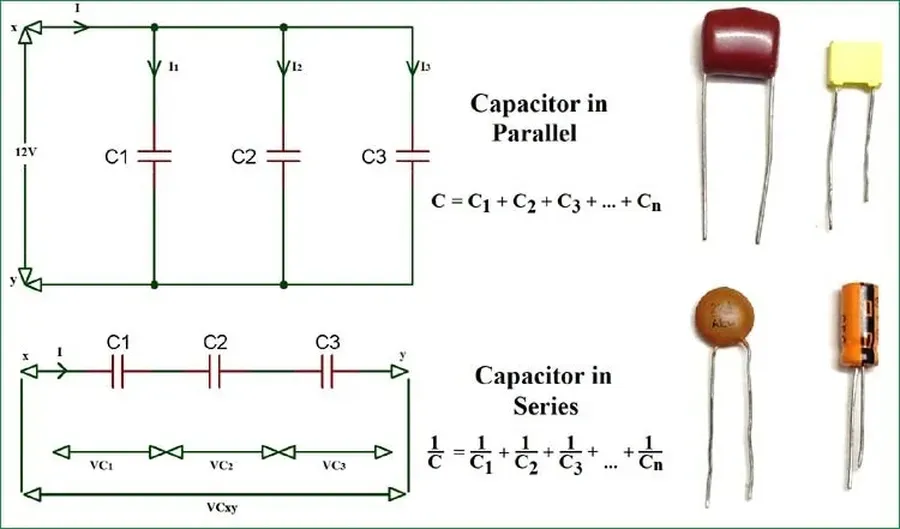
Explains why large and small capacitors are paralleled for broadband filtering, covering ESL effects, high-frequency performance, and decoupling capacitor placement.
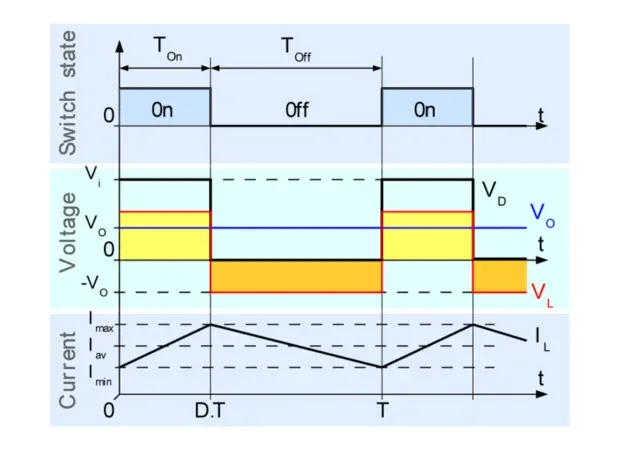
Technical overview of buck converter conduction modes (CCM vs DCM) and adaptive mode switching to optimize efficiency, stability, and transient response.
Analysis of IoT, blockchain, and big-data solutions for power battery systems: continuous state monitoring, safety risk prediction, residual value and V2G integration.