BUCK Converter Design Explained
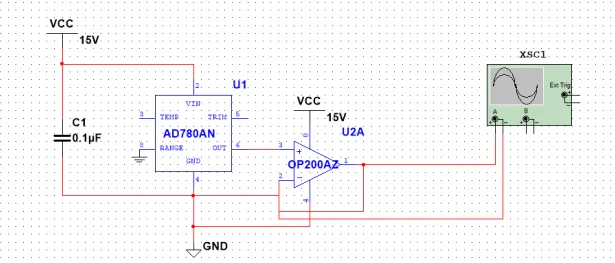
Buck converter design using AD780 to generate regulated 2.5 V or 3.0 V outputs from 15 V input, with comparator protection and low-headroom operation.
Power and new energy solutions represent a critical frontier in modern electronics, where innovative PCB designs drive efficiency, sustainability, and performance across diverse applications. In this Power & New Energy Solutions category, we delve into the technologies shaping the future of energy management, from advanced power supplies and renewable energy systems to smart grid integrations and energy storage solutions. Our focus extends to the intricate role of printed circuit boards in optimizing power distribution, minimizing losses, and enabling seamless integration with emerging energy sources like solar, wind, and electric vehicles. Professionals in electronics engineering and PCB design will find valuable resources here, including detailed guides on selecting components for high-efficiency power converters, tutorials on implementing energy-harvesting techniques, and insights into regulatory standards for sustainable energy projects. We also share best practices for thermal management in power-intensive applications, ensuring reliability in demanding environments such as industrial automation and automotive electrification. The practical value of these topics lies in their direct impact on real-world challenges, such as reducing carbon footprints through efficient energy use or enhancing battery life in portable devices. By addressing both foundational concepts and cutting-edge advancements, our content equips readers with the knowledge to tackle complex projects and innovate in a rapidly evolving field. As you browse the articles in this category, you'll uncover strategies to improve system performance, navigate design trade-offs, and stay ahead of industry trends, fostering informed decisions that advance your work in power and energy technologies.
Buck converter design using AD780 to generate regulated 2.5 V or 3.0 V outputs from 15 V input, with comparator protection and low-headroom operation.
How to determine if a current source delivers or absorbs power by comparing current direction and voltage polarity, checking resistance characteristics, and identifying polarity.
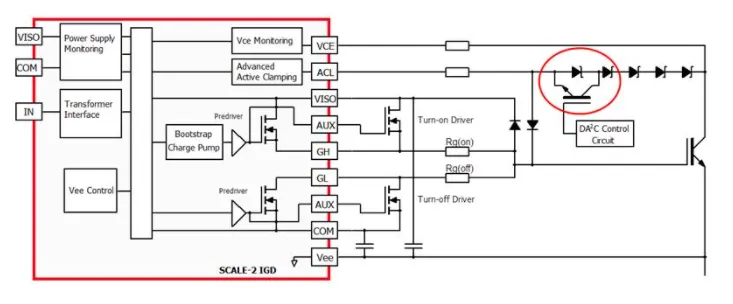
Explains cost?optimized driver designs using Power Integrations' SCALE/SCALE-2 gate drivers and the Dynamic Active Clamp (DAC) for overvoltage protection in solar inverters.
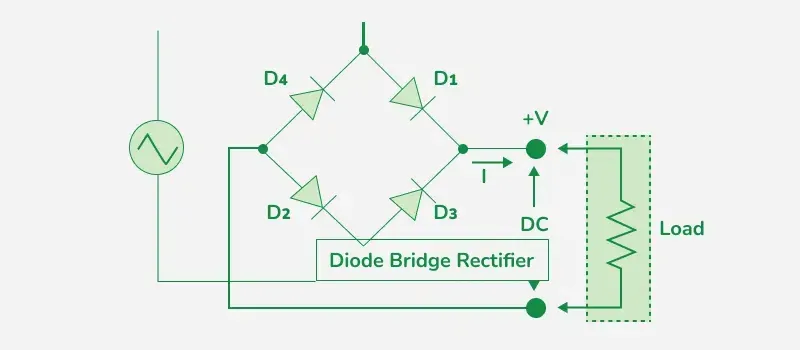
Overview and diagnostic guide for delta bridge rectifiers: operation, step-by-step multimeter diode tests, common failure modes and impacts, and three-pin vs four-pin wiring notes.
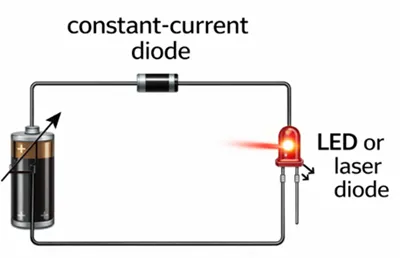
Technical overview of current limiters: uses, circuit principles, filtering and EMC concerns, and practical methods to adjust, bypass, or disable current limiting.
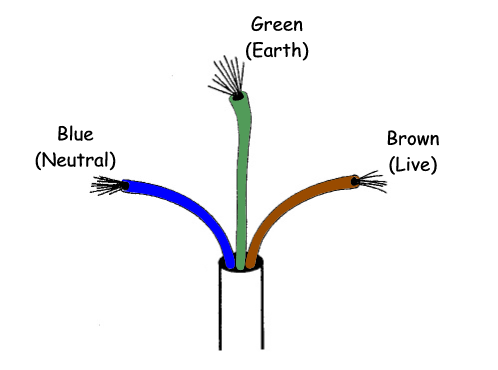
Explains why a dedicated neutral conductor and separate protective earth are required in TN-S systems, covering neutral currents, RCD function, and safety risks.
Technical analysis of high-tensile, high-elongation lithium battery copper foil: tensile strength mechanisms, microstructure control, and manufacturing/application impacts.
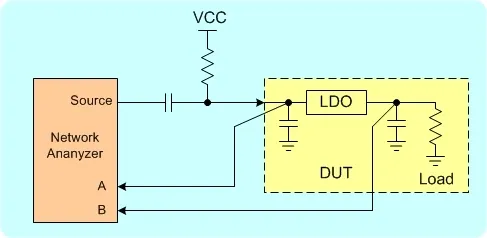
PSRR measurement guide for LDOs: defines PSRR and details input injection (summing amps, LC node, injection unit) and output measurement (oscilloscope, amplifiers, spectrum analyzer)
Technical guide to a discrete 5V switching regulator — a transistor-based buck converter for 6–15V input delivering ~100mA; includes schematic, components, and construction notes.
Semiconducting epitaxial graphene on silicon carbide introduces a bandgap, enabling ballistic transport and potential terahertz switching while remaining CMOS-compatible.
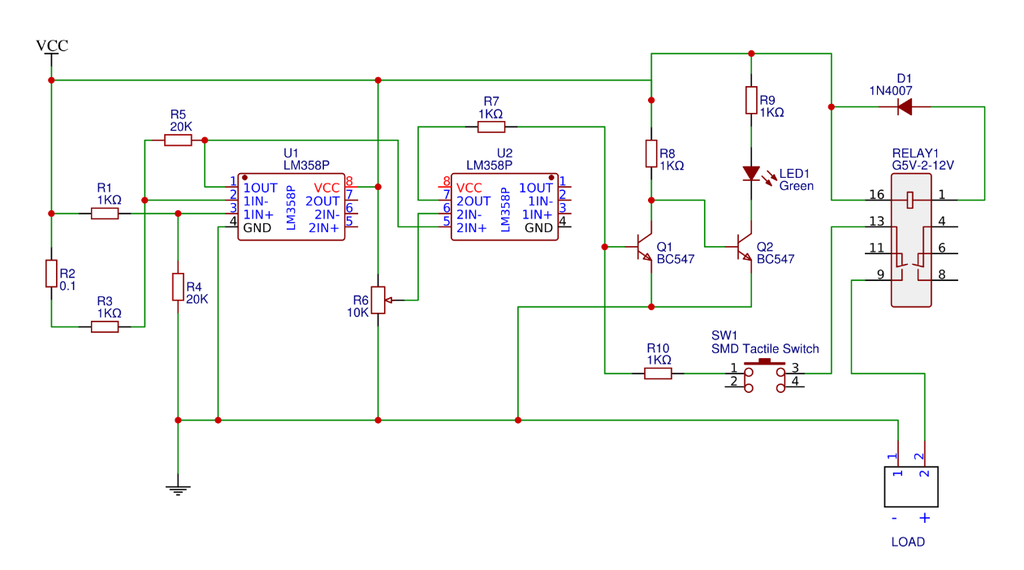
NCP380 5V current-limiting protection: set limits via R1, internal sense resistor and P-MOSFET operation, and FLAG pin overcurrent/overtemperature fault signaling.
Practical guide to power integrity for PCB design: module placement and routing, internal plane stackup and partitioning, power-supply IC layout and decoupling strategies.