 00:58
00:58
Aluminum PCB
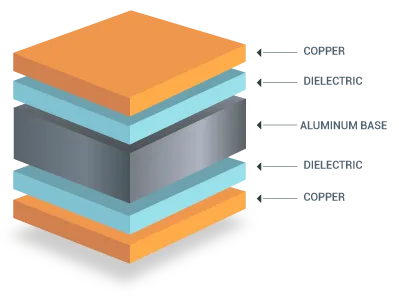
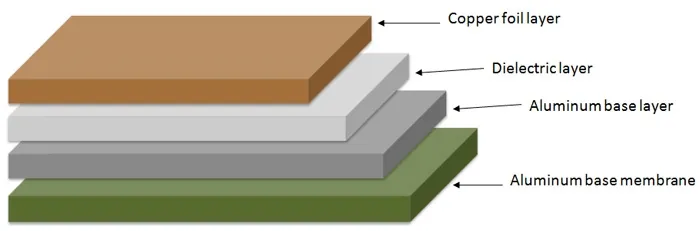
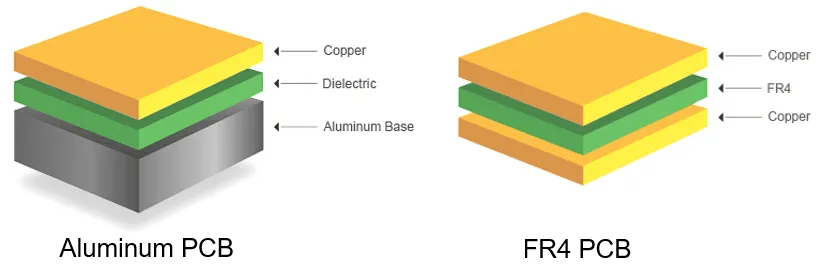
Aluminum PCBs, also known as metal core printed circuit boards, feature an aluminum substrate that enhances thermal management in electronic designs. Unlike traditional FR4 boards, these PCBs incorporate a metal base layer that efficiently dissipates heat away from critical components, making them ideal for applications where high temperatures could compromise performance or longevity. This construction typically includes a dielectric layer for insulation and a copper circuit layer for conductivity, resulting in superior heat transfer rates that can exceed those of standard materials by several times. For engineers and designers searching for solutions to thermal challenges, Aluminum PCBs offer a reliable way to maintain component stability in demanding environments, reducing the risk of failures and extending device lifespan. The primary advantage of Aluminum PCBs lies in their ability to handle high-power densities, which is crucial in industries such as LED lighting, automotive electronics, and power conversion systems. In LED applications, for instance, they prevent overheating that could dim brightness or shorten bulb life, while in automotive contexts, they support robust performance under varying thermal loads. Users often seek these boards for their cost-effectiveness compared to other metal cores like copper, combined with lightweight properties that facilitate easier integration into compact designs. Best practices include selecting the appropriate dielectric thickness to balance insulation and heat conduction, and ensuring proper surface mounting techniques to optimize thermal paths. By addressing these factors early in the design phase, professionals can achieve better efficiency and reliability in their projects. For those delving deeper into Aluminum PCB implementation, our collection of articles provides detailed guidance on fabrication processes, material comparisons, and case studies from real-world deployments. Reviewing these resources can help refine your approach, whether you're prototyping a new high-heat circuit or troubleshooting existing thermal issues in electronic assemblies.
Video Guide
Technical Articles
Pros and Cons of Aluminum PCBs
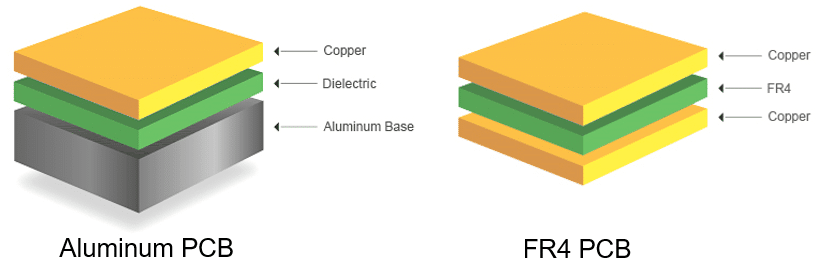
Aluminum vs FR4 PCB Material Which One is Better for Your Design?
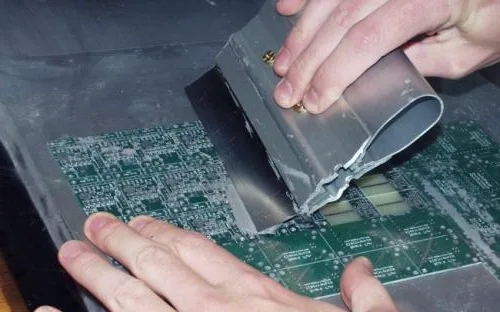
Step by Step: Reflowing SMT Components on Aluminum PCBs for Beginners
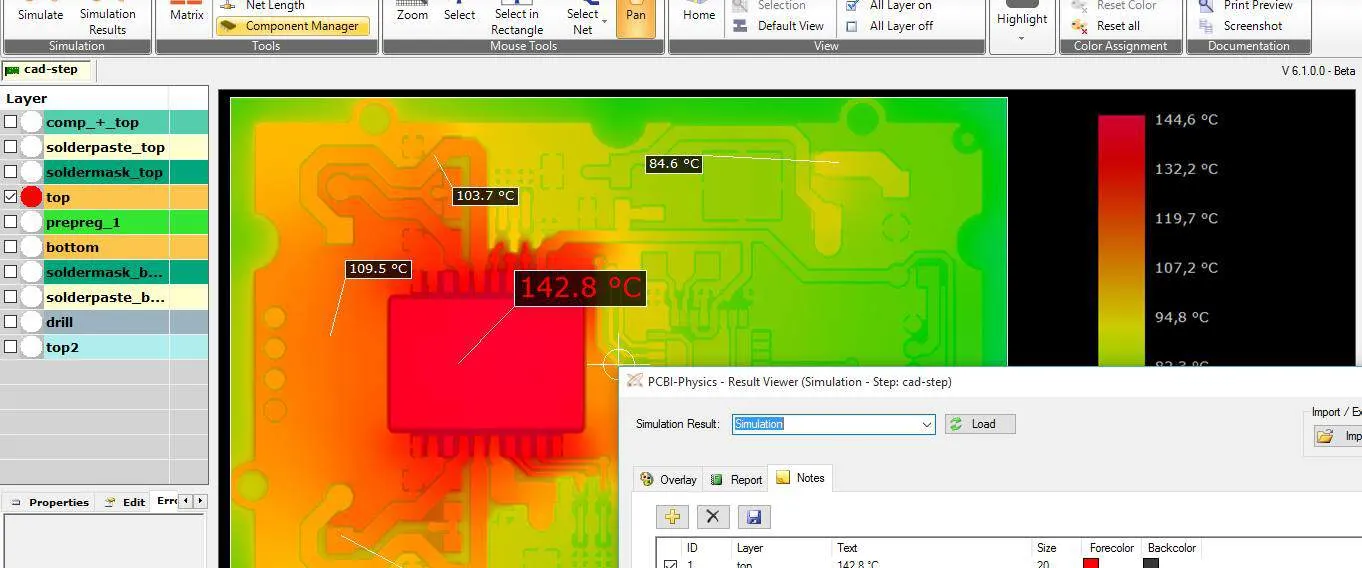
Design Considerations for Aluminum PCBs in Power Electronics
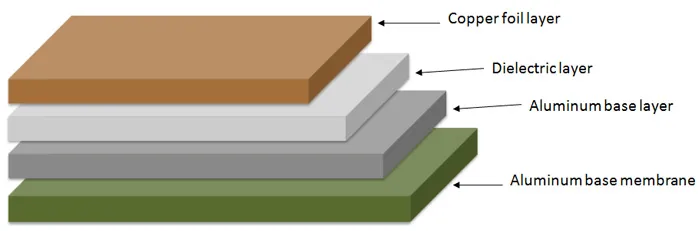
Step by Step: Aluminum PCB Manufacturing Process Explained
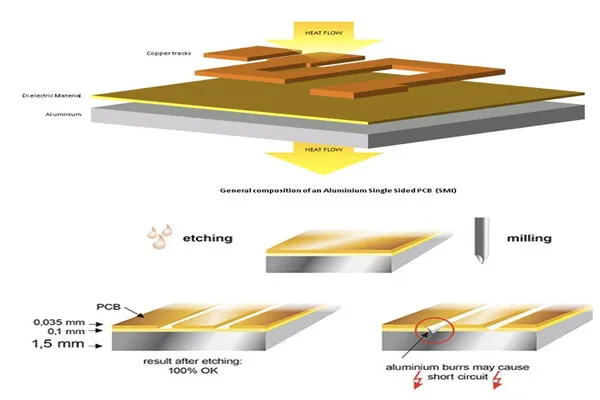
Aluminum PCB Structure Design Guide: Mastering Stackup & Thermal Basics
Metal Core PCB Materials: Choosing the Right Metal for Your Application
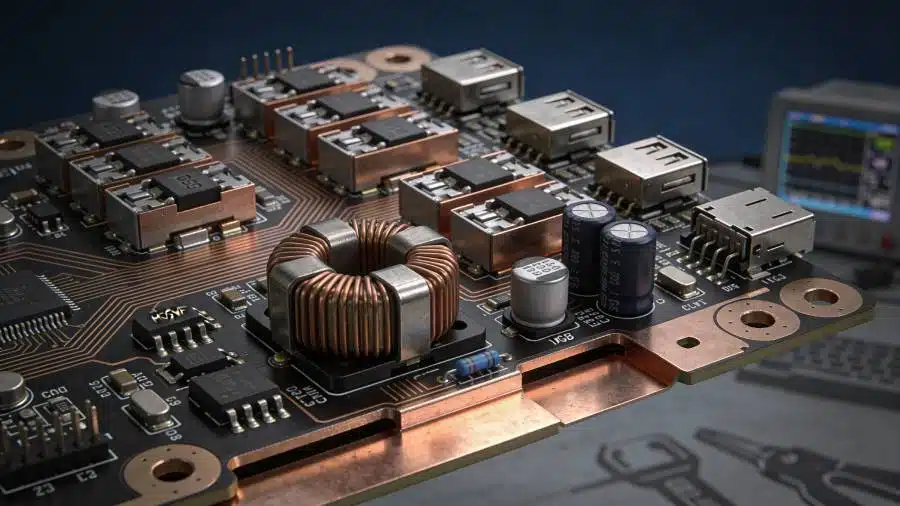
The Role of Metal Core PCBs in Power Supplies: Ensuring Efficiency and Stability
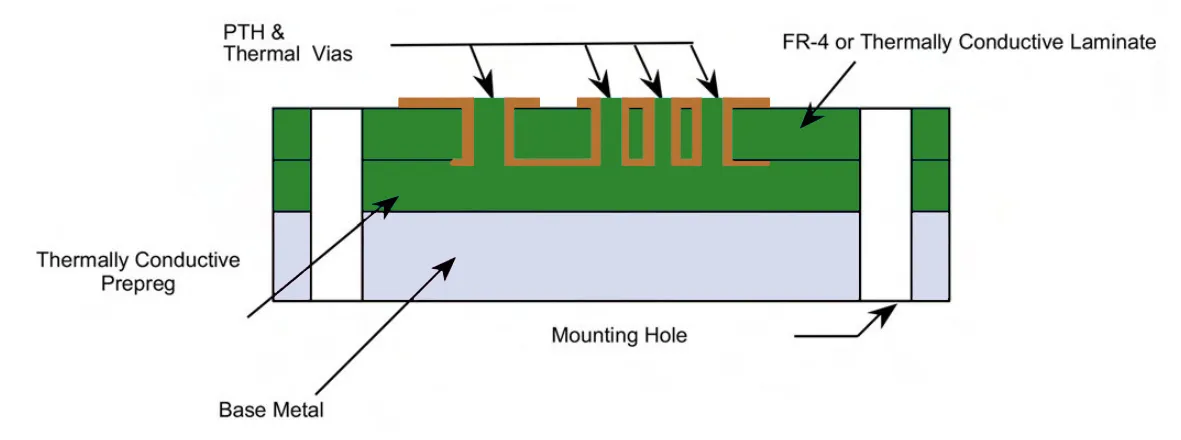
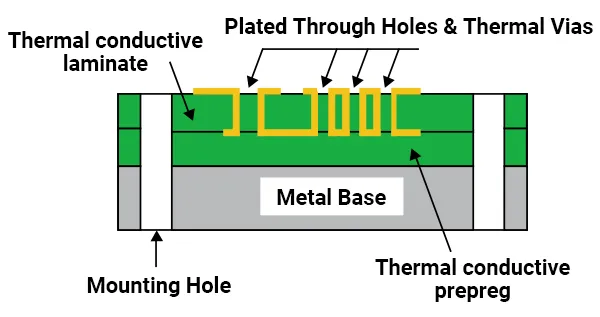
Aluminum PCB Thermal Vias: Design Rules and Best Practices
Cost Analysis: Aluminum PCBs vs. FR 4 PCBs for High Power Applications
Aluminum PCB Manufacturing Defects: Identification, Prevention, and Solutions
Aluminum PCBs: Thermal Management for High Power Electronics
MCPCB Manufacturing Process: A Step by Step Guide from Design to Assembly
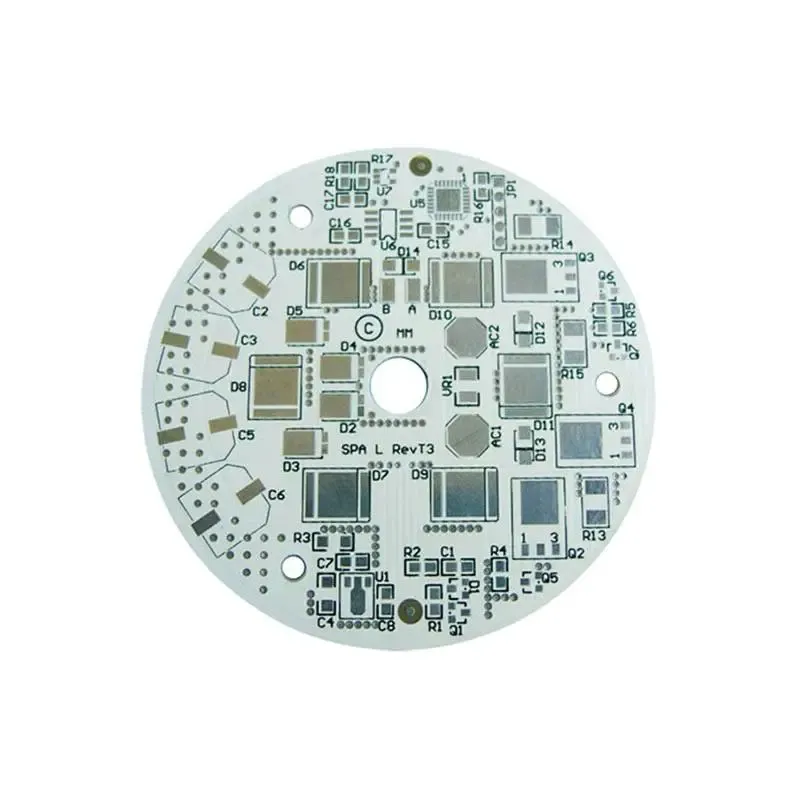
Soldering Aluminum PCBs: A Comprehensive Guide for Robust Connections
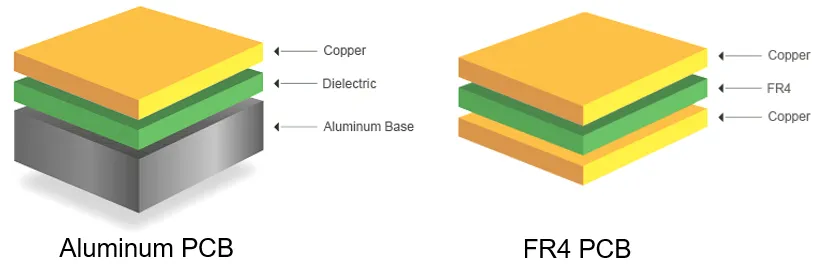
FR4 vs Aluminum PCB: Which Is Better for Thermal Management?
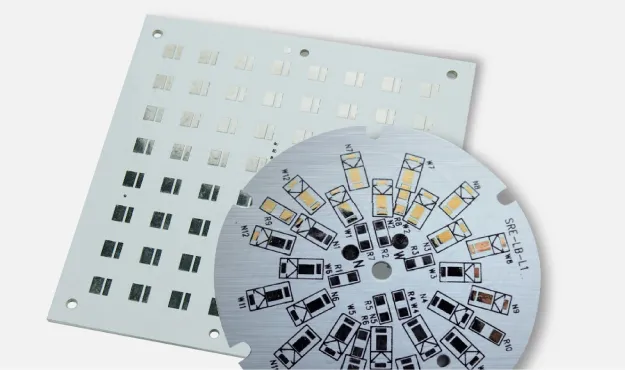
How to Choose the Right Thickness for Your Metal Core PCB
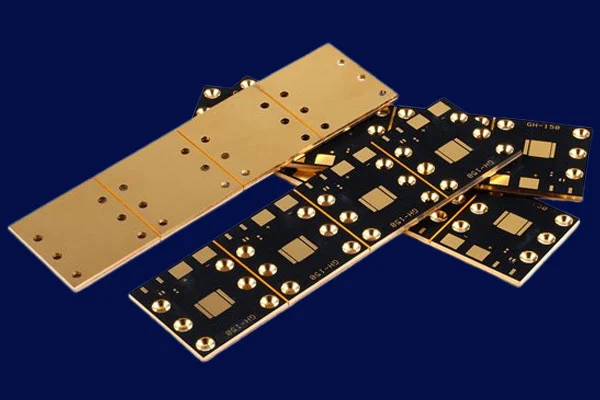
Metal Core PCBs: Enhancing Heat Dissipation with Double Sided Designs
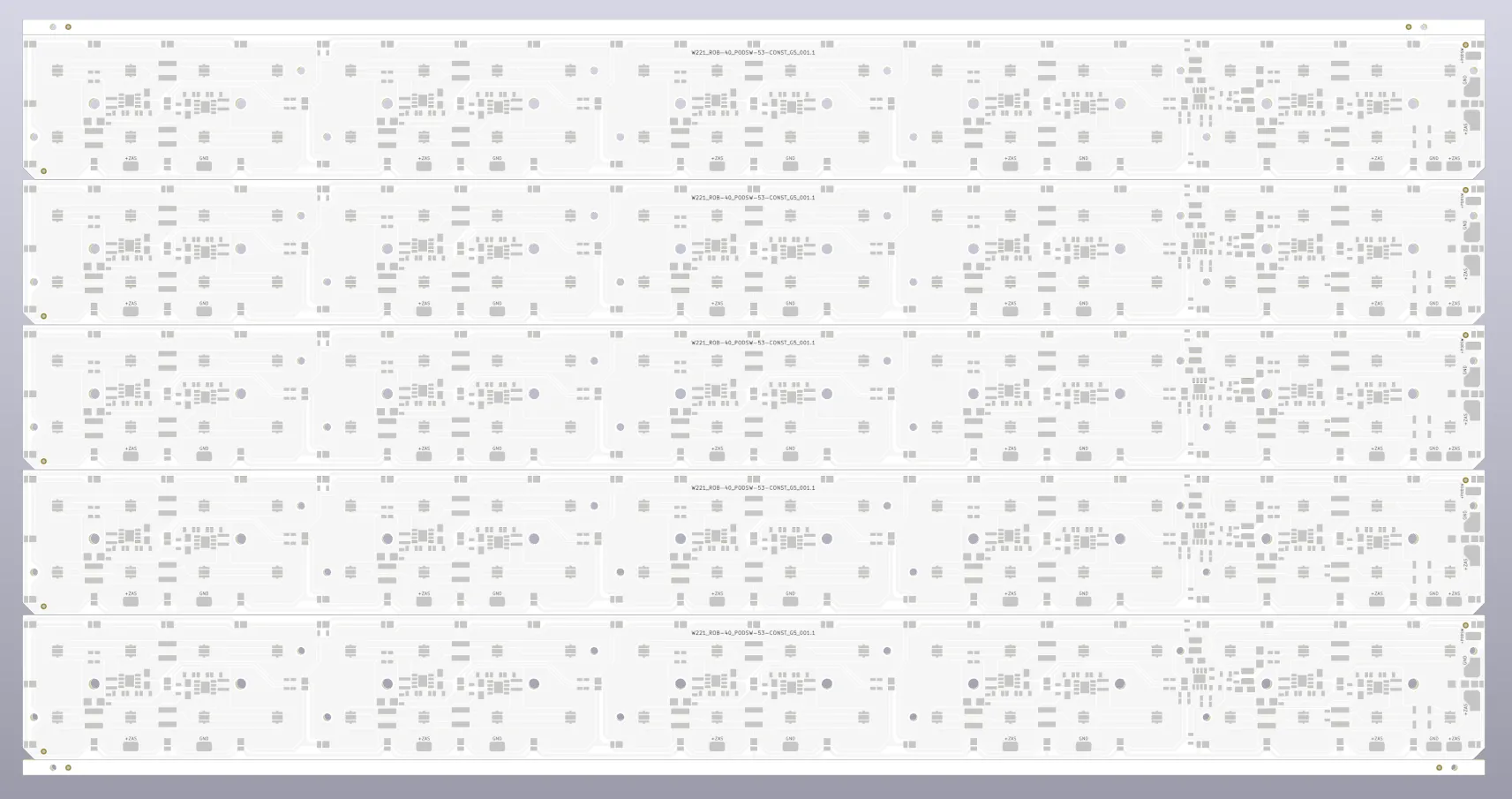
Common Manufacturing Issues in HASL and OSP Aluminum PCB Design
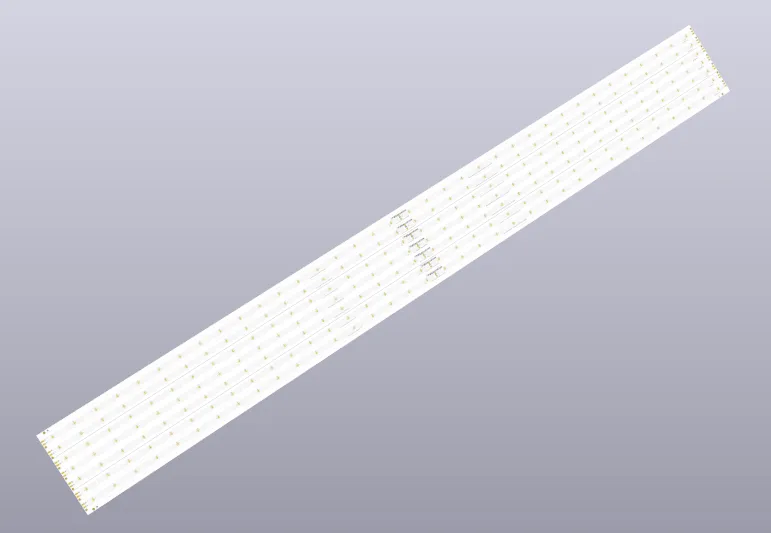
Why Extra Long Aluminum PCBs Trigger EQs: Common DFM Issues & Fixes