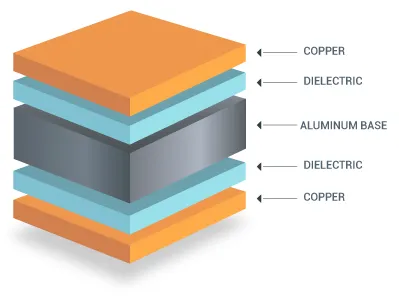
MCPCB
Metal Core Printed Circuit Boards (MCPCBs) represent a specialized category of PCBs designed to address the challenges of heat dissipation in high-power electronic applications. Unlike traditional FR4 boards, MCPCBs incorporate a metal substrate, typically aluminum or copper, which acts as an efficient heat sink to draw thermal energy away from sensitive components. This construction is particularly valuable in industries such as LED lighting, automotive electronics, power supplies, and renewable energy systems, where excessive heat can compromise performance, reliability, and lifespan. For engineers and designers searching for MCPCB solutions, understanding the core advantages is essential. These boards excel in thermal management by providing superior conductivity, often reducing operating temperatures by 20-50% compared to standard PCBs. This not only enhances efficiency but also allows for denser component layouts without the risk of overheating. Practical applications include high-brightness LED arrays, motor controllers, and RF amplifiers, where maintaining thermal stability is critical. When selecting an MCPCB, consider factors like dielectric layer thickness, which influences electrical isolation and heat transfer rates, and ensure compatibility with your assembly processes, such as soldering or mounting techniques. Best practices for implementing MCPCBs involve thorough thermal modeling during the design phase to optimize layer stackups and via placements. For instance, incorporating thermal vias can further improve heat flow, while choosing the right metal core thickness helps balance weight and cost. If you are troubleshooting common issues like delamination or poor adhesion, our collection of articles delves into fabrication methods, material selections, and case studies from real-world projects. Browsing these resources can provide deeper insights into integrating MCPCBs effectively into your designs, helping you achieve robust, high-performance electronics.
Video Guide
No videos found for this tag.
Technical Articles
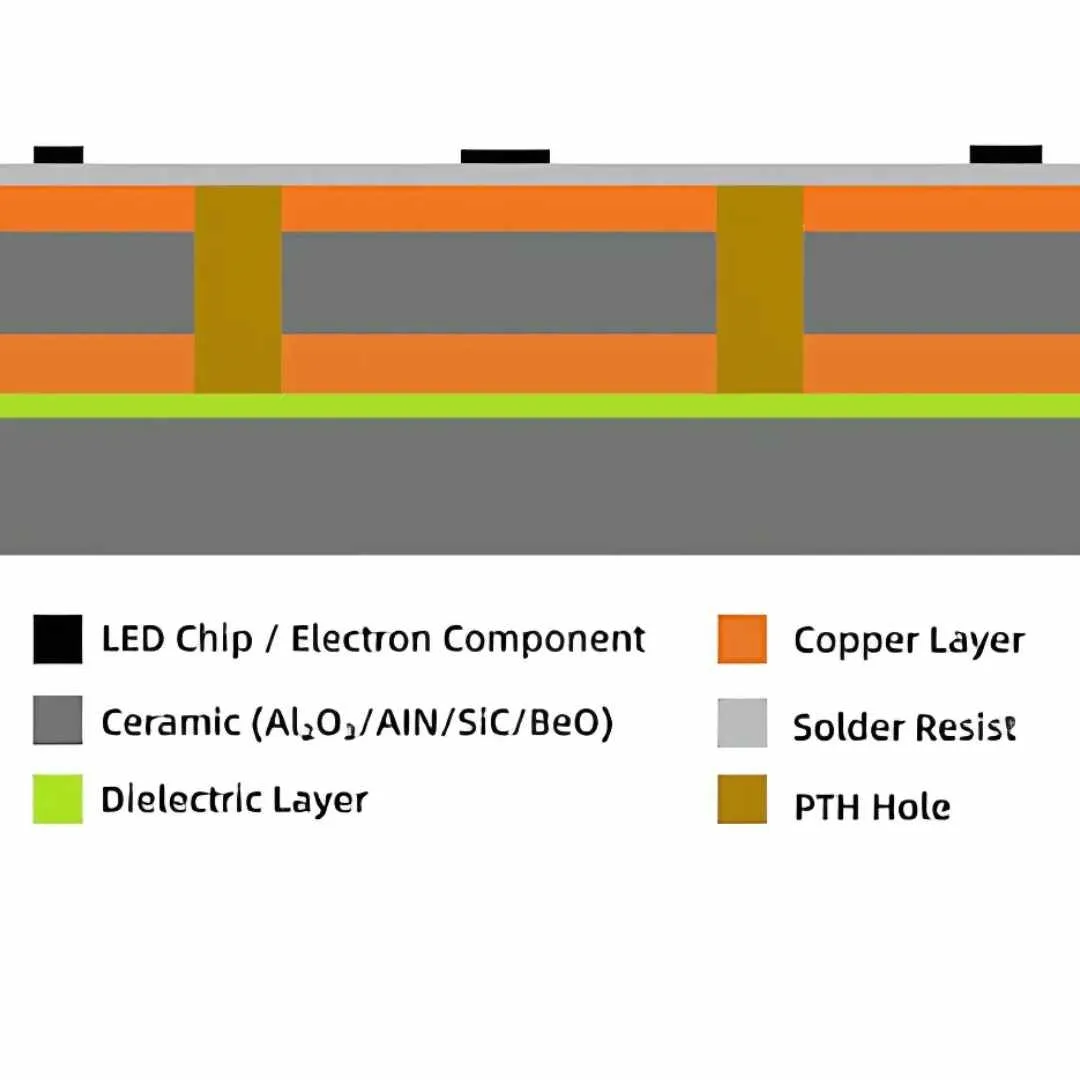
Beyond Aluminum: Exploring Advanced Materials for High-Power LED PCBs
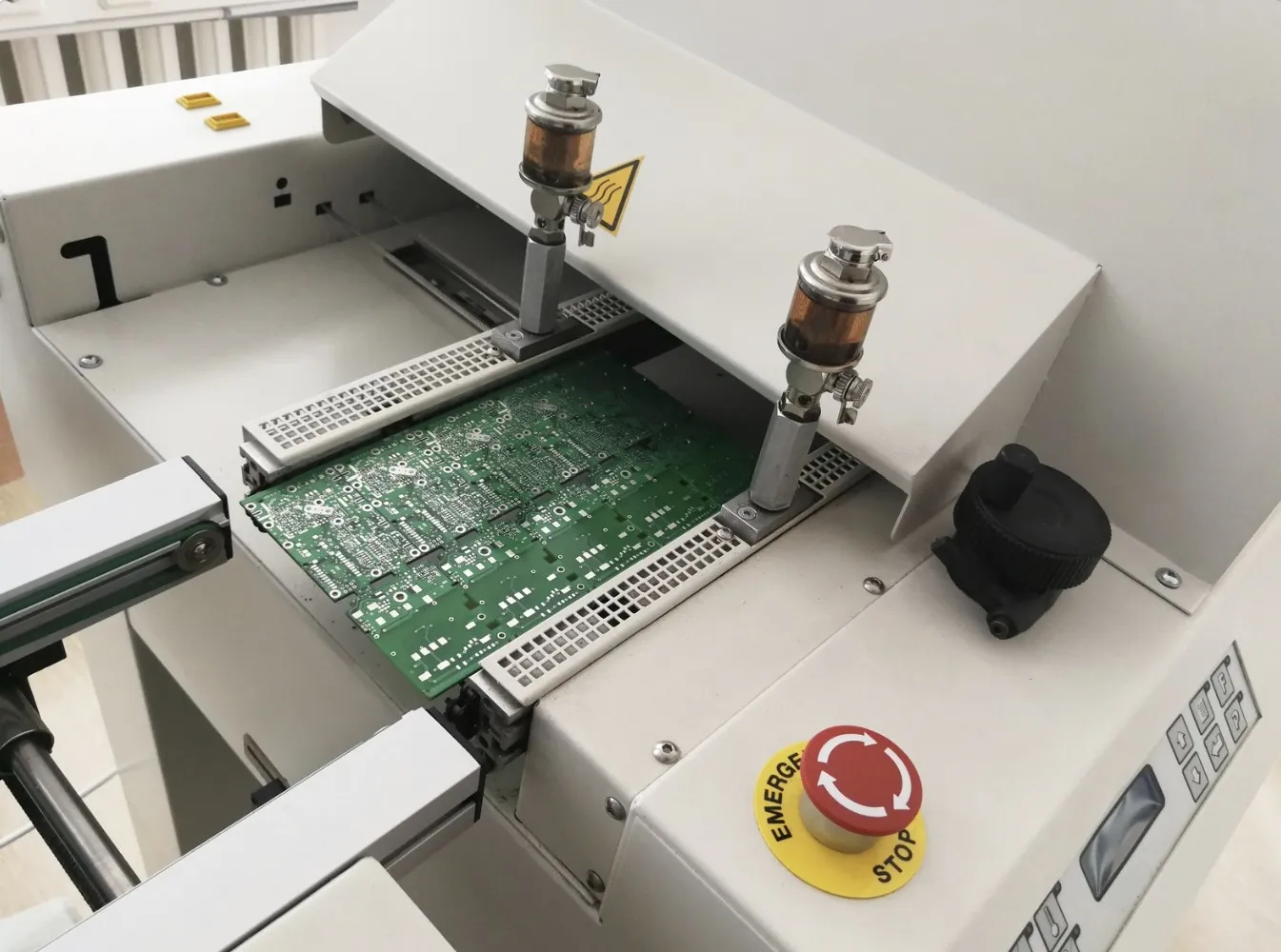
Troubleshooting Metal Core PCB Manufacturing Defects: A Practical Guide
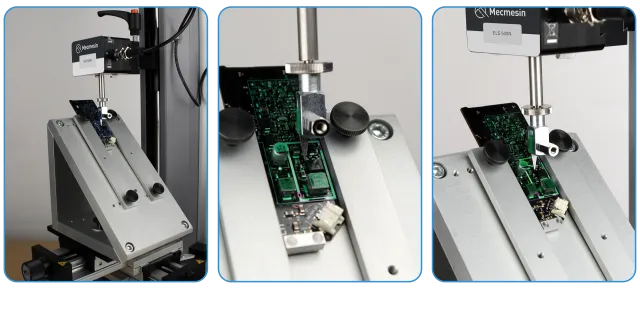
The Impact of MCPCB Thickness on Thermal Performance and Mechanical Stability
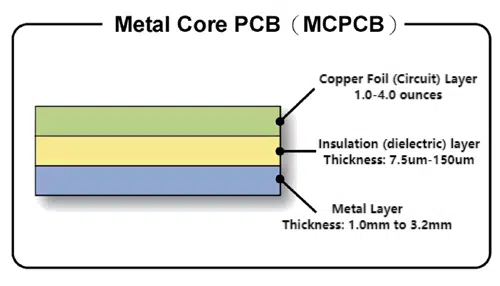
Overcoming Manufacturing Challenges in High Density MCPCB Designs
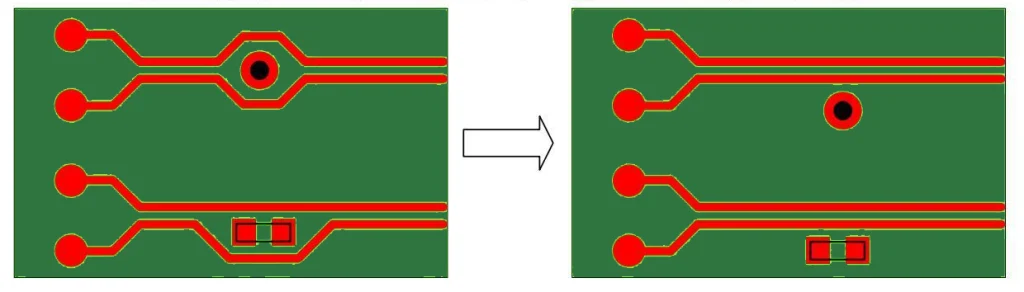
Mastering Metal Core PCB Routing: Tips and Tricks for Optimal Performance
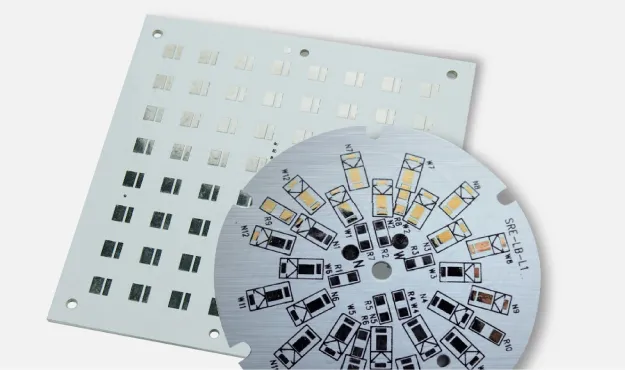
How to Choose the Right Thickness for Your Metal Core PCB
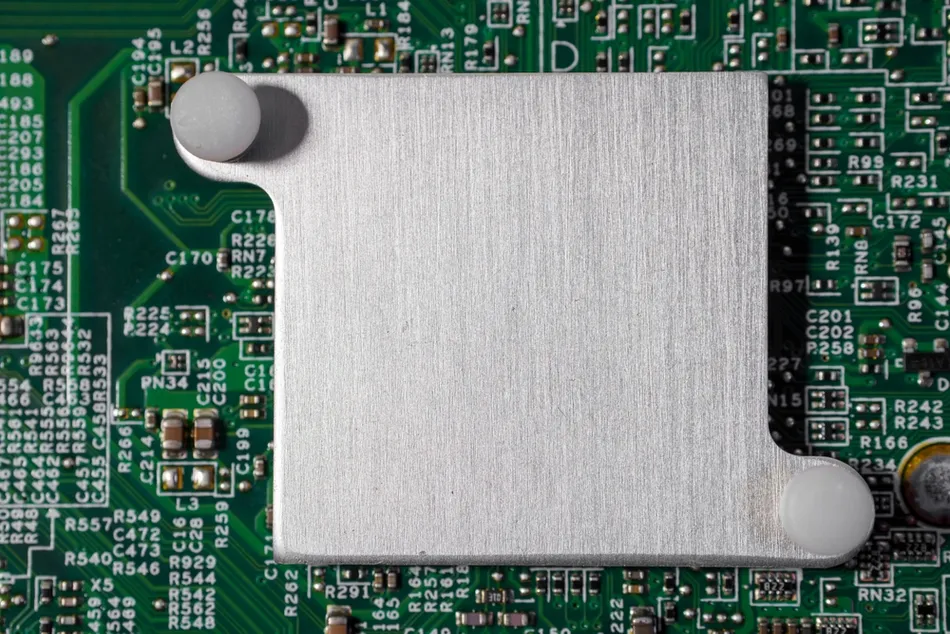
The Impact of Dielectric Material on Metal Core PCB Thermal Performance
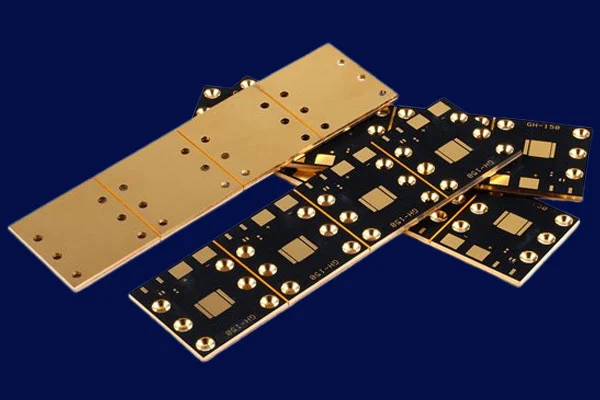
Metal Core PCBs: Enhancing Heat Dissipation with Double Sided Designs
Get in Touch
Send Message
- Products & Service
- Company
- About AIVON
- Contact
- News
- Blog
- Certification
-


- Payment
-


2026 AIVON.COM All Rights Reserved