01:03
01:03
PCB Prototype
PCB prototypes serve as the foundational step in electronics development, allowing engineers, designers, and hobbyists to test and refine circuit designs before full-scale production. A PCB prototype is essentially a preliminary version of a printed circuit board, fabricated to validate functionality, identify design flaws, and ensure compatibility with components. For those searching for PCB Prototype resources, this tag aggregates essential information on rapid prototyping techniques, from initial schematic capture to assembly and debugging. Understanding these processes can significantly reduce time to market and minimize costly revisions in later stages. Key aspects covered here include selecting the right prototyping methods, such as single-sided or multilayer boards, and leveraging tools like CAD software for efficient layout. Practical applications range from consumer electronics to industrial automation, where prototypes help in iterating designs for optimal performance and reliability. Best practices emphasize thorough testing protocols, including electrical continuity checks, thermal analysis, and signal integrity verification, which are crucial for avoiding common pitfalls like short circuits or electromagnetic interference. By delving into the content under this tag, readers can gain actionable insights into cost-effective prototyping strategies, such as using online fabrication services for quick turnaround or DIY etching methods for small-scale projects. These resources also explore advancements in materials and manufacturing, like flexible PCBs for wearable tech, providing a comprehensive view that supports informed decision-making. Whether you are prototyping a simple sensor circuit or a complex embedded system, the articles here offer step-by-step guidance to enhance your workflow and achieve successful outcomes.
Video Guide
-
01:03
-
 00:40
00:40
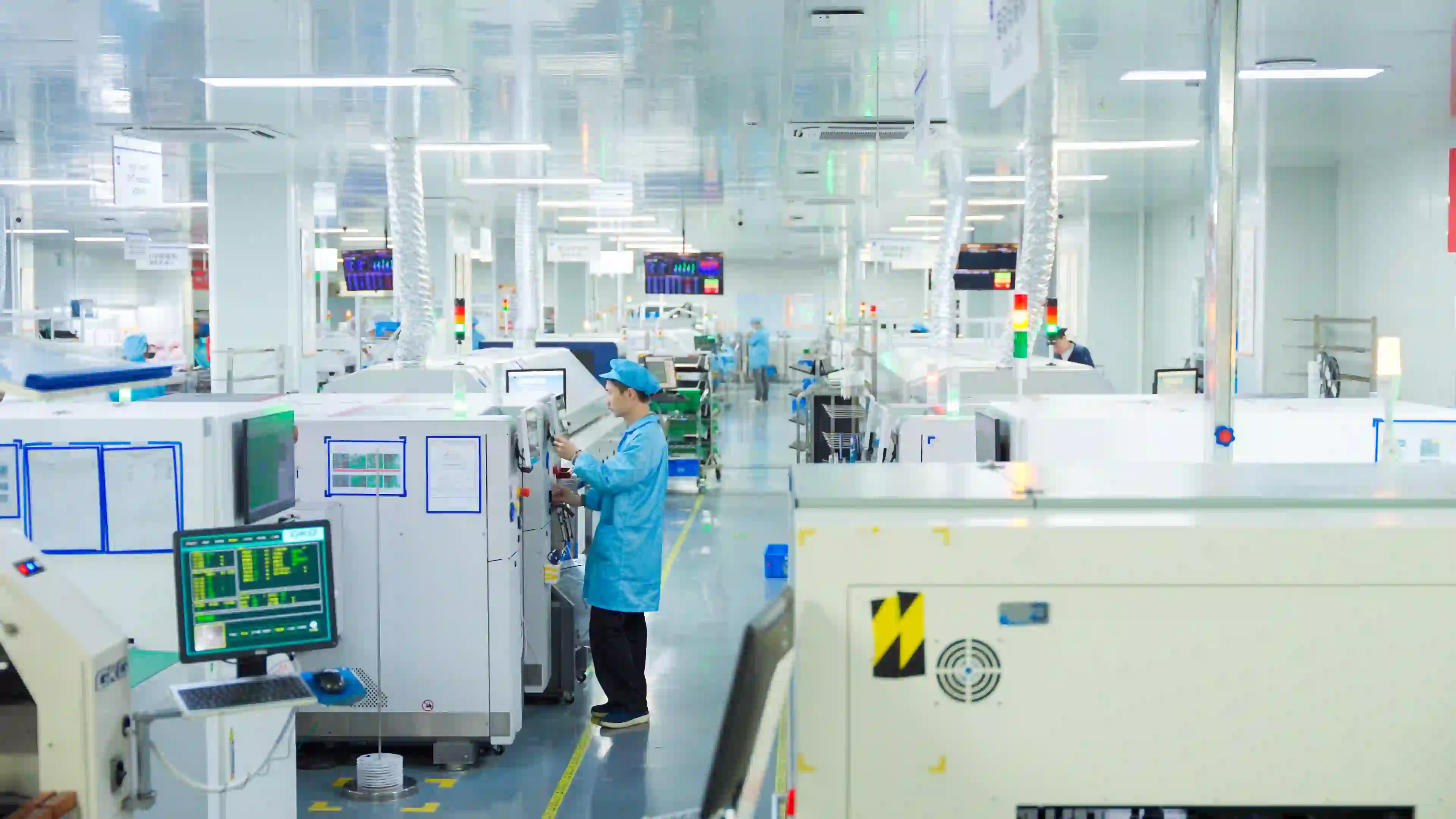
Build Your PCB at AIVON: Precision Manufacturing Process from Imaging to Final Test
-
 00:49
00:49
PCB Promotion Campaign: Launch Your First Prototype with AIVON
-
 01:21
01:21
Fast PCB Prototyping: Bring Your Ideas to Life
-
 02:13
02:13
PCB Prototype to Production Video: Seamless Transition from Design to Reliable Boards
Technical Articles
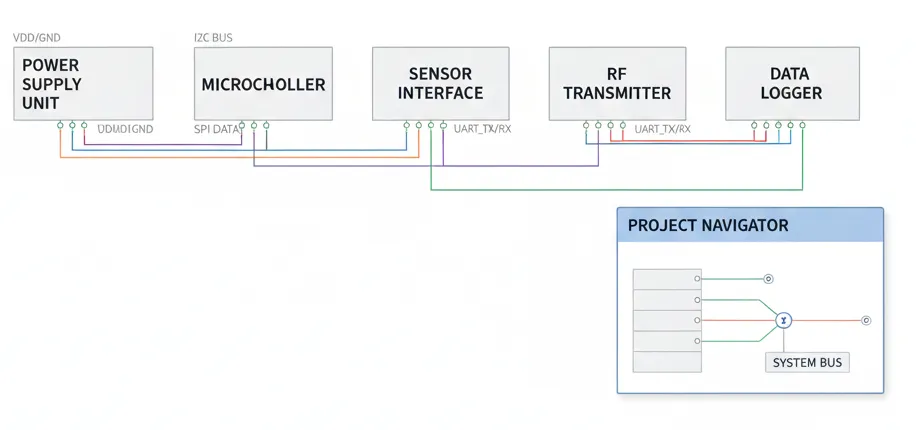
KiCad Finally Supports Flat (Tiled) Schematic Structure!
Build Your Own AI Accelerator: A Hobbyist's Custom PCB Guide
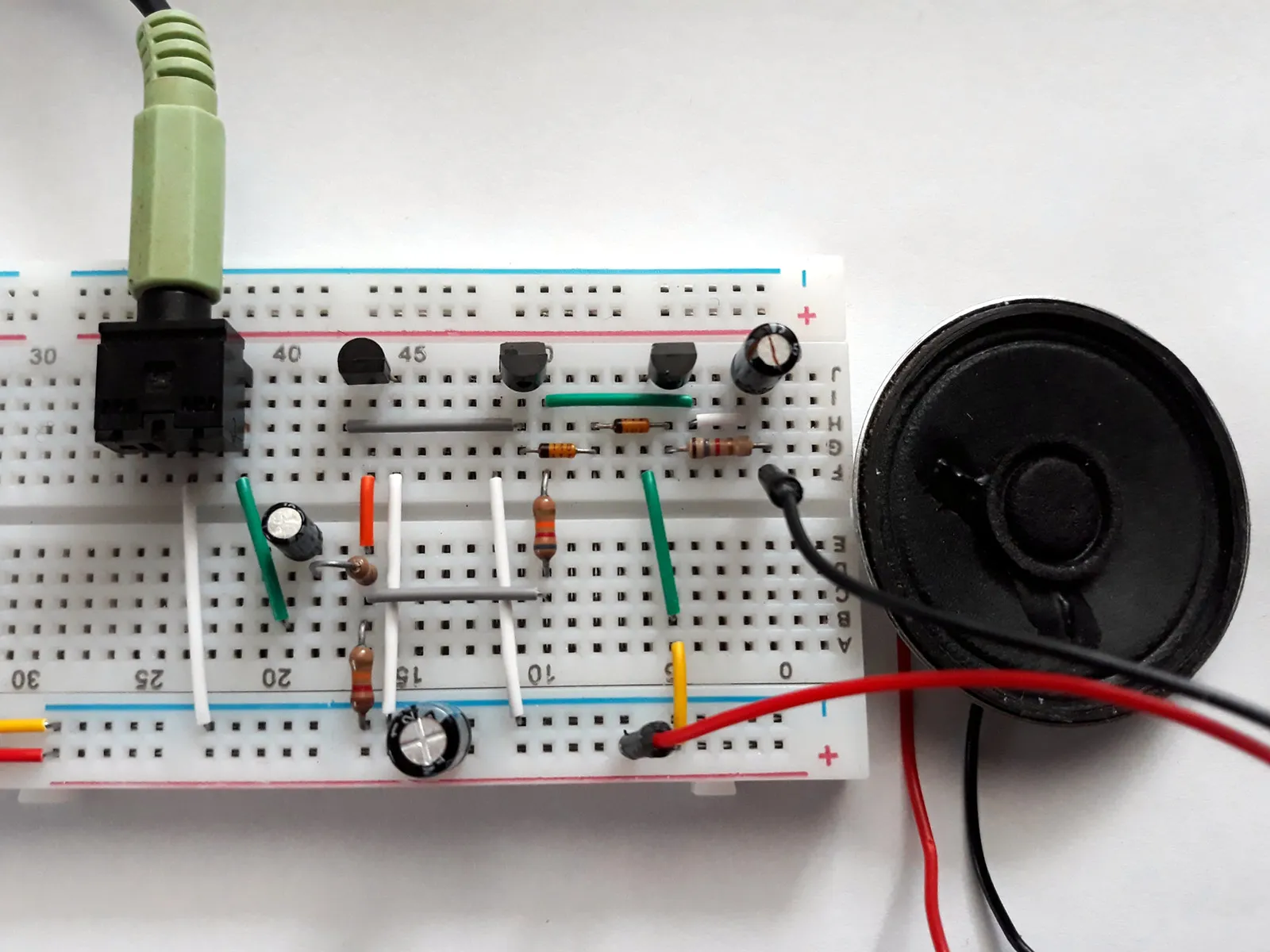
Fast & Efficient Audio Amplifier PCB Prototyping Methods
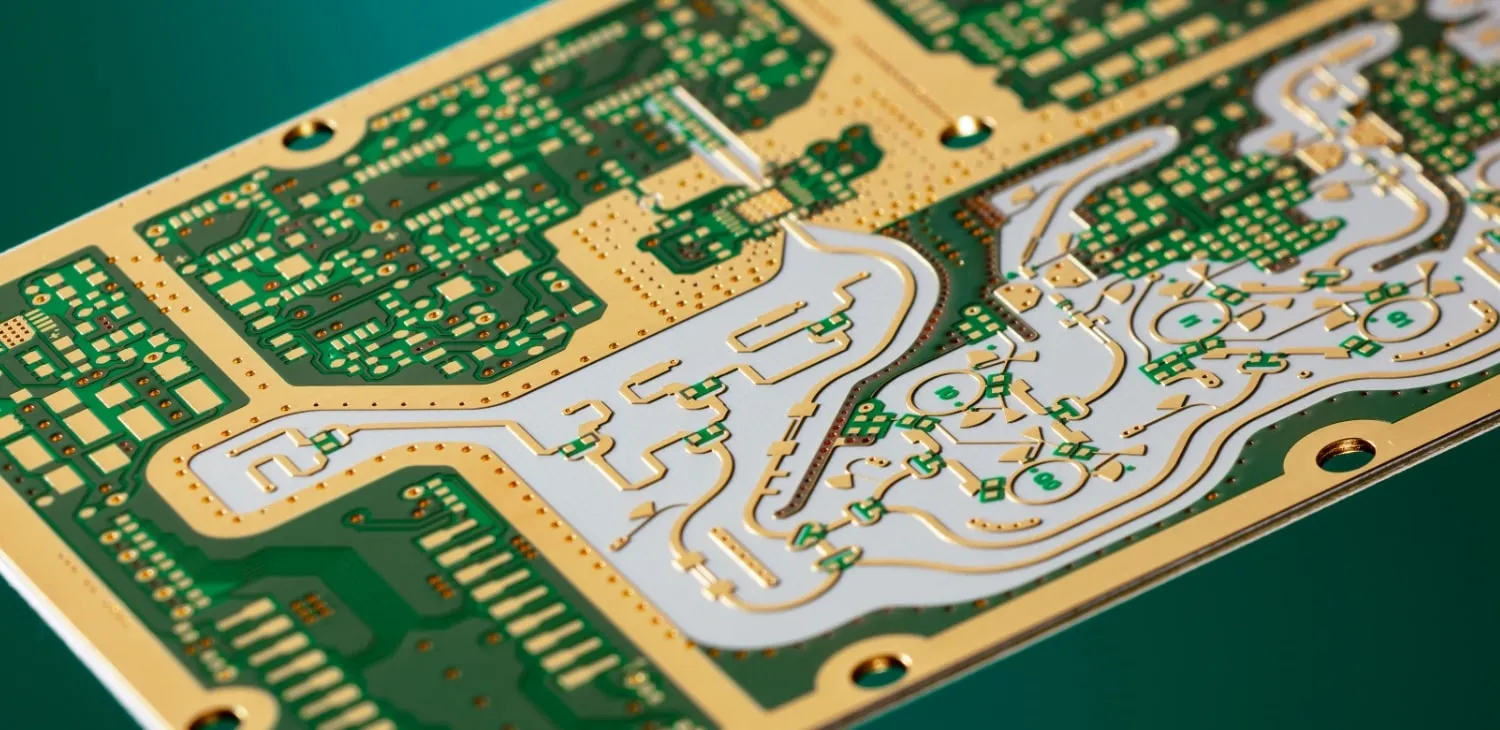
Prototyping with Rogers PCB: Fast and Reliable for Cutting-Edge Designs

Enhancing Audio Quality: An Electrical Engineer's Guide to DSP Noise Cancellation
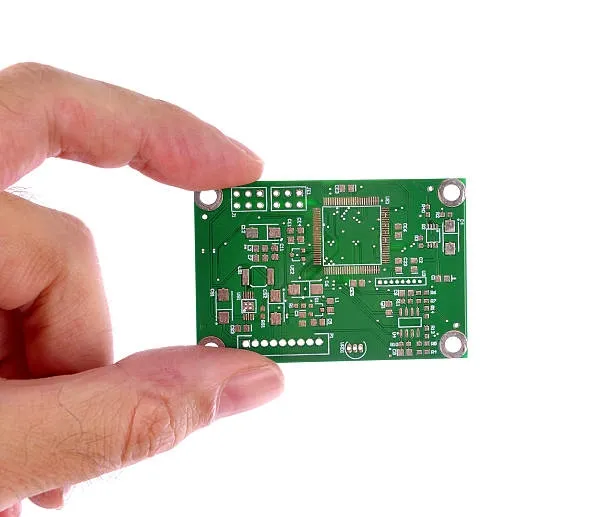
Understanding Mouse Bites: A Key to Efficient PCB Manufacturing
Ensuring Compliance: A Guide to Regulatory Standards for PCB Prototypes

What Is an Inverter? How It Works
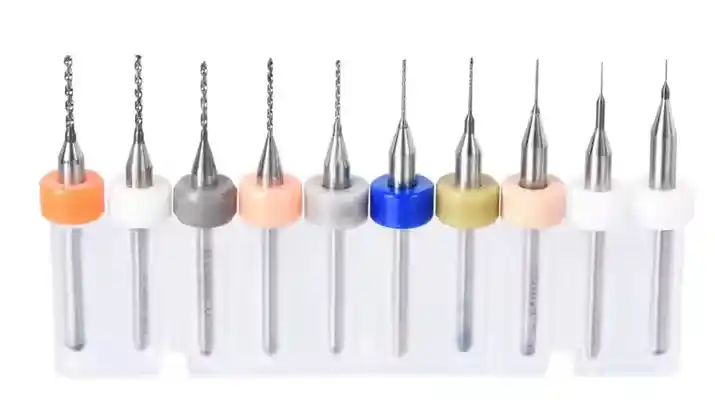
Simple Techniques for Accurate PCB Drilling at Home
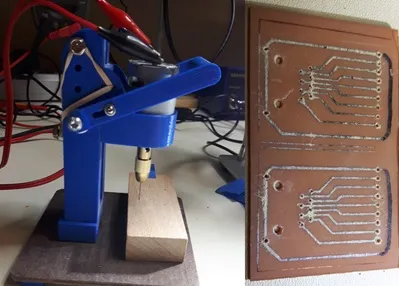
DIY PCB Drilling: A Beginner's Guide to Mechanical Methods

Bluetooth Origins and Evolution
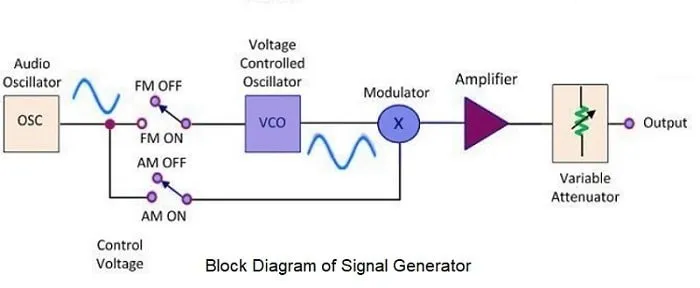
Types and Uses of Signal Generators
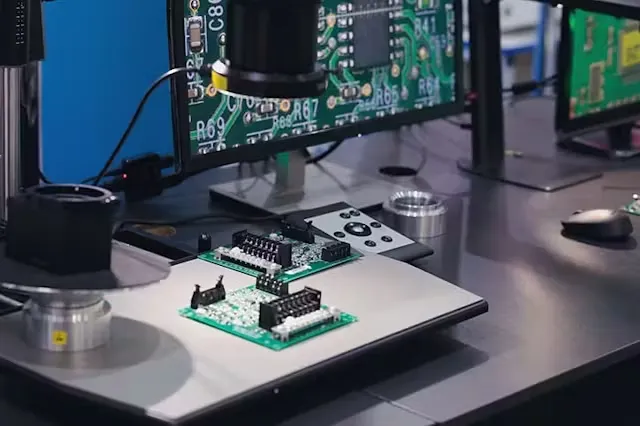
PCB Manufacturing for Beginners: A Step by Step Guide to Getting Your Boards Made
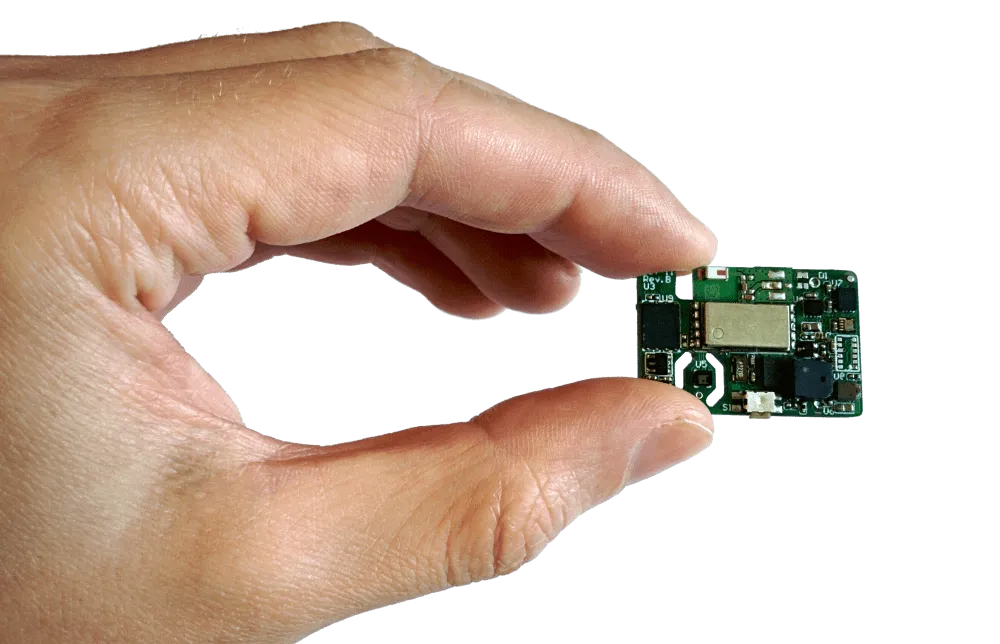
Small Batch PCB Manufacturing: Revolutionizing Rapid Prototyping for IoT Devices
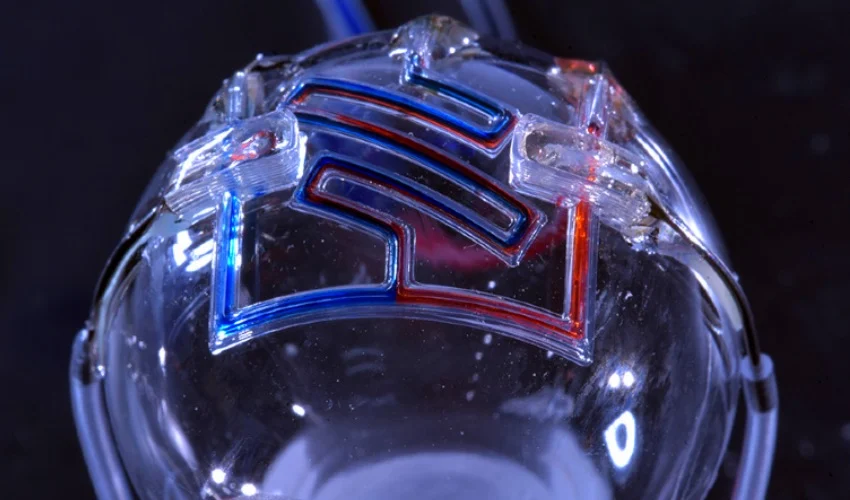
3D-Printed Flow Sensor for Microfluidic Applications
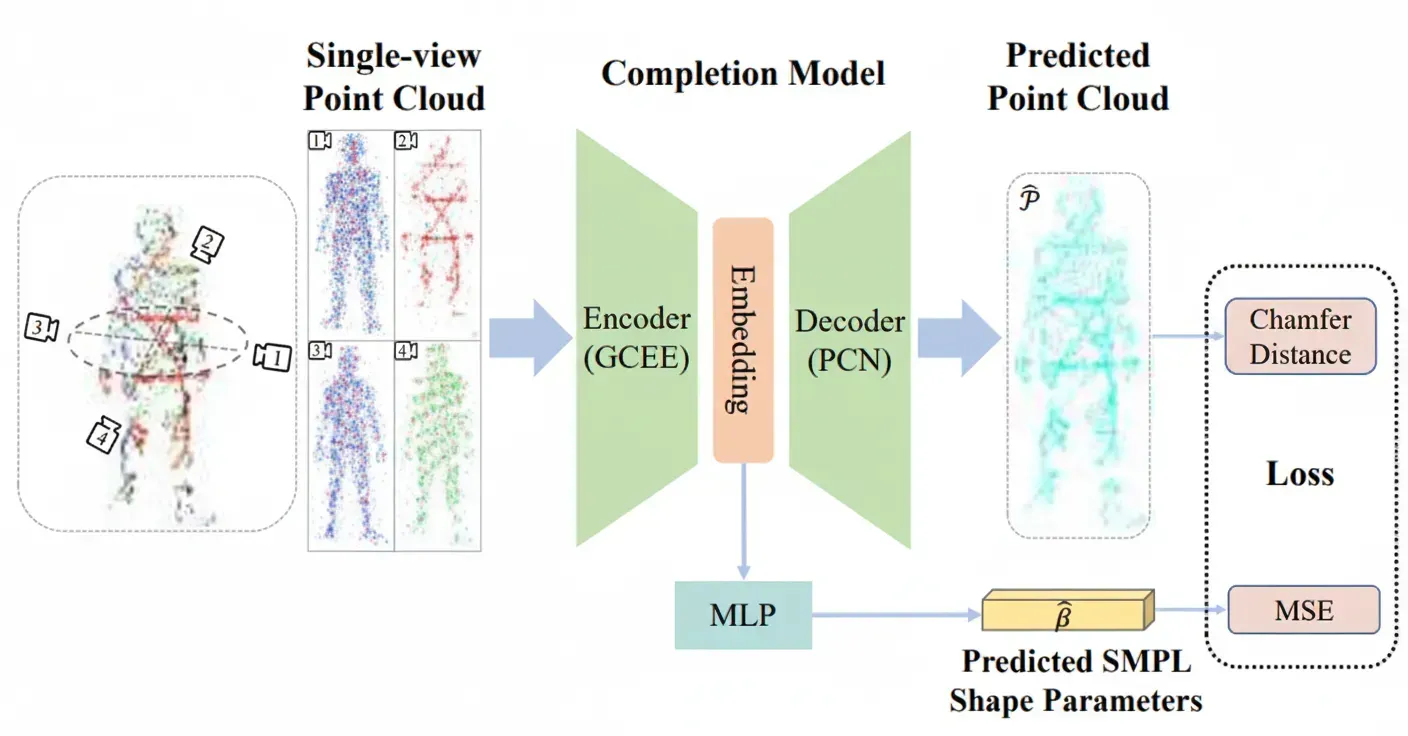
LiDAR-based Pedestrian Re-identification Research Analysis
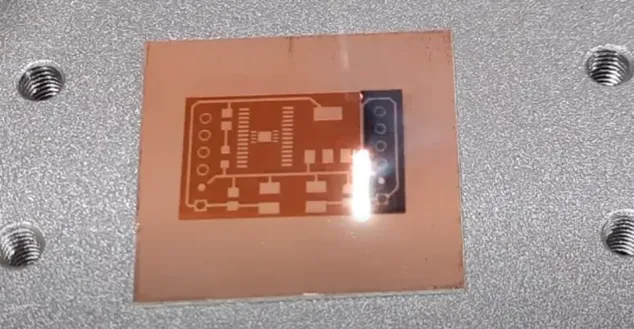
Laser PCB Etching at Home: A Complete Guide for Beginners
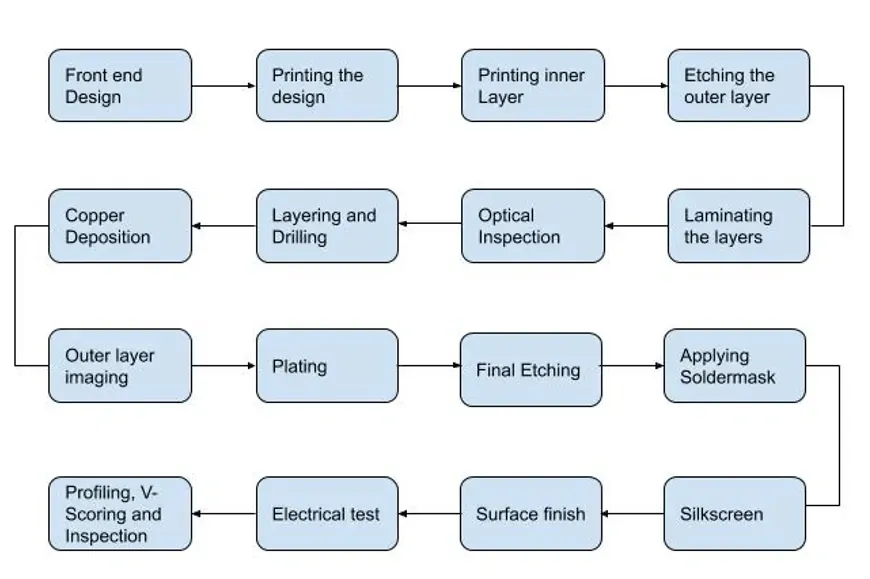
The Untapped Potential of Low Volume PCB Manufacturing for Rapid Prototyping
PCB Manufacturing Process for Beginners: From Schematic to Finished Board