Railway PCBs
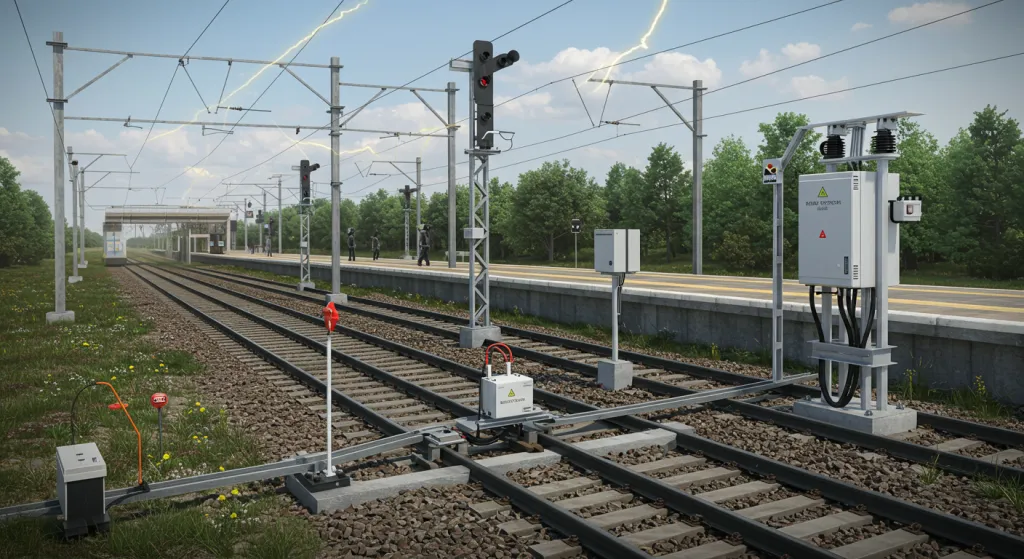
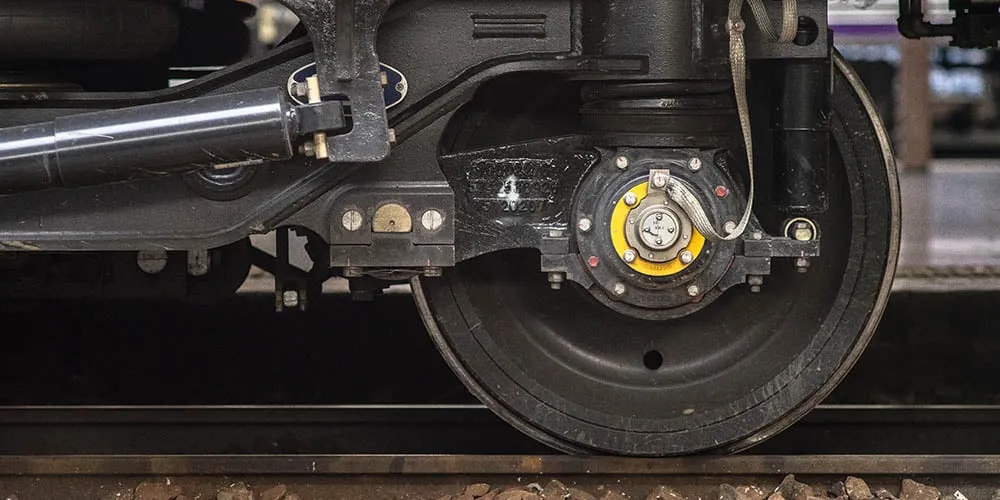
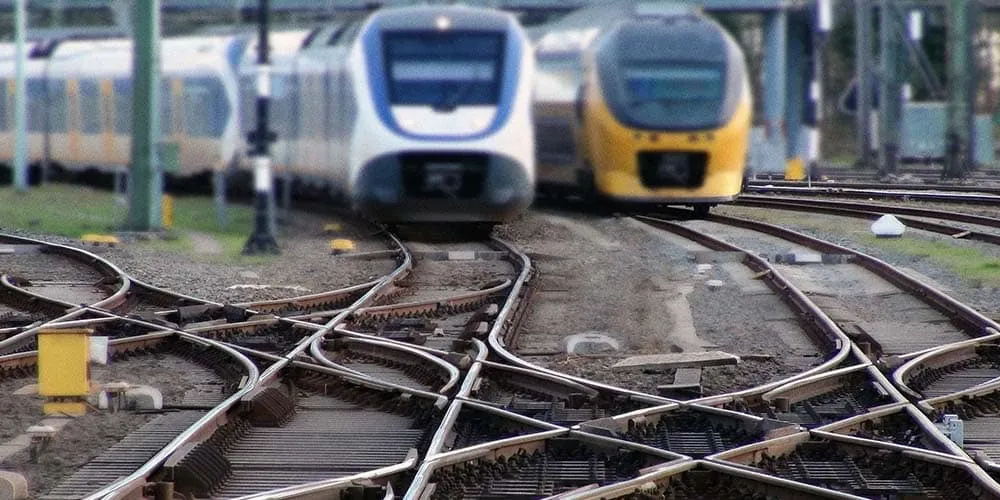
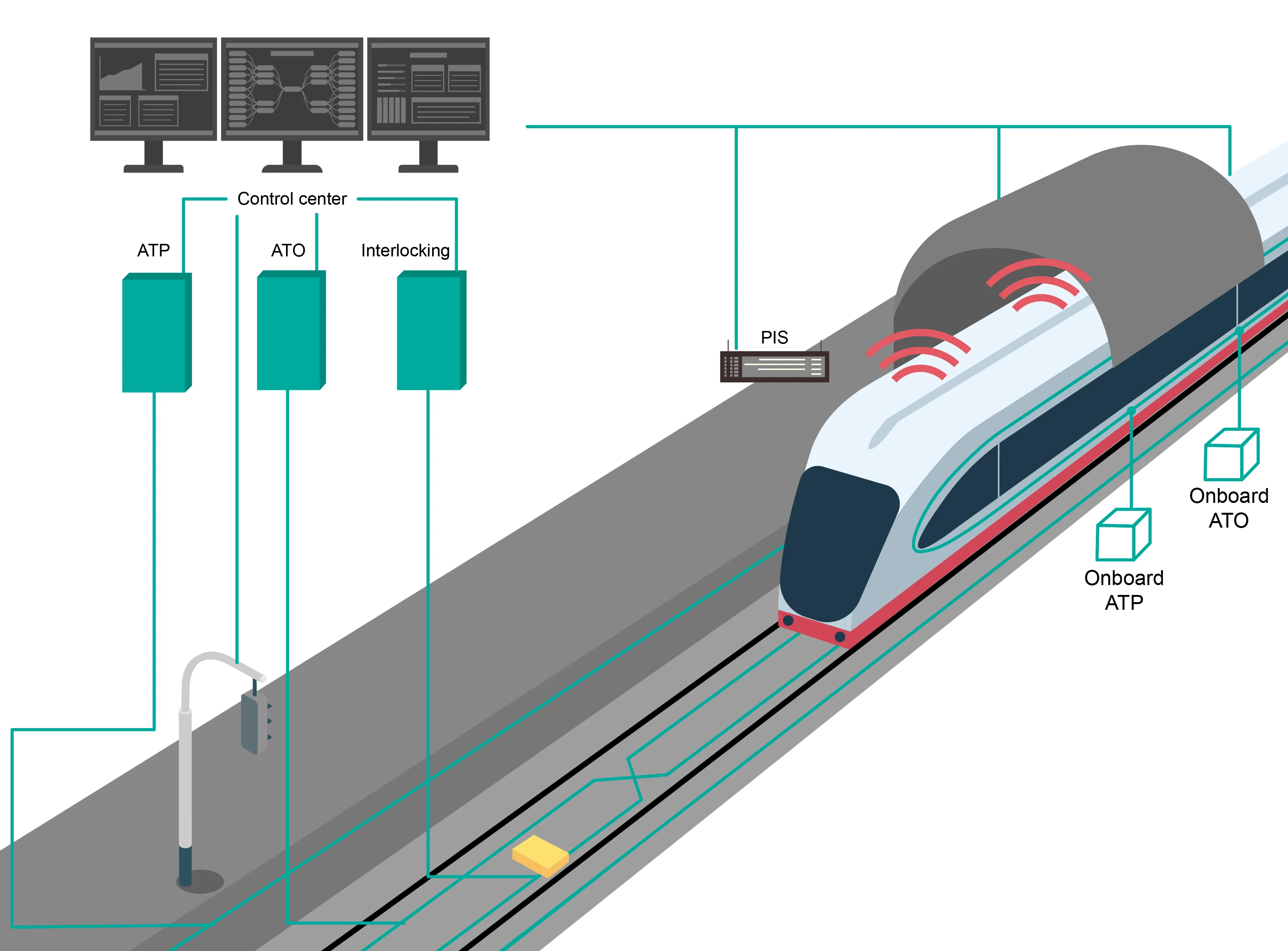
Railway PCBs play a critical role in the modern rail industry, serving as the backbone for electronic systems that ensure safe, efficient, and reliable transportation. These specialized printed circuit boards are designed to meet the unique demands of railway environments, including high-vibration conditions, extreme temperatures, and exposure to electromagnetic interference. From signaling and control systems to onboard train electronics and trackside monitoring devices, Railway PCBs must adhere to stringent standards such as EN 50155 for reliability and safety. For engineers and designers searching for insights on this topic, understanding these boards involves selecting robust materials like FR-4 or polyimide substrates that resist thermal cycling and mechanical stress, while incorporating features like conformal coatings for protection against moisture and dust. Practical applications of Railway PCBs extend to enhancing system performance and longevity. Best practices include implementing redundant circuitry to prevent failures in critical operations, optimizing layouts for signal integrity to minimize noise in high-speed data transmission, and integrating fail-safe mechanisms that comply with international regulations like those from the International Electrotechnical Commission. Professionals in the field can benefit from exploring design strategies that prioritize modularity, allowing for easier maintenance and upgrades in expansive rail networks. This approach not only reduces downtime but also supports the integration of advanced technologies such as IoT sensors for real-time monitoring and predictive maintenance. The articles under this tag provide in-depth discussions on these topics, offering guidance on prototyping, testing, and deployment of Railway PCBs in real-world scenarios. Readers interested in advancing their projects will find valuable resources on sourcing components that meet rail-specific certifications and troubleshooting common issues like solder joint fatigue in vibrating environments. By delving into these materials, you can gain the knowledge needed to develop resilient electronic solutions tailored to the railway sector's evolving needs.
Get in Touch
Send Message
- Products & Service
- Company
- About AIVON
- Contact
- News
- Blog
- Certification
-


- Payment
-


2026 AIVON.COM All Rights Reserved