 01:02
01:02
Rohs Compliance
RoHS Compliance is a critical standard in the electronics industry, governing the restriction of hazardous substances in electrical and electronic equipment. Originating from the European Union's Directive 2002/95/EC, RoHS aims to minimize environmental impact and protect human health by limiting the use of materials such as lead, mercury, cadmium, hexavalent chromium, polybrominated biphenyls, and polybrominated diphenyl ethers in manufacturing processes. For engineers, designers, and manufacturers involved in PCB production, understanding RoHS Compliance ensures that products meet global regulatory requirements, avoiding costly recalls, legal penalties, and market access barriers. This tag aggregates articles that delve into the intricacies of these regulations, offering insights into compliant material selection, supply chain management, and certification processes. Professionals searching for RoHS Compliance often seek practical guidance on implementing these standards in real-world scenarios. Key actionable insights include strategies for auditing suppliers to verify material purity, adopting lead-free soldering techniques to maintain product reliability, and navigating exemptions for specific applications like medical devices or aerospace components. Best practices emphasize early integration of RoHS considerations during the design phase, such as using alternative substances like tin-silver-copper alloys for soldering, which can enhance durability while adhering to limits on restricted elements. Additionally, staying updated on RoHS revisions, such as the inclusion of phthalates in RoHS 3, helps companies adapt to evolving compliance landscapes and maintain competitive edges in international markets. The resources under this tag provide detailed case studies and technical breakdowns that can inform your projects. By reviewing these articles, you can gain a deeper understanding of testing methods like X-ray fluorescence spectroscopy for substance detection, along with tips for achieving cost-effective compliance without compromising performance. Whether you are troubleshooting non-compliance issues or planning for future regulations, these discussions equip you with the knowledge to build safer, more sustainable electronics.
Video Guide
-
01:02
Technical Articles
Ensuring Compliance: A Guide to Regulatory Standards for PCB Prototypes
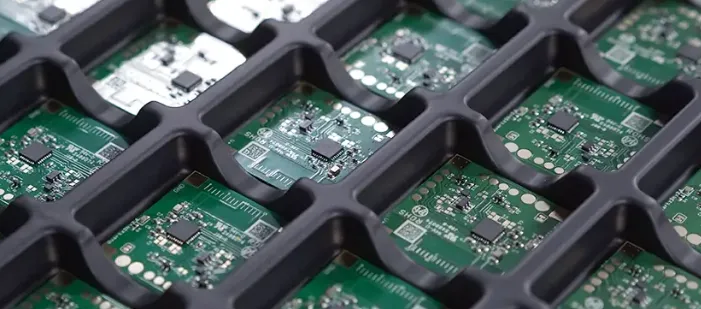
High Volume PCB Assembly: Ensuring Regulatory Compliance and Certifications
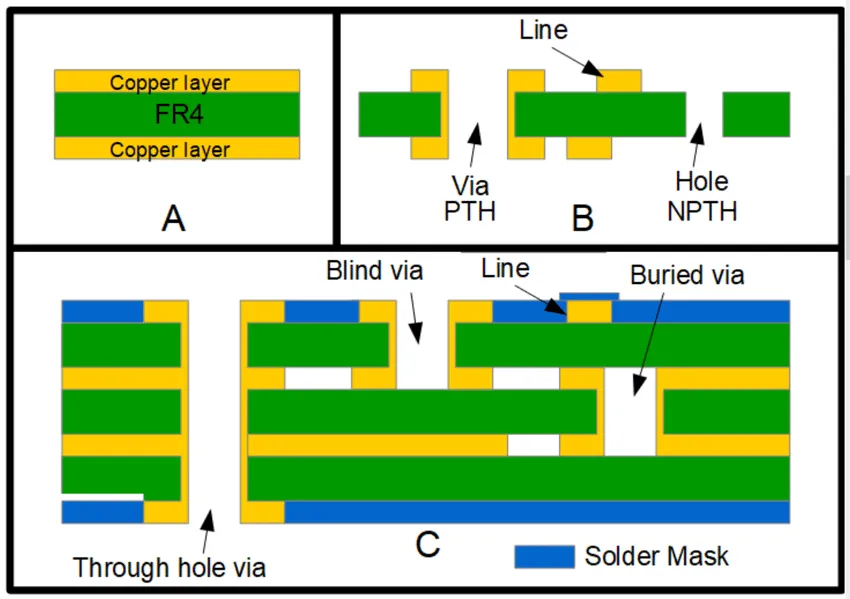
Beyond Lead Free: Advanced Materials for RoHS Compliant PCB Fabrication
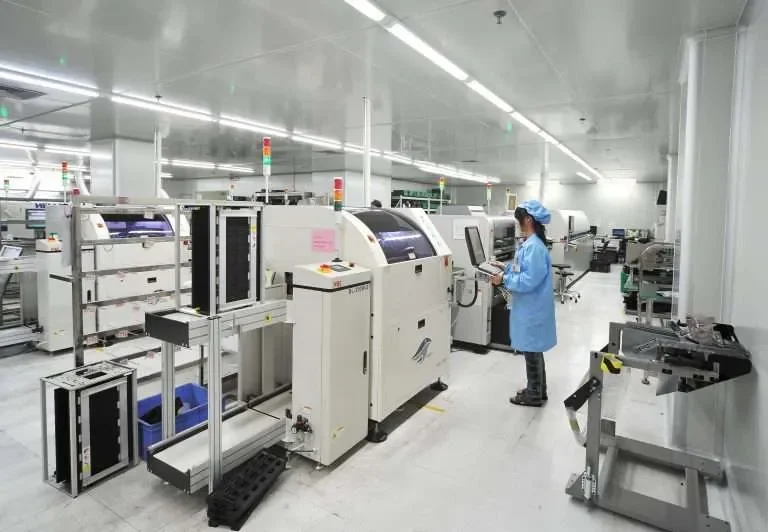
Demystifying Lead Free Assembly Certification: A Step by Step Approach for Electronics Engineers
Get in Touch
Send Message
- Products & Service
- Company
- About AIVON
- Contact
- News
- Blog
- Certification
-


- Payment
-


2026 AIVON.COM All Rights Reserved