










-
 00:58
00:58
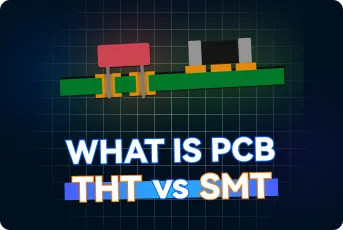
SMT vs THT PCB Assembly: Why Both Technologies Remain Essential
SMT (Surface Mount Technology) and THT (Through-Hole Technology) are two essential component mounting methods used in modern PCB assembly, each offering distinct advantages. This video explains how SMT enables compact layouts, higher component density, and efficient automated production, while THT provides superior mechanical strength for components exposed to stress or vibration. It also explores why many PCB designs combine both technologies to achieve the best balance between manufacturing efficiency, durability, and performance. Understanding the strengths and limitations of SMT and THT helps engineers optimize PCB prototypes and production designs for automotive, medical, aerospace, and other high-reliability applications.
-
 00:55
00:55
HDI Slot Design: Plated and Non-Plated PCB Slot Holes for Reliable HDI Boards
PCB slot holes are specialized features used to meet both electrical and mechanical requirements that cannot be achieved with standard round holes. This video explains the differences between plated and non-plated slots, their applications, and the manufacturing challenges associated with each. It covers important design considerations such as minimum slot width, plating uniformity, copper clearance, creepage distance, and proper pad support for plated slots. By following recommended slot design practices, engineers can improve mechanical strength, ensure reliable electrical connections, and reduce fabrication defects in multilayer, HDI, automotive, medical, and aerospace PCB applications.
-
 00:55
00:55
PCB Teardrops: Critical Reinforcement for Trace Reliability in Manufacturing
PCB teardrops are tapered copper features added between traces and pads or vias to improve manufacturing robustness and long-term reliability. This video explains how teardrops help compensate for drill misalignment, etching variations, and mechanical stress by reinforcing vulnerable connection points. It covers common teardrop styles, recommended design practices, and considerations for high-speed applications where excessive copper additions may affect signal performance. By applying teardrops appropriately, engineers can reduce the risk of broken connections, improve fabrication yield, and enhance the reliability of HDI, medical, automotive, aerospace, and other high-performance PCB designs.
-
 00:53
00:53
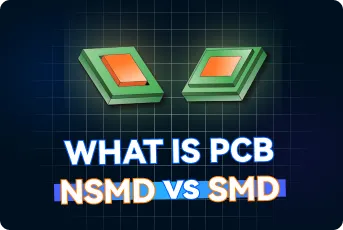
SMD vs NSMD PCB Pads: Critical Differences for Reliable SMT Assembly
SMD and NSMD pads are two important PCB pad designs that significantly influence solder joint quality, assembly yield, and long-term reliability. This video explains the differences between these pad types, including how NSMD pads expose copper edges to improve solder wetting and inspection, while SMD pads use solder mask overlap to better control solder volume in high-density layouts. It also discusses key design factors such as component pitch, solder mask alignment tolerance, and bridging risks. By understanding when to use SMD or NSMD pads, engineers can optimize manufacturability, reduce assembly defects, and enhance the performance of HDI, BGA, medical, automotive, and other advanced PCB applications.
-
 00:53
00:53
PCB Countersink vs Counterbore Holes: Critical DFM Considerations for Reliable Fabrication
Countersinks and counterbores are important PCB mechanical features that ensure proper fastener installation, structural integrity, and reliable assembly. This video explains the key differences between these hole types, including when to use a countersink for flush-mounted flat-head screws and when to use a counterbore for recessed socket or hex-head fasteners. It also covers critical design considerations such as screw head compatibility, remaining material thickness, manufacturing tolerances, and plating effects. By selecting and specifying these features correctly, engineers can improve assembly quality, prevent mechanical failures, and enhance the durability of rigid, aerospace, medical, and automotive PCB applications.


